What is semaglutide used for? Uses, benefits, and who qualifies
TL;DR: Semaglutide is a GLP-1 receptor agonist the FDA approved for type 2 diabetes (Ozempic, Rybelsus), chronic weight management (Wegovy), and cardiovascular risk reduction in adults with obesity or overweight. In the STEP 1 trial, participants lost an average of 14.9% of body weight over 68 weeks. Researchers are now studying it for MASH, sleep apnea, and kidney disease.
What is semaglutide and how does it work?
Semaglutide is a synthetic copy of GLP-1, a hormone your small intestine releases after you eat. GLP-1 stands for glucagon-like peptide-1, and it does several jobs at once. It signals the pancreas to release insulin when blood sugar rises, tells the liver to slow down glucose production, and sends satiety signals to the brain that make you feel full sooner and want less food overall. [1]
The drug copies all of those effects. It has a half-life of about one week, which is why the injectable forms (Ozempic and Wegovy) are dosed once weekly instead of daily like older GLP-1 drugs. Rybelsus, the oral tablet, is taken daily because absorption through the gut is much less efficient. [2]
At its core, semaglutide slows gastric emptying. Food sits in your stomach longer, which flattens the blood sugar spike after meals and stretches out the feeling of fullness. For people with type 2 diabetes, that means steadier glucose numbers. For people trying to lose weight, it means eating meaningfully less without fighting constant hunger. Those two effects are why one molecule ended up with three separate FDA approvals across two different medical problems.
What are the FDA-approved uses of semaglutide?
The FDA has approved semaglutide for three distinct indications, each under a different brand name and dose. [2]
Ozempic (subcutaneous injection) is approved for adults with type 2 diabetes to improve blood sugar control, and separately to reduce the risk of major adverse cardiovascular events (heart attack, stroke, or cardiovascular death) in adults with type 2 diabetes who also have established cardiovascular disease.
Rybelsus (oral tablet) is approved for blood sugar control in adults with type 2 diabetes. It is not approved for weight loss.
Wegovy (subcutaneous injection, higher dose) is approved for chronic weight management in adults with a BMI of 30 or higher, or a BMI of 27 or higher with at least one weight-related condition such as high blood pressure, type 2 diabetes, or high cholesterol. In 2024 the FDA expanded Wegovy's label to include reducing the risk of serious cardiovascular events in adults with obesity or overweight who have established cardiovascular disease, based on the SELECT trial. [3]
| Brand | Form | Approved use | Max weekly dose | |-------|------|-------------|----------------| | Ozempic | Weekly injection | Type 2 diabetes + CV risk reduction | 2 mg | | Rybelsus | Daily tablet | Type 2 diabetes | 14 mg | | Wegovy | Weekly injection | Chronic weight management + CV risk reduction | 2.4 mg |
All three contain semaglutide. The differences are the delivery method, the dose ceiling, and the FDA-reviewed patient population.
How much weight do people actually lose on semaglutide?
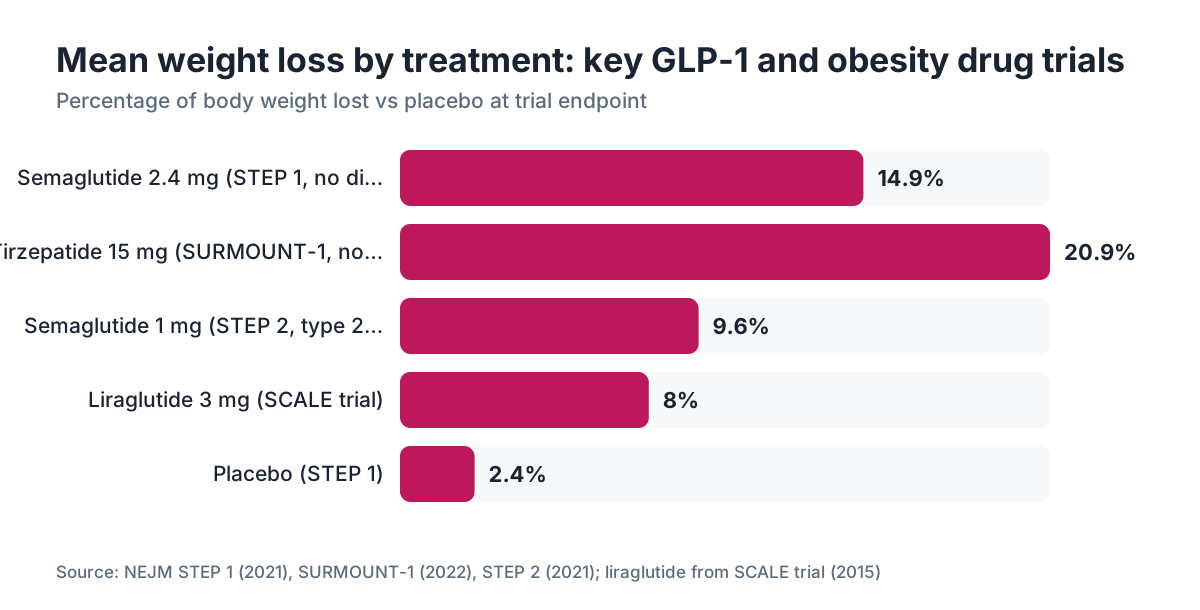
The STEP (Semaglutide Treatment Effect in People with Obesity) trial program is the main evidence base here. STEP 1 enrolled 1,961 adults without diabetes and found that participants taking 2.4 mg weekly semaglutide (Wegovy) lost an average of 14.9% of body weight over 68 weeks, compared with 2.4% in the placebo group. [4] That is roughly 35 pounds on a 235-pound person.
STEP 2 looked at people with type 2 diabetes and found more modest results: about 9.6% weight loss versus 3.4% for placebo. That gap is expected because the drivers of obesity in people with diabetes are harder to shift.
STEP 5 extended follow-up to two years and found the weight loss held with continued use. When people stopped the drug, they regained about two-thirds of the lost weight within a year, which the researchers read as consistent with obesity being a chronic disease that needs long-term treatment. [12]
Those numbers are real, but they are averages. Some people lose 5% of their weight. Others lose 20% or more. Age, hormonal status, starting metabolic health, sleep quality, and diet all bend the result. Women in perimenopause and menopause tend to carry more visceral fat, driven partly by declining estrogen, and there is early evidence that GLP-1 drugs may be especially useful in this group, though large dedicated trials are still running. If you are in that window, the overlap between hormone replacement therapy and GLP-1 therapy is worth raising with your prescriber.
For a side-by-side comparison with the newer dual-agonist option, see semaglutide vs tirzepatide.
Does semaglutide reduce heart attack and stroke risk?
Yes. This is one of the less-publicized but more important findings in GLP-1 research.
The SUSTAIN-6 trial showed that semaglutide (Ozempic) reduced major adverse cardiovascular events by 26% compared with placebo in adults with type 2 diabetes and high cardiovascular risk. [5] That result earned Ozempic its cardiovascular indication.
Then came SELECT. Published in the New England Journal of Medicine in 2023, SELECT enrolled over 17,600 adults with obesity or overweight and established cardiovascular disease but without diabetes. It found that Wegovy cut the risk of cardiovascular death, nonfatal heart attack, or nonfatal stroke by 20% over about 33 months. [3] The FDA used that data to expand Wegovy's label in March 2024.
The mechanism is not settled. Some researchers credit the weight loss alone. Others point to direct anti-inflammatory effects on arterial walls and reduced visceral fat (which drives systemic inflammation) as independent contributors. In SELECT the cardiovascular benefit showed up early, before much weight had come off, which hints that something beyond weight loss is at work.
For women, cardiovascular disease is the leading cause of death, and the risk climbs sharply after menopause. A weight-management medication that also carries documented cardiovascular benefit is genuinely meaningful, more than a selling point.
What off-label and investigational uses is semaglutide being studied for?
The drug's mechanism touches enough biological pathways that researchers are testing it across a surprising range of conditions.
MASH (metabolic dysfunction-associated steatohepatitis, formerly NASH): The ESSENCE trial, reported in 2024, showed semaglutide improved liver histology in adults with MASH and liver fibrosis. The FDA has semaglutide under review for this indication as of 2025. [6]
Obstructive sleep apnea: The SURMOUNT-OSA trial for tirzepatide showed large reductions in sleep apnea severity. Similar semaglutide trials are ongoing. In 2024 the FDA approved tirzepatide (not semaglutide) for OSA, but the underlying biology applies to GLP-1 agonists broadly.
Chronic kidney disease: The FLOW trial, published in the New England Journal of Medicine in 2024, found semaglutide reduced the risk of major kidney disease outcomes by 24% in adults with type 2 diabetes and chronic kidney disease. [7] That could eventually support a renal indication.
Addiction and substance use: Observational data and some small trials suggest GLP-1 receptors in the brain's reward circuitry may reduce cravings for alcohol and other substances. No FDA approval exists yet, but the NIH is funding multiple trials.
Alzheimer's disease: GLP-1 receptors are expressed in the brain. The EVOKE trial tested oral semaglutide in early Alzheimer's, and results reported in late 2024 showed no significant benefit on cognitive outcomes, so this line looks less promising than early hopes suggested.
Polycystic ovary syndrome (PCOS): PCOS involves insulin resistance and weight gain, two things semaglutide directly addresses. Small trials show improvements in menstrual regularity and androgen levels, but no large randomized trial has finished specifically in this population.
Who qualifies for semaglutide, and who should not take it?
For Wegovy (weight management), the FDA criteria are a BMI of 30 or above, or a BMI of 27 or above with at least one weight-related condition. For Ozempic and Rybelsus, the qualifying condition is type 2 diabetes in an adult. [2]
Prescribers also read your full health picture before writing the script. Several groups should not take semaglutide, or should use it with extra caution.
Contraindications include a personal or family history of medullary thyroid carcinoma, because GLP-1 receptors sit on thyroid C-cells and rodent studies showed tumor formation (the human relevance remains uncertain); multiple endocrine neoplasia syndrome type 2 (MEN2); and any prior serious hypersensitivity reaction to semaglutide.
Cautions include a history of pancreatitis (the drug can raise pancreatic enzymes; a causal link to clinical pancreatitis is debated but the label carries a warning); diabetic retinopathy (SUSTAIN-6 found a higher rate of retinopathy complications in the semaglutide group, which may partly reflect rapid glucose lowering rather than a direct drug effect); severe gastrointestinal disease such as gastroparesis; and pregnancy. Semaglutide should be stopped at least two months before a planned pregnancy. [2]
For women working through menopause who are also on hormone replacement therapy, there is no known dangerous interaction. Some clinicians are actively combining the two because estrogen and GLP-1 agonists appear to have complementary effects on metabolic health and body composition, especially visceral fat. This combination has not been tested in a large randomized trial, so the confidence here is mechanistic and observational rather than gold-standard.
How is semaglutide dosed and how long does it take to work?
Both Ozempic and Wegovy start low and ramp up over several months to hold down nausea and GI side effects. [2]
For Wegovy, the standard schedule looks like this:
- Weeks 1-4: 0.25 mg once weekly
- Weeks 5-8: 0.5 mg
- Weeks 9-12: 1.0 mg
- Weeks 13-16: 1.7 mg
- Week 17 onward: 2.4 mg (maintenance dose)
Blood sugar improvements with Ozempic often show up in the first few weeks. Weight loss with Wegovy is more gradual. Most people see meaningful scale movement between weeks 8 and 16, with the bulk of total weight loss landing in the first 6 to 12 months. The curve flattens as the body settles at a new set point.
Rybelsus (oral) needs exact timing: taken with no more than 4 ounces of plain water at least 30 minutes before the first food or drink of the day. Even small deviations from that protocol sharply cut absorption. [2]
If you are weighing compounded versions of the drug, which spread during the Wegovy shortage periods of 2022 to 2024, read up on compounded semaglutide before you decide. The FDA removed semaglutide from its shortage list in 2024, which changed the regulatory status of compounded versions substantially.
What are the most common side effects of semaglutide?
The most common side effects are gastrointestinal, and they track with the dose escalation schedule. In STEP 1, nausea hit about 44% of participants on semaglutide versus 16% on placebo, but most cases were mild to moderate and eased after the first few months. [4]
The full list of common GI complaints: nausea, vomiting, diarrhea, constipation, abdominal pain, and belching. This is exactly why the slow titration schedule exists. Smaller meals, less high-fat food, and steady hydration all help.
Rarer but more serious concerns from the label include:
Pancreatitis: Stop semaglutide if pancreatitis is suspected. The absolute risk in trials was low and causality is debated, but it is on the label.
Gallbladder disease: Rapid weight loss of any kind raises gallstone risk, and semaglutide trials found higher rates of gallbladder events than placebo.
Muscle loss: This is a real issue with any large weight loss. People on semaglutide can shed meaningful lean muscle mass alongside fat. Enough protein (most clinicians suggest at least 1.2 grams per kilogram of body weight) and resistance training are the main ways to blunt it. For women in their 40s and 50s, muscle mass already declines with hormonal changes, so this matters more. Bone density tests before and during major weight loss are worth discussing with your doctor.
Hair loss (telogen effluvium): Temporary shedding from rapid weight loss is common and usually resolves within 6 months without stopping the drug.
How does semaglutide compare to other diabetes and weight-loss medications?
Before semaglutide, the most effective weight-loss drugs were phentermine-topiramate (Qsymia) and naltrexone-bupropion (Contrave), which produced roughly 5-10% weight loss in trials. Older GLP-1 agonists like liraglutide (Saxenda) reached about 5-8%. Semaglutide at 2.4 mg roughly doubled what was previously possible without surgery. [4]
Then tirzepatide (Mounjaro for diabetes, Zepbound for weight loss) arrived. It targets both GLP-1 and GIP receptors. In the SURMOUNT-1 trial, participants on the highest dose lost about 20.9% of body weight, compared with semaglutide's roughly 15% in its comparable trial. [8] That does not make tirzepatide the automatic pick. It is newer, its long-term cardiovascular data are less mature, and individual response varies. Some people simply do better on semaglutide.
For a detailed head-to-head, see semaglutide vs tirzepatide.
Compared with bariatric surgery, semaglutide produces roughly half the weight loss of sleeve gastrectomy (which averages 25-30% total body weight loss), but without surgery, anesthesia, or the permanent anatomical changes. For many women, that trade-off points clearly toward medication first.
At WomenRx, patients exploring semaglutide for weight loss often ask whether GLP-1 therapy fits with their hormone regimen. In most cases it does, and the two can genuinely complement each other.
Is semaglutide safe for women in perimenopause and menopause?
No large trial has enrolled perimenopausal or postmenopausal women as a defined subgroup, so the honest answer is that the evidence is extrapolated from trials that enrolled women across the age range rather than designed for this group. The STEP trials did not break out results by menopausal status in their primary publications.
The biology, though, is supportive. Estrogen decline during perimenopause shifts fat storage from the hips and thighs toward the abdomen (visceral fat), worsens insulin sensitivity, and raises cardiovascular risk. GLP-1 agonists address all three: they trim visceral fat preferentially, improve insulin sensitivity, and carry documented cardiovascular benefit. [3][4]
Women in this stage also tend to feel hungrier and eat more, because estrogen has a direct appetite-suppressing effect. As estrogen drops, appetite often rises, which is one reason perimenopausal weight gain is so common even with no change in eating habits. Semaglutide steps in as a pharmacological appetite signal to partly fill that gap.
The interaction with progesterone and other hormones is not well characterized in formal trials. If you also take progesterone or wear an estrogen patch, go over your full medication list with your prescriber. There are no known dangerous pharmacokinetic interactions, but personalized monitoring matters.
Women in early perimenopause, roughly ages 40 to 51 (see perimenopause age for a full breakdown), may find that treating both the hormonal and the metabolic shifts at once helps more than treating either alone. That is a clinical judgment call, not something this article can make for you.
How much does semaglutide cost, and is it covered by insurance?
Brand-name semaglutide is expensive without insurance. As of 2025, Wegovy lists at roughly $1,350 per month and Ozempic at roughly $900 to $1,000 per month before discounts. [9]
Insurance coverage varies sharply:
- Medicare: Following the SELECT trial results, Medicare covers Wegovy for cardiovascular risk reduction, but coverage for weight loss alone under Medicare Part D stays inconsistent and plan-dependent. [10]
- Medicaid: Coverage depends entirely on the state. Some states cover GLP-1 drugs for obesity. Many do not.
- Commercial insurance: Many employers have dropped weight-loss drugs from formularies to control costs. Diabetes indications (Ozempic) are more likely covered than weight-management indications (Wegovy).
Novo Nordisk runs savings programs. The Wegovy savings card can cut costs to as low as $0 per month for eligible commercially insured patients, though terms change often and the card does not apply to Medicare or Medicaid.
Compounded semaglutide sold at $200 to $400 per month from many telehealth pharmacies during the shortage years. The FDA's removal of semaglutide from the shortage list in early 2024 triggered a regulatory crackdown on most compounding of the drug, though some 503B outsourcing facilities are still working out where they stand legally. [9]
What should you ask your doctor before starting semaglutide?
A few questions that will actually change your care plan:
What is my starting metabolic baseline? Fasting glucose, HbA1c, fasting lipids, liver enzymes, and kidney function (eGFR) are reasonable before you start. They track benefit and catch problems early.
Do I have any contraindications? Family history of thyroid cancer, prior pancreatitis, and current eye problems related to diabetes all deserve a real conversation first.
What dose should I expect to reach, and how fast? Some prescribers titrate slower than the standard schedule if GI side effects flare. That is fine, and it often leads to better long-term adherence.
How will we define success? Weight is an easy number to track, but metabolic markers (blood pressure, blood sugar, lipids, waist circumference) and how you feel are equally valid outcomes.
What is the plan if I lose a lot of weight fast? Protein intake, resistance training, and bone density monitoring belong in the plan from day one, especially for women in their 40s and 50s. A bone density test before and after major weight loss is reasonable to discuss.
How long will I need to take it? STEP 5 showed people who stopped the drug regained most of their weight within a year. [12] If you are taking it for weight management, this is a long-term commitment, not a one-year reset.
Frequently asked questions
What is the difference between Ozempic and Wegovy?
Both contain semaglutide. Ozempic is FDA-approved for type 2 diabetes and cardiovascular risk reduction in diabetic patients, with a maximum weekly dose of 2 mg. Wegovy is approved for chronic weight management and cardiovascular risk reduction in people with obesity or overweight, with a maximum dose of 2.4 mg. The higher dose is why weight loss with Wegovy runs somewhat greater than with Ozempic used off-label for weight.
Can semaglutide be used for weight loss without diabetes?
Yes. Wegovy is specifically approved for adults without diabetes who have a BMI of 30 or above, or a BMI of 27 or above with at least one weight-related condition like high blood pressure or high cholesterol. You do not need a diabetes diagnosis to qualify. Ozempic and Rybelsus are only approved for diabetes but are sometimes prescribed off-label for weight loss.
How long does it take for semaglutide to start working for weight loss?
Most people notice appetite reduction within the first one to four weeks, even at low starting doses. Measurable weight loss usually shows up between weeks 4 and 12. The maximum effect builds slowly over 6 to 12 months as the dose climbs. The STEP 1 trial ran 68 weeks and showed continued weight loss through most of that period, with the curve starting to plateau around week 60 for most participants.
Does semaglutide cause muscle loss?
It can, because rapid weight loss of any kind draws on both fat and lean mass. Analyses of STEP trial data suggest roughly 30-40% of weight lost was lean mass for some participants, similar to other weight-loss interventions. Eating enough protein (at least 1.2 grams per kilogram of body weight) and doing resistance training at least twice a week are the main ways to protect muscle while losing fat on semaglutide.
Is semaglutide safe to take with hormone replacement therapy?
No known dangerous drug interaction exists between semaglutide and standard HRT regimens (estrogen and progesterone). Many clinicians are actively combining both because they address different but overlapping drivers of weight gain and metabolic decline during perimenopause and menopause. This combination has not been tested in a dedicated large trial, so the support is mechanistic and observational. Always disclose your full medication list to your prescriber.
What foods should you avoid on semaglutide?
No foods are strictly off-limits, but high-fat meals tend to worsen nausea, especially early in treatment when gastric emptying is most slowed. Greasy, fried, or very heavy foods can trigger vomiting. Carbonated drinks and alcohol may sharpen GI discomfort. Most people also find that very large portions become uncomfortable. Smaller meals at a slower pace, built around protein and vegetables, tend to cut side effects noticeably.
What happens when you stop taking semaglutide?
Weight regain is common and can be significant. The STEP 1 extension study found that one year after stopping Wegovy, participants had regained about two-thirds of their lost weight on average, and most metabolic improvements (blood pressure, blood sugar, lipids) also partly reversed. This is consistent with obesity as a chronic disease. Stopping is sometimes necessary due to side effects, pregnancy, or cost, but it should be planned rather than abrupt.
Can semaglutide treat PCOS?
Semaglutide is not FDA-approved for PCOS, but small trials and case series show promising results. Because PCOS involves insulin resistance and often significant weight gain, the drug addresses two of the core drivers. Some women with PCOS on semaglutide report better menstrual regularity and reduced androgen symptoms. Larger randomized trials are needed before this becomes a standard recommendation, but off-label use in this group is increasingly common.
Is oral semaglutide (Rybelsus) as effective as the injection?
Not quite. The oral bioavailability of semaglutide is around 1%, so Rybelsus needs a much higher pill dose to reach comparable blood levels. Clinical trials show Rybelsus works for blood sugar control in type 2 diabetes, but weight loss data run more modest than the injectable form. Rybelsus is also not approved for weight management. If weight loss is the primary goal, the injection is the stronger option.
Does insurance cover semaglutide for weight loss?
Coverage varies widely. Commercial insurers often exclude Wegovy from weight-management formularies to limit costs. Ozempic is more likely covered when prescribed for type 2 diabetes. Medicare now covers Wegovy for cardiovascular risk reduction in qualifying patients following the 2024 label expansion. Medicaid coverage depends on your state. Novo Nordisk's savings card can lower costs for commercially insured patients who qualify, but it does not apply to government insurance programs.
What is the thyroid cancer warning on semaglutide?
The FDA label carries a boxed warning about thyroid C-cell tumors based on rodent studies where semaglutide caused dose-dependent thyroid tumors. The human relevance is unclear: GLP-1 receptors are present on human thyroid C-cells, but large real-world databases have not confirmed a clear increased risk of medullary thyroid carcinoma in humans. Even so, the drug is contraindicated in anyone with a personal or family history of medullary thyroid carcinoma or MEN2.
How does semaglutide affect the cardiovascular system?
The SELECT trial found Wegovy reduced major adverse cardiovascular events by 20% in adults with obesity and established heart disease over about 33 months. The SUSTAIN-6 trial found Ozempic reduced cardiovascular events by 26% in adults with type 2 diabetes. The mechanism likely combines weight and visceral fat reduction, lower blood pressure, improved lipids, and possibly direct anti-inflammatory effects on arterial tissue. The benefit appeared early in SELECT, suggesting it is not entirely explained by weight loss.
Can semaglutide help with alcohol or substance cravings?
Early evidence suggests yes, but no FDA approval exists for this use. GLP-1 receptors are expressed in the brain's reward and dopamine pathways, and animal studies consistently show reduced alcohol and drug-seeking behavior with GLP-1 agonists. Observational human data and small trials show reductions in alcohol use and binge drinking. The NIH is funding several trials to clarify this, but strong evidence from large randomized trials is still years away.
Is semaglutide the same thing as insulin?
No. Semaglutide is a GLP-1 receptor agonist, not insulin. It works by prompting the body's own insulin release in a glucose-dependent way, meaning it only triggers insulin when blood sugar is elevated. That makes hypoglycemia (dangerously low blood sugar) uncommon with semaglutide alone, unlike insulin or sulfonylureas. People with type 2 diabetes may take semaglutide alongside insulin, but the two drugs work by completely different mechanisms and carry different risk profiles.
Sources
- NIH National Library of Medicine, StatPearls: Glucagon-Like Peptide-1 Receptor Agonists
- FDA Drug Label: Wegovy (semaglutide) injection
- New England Journal of Medicine: SELECT trial (Lincoff et al., 2023)
- New England Journal of Medicine: STEP 1 trial (Wilding et al., 2021)
- New England Journal of Medicine: SUSTAIN-6 trial (Marso et al., 2016)
- New England Journal of Medicine: ESSENCE trial (Newsome et al., 2024)
- New England Journal of Medicine: FLOW trial (Perkovic et al., 2024)
- New England Journal of Medicine: SURMOUNT-1 trial (Jastreboff et al., 2022)
- FDA Drug Shortage Database: semaglutide
- CMS.gov: Medicare Part D coverage of anti-obesity medications
- Obesity (journal): STEP 5 two-year extension (Garvey et al., 2022)