What does a hot flash feel like during perimenopause
TL;DR: A hot flash is a sudden wave of intense heat that rises through the chest, neck, and face, usually with sweating and a cold chill right after. Most last 1 to 5 minutes. Up to 80% of women get them during perimenopause, and for about 25% they're severe enough to wreck sleep and daily life. Hormone therapy is the most effective treatment.
What does a hot flash actually feel like, moment by moment?
Most women describe it the same way. Without warning, a wave of heat rises from the chest and floods the neck and face. Your skin goes red. You sweat, sometimes enough to soak through a shirt. Your heart may pound. Then the heat breaks and you're cold, sometimes shivering.
The whole thing usually runs one to five minutes, though some stretch to ten. The North American Menopause Society (NAMS) calls hot flashes "the most common symptom of menopause" and notes that severe episodes can hit more than ten times a day [1].
Some women get a few seconds of warning: a faint prickle, or a flash of anxiety they can't explain. Others get nothing. The heat just arrives.
The medical name is "vasomotor symptom," which points to the mechanism. Blood vessels near the skin suddenly widen and flood those tissues with blood. That's your body trying to dump heat it wrongly thinks it has too much of. The brain's thermostat, run largely by estrogen, is misfiring.
Why do hot flashes happen during perimenopause?
Estrogen keeps the hypothalamus, the brain's temperature regulator, running smoothly. As estrogen swings and then drops during perimenopause, the thermoregulatory "neutral zone" narrows sharply [2]. Put simply, the brain gets hair-trigger sensitive to tiny temperature changes it would normally shrug off.
A 2014 review in Fertility and Sterility described a thermoneutral zone that can shrink toward zero in symptomatic women, so any small rise in core temperature sets off a full flush [2]. Stress, caffeine, alcohol, a warm room, even a hot drink can push you past that line.
The direct trigger appears to be a cluster of neurons in the hypothalamus (the kisspeptin-neurokinin B-dynorphin, or KNDy, neurons). When estrogen pulls back, these neurons fire too much and send the signals that widen your peripheral blood vessels. That research is the reason newer non-hormonal drugs exist, like fezolinetant, which the FDA approved in May 2023 for vasomotor symptoms [3].
Perimenopause can start years before your last period, often in the mid-to-late 40s, sometimes in the late 30s. There's more on the timeline in our piece on perimenopause age and on when menopause starts.
How common are hot flashes, and how long do they last overall?
About 75 to 80 percent of women in perimenopause and menopause get hot flashes at some point [1]. Roughly a quarter of them call the symptoms severe, meaning frequent and intense enough to interfere with work, exercise, or sleep.
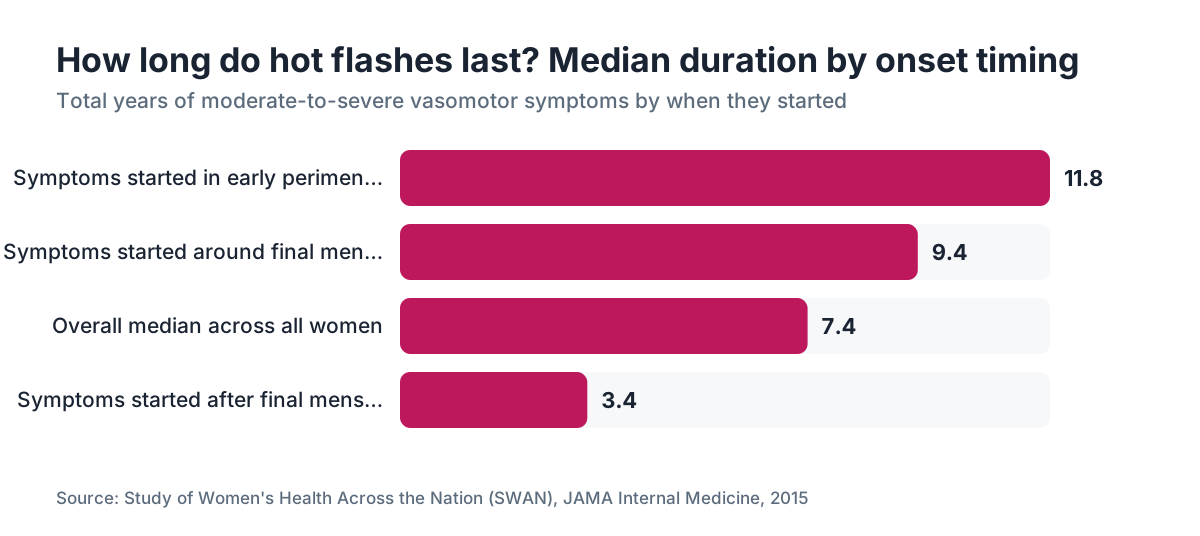
The duration is what surprises people. The old teaching said two to three years and done. The Study of Women's Health Across the Nation (SWAN), one of the longest-running menopause studies in the US, found the median total duration was 7.4 years. Women who started flashing early in perimenopause, before their final period, had the longest run, often past 11 years [4].
Frequency swings hard. Some women get one or two mild episodes a week. Others get ten or more a day. Night sweats are just hot flashes that happen while you sleep, and they fragment sleep even when they don't fully wake you. That's why perimenopausal fatigue tracks so closely with vasomotor symptoms.
Race matters too. SWAN found that Black women report more frequent, more severe, and longer-lasting hot flashes than white women. Hispanic and Asian women generally report fewer and milder episodes, though how women describe symptoms across groups may account for part of that gap [4].
What do night sweats feel like, and are they different from daytime hot flashes?
Night sweats are the same event as a daytime hot flash. Same mechanism. What changes is context: you're flat, under covers, often mid-sleep-cycle.
Many women wake up with a soaked nightgown and sheets, the room feeling unbearable even when it's cool. Some don't wake at all but drop into lighter sleep and feel wrecked the next morning without knowing why. Others wake several times, throw off the covers, get cold, pull them back, then wake again when the next wave hits.
This broken sleep is where a lot of perimenopause's damage comes from. Mood swings, brain fog, irritability, trouble concentrating: those often tie more directly to sleep loss than to estrogen levels themselves.
Are there early warning signs before a hot flash hits?
About half of women report a short prodrome, a sensation in the seconds before the heat peaks. The common ones are a sudden jolt of anxiety or unease, a prickling or tingling in the chest or hands, or a slight bump in heart rate.
Some women use that warning to slip out of a meeting, open a layer, or step outside. Others get no heads-up at all and are already flushed before they register what's happening.
Tracking triggers helps you predict and manage frequency. Common ones: alcohol (wine and spirits especially), caffeine, spicy food, smoking, a hot shower, exercise, stress, and a warm bedroom. Not every woman reacts to all of these, and sensitivity can shift over time.
How severe can hot flashes get?
Severity runs across a wide range. Mild ones bring a brief warmth, maybe a light sweat, gone in under two minutes with little disruption. Moderate episodes bring visible flushing and sweating you can't hide. Severe ones can be soaking and disabling, breaking your concentration mid-sentence, ruining several nights of sleep a week, or forcing a change of clothes.
Clinicians sometimes measure this with tools like the Menopause Rating Scale or the Menopause-Specific Quality of Life (MENQOL) questionnaire [1]. Researchers usually count episodes as "bothersome" when they hit moderate-to-severe intensity, which is the bar FDA approval trials use for treatments.
For the roughly one in four women who cross that severe line, the hit to quality of life is real. SWAN data link severe vasomotor symptoms to more depressive symptoms, worse sleep, and even higher cardiovascular risk markers, though researchers are still working out cause versus correlation [4].
What is the most effective treatment for hot flashes during perimenopause?
Hormone therapy is still the most effective treatment there is. The Endocrine Society's 2015 clinical practice guideline states that "estrogen-based hormone therapy is the most effective treatment for menopausal symptoms," vasomotor symptoms included [5]. Studies show a 75 to 90 percent drop in hot flash frequency on estrogen, versus roughly 25 to 50 percent on placebo.
If you still have a uterus, estrogen gets paired with progesterone to protect the uterine lining. The combination comes as pills, patches, and gels. An estrogen patch delivers estrogen through the skin and skips the liver, which some clinicians prefer for women with certain cardiovascular risks.
Full hormone replacement therapy isn't right for everyone. Women with a history of hormone-receptor-positive breast cancer, active blood clots, or unexplained vaginal bleeding usually can't take systemic estrogen. For them, non-hormonal options include FDA-approved fezolinetant (brand name Veozah), the SNRI venlafaxine, gabapentin, and oxybutynin, each with modest but real evidence [3].
Cognitive behavioral therapy (CBT) for hot flashes has more behind it than most women expect. A 2012 trial in Menopause found that six sessions of CBT cut problem-rating scores for hot flashes by about 50 percent [6]. It doesn't reduce how often flashes happen. It reduces how disruptive they feel.
If you don't know where to start, platforms like WomenRx run telehealth consults for perimenopausal hormone care, so you can get a clinical evaluation without waiting months for an in-person slot.
Can lifestyle changes reduce how often hot flashes happen?
Yes, but the effect is smaller than most women hope. A cool bedroom (around 65 to 68 degrees Fahrenheit), moisture-wicking layers, less alcohol, and less caffeine all cut your trigger exposure. None of this stops hot flashes if your estrogen is dropping, but it can lower how often and how hard they hit.
Weight matters too. Higher BMI goes with more frequent vasomotor symptoms, probably because fat tissue insulates and because obesity is independently tied to hypothalamic dysregulation. Losing even 10 percent of body weight was linked to fewer vasomotor symptoms in a secondary analysis of the Women's Health Initiative [7].
Mind-body work like mindfulness-based stress reduction and paced breathing (slow, controlled breaths at about 6 per minute during a flash) has modest evidence. It won't prevent flashes, but it can blunt the peak and shorten how long they seem to last.
Soy isoflavones and black cohosh are the most-used supplements, and the evidence for both is shaky. A 2013 Cochrane review found phytoestrogens gave a statistically significant but clinically small drop in hot flash frequency versus placebo [8]. For some women that's enough. For others it isn't.
How is a hot flash different from anxiety, a fever, or a thyroid problem?
This is a genuine diagnostic question. The sudden heat, pounding heart, and sweat of a hot flash can feel identical to a panic attack in the moment. The clinical tell is the pattern: hot flashes spread heat from the core outward, peak fast (under 2 minutes), then break into a cold sweat. Panic attacks usually bring more chest tightness, shortness of breath, and a sense of dread that hangs around longer.
A fever heats your whole body evenly and stays. A hot flash is episodic, centered on the face, neck, and upper chest, and clears completely between episodes.
Hyperthyroidism (overactive thyroid) causes heat intolerance, sweating, and palpitations that genuinely mimic hot flashes. Any woman whose vasomotor symptoms start before the usual perimenopausal window, or who has other signs like unexplained weight loss or a persistently fast heart rate, should get thyroid function checked before pinning everything on hormones.
Carcinoid syndrome, pheochromocytoma, and certain drugs (niacin, tamoxifen, some antidepressants) can also cause flushing. These are far rarer than perimenopause, but worth flagging to your clinician if the picture looks off.
The cleanest way to separate perimenopausal hot flashes from other causes is the clinical context: irregular periods, age from the late 30s to 50s, and FSH above 25 IU/L on a day 2-3 blood test point firmly at perimenopause [5].
Does having hot flashes mean anything about your long-term health?
Probably yes, and researchers are still digging into it. Frequent, severe vasomotor symptoms seem to go with higher cardiovascular risk markers. SWAN found that women with persistent hot flashes had higher inflammatory markers and worse endothelial function than women without symptoms [4].
A 2020 study in the American Journal of Obstetrics and Gynecology found that early-onset vasomotor symptoms (starting before the final menstrual period) were tied to higher risk of cardiovascular events in the years after menopause [9]. The link is correlational, not proven cause, and researchers still debate whether hot flashes drive cardiovascular changes or whether both come from the same underlying process of estrogen loss.
Bone density is a separate but connected concern. Estrogen loss speeds bone resorption, and the same hormonal shift behind hot flashes is quietly stripping bone. Women with severe, drawn-out vasomotor symptoms may want to ask about timing a bone density test earlier than standard screening guidelines call for.
Sleep loss from night sweats is linked to more depression, cognitive changes, and metabolic effects including insulin resistance. So treating hot flashes well is more than a comfort call. It touches several systems downstream.
What should you tell your doctor about your hot flashes?
Bring specifics. Clinicians use frequency, severity, and functional impact to choose treatment. "I have hot flashes" tells them far less than "I get 8 to 10 a day, they wake me at least three nights a week, and I had to leave a client meeting twice last month."
Worth tracking before your appointment: average episodes per day and per night, a rough severity rating (mild, moderate, soaking), which foods or activities seem to set them off, and how long this has been going on.
Report your other perimenopausal symptoms too: irregular bleeding, vaginal dryness, mood changes, joint pain. They fill in the full hormonal picture. There's more on the wider set of menopause symptoms and how menopause age shapes your options.
If your primary care doctor brushes you off or tells you to wait it out, push back. NAMS says moderate-to-severe vasomotor symptoms that hurt quality of life should be treated, and good options exist. Getting a second opinion from a menopause-trained clinician is reasonable and fair.
Frequently asked questions
How long does a single hot flash last?
Most hot flashes last between 1 and 5 minutes, with some running up to 10. The peak heat usually hits within the first minute, then fades. NAMS cites this range in its standard patient resources. Night sweats follow the same duration but often feel longer, because they break your sleep and leave you wet and cold afterward.
How many hot flashes per day is considered normal?
There's no single normal. Frequency runs from one or two a week in mild cases to more than ten a day in severe ones. SWAN research found the median was around 5 to 6 per day among women with moderate-to-severe symptoms. Clinically, episodes count as "bothersome" when they're moderate to severe and hit at least 7 times a day or 50 times a week.
Can hot flashes start before your period becomes irregular?
Yes. Some women get occasional hot flashes while their cycles are still fairly regular, which can signal that perimenopause is starting. Perimenopause is defined by hormonal change more than cycle change. FSH can spike into the menopausal range on some days even while periods continue. A clinician can test hormone levels for a clearer picture.
Do hot flashes feel different at night than during the day?
The physiology is identical. Night sweats are hot flashes that happen during sleep. They can feel more intense because you're warm under covers and lying down. Many women find the soaking sweat and sharp chill afterward more disruptive at night. Some wake fully, others just shift to lighter sleep without noticing, which leaves them tired the next day for no clear reason.
Why do some women get severe hot flashes and others barely notice them?
The difference comes from genetics, body composition, lifestyle, and probably how fast estrogen declines. Black women statistically report more severe and longer-lasting symptoms than white or Asian women, based on SWAN. Smokers have worse vasomotor symptoms. Higher BMI goes with more frequent episodes. Some genetic variants affecting serotonin and norepinephrine receptors may also shift sensitivity.
What triggers a hot flash and how do I identify mine?
Common triggers include alcohol, caffeine, spicy food, a warm room, hot beverages, stress, exercise, and smoking. Not everyone reacts to the same ones. The best way to find yours is a symptom diary: note time of day, what you ate or drank, your stress level, and room temperature for two to three weeks. Patterns usually surface in that window and give you something to change.
Are hot flashes dangerous?
A single hot flash is not dangerous. Repeated, severe vasomotor symptoms over years are linked to higher cardiovascular risk markers and bone loss, based on SWAN and other data. The mechanism is still debated, but the correlation is real. Severe, disruptive hot flashes that hurt sleep and quality of life are worth treating, both for comfort and because the downstream effects of sleep loss and estrogen loss add up.
Can you get hot flashes during perimenopause even if you're not in menopause yet?
Yes, absolutely. Hot flashes are often more common and more erratic during perimenopause than after the final period, because estrogen is swinging wildly rather than declining steadily. Those swings can make the hypothalamus especially reactive. Many women are surprised that their worst vasomotor symptoms come years before their periods stop.
What is the fastest way to cool down during a hot flash?
Layers you can strip off fast are the best first move. Holding something cold, a cold pack or ice water, or running cold water over your wrists helps, because the wrists have high blood flow near the skin. Paced breathing (slow, deep breaths at about 6 per minute) has clinical support for cutting peak intensity. Misting fans are popular at night.
Is hormone therapy safe for treating hot flashes?
For most healthy women under 60 who are within 10 years of menopause onset, the benefits of hormone therapy outweigh the risks, per NAMS and the Endocrine Society. Absolute risks are small in this group. Women with certain histories (hormone-receptor-positive breast cancer, active clots) should use non-hormonal options instead. The decision should be individualized with a clinician who reviews your full health history.
How long will I have hot flashes in total?
Longer than most women expect. SWAN found the median total duration of moderate-to-severe vasomotor symptoms was 7.4 years. Women who started early in perimenopause often had them 11 years or more. About 10 percent of women still get hot flashes past age 70. The old "two to three years" estimate has been replaced by this long-term data.
Can hot flashes cause weight gain?
Hot flashes don't directly cause weight gain, but the estrogen loss driving them contributes to metabolic changes that make weight gain easier, especially visceral fat. Sleep loss from night sweats also raises cortisol and ghrelin, hormones that push appetite and fat storage. Some women find that treating hot flashes well improves sleep enough to help with weight management indirectly.
Are there non-hormonal prescription options for hot flashes?
Yes. The FDA approved fezolinetant (Veozah) in May 2023 for moderate-to-severe vasomotor symptoms in women who can't use hormones. It blocks neurokinin B receptors in the hypothalamus. Venlafaxine, an SNRI antidepressant, has evidence for cutting hot flash frequency by about 30 to 60 percent. Gabapentin and oxybutynin are used off-label with modest supporting data.
Do hot flashes mean menopause is almost over?
Not necessarily. Hot flashes often peak in the first two years after the final period, but can persist for years beyond. SWAN showed that for women with early-onset symptoms, total duration commonly tops a decade. Fading frequency and severity over time is the usual pattern, but the timeline is highly individual and hard to predict.
Sources
- North American Menopause Society (NAMS), Menopause Practice: A Clinician's Guide
- Freedman RR, Fertility and Sterility 2014 - thermoregulatory mechanisms in menopause
- FDA Drug Approval, Veozah (fezolinetant), May 2023
- Study of Women's Health Across the Nation (SWAN), JAMA Internal Medicine 2015
- Endocrine Society Clinical Practice Guideline, Treatment of Symptoms of the Menopause, 2015
- Hunter MS et al., Menopause 2012 - CBT for hot flashes trial
- Women's Health Initiative, secondary analysis of vasomotor symptoms and weight loss
- Lethaby A et al., Cochrane Database of Systematic Reviews 2013 - phytoestrogens for menopausal symptoms
- Thurston RC et al., American Journal of Obstetrics and Gynecology 2020 - hot flashes and cardiovascular risk
- NIH National Institute on Aging, Hot Flashes: What Can I Do?