Side effects of menopause: what's normal, what's treatable, and what to do
TL;DR: Menopause officially begins 12 months after your last period, usually between ages 45 and 55, and the symptoms come from falling estrogen and progesterone. The most common are hot flashes (affecting up to 80% of women), sleep disruption, vaginal dryness, mood changes, and faster bone loss. Most symptoms are treatable, often very effectively, with hormone therapy, non-hormonal medications, or lifestyle changes.
What actually causes menopause symptoms?
The short answer: estrogen. As your ovaries gradually stop producing it, nearly every organ system that depends on it starts signaling distress.
Estrogen receptors are everywhere. Your brain, skin, bladder, bones, blood vessels, and vaginal tissue all carry them. When estrogen drops, those tissues get the message and respond. The hypothalamus, which runs your body's thermostat, becomes hypersensitive to tiny temperature changes and fires off heat-dissipation signals that produce hot flashes. Vaginal tissue thins and dries because it no longer gets the estrogen signals that keep it plump and lubricated. Bone turnover speeds up because estrogen normally suppresses the cells (osteoclasts) that break bone down.
Progesterone falls too, and that matters more for sleep and mood than most people realize. Low progesterone is linked to worse sleep architecture and increased anxiety, independent of estrogen. [1]
The timing varies enormously. Perimenopause, the transition phase, can start as early as your late 30s or as late as your early 50s. Read more about the perimenopause age range and what to expect. The average age of natural menopause in the United States is 51.4 years [2], but the symptom burden and which symptoms dominate differ from woman to woman.
What are the most common side effects of menopause?
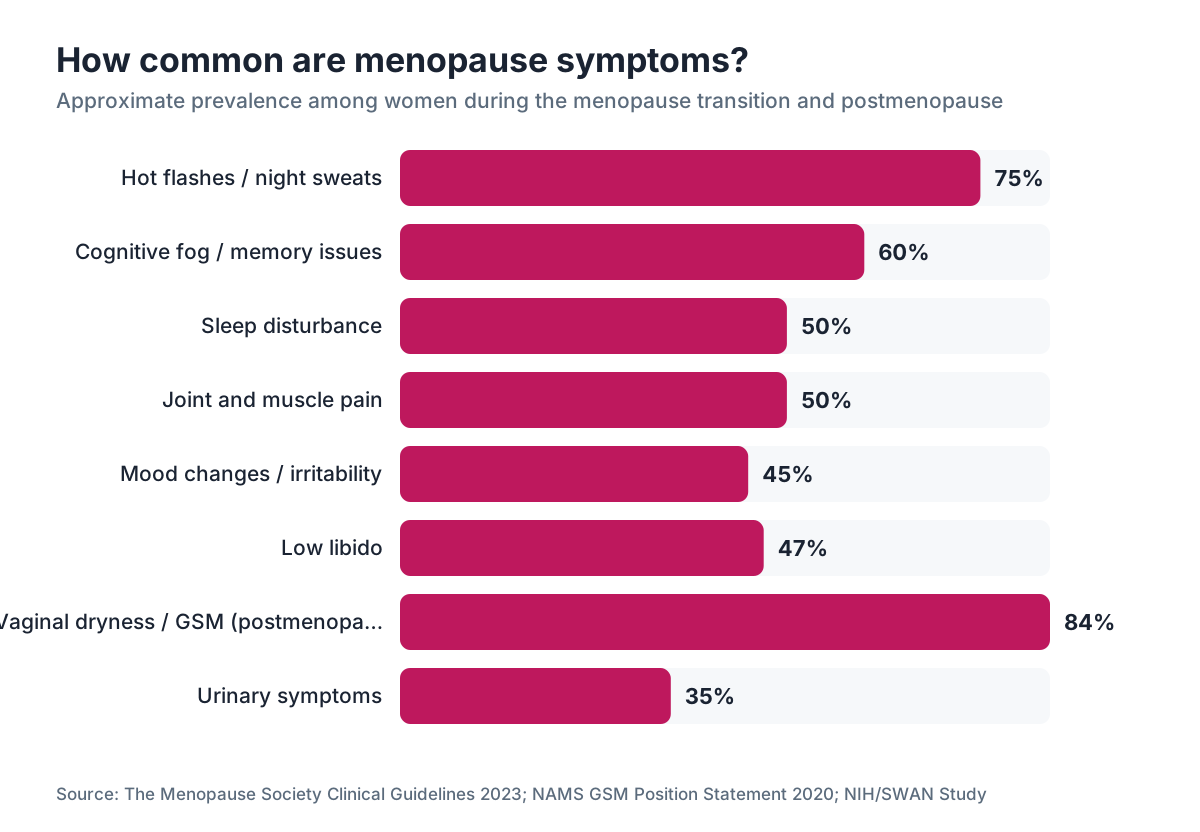
Here is a realistic inventory, organized by how commonly each symptom is reported, along with honest frequency data.
| Symptom | Approximate prevalence | Peak timing | |---|---|---| | Hot flashes / night sweats | 70-80% of women [2] | Late perimenopause through 2+ yrs post-menopause | | Sleep disturbance | 40-60% [3] | Perimenopause onward | | Vaginal dryness / GSM | 27-84% (rises with age) [4] | Postmenopause | | Mood changes / irritability | 40-50% [3] | Perimenopause (hormone fluctuation phase) | | Cognitive fog / memory issues | ~60% report some [3] | Perimenopause | | Joint and muscle pain | ~50% [3] | Variable | | Low libido | 40-55% [4] | Perimenopause and postmenopause | | Urinary symptoms (urgency, UTIs) | ~30-40% [4] | Postmenopause | | Weight gain / body composition change | Very common (exact % contested) | Perimenopause onward | | Bone density loss | Nearly universal without intervention [5] | Accelerates in first 5 yrs postmenopause | | Cardiovascular risk increase | Rises after menopause | Postmenopause | | Skin / hair changes | Common, less quantified | Postmenopause |
These numbers come from population studies and the North American Menopause Society (NAMS) clinical guidelines, so they reflect real heterogeneity: some women breeze through, some are floored for years.
How bad are hot flashes, and how long do they last?
Hot flashes are the signature symptom, and they're more disruptive than the pop-culture version suggests. A typical hot flash lasts 1 to 5 minutes. Your skin flushes, you sweat, your heart rate jumps, and then you often shiver as your body overcorrects. Night sweats are just hot flashes that happen while you're asleep; they fragment sleep and leave you exhausted in a way that compounds every other symptom.
The Study of Women's Health Across the Nation (SWAN), a long-running NIH-funded cohort study, found that the median duration of hot flash symptoms is 7.4 years, and women who started flashing before their final menstrual period (which is most women) had a median duration of over 11 years [2]. That is a long time. The old reassurance that "they'll pass in a year or two" is just not accurate for many women.
Severity classification matters too. Mild hot flashes are noticeable but don't interrupt activity. Moderate ones are hard to ignore. Severe ones are disabling: soaked sheets, changing clothes multiple times, avoiding meetings. If yours are severe, waiting them out is not a plan. Effective treatments exist.
Women who are Black have consistently been shown in the SWAN data to experience more frequent and longer-lasting vasomotor symptoms than white, Hispanic, or Asian women, at rates roughly 50% higher than white women [2]. Race and ethnicity genuinely shape the menopause experience and should shape clinical conversations.
What happens to your vagina, bladder, and sex life during menopause?
The clinical term is genitourinary syndrome of menopause (GSM), and it deserves its own section because it's underreported and undertreated. Unlike hot flashes, GSM does not improve on its own over time. Without treatment, it gets worse.
Falling estrogen causes the vaginal walls to thin, lose folds (rugae), and produce less moisture. The vaginal pH rises from around 4.5 to 6 or higher, which changes the microbiome and makes infections more likely. The result: dryness, burning, pain with penetration (dyspareunia), and sometimes bleeding after sex. The urethra and bladder are made of similar tissue and respond similarly: urgency, frequency, and more frequent urinary tract infections are all part of GSM. [4]
The NAMS 2020 position statement on GSM notes that prevalence rises from about 27% of perimenopausal women to over 84% of postmenopausal women who report bothersome symptoms when asked directly, and that many women do not volunteer these symptoms unless clinicians ask. [4]
Libido changes are related but not identical. Lower estrogen affects lubrication and comfort. Lower testosterone (which also falls with age) affects desire. Relationship factors and mood interact with both. It's a real mix.
Treatments for GSM run from over-the-counter vaginal moisturizers and lubricants (hyaluronic acid and silicone-based products have decent evidence) to low-dose vaginal estrogen, which is considered safe even for many women who can't use systemic hormone therapy. Ospemifene (a SERM taken orally) is FDA-approved for dyspareunia from GSM. [4]
How does menopause affect your bones?
Bone loss accelerates sharply in the first five years after menopause. Women can lose 2 to 3 percent of bone mineral density per year in this window, compared to less than 1 percent per year before menopause [5]. Over a decade that adds up fast.
Estrogen suppresses osteoclast activity. Without it, the balance between bone formation and breakdown tips toward breakdown. The result is lower bone mineral density and, eventually, osteoporosis and fracture risk. The National Osteoporosis Foundation estimates that about half of women over 50 will break a bone due to osteoporosis. [5]
You should get a baseline DEXA scan (bone density test) at menopause if you have risk factors, and by age 65 if you have none. Read about when and why to get a bone density test. Hormone therapy started early in the menopause transition has good evidence for preserving bone density and reducing fracture risk. If you can't use HRT, bisphosphonates (alendronate, risedronate) and other agents are effective options.
Calcium (1200 mg/day from food and supplements combined for postmenopausal women) and vitamin D (800 to 1000 IU/day minimum, higher if deficient) are foundation-level, not optional. Weight-bearing exercise matters too, though it's not a substitute for medication in established osteoporosis.
What does menopause do to your brain and mood?
Brain fog is real and it has a biological basis. The perimenopausal brain is adapting to lower and more erratic estrogen levels. Estrogen promotes neuronal glucose metabolism and supports production of acetylcholine and serotonin, two neurotransmitters involved in memory, attention, and mood. When estrogen fluctuates wildly (as it does in perimenopause, more than postmenopause), cognitive function can swing with it. [3]
Most of the memory and concentration problems women report in perimenopause improve after menopause, when hormone levels settle at a lower baseline. The SWAN study and other longitudinal data show that verbal memory and processing speed dip during the transition but often recover afterward. This is reassuring. It does not mean dementia is coming.
Mood changes are different. Depression risk genuinely increases in perimenopause, and the risk is highest in women with a prior history of depression or premenstrual dysphoric disorder (PMDD). The 2023 Menopause Society clinical practice guideline acknowledges that hormone therapy can help mood symptoms, particularly in early postmenopause. [3] That's not the same as saying HRT treats clinical depression in all women, but the connection between hormone fluctuation and mood is real enough to take seriously.
Anxiety and irritability in perimenopause often track hot flash frequency: you're not sleeping, you're uncomfortable, of course you're on edge. Treating the hot flashes sometimes resolves the mood symptoms. Sometimes they need independent treatment.
Does menopause cause weight gain?
This one is complicated. Women in midlife do gain weight on average, but the menopause transition itself causes a shift in body composition more than pure weight gain. Fat redistributes from the hips and thighs to the abdomen (visceral fat), which carries higher cardiovascular and metabolic risk than subcutaneous fat. This shift happens even in women whose scale weight stays roughly the same. [3]
Metabolic rate declines with age, and loss of muscle mass (sarcopenia) accelerates it further. Estrogen had been partially protecting insulin sensitivity; without it, glucose regulation gets harder. This is why type 2 diabetes risk rises after menopause.
For women who do want to address weight after menopause, GLP-1 receptor agonists like semaglutide and tirzepatide have become serious options. The SURMOUNT-1 trial of tirzepatide showed mean weight reduction of about 20.9% in adults with obesity [6], and the STEP 1 trial of semaglutide showed approximately 14.9% mean body weight reduction [7]. These drugs don't counteract menopause-specific fat redistribution directly, but weight loss and improved insulin sensitivity help. If you're curious how they compare, see semaglutide vs tirzepatide.
Hormone therapy doesn't cause weight gain (a persistent myth) and may actually reduce the shift toward visceral fat. A Cochrane review found no evidence that HRT causes weight gain. [8]
What are the cardiovascular effects of menopause?
Heart disease risk rises after menopause, and estrogen loss is a significant reason. Before menopause, women have lower rates of cardiovascular disease than age-matched men. After menopause, that gap closes within about a decade.
Estrogen has several cardioprotective effects: it improves the lipid profile (raises HDL, lowers LDL), keeps blood vessels elastic, reduces inflammation, and helps regulate blood pressure. When estrogen drops, LDL tends to rise, HDL may fall, blood pressure often increases, and arterial stiffness increases. [3]
The timing hypothesis for hormone therapy and heart disease is important: data, including the original Women's Health Initiative (WHI) re-analysis and subsequent studies, consistently show that women who start hormone therapy within 10 years of menopause or before age 60 have reduced cardiovascular event rates, not increased ones. Starting HRT in women who are already more than 10 years postmenopausal appears to carry different, and less favorable, risk. [8]
This doesn't mean every woman should take HRT for heart protection. But it does mean that younger menopausal women being told to avoid HRT out of cardiac concern should get updated information and a real conversation with their provider about their individual risk.
How are menopause symptoms treated?
Hormone replacement therapy (HRT), also called menopausal hormone therapy (MHT), remains the most effective treatment for vasomotor symptoms, GSM, and mood symptoms related to menopause. A 2022 Cochrane review found that estrogen therapy reduces hot flash frequency by about 75% compared to placebo. [8] That's a big effect. If you have a uterus, you need progesterone alongside estrogen to protect the uterine lining. If you've had a hysterectomy, estrogen alone is the standard.
Read more about the specifics of hormone replacement therapy, including the different formulations, delivery routes, and risk profiles. The estrogen patch is a popular option because transdermal delivery bypasses first-pass liver metabolism and may carry lower clot risk than oral estrogen. Progesterone choice also matters: micronized progesterone (Prometrium) has better sleep and mood data than synthetic progestins.
Non-hormonal prescription options include:
- Fezolinetant (Veozah), FDA-approved in 2023, is a neurokinin B receptor antagonist that reduces hot flash frequency by roughly 60-70% in trials. [9] It works centrally in the hypothalamus and has no hormonal action.
- SSRIs and SNRIs (particularly paroxetine at low dose, the only FDA-approved non-hormonal for hot flashes; venlafaxine and escitalopram have good evidence too).
- Gabapentin and clonidine have modest evidence for hot flashes.
- Ospemifene for GSM dyspareunia.
WomenRx offers telehealth consultations for hormone therapy and weight management, connecting women with clinicians who specialize in this transition rather than treating menopause as a side note.
Lifestyle measures that have real (if modest) evidence: regular aerobic exercise reduces hot flash severity in some studies, weight reduction helps vasomotor symptoms, and cognitive behavioral therapy for hot flashes has decent trial data for women who can't or won't use medication. [3]
What symptoms are often missed or dismissed by clinicians?
Joint pain is probably the most underrecognized menopause symptom. Estrogen is anti-inflammatory. When it drops, inflammatory arthritis-like symptoms can emerge or worsen, particularly in the hands, knees, and hips. Many women get rheumatology workups that come back normal because the root cause is hormonal. [3]
Heart palpitations are another one. Estrogen helps regulate the autonomic nervous system, and palpitations (a racing or fluttery feeling) during perimenopause are common and usually benign. They still need cardiac evaluation to rule out arrhythmia, but when everything checks out, the cause is often the menopause transition.
Itchy or crawling skin, called formication, is real and estrogen-mediated. Tinnitus and changes in hearing are reported more often in postmenopausal women than premenopausal, though the evidence is less established. Changes in the mouth (dry mouth, altered taste) and gum health are also linked to falling estrogen.
The common thread: these symptoms get attributed to aging, anxiety, or other conditions rather than the menopause transition, and treatment is delayed or missed. Women who track their symptoms and understand the hormonal context are better positioned to advocate for real evaluation and treatment.
When should you see a doctor about menopause symptoms?
You don't have to wait until symptoms are severe, and you don't have to accept that they're just part of aging. Any symptom that affects your sleep, work, relationships, or quality of life is worth discussing. That's the threshold.
Some situations need prompt attention: bleeding after 12 months of amenorrhea (that's the definition of menopause, so any bleeding after that point needs investigation), severe depression or suicidal ideation, symptoms of heart disease (chest pain, shortness of breath, swelling), and symptoms that could indicate another condition mimicking menopause (thyroid disease, in particular, is a classic one).
For most women the path is: find a provider who takes menopausal medicine seriously, get a baseline assessment of your cardiovascular risk factors, bone density if indicated, lipid panel, blood pressure, thyroid, and then have an honest conversation about which treatments fit your history and preferences.
If you can't find that locally, telehealth has genuinely expanded access. WomenRx and similar platforms connect women with clinicians who have done the work to stay current on menopausal medicine, which is not true of all primary care providers. Make sure whoever you see knows about the menopause transition in depth, more than the basics.
For younger women still in the perimenopausal stage, read about when does menopause start and menopause age to understand the full timeline and when symptoms typically begin and peak.
Frequently asked questions
How long do menopause symptoms last?
The median total duration of hot flashes is 7.4 years according to the SWAN study, and women who start symptoms before their final period often experience them for more than 11 years. Vaginal dryness and GSM do not resolve on their own and tend to worsen over time without treatment. Cognitive symptoms during perimenopause often improve once hormone levels stabilize after the transition.
What are the first signs that menopause is starting?
Most women notice irregular periods first, then hot flashes and night sweats, followed by sleep disruption and mood changes. These can start years before your actual final period, during perimenopause. Some women notice vaginal dryness or changes in libido early on. Brain fog, joint aches, and heart palpitations are common but less often recognized as menopause-related during this early phase.
Can menopause cause anxiety and depression?
Yes. Depression risk is elevated during perimenopause compared to premenopause, particularly in women with a prior depression history. Anxiety and irritability are common and often track hot flash frequency and sleep disruption. Hormone therapy has evidence for improving mood symptoms in early postmenopause. Clinical depression during this time may need antidepressant therapy alongside or instead of hormone treatment.
Does menopause cause weight gain?
Menopause itself doesn't directly cause large weight gains, but it shifts body composition: fat redistributes from hips and thighs to the abdomen. This visceral fat carries higher metabolic and cardiovascular risk. Metabolic rate also slows with age and muscle loss. Hormone therapy has not been shown to cause weight gain and may partially counteract visceral fat accumulation. GLP-1 medications like semaglutide are an option for women who want to address weight during this period.
Is it safe to take hormone therapy for menopause symptoms?
For most women under 60 who are within 10 years of menopause onset, the benefits of hormone therapy outweigh the risks for symptom relief. The original WHI findings that scared millions of women off HRT were largely applicable to older women starting hormones more than 10 years postmenopause. Your individual cardiovascular history, family history, and type of HRT all affect the risk-benefit calculation, so a personalized conversation with a clinician is important.
What is genitourinary syndrome of menopause (GSM) and how is it treated?
GSM includes vaginal dryness, painful sex, urinary urgency, and recurrent UTIs caused by thinning of vaginal and urethral tissue after estrogen loss. Unlike hot flashes, GSM does not improve without treatment. Options include over-the-counter vaginal moisturizers, low-dose vaginal estrogen (cream, ring, or tablet), ospemifene (an oral non-estrogen pill), and in some cases systemic HRT. Low-dose vaginal estrogen has very minimal systemic absorption and is considered safe for most women.
What non-hormonal treatments work for hot flashes?
The best-evidenced non-hormonal options are fezolinetant (Veozah), FDA-approved in 2023, which reduces hot flash frequency by roughly 60-70% in trials; low-dose paroxetine (the only FDA-approved non-hormonal for hot flashes); venlafaxine and escitalopram (good off-label evidence); gabapentin (modest evidence); and cognitive behavioral therapy for hot flashes. Black cohosh has weak and inconsistent evidence. Dietary supplements marketed for menopause generally lack rigorous trial support.
Does menopause increase the risk of osteoporosis?
Yes, significantly. Women lose 2 to 3 percent of bone mineral density per year in the first five years after menopause, compared to under 1 percent annually before menopause. The National Osteoporosis Foundation estimates that half of women over 50 will experience a fracture from osteoporosis. A DEXA scan is recommended by age 65, or earlier with risk factors. Hormone therapy, bisphosphonates, adequate calcium and vitamin D, and weight-bearing exercise all help protect bone.
How does menopause affect heart health?
Estrogen loss after menopause raises LDL cholesterol, lowers HDL, increases arterial stiffness, and raises blood pressure on average. Women's cardiovascular disease risk rises sharply after menopause and converges with men's rates within about a decade. Women who start hormone therapy early (within 10 years of menopause, before age 60) show reduced, not increased, cardiovascular event rates in current analyses. This is called the timing hypothesis or window of opportunity.
What menopause symptoms affect sleep?
Night sweats are the most direct disruptor: hot flashes during sleep fragment sleep architecture and reduce time in restorative deep sleep. Falling progesterone also independently worsens sleep quality. Mood changes and anxiety can cause racing thoughts at bedtime. About 40 to 60 percent of perimenopausal and postmenopausal women report sleep problems. Hormone therapy that addresses night sweats often dramatically improves sleep. Melatonin, sleep hygiene, and CBT-Insomnia are useful adjuncts.
Can menopause cause joint pain and muscle aches?
Yes, and this is one of the most under-discussed symptoms. Estrogen has anti-inflammatory properties; its loss can trigger or worsen joint inflammation, particularly in the hands, knees, and hips. Studies show approximately 50% of women report musculoskeletal symptoms during the menopause transition. These symptoms often get attributed to aging or autoimmune disease. Hormone therapy may help. Anti-inflammatory strategies, exercise, and physical therapy are also useful.
What is the difference between perimenopause and menopause?
Perimenopause is the transition period, typically lasting 4 to 8 years, during which hormones fluctuate erratically and periods become irregular. It starts on average in the mid-40s. Menopause is officially defined as 12 consecutive months without a menstrual period. Everything after that is postmenopause. Many of the most difficult symptoms, including mood swings and cognitive fog, peak during perimenopause rather than after the final period.
Do menopause symptoms affect every woman the same way?
No. Symptom type, severity, and duration vary widely. Black women experience more frequent and longer-lasting hot flashes than white, Hispanic, or Asian women, according to the SWAN study. Women who smoke or have lower body weight tend to have earlier and more severe symptoms. Surgical menopause (from oophorectomy) causes abrupt, often more severe symptoms than natural menopause. Genetics, stress, sleep quality, and general health all shape the experience.
Can a GLP-1 medication help with menopause-related weight changes?
GLP-1 receptor agonists like semaglutide and tirzepatide address weight gain and insulin resistance, both of which worsen during the menopause transition. The STEP 1 trial of semaglutide showed about 14.9% mean body weight loss. These drugs don't reverse hormonal fat redistribution directly, but reducing overall adiposity and improving metabolic health matters. They work best alongside, not instead of, addressing the hormonal root causes of menopausal body composition changes.
Sources
- The Menopause Society (NAMS), Clinical Practice Guidelines 2023
- NIH / SWAN Study, published in Menopause Journal: 'Duration of Menopausal Vasomotor Symptoms' (Avis et al., 2015)
- The Menopause Society, 2023 Position Statement on Hormone Therapy
- The Menopause Society, 2020 Position Statement on Genitourinary Syndrome of Menopause (GSM)
- National Osteoporosis Foundation (Bone Health and Osteoporosis Foundation)
- Jastreboff et al., SURMOUNT-1 Trial, New England Journal of Medicine, 2022
- Wilding et al., STEP 1 Trial, New England Journal of Medicine, 2021
- Marjoribanks et al., Cochrane Review: 'Long-term hormone therapy for perimenopausal and postmenopausal women', 2017
- FDA Drug Approval: Fezolinetant (Veozah), FDA.gov, 2023
- Endocrine Society Clinical Practice Guideline: Treatment of Symptoms of the Menopause, 2015 (updated)
- NIH Office on Women's Health, Menopause page