Semaglutide diarrhea: why it happens and how to manage it
TL;DR: Diarrhea affects roughly 9 to 30% of people taking semaglutide, depending on the dose. It's caused by slowed gastric emptying, changes in gut motility, and increased bile acid delivery to the colon. Most cases are mild, peak in the first few weeks of a new dose, and improve with eating strategies and hydration. Severe or persistent diarrhea warrants a call to your prescriber.
How common is diarrhea on semaglutide?
Very common. In the STEP 1 trial, the large phase 3 study of 2.4 mg semaglutide (Wegovy) for weight management, diarrhea was reported in 29.7% of participants on semaglutide versus 16.1% on placebo. [1] The SUSTAIN trials for the 1 mg injectable dose (Ozempic) for type 2 diabetes showed diarrhea rates of roughly 8 to 16%, depending on the comparator arm. [2] The oral form, Rybelsus (up to 14 mg daily), shows diarrhea in about 9 to 10% of patients in the PIONEER trials. [3]
So the short answer: the higher the dose, the more likely you are to see gastrointestinal side effects. At 2.4 mg, nearly one in three people reports it. That is not a small number, and it is one of the most common reasons people reduce their dose or stop the medication altogether.
For women specifically, there is some evidence that women report GI side effects from GLP-1 receptor agonists at higher rates than men, possibly because gastric emptying is already slower in women and the hormonal environment modifies gut motility. The data here are not definitive, but the clinical observation is consistent enough that most prescribers expect women to be more sensitive to GI effects at each titration step. [4]
Why does semaglutide cause diarrhea?
Semaglutide works by activating GLP-1 receptors throughout the body, and those receptors are not only in the pancreas and brain. They line the entire gastrointestinal tract.
The gut effects are layered. First, semaglutide slows gastric emptying significantly. Food sits in your stomach longer, which is part of why you feel full faster. But that delayed emptying changes the timing and volume of contents delivered to the small intestine, which can disrupt normal bowel rhythm. Second, GLP-1 receptors in the intestinal wall affect secretion and absorption of water and electrolytes. When those are altered, the colon can receive more fluid than it can reabsorb, producing loose stools. Third, bile acid delivery to the colon increases when upper GI transit is disrupted. Bile acids in the colon are a well-documented cause of secretory diarrhea. [5]
There is also an effect on gut motility itself. GLP-1 signaling reduces the coordinated muscle contractions (peristalsis) in the upper gut but can paradoxically speed transit in the lower gut once the initial slowing resolves. The result is often a pattern where early doses cause nausea and constipation, and diarrhea emerges later as the gut adapts or as doses rise.
One more factor: many women starting semaglutide for weight loss are simultaneously changing what they eat. Eating more fiber, fewer ultra-processed foods, or less fat can independently shift bowel habits. That makes it harder to pin every loose stool squarely on the drug.
When does semaglutide diarrhea start and how long does it last?
Timing follows the dose escalation schedule almost exactly. Most people start semaglutide at 0.25 mg weekly and step up every four weeks. Diarrhea tends to appear within the first one to two weeks of each new dose, then settle over the following two to three weeks as the body adjusts. [1]
For most people, this means a recurring but predictable pattern. A few rough days at the start of 0.5 mg, then calm. A few rough days at the start of 1 mg, then calm again. By the time people reach 2.4 mg, some have adapted enough that GI symptoms are minimal. Others find each escalation brings a fresh round.
In clinical practice, diarrhea that persists beyond four to six weeks at a stable dose, rather than fading after the first couple of weeks, is worth flagging. It may mean you need a slower titration schedule, a lower maintenance dose, or investigation for another cause. A subset of patients has ongoing loose stools throughout treatment. That group is small but real, and they should not simply white-knuckle through it.
For reference, the STEP 1 trial ran 68 weeks. GI adverse events were most common in the first 20 weeks and declined substantially after that. [1] So the body does adapt, but it takes time.
What does semaglutide diarrhea actually feel like?
Usually it is loose or watery stools, sometimes urgency, sometimes cramping beforehand. It is rarely bloody. It often comes in the morning or shortly after eating, which fits the pattern of a meal triggering gut motility in an already-sensitized system.
Some women describe it as feeling different from typical infectious diarrhea. There is less nausea accompanying it and more of a sudden, urgent need. Others say it alternates with constipation, which is completely consistent with the mixed motility effects of GLP-1 agonists.
What it is not, in the vast majority of cases, is severe. The STEP trials graded most GI events as mild to moderate in intensity. [1] Severe diarrhea requiring hospitalization or IV fluids is uncommon, but dehydration from repeated loose stools can sneak up on you if you are not paying attention, especially in warm weather or if you are also taking other medications that affect fluid balance.
How to manage semaglutide diarrhea: what actually helps
The strategies that consistently help are mostly about food, timing, and pacing the titration. Medications can help in the short term, but they are not the first line unless the diarrhea is really disruptive.
Slow down the escalation. This is the single most effective intervention. The standard schedule is four weeks per dose step, but nothing stops you and your prescriber from spending eight or twelve weeks at each step. In the STEP 5 trial, a two-year extension study, slower titration was associated with better tolerability without meaningfully compromising weight loss outcomes. Ask your prescriber explicitly about an extended titration plan. [6]
Eat smaller meals, lower in fat. High-fat meals trigger stronger GLP-1 responses and slow gastric emptying further. Small, lower-fat meals reduce the volume and fat load hitting a slowed stomach. Many women find diarrhea is much worse on days they eat a large, greasy meal.
Avoid known gut irritants during escalation. Coffee, alcohol, spicy food, and very high-fiber foods (especially raw cruciferous vegetables and raw onions) can all worsen loose stools. This is not forever. Just during the first few weeks of a new dose.
Stay hydrated and add electrolytes. Diarrhea depletes sodium, potassium, and magnesium. Plain water does not replace electrolytes. A simple oral rehydration approach (water with a pinch of salt and a small amount of juice, or a low-sugar electrolyte drink) is more effective than water alone.
Probiotics. The evidence is modest and not specific to semaglutide, but a meta-analysis of probiotics in antibiotic-associated and functional diarrhea showed a roughly 40 to 50% reduction in episodes in some populations. [7] They are low-risk. Worth trying, not worth relying on alone.
Loperamide (Imodium). An over-the-counter option for acute episodes. It slows gut motility directly and works quickly. Fine to use occasionally for a predictable bad day. Not a daily solution, and not a substitute for finding out why the diarrhea is happening.
Bile acid sequestrants. If your diarrhea follows the bile acid pattern (watery, urgent, worse after meals, responds to cholestyramine), this is worth discussing with your prescriber. Bile acid malabsorption is underdiagnosed and directly relevant to the GLP-1 mechanism. [5]
Is semaglutide diarrhea different from nausea or constipation on the drug?
They are all GI side effects from the same mechanism, but they tend to appear at different times and respond to different fixes.
Nausea is typically the first symptom and is most prominent at the lowest doses. It usually improves as the body adapts to GLP-1 receptor activation. Constipation often follows nausea because slowed gastric emptying and reduced peristalsis slow everything down. Diarrhea tends to emerge later, either during dose escalation or as the gut finds its new normal.
Some people cycle between constipation and diarrhea, which feels maddening but is mechanistically coherent. The gut is re-learning its rhythm. In the STEP 1 data, constipation was reported in about 24% and diarrhea in about 30% of semaglutide users, meaning many people experience both at different points. [1]
Women in perimenopause and menopause face an added layer here. Estrogen has direct effects on gut motility and the gut microbiome. As estrogen declines, many women already notice changes in bowel habits, bloating, and gut sensitivity. Layering a GLP-1 agonist on top of a gut that is already in hormonal flux can make GI symptoms more pronounced. This is clinically relevant and worth discussing with whoever is managing both your hormones and your GLP-1. If you are considering hormone replacement therapy alongside semaglutide, the interaction on gut function is worth raising explicitly.
Can diarrhea from semaglutide be serious?
In most cases, no. But there are real situations where it becomes a clinical problem.
Dehydration is the main risk. Repeated loose stools, especially if accompanied by vomiting (also common on semaglutide), can deplete fluid and electrolytes faster than most people realize. Signs of meaningful dehydration include dark urine, dizziness when standing, muscle cramps, and an elevated resting heart rate. If you hit those, you need fluids and probably a call to your doctor.
Semaglutide is also associated with a small but real risk of pancreatitis. The FDA label for Ozempic and Wegovy carries a warning about this. [8] Severe abdominal pain with or without diarrhea, especially if the pain radiates to the back, is not a normal GI side effect. That is an emergency room situation.
For people with inflammatory bowel disease (Crohn's or ulcerative colitis), there is limited safety data on GLP-1 agonists. Some case reports suggest flares can occur. This is not a contraindication, but it does mean closer monitoring is warranted.
If you have pre-existing kidney disease, dehydration from diarrhea carries more risk because semaglutide and dehydration together can affect renal function. The FDA label notes cases of acute kidney injury associated with GI side effects and subsequent dehydration. [8]
Does semaglutide diarrhea go away on its own?
For most people, yes, with time and a stable dose. The clinical trial data consistently show that GI adverse events are front-loaded. In STEP 1, the highest rates of diarrhea were in the first 20 weeks, and they declined as participants reached and maintained 2.4 mg. [1]
The body adapts to chronic GLP-1 receptor activation. The gut motility changes become less dramatic. Gastric emptying, while still slowed compared to baseline, stabilizes. Bile acid delivery patterns normalize to some degree.
But a minority of people do not adapt. Roughly 4 to 5% of participants in the STEP trials discontinued semaglutide specifically because of GI adverse events. [1] If diarrhea is persistent at a stable dose for more than six weeks, is waking you up at night, or is affecting your ability to leave the house or eat adequately, that is a signal to reassess rather than wait.
Reducing the dose by one step often resolves persistent diarrhea completely. This is not a failure. Some people do very well at 1.7 mg or even 1 mg, with meaningful weight loss and no GI symptoms. Dose is a dial, not a binary.
Is diarrhea worse with compounded semaglutide?
There is no direct head-to-head trial comparing GI side effect rates between compounded semaglutide and brand-name Wegovy or Ozempic. That study has not been done.
What we know is that compounded semaglutide preparations vary in concentration, excipients, and formulation. Some compounded versions have used salt forms (semaglutide acetate or sodium) rather than the base form used in Novo Nordisk's products. The FDA has flagged that these are not equivalent and that dosing errors and adverse events have been reported. [9] Whether the specific formulation difference changes GI side effect rates is genuinely unknown.
Practically speaking, if you are using compounded semaglutide and experiencing worse GI effects than expected, the formulation is worth discussing with your prescriber. An imprecise concentration or an unintended higher dose could produce more severe symptoms. This is one of the real concerns about compounded products, not a theoretical one.
A platform like WomenRx that prescribes GLP-1 medications uses a licensed prescriber who can help you sort out whether your symptoms are dose-related, formulation-related, or something else entirely.
How does semaglutide compare to tirzepatide for diarrhea?
Tirzepatide (Mounjaro, Zepbound) is a dual GIP and GLP-1 receptor agonist. It shares the GLP-1 mechanism with semaglutide but adds GIP receptor activation, which has its own GI effects.
In the SURMOUNT-1 trial, diarrhea was reported in 17 to 22% of tirzepatide participants across doses (5 mg, 10 mg, 15 mg), versus 12% in the placebo group. [10] Nausea and vomiting were numerically more common with tirzepatide than with semaglutide at comparable doses in indirect comparisons, but diarrhea rates appear modestly lower.
Direct head-to-head trials with GI endpoints as a primary focus do not exist yet. The SURMOUNT-5 trial comparing tirzepatide and semaglutide directly reported that tirzepatide produced greater weight loss, but detailed GI side effect comparisons by individual symptom have not been fully published as of mid-2025. [10]
For women who stopped semaglutide primarily because of diarrhea, switching to tirzepatide is a reasonable clinical option, though it does not guarantee a better GI experience. See a detailed comparison in our semaglutide vs tirzepatide guide.
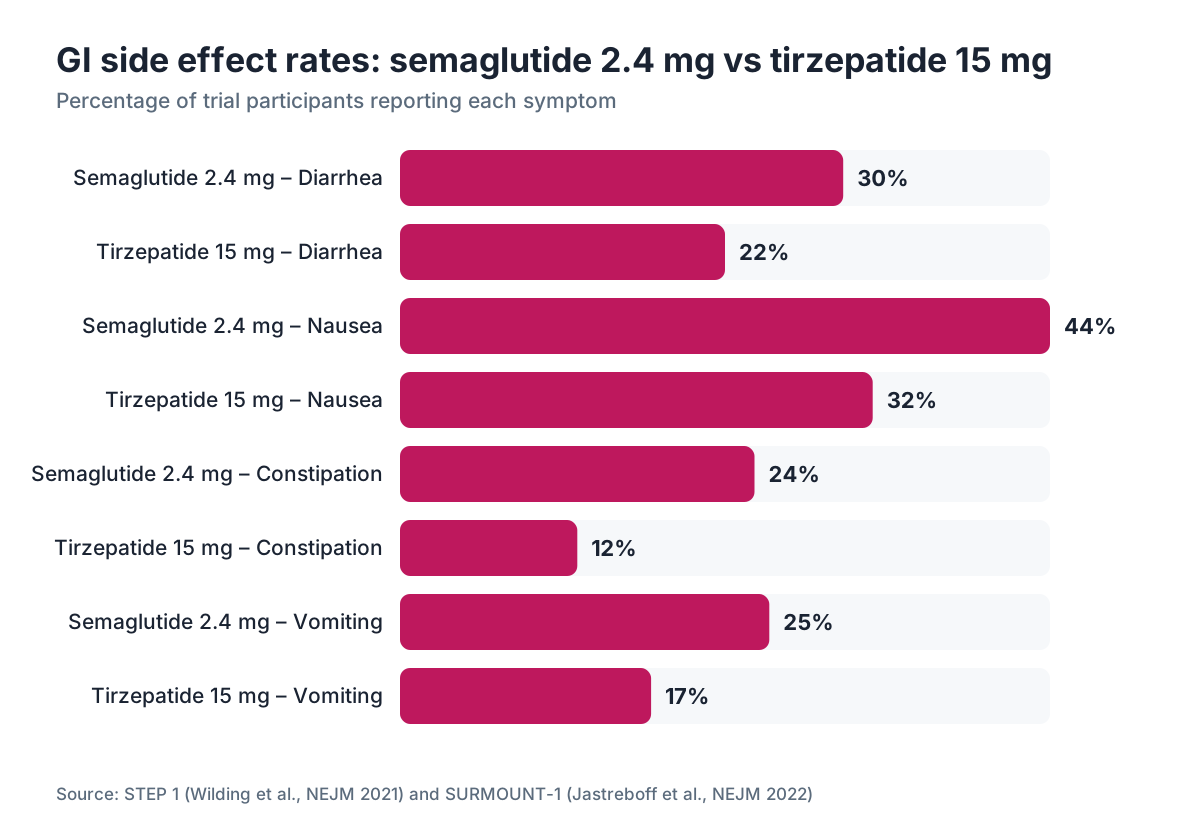
| Side Effect | Semaglutide 2.4 mg (STEP 1) | Tirzepatide 15 mg (SURMOUNT-1) | |---|---|---| | Diarrhea | 29.7% | 22.0% | | Nausea | 44.2% | 32.0% | | Vomiting | 24.8% | 16.5% | | Constipation | 24.2% | 11.6% |
Sources: Wilding et al. 2021 [1], Jastreboff et al. 2022 [10]
When should you call your doctor about diarrhea on semaglutide?
Call same day or go to urgent care if:
- Diarrhea is severe (more than 6 to 8 loose stools in 24 hours)
- You have signs of dehydration: dizziness, very dark urine, confusion, rapid heart rate
- You have severe abdominal or back pain alongside GI symptoms (possible pancreatitis)
- You see blood in your stool
- Diarrhea accompanies a fever above 101°F
Schedule a routine appointment if:
- Loose stools persist beyond four to six weeks at a stable dose
- You are losing weight faster than expected (more than 1.5 to 2 lb per week) and also have ongoing diarrhea, because malabsorption is possible
- Your diarrhea is significantly affecting sleep, work, or social life
- You are on medications where absorption timing matters (thyroid hormones, oral contraceptives, certain blood pressure medications) and you are worried about efficacy
For women managing menopause symptoms on hormone therapy, this last point matters. Oral estrogen and oral progesterone are both absorbed in the GI tract. Chronic diarrhea could theoretically reduce absorption, though the clinical significance of this interaction has not been well studied. Transdermal options like an estrogen patch sidestep this concern entirely.
Practical meal and lifestyle guide for women managing semaglutide GI symptoms
The dietary advice that helps most with semaglutide diarrhea is not complicated, but it requires some intentionality during dose escalation weeks.
Eat four to five small meals rather than two or three large ones. Aim for meals that take up about half the plate with lean protein, a quarter with cooked (not raw) vegetables, and a quarter with simple carbohydrates like white rice or plain pasta on rough days. This sounds anticlimactic compared to the high-fiber, plant-forward diet that is otherwise ideal, but your gut will thank you during the adaptation phase.
Cooked vegetables are easier on an already-sensitized gut than raw ones. Steamed carrots, zucchini, and green beans are better choices than a large raw salad during flare weeks.
Time your dose carefully. Most people inject semaglutide weekly. GI effects are often worst in the two to three days following injection. Some women find injecting on a Friday means the worst days fall over a weekend when they have more flexibility. That is not evidence-based advice, just practical.
Magnesium supplementation can be a double-edged sword here. Magnesium is commonly recommended during perimenopause for sleep and mood, and it has real benefits. But magnesium citrate and magnesium oxide have laxative effects at higher doses. If you are already dealing with semaglutide diarrhea, switch to magnesium glycinate, which has minimal laxative effect. [7]
Exercise helps overall gut function and reduces bloating, even if it feels counterintuitive when your gut is acting up. Light walking after meals is a reasonable first step.
Frequently asked questions
How long does diarrhea from semaglutide last?
Most people see diarrhea peak in the first one to two weeks after each new dose, then improve over the following two to three weeks as the body adapts. In the STEP 1 trial, GI adverse events were most common in the first 20 weeks of treatment and declined substantially after that. Diarrhea persisting beyond four to six weeks at a stable dose is worth discussing with your prescriber.
What percentage of semaglutide users get diarrhea?
In the STEP 1 trial of 2.4 mg semaglutide (Wegovy), 29.7% of participants reported diarrhea, compared to 16.1% on placebo. Lower doses used for diabetes (Ozempic at 1 mg) show rates of roughly 8 to 16%. Oral semaglutide (Rybelsus) shows about 9 to 10%. Higher doses consistently produce higher rates of GI side effects.
Can I take Imodium while on semaglutide?
Yes, loperamide (Imodium) is safe to use occasionally for acute diarrhea episodes on semaglutide. It slows gut motility and provides quick relief. It should not be used daily as a workaround for persistent diarrhea, which needs a real solution such as dose reduction or dietary changes. Check with your prescriber if you find yourself needing it more than a couple of times a week.
Does semaglutide cause diarrhea or constipation?
Both, at different times and sometimes alternately. Semaglutide slows gastric emptying and upper GI motility, which initially causes constipation and nausea. As the gut adapts and doses rise, diarrhea becomes more common. In the STEP 1 trial, about 24% of participants reported constipation and about 30% reported diarrhea, so many people experience both at different stages of treatment.
Why is my diarrhea worse after eating on semaglutide?
Eating triggers gut motility. On semaglutide, the upper GI tract is slowed but the colon may respond more vigorously to a meal stimulus. High-fat meals specifically worsen this because they trigger stronger GLP-1 responses and further delay gastric emptying, then dump a larger volume of partially digested food plus bile acids into the colon. Smaller, lower-fat meals usually reduce post-meal diarrhea significantly.
Should I stop semaglutide if I have bad diarrhea?
Not immediately, unless you are dehydrated, have severe pain, or see blood in your stool. The better first step is to call your prescriber and ask about slowing your titration, dropping back one dose level, or making dietary changes. About 4 to 5% of STEP trial participants discontinued due to GI events. Many others found that a dose reduction resolved symptoms while preserving weight loss benefits.
Is diarrhea a sign semaglutide is working?
Not exactly. Diarrhea is a side effect of GLP-1 receptor activation in the gut, not a marker of efficacy. People with and without GI side effects lose weight on semaglutide. Absence of diarrhea does not mean the drug is not working. Some women with no GI symptoms at all achieve excellent weight loss outcomes, particularly on slower titration schedules.
Can semaglutide diarrhea cause dehydration?
Yes, especially if it is frequent or accompanied by vomiting, which is also common on semaglutide. Dehydration signs include dark urine, dizziness when standing, muscle cramps, and a rapid resting heart rate. The FDA label for Ozempic and Wegovy specifically notes cases of acute kidney injury associated with GI side effects and dehydration. Oral rehydration with electrolytes, more than water, is important when diarrhea is occurring.
Does the diarrhea from semaglutide get better over time?
Yes, for most people. The STEP 1 trial showed that GI adverse events, including diarrhea, were most frequent in the first 20 weeks and declined as participants stabilized at their maintenance dose. The body adapts to chronic GLP-1 receptor activation. A small minority of people have ongoing symptoms throughout treatment and may need a dose reduction or to switch medications.
What foods should I avoid to reduce semaglutide diarrhea?
During dose escalation or flare periods, avoid high-fat meals, greasy or fried foods, raw cruciferous vegetables, coffee, alcohol, and very spicy food. These are all known gut irritants that worsen loose stools independently of semaglutide. Cooked vegetables, lean proteins, white rice, and plain foods are easier on a sensitized gut. This is not a permanent diet, just a strategy during the roughest adaptation weeks.
Could semaglutide diarrhea affect how well my other medications are absorbed?
Potentially yes, and this is underappreciated. Oral medications that depend on GI absorption, including thyroid hormones (levothyroxine), oral contraceptives, and oral hormone therapy, may be absorbed inconsistently if diarrhea is frequent. Transdermal hormone therapy options like an estrogen patch avoid this issue entirely. Talk to your prescriber if you are on time-sensitive medications and experiencing regular diarrhea.
Is semaglutide diarrhea different in women going through menopause?
There is no trial data specific to menopausal women and GI side effects from semaglutide. Clinically, declining estrogen already affects gut motility, microbiome composition, and gut sensitivity in many women. This may make GI side effects from GLP-1 agonists more pronounced during perimenopause and menopause. Women managing both hormonal changes and a GLP-1 medication benefit from coordinated care between their hormone and GLP-1 prescribers.
Does taking semaglutide with food help with diarrhea?
For the injectable form, food timing does not directly affect absorption since it is injected subcutaneously. But eating a small, low-fat meal rather than skipping food or eating a large meal around the time of your injection can reduce GI symptoms generally. For oral semaglutide (Rybelsus), it must be taken fasting, so food-timing strategies are limited to surrounding meals, not the dose itself.
Sources
- New England Journal of Medicine, Wilding et al. 2021 (STEP 1 trial)
- New England Journal of Medicine, SUSTAIN trial program (Ozempic phase 3)
- Lancet, PIONEER trial program (oral semaglutide)
- Alimentary Pharmacology & Therapeutics, Gerskowitch et al., sex differences in GI side effects of GLP-1 receptor agonists
- Gut Journal, Vijayvargiya et al., bile acid diarrhea and GLP-1
- New England Journal of Medicine, STEP 5 two-year extension trial, Garvey et al. 2022
- JAMA, Johnston et al. 2012, probiotics for prevention of antibiotic-associated diarrhea
- FDA, Ozempic and Wegovy prescribing information (label)
- FDA, compounded semaglutide safety alert
- New England Journal of Medicine, Jastreboff et al. 2022 (SURMOUNT-1 trial)