Semaglutide and alcohol: what actually happens in your body
TL;DR: Semaglutide (Ozempic, Wegovy) appears to lower alcohol cravings in many people, likely because GLP-1 receptors sit in the brain's reward system. Drinking on it also carries real risks: you get drunk faster, nausea gets worse, and blood sugar can drop. The standard clinical advice on any GLP-1 is one drink per occasion, with food.
What happens in your body when you mix semaglutide and alcohol?
Three things happen at once: alcohol sits in your stomach longer, your nausea gets worse, and your blood sugar can drop lower than either substance would cause alone.
Semaglutide is a GLP-1 receptor agonist. It attaches to glucagon-like peptide-1 receptors throughout the body. Most people know those receptors slow gastric emptying, quiet appetite, and steady blood sugar. What gets less attention is that GLP-1 receptors are densely packed in the brain too, including the ventral tegmental area and nucleus accumbens, the same reward circuitry that makes alcohol feel good. [1]
Alcohol on a full stomach is one thing. Alcohol on semaglutide is another. Because the drug slows how fast food and liquid leave your stomach, whatever you drink lingers. Slower emptying means a lower peak blood alcohol concentration, but the effect can arrive later and hit harder than you expect, especially after a small meal. One drink can feel like two.
Semaglutide also causes nausea, vomiting, and stomach upset on its own, worst in the first eight to twelve weeks. [2] Alcohol is a gut irritant in its own right. Stack them and the misery can be enough that some women stop drinking entirely, not by willpower but because their body made the decision for them.
Then there is the concern that matters most. Alcohol suppresses gluconeogenesis, the liver's ability to release stored glucose, and semaglutide lowers blood sugar through several mechanisms. Together they can push glucose lower than either alone. That risk is highest if you are also on insulin or a sulfonylurea, but it can catch anyone on a GLP-1, especially after a workout or a skipped meal. [3]
Does semaglutide actually reduce alcohol cravings?
For many people, yes. The effect is real, documented in a small trial and larger observational data, and it appears to come from GLP-1 activity in the brain's reward pathway. It is not universal.
Reports of a shrinking desire to drink started showing up in online forums within months of Ozempic's 2021 popularity surge. The science caught up fast.
A 2023 randomized controlled trial published in eBioMedicine tested semaglutide against placebo in people with alcohol use disorder. Those on semaglutide had fewer heavy drinking days and drank less by volume than the placebo group. [1] The study was small (N=48), so no conclusion is definitive, but the signal was real and dose-dependent.
Larger observational data point the same way. A 2023 analysis of insurance claims in Nature Communications compared patients prescribed semaglutide for type 2 diabetes against matched controls on other diabetes drugs. The semaglutide group had a lower rate of alcohol use disorder diagnoses and alcohol-related hospitalizations over follow-up. [4] That is an association, not proof, and confounding is possible. Still, the pattern repeats across data sources now.
The mechanism most researchers favor: GLP-1 signaling in the mesolimbic dopamine pathway blunts the dopamine spike that alcohol and other substances produce. Less reward, less craving, less compulsive drinking. Animal models using semaglutide and other GLP-1 agonists have reliably cut alcohol self-administration in rodents. [1]
For women in perimenopause or menopause, there is an extra angle. Falling estrogen is linked to higher risk of alcohol misuse and lower resilience to its effects. [6] If semaglutide quiets that reward signal, it may offer an accidental benefit to a group already at raised risk. Nobody has run the controlled trial in menopausal women specifically. That gap is still open.
If you want to see how GLP-1 medications compare for weight and metabolic effects, read our overview of semaglutide for weight loss.
What are the real risks of drinking on semaglutide?
The risks fall into three buckets: gastrointestinal, glycemic, and behavioral. Know all three before your next social event.
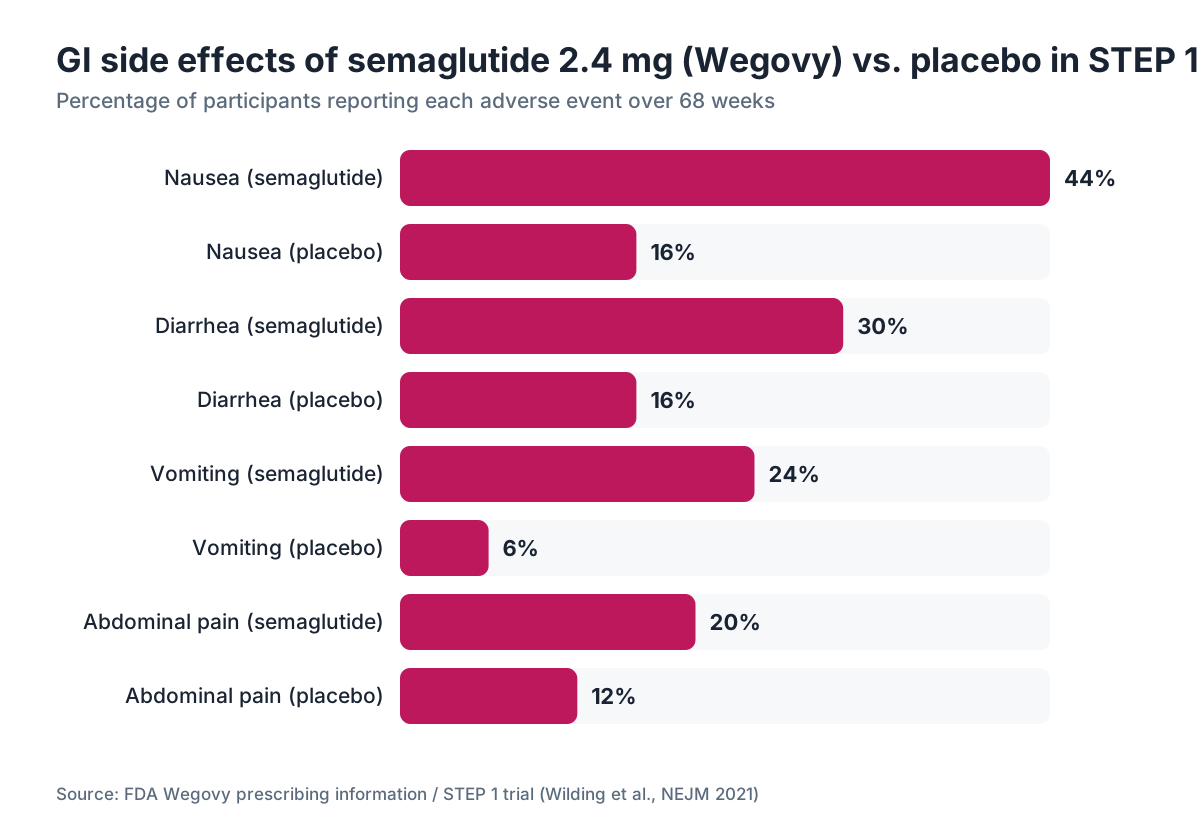
Gastrointestinal. Semaglutide's most common side effects are nausea (up to 44% of participants in the STEP 1 trial [2]), vomiting, diarrhea, and abdominal pain. Alcohol worsens every one of them, especially on dose-escalation weeks when GI symptoms peak. Women describe this combination as one of the most physically miserable things about the medication. It does no permanent harm. It is a powerful deterrent.
Glycemic. Alcohol blocks the liver from releasing glucose. Semaglutide alone rarely causes low blood sugar in people without diabetes, because its insulin-stimulating effect is glucose-dependent (it only triggers insulin when blood sugar is already up). But paired with other glucose-lowering drugs, or after hard exercise, or on an empty stomach, the combination can drop glucose enough to cause sweating, shakiness, confusion, or fainting. [3] The FDA label does not list alcohol as a contraindication, but the interaction is worth respecting.
Behavioral. This one is sneaky. If semaglutide genuinely dulls the reward from alcohol, some people feel they need more to get the usual effect, which can push the amount consumed up before the sense of being drunk catches up to the actual blood alcohol. This is based on individual reports rather than trial data, but clinicians have seen the pattern.
Pancreatitis is a rare but serious side effect of semaglutide. [2] Heavy alcohol use is an independent risk factor for pancreatitis. Combining two pancreatitis risk factors is a bad trade. The Wegovy label lists pancreatitis as a specific warning.
How much alcohol is actually safe to drink on semaglutide?
One standard drink per occasion, with food, is the practical ceiling most clinicians use. The FDA label sets no specific limit, so this is guidance built on the drug's known effects, not a printed rule.
The label lists the GI side effects, the hypoglycemia risk when combined with other agents, and the pancreatitis warning. [2] Clinicians turn that into something you can act on: if you drink, hold to one standard drink, eat before and during, and never drink on an empty stomach. A US standard drink is 14 grams of pure alcohol, which equals 12 oz of regular beer (~5%), 5 oz of wine (~12%), or 1.5 oz of distilled spirits (~40%). [5]
Why one drink? It is unlikely to cause low blood sugar in a person without diabetes who is not on insulin. It is unlikely to push GI symptoms past the point of needing help. Two or more drinks starts stacking risk, especially if your dose was recently raised or you skipped a meal.
A few things that help in practice:
- Sparkling wine and carbonated mixers tend to worsen bloating and nausea more than still options.
- Drinking slowly over at least an hour gives your body time to warn you before you are past good judgment.
- If you wear a CGM, checking your glucose the morning after drinking tells you a lot.
Women in perimenopause or menopause already metabolize alcohol differently than younger women, partly because falling estrogen changes liver enzyme activity and body water. [6] Add semaglutide's gastric effects and this is a group that should stay especially conservative.
Does alcohol affect how well semaglutide works for weight loss?
Yes, in both directions. Alcohol adds calories with no satiety benefit, which works against your deficit. But if semaglutide cuts your desire to drink, your deficit can improve without effort.
Alcohol carries 7 calories per gram, close to fat, and gives you essentially zero fullness. A glass of wine at dinner does not make you feel satisfied. For most people it does the opposite, lowering inhibition and nudging appetite up. On pure calorie math, regular drinking competes directly with the medication's effect.
The STEP 1 trial tested Wegovy 2.4 mg against placebo in adults with obesity and produced a mean weight loss of 14.9% of body weight over 68 weeks. [11] That trial did not split results by alcohol use, so there is no head-to-head of drinkers versus abstainers on semaglutide. General weight loss research is clearer: drinkers tend to lose less over time, partly from calories and partly because alcohol wrecks sleep and recovery.
Here is the twist. If semaglutide genuinely lowers your interest in alcohol, your deficit may improve on its own. Some women say the best surprise of a GLP-1 is that they drink less without trying. Real for some, absent for others.
Alcohol also degrades sleep quality, even in small amounts. Poor sleep raises cortisol and ghrelin, the hunger hormone, working against the appetite suppression you are paying for. The indirect effects can matter as much as the calorie count.
For how weight loss on GLP-1s compares between semaglutide and its main rival, read semaglutide vs tirzepatide.
Does semaglutide change your alcohol tolerance?
Yes, and it catches people off guard. Slower gastric emptying reshapes how alcohol is absorbed, so a single drink can feel weak for the first 45 minutes and then land hard.
Because emptying is slower on semaglutide, the absorption curve changes. Peak blood alcohol from a given amount may run lower but last longer. The rush you would normally expect within 20 to 30 minutes arrives later and lingers. Women report feeling fine at first, then suddenly quite drunk from one drink. [9]
A second mechanism piles on. If GLP-1 signaling dampens your reward circuitry, you may need more alcohol to reach the usual social ease. That makes it easy to misjudge how much you have had, because the subjective feeling lags while your blood alcohol climbs normally.
The honest answer: your tolerance on semaglutide is unpredictable until you test it carefully, meaning in a safe place with food, water, and time. Do not test it somewhere you have to drive home.
If you are perimenopausal, the hormone swings of that transition already shift alcohol sensitivity from week to week. Add semaglutide's gastric effects and the same glass of wine on a Tuesday can feel nothing like it does on a Saturday. [6]
Can semaglutide help treat alcohol use disorder?
Maybe, eventually. This is an area of legitimate research, not a clinical recommendation yet. Semaglutide is not FDA-approved for alcohol use disorder.
The eBioMedicine 2023 trial (N=48) found that weekly subcutaneous semaglutide cut heavy drinking days in people with alcohol use disorder, with statistical significance. [1] The authors concluded that "semaglutide reduced alcohol consumption and may warrant further investigation as a pharmacotherapy for alcohol use disorder." [1]
Larger trials are running. The National Institute on Alcohol Abuse and Alcoholism has funded multiple studies on GLP-1 agonists and substance use, and Phase 2 work with semaglutide in alcohol use disorder is underway.
The approved medications for alcohol use disorder are naltrexone, acamprosate, and disulfiram. If you have the disorder and you are on a GLP-1, your prescriber should know both facts so they can monitor you properly.
The fair framing: there is a real signal that GLP-1 agonists lower the brain's reward response to alcohol, and it is consistent across animal models, observational studies, and one small RCT. Whether semaglutide becomes a standard treatment depends on the large trials now recruiting. Plausible. Not proven.
Are there special considerations for women, especially around menopause?
Yes. Women reach a higher blood alcohol level per drink than men, and menopause raises that further. Layered with semaglutide, alcohol tolerance often drops faster than women expect.
Start with metabolism. Women have lower gastric alcohol dehydrogenase, the enzyme that breaks down alcohol in the stomach lining, than men. More of any drink reaches the bloodstream, producing higher blood alcohol per drink. [6] This holds independent of body weight. A 150-pound woman peaks higher than a 150-pound man after the same drink.
Menopause adds to it. Falling estrogen shifts body composition toward less lean mass and more fat mass, which raises alcohol concentration per drink again. Some research ties the anxiety and disrupted sleep of perimenopause to drinking as a coping strategy, understandable but self-defeating, since alcohol makes hot flashes and night sweats worse. [6]
The GI side matters too. Hormonal changes in perimenopause already slow gut motility. Semaglutide's gastric-emptying effect can compound bloating and constipation, and alcohol on top can swing you the other way into diarrhea and cramping. None of this is dangerous alone. The combination is worth knowing before a dinner party.
The women we work with at WomenRx who are on semaglutide and also in perimenopause or menopause consistently report their alcohol tolerance dropping faster than they expected. That tracks with the physiology.
For more on the hormonal shifts happening alongside a GLP-1 prescription, see our guides on perimenopause age and hormone replacement therapy. If you are managing both weight and menopause symptoms, semaglutide for weight loss has more on what to expect.
What does the semaglutide label actually say about alcohol?
It does not list alcohol as contraindicated. That silence leads some patients to assume alcohol is fine, which is not quite right. The label flags three things that alcohol makes worse.
The FDA prescribing information for Wegovy (semaglutide 2.4 mg) and Ozempic (semaglutide 0.5 to 2 mg) includes:
- Risk of hypoglycemia with other agents that lower blood sugar, relevant to anyone who drinks on an empty stomach or exercises hard before drinking
- Acute pancreatitis as a warning, with instruction to stop semaglutide if pancreatitis is suspected
- GI adverse reactions (nausea 44%, diarrhea 30%, vomiting 24%, abdominal pain 20% in STEP 1), all independently worsened by alcohol [2]
The Novo Nordisk patient leaflet advises limiting alcohol because of the blood sugar interaction, though the exact wording differs between the Ozempic and Wegovy versions.
The practical guidance from the American Diabetes Association and general prescribing practice is to keep alcohol to moderate intake (up to one drink per day for women) and drink it with food. [3] That standard applies with extra weight when GI side effects are active.
For more on the medication itself, including how dosing works and what the first weeks feel like, see our full semaglutide overview.
How should you actually manage alcohol if you are on semaglutide?
Time your drinks away from injection day, always eat first, pick low-irritant options, hydrate, and tell your prescriber the truth. Those five habits cover most of the risk.
Time it. GI side effects are worst in the 48 to 72 hours after your weekly injection. Schedule social drinking at the far end of the cycle, days five to seven for most people.
Eat first and during. A meal with protein and fat slows alcohol absorption further and gives you glucose to counter any drop in blood sugar. Never drink on an empty stomach on a GLP-1.
Choose gentler drinks. A dry wine or light beer is less likely to trigger nausea than a sugary cocktail or a fizzy drink. Sugar and carbonation add GI irritation on top of the alcohol.
Hydrate between drinks. Semaglutide users often run mildly dehydrated because low appetite means low fluid intake, and alcohol is a diuretic. One glass of water per drink is not overkill.
Tell your prescriber honestly. Not for a lecture. Your drinking affects how they read your weight trajectory, your labs (alcohol raises triglycerides and can falsely bump liver enzymes), and your pancreatitis risk.
For women on semaglutide and hormone therapy, the picture gets more layered. Estrogen affects liver metabolism of both alcohol and exogenous hormones. If you are also on an estrogen patch or oral estrogen, your prescriber needs the whole picture.
If you are weighing compounded options against brand-name semaglutide, our guide on compounded semaglutide covers what differs and what to watch for.
Frequently asked questions
Can I drink wine on semaglutide?
Yes, but hold it to one standard glass (5 oz) and eat a meal first. Wine on semaglutide is processed more slowly because of delayed gastric emptying, so it can hit harder and later than expected. Women in perimenopause or menopause are especially sensitive because falling estrogen already raises blood alcohol per drink. Two glasses can feel like four. If your GI side effects are still active, skip it.
Why do I feel drunk faster on semaglutide?
Semaglutide slows gastric emptying, which changes how alcohol is absorbed. Your peak blood alcohol shifts, arriving later and often feeling stronger than you expect. The same amount that was manageable before the drug now produces a more pronounced effect. It is not dangerous in a controlled setting, but your old sense of your limits no longer applies. Test carefully somewhere you do not have to drive.
Does alcohol affect semaglutide's effectiveness for weight loss?
Alcohol delivers 7 calories per gram with no real satiety, so regular drinking competes with the deficit semaglutide creates. It also degrades sleep, raising cortisol and ghrelin, which works against appetite suppression. No randomized trial compares semaglutide weight loss in drinkers versus abstainers, but the physiology favors limiting alcohol to protect your results. Many women also find their desire to drink drops on the drug, which helps the math on its own.
Can semaglutide help with alcohol cravings or addiction?
Possibly. A 2023 randomized trial in eBioMedicine found semaglutide cut heavy drinking days in people with alcohol use disorder. Insurance claims data showed lower rates of AUD diagnoses among people on semaglutide. The likely mechanism is GLP-1 receptor activity in the brain's reward circuitry. Semaglutide is not FDA-approved for AUD, and larger trials are ongoing. It should not replace naltrexone or other approved treatments without clinical guidance.
What happens if you drink heavily on semaglutide?
Heavy drinking on semaglutide sharply raises the risk of severe nausea and vomiting, dangerous low blood sugar (especially on an empty stomach or with other glucose-lowering drugs), and potentially pancreatitis, since both alcohol and semaglutide independently raise that risk. Heavy use also undoes the weight loss and metabolic benefits. Most clinicians recommend no more than one drink per occasion and advise against binge drinking entirely.
Can I have a beer on semaglutide?
One beer (12 oz, roughly 5%) is generally acceptable with food. Carbonated drinks worsen bloating and nausea more than still options, so if you are early in treatment or on a dose-escalation week, a non-carbonated drink or a small glass of wine may sit better. Same rule as always: eat first, drink slowly, stop at one, at least until you know how your body responds.
Does semaglutide interact with alcohol to cause low blood sugar?
In people without diabetes who are not on insulin or sulfonylureas, semaglutide alone rarely causes low blood sugar because its insulin-stimulating effect is glucose-dependent. But alcohol blocks the liver from releasing stored glucose, and combined with semaglutide, hard exercise, or skipped meals, glucose can drop enough to cause symptoms. People on semaglutide plus insulin or another diabetes drug face higher risk and should monitor glucose closely when drinking.
Should I avoid alcohol completely on semaglutide?
Total avoidance is not required by the FDA label, but there are real reasons to be conservative. If you have active GI side effects, a history of pancreatitis, or you are on additional glucose-lowering drugs, zero drinks is reasonable. For others, one drink per occasion with food is the standard guidance. Abstaining during the first eight to twelve weeks of dose escalation, when nausea peaks, makes sense and is easier than most women expect.
Does semaglutide reduce alcohol cravings in everyone?
No. The effect on cravings is real and documented, but it is not universal. Some women report a sharp drop in the desire to drink within weeks. Others notice nothing. The variability likely reflects differences in baseline GLP-1 receptor density in reward regions of the brain. If you are hoping semaglutide will lower your intake, it might, but it should not be prescribed for that purpose without added support and clinical oversight.
How long after taking semaglutide can I drink alcohol?
Semaglutide is a weekly injection with a half-life of about one week, so unlike a daily pill, there is no clean window where it is less active. The GI side effects are worst 24 to 72 hours after injection. Spacing alcohol to days five through seven of your weekly cycle, furthest from injection day, produces the least GI overlap. The metabolic effects, including slowed gastric emptying, persist all week.
Does alcohol make semaglutide side effects worse?
Yes, reliably. Nausea and vomiting are the most common semaglutide side effects, and alcohol is an independent gut irritant. Together they can produce much worse nausea, prolonged vomiting, and abdominal pain than either alone. The effect is strongest early in treatment and on dose-escalation weeks. Most women who go through a bad combination of semaglutide and alcohol treat it as a strong reason to drink less going forward.
Can semaglutide affect how alcohol affects my hormones?
Directly, there is no strong evidence. Indirectly, semaglutide-driven weight loss can shift estrogen levels, because fat tissue produces estrogen, so less fat means less peripheral estrogen production, which affects alcohol metabolism and sensitivity. For perimenopausal and menopausal women, this layering makes alcohol response hard to predict month to month. Tracking how you feel after even small amounts during your first few months on semaglutide is genuinely useful data.
Is it safe to drink alcohol while taking compounded semaglutide?
The same pharmacology applies to compounded semaglutide as to brand-name Ozempic or Wegovy, assuming the active ingredient is genuine semaglutide. The risks around alcohol, GI side effects, gastric emptying, and low blood sugar do not change with compounding. What can differ is dosing precision, which affects side effect severity. If your compounded dose was recently adjusted, that is one more reason to go easy on alcohol until you know how the new dose feels.
Sources
- eBioMedicine (The Lancet Discovery Science), 2023: Semaglutide reduces alcohol consumption in patients with alcohol use disorder
- FDA prescribing information for Wegovy (semaglutide injection 2.4 mg), Novo Nordisk, 2021 approval
- American Diabetes Association, Standards of Care in Diabetes 2024, Section 5: Facilitating Behavior Change and Well-being
- Nature Communications, 2023: GLP-1 receptor agonist use and risk of alcohol use disorder in patients with type 2 diabetes
- National Institute on Alcohol Abuse and Alcoholism (NIAAA): What is a standard drink?
- National Institute on Alcohol Abuse and Alcoholism (NIAAA): Women and alcohol
- Advances in Therapy, 2022: Gastric emptying and GLP-1 receptor agonists (systematic review), Springer
- NIAAA: Harmful interactions, mixing alcohol with medicines
- New England Journal of Medicine, STEP 1 trial: Once-Weekly Semaglutide in Adults with Overweight or Obesity, Wilding et al., 2021