Semaglutide: what it is, how it works, and what to expect
TL;DR: Semaglutide is a GLP-1 receptor agonist approved for type 2 diabetes (Ozempic) and chronic weight management (Wegovy). It slows gastric emptying, quiets appetite, and improves insulin signaling. In the STEP 1 trial, participants lost an average of 14.9% of body weight over 68 weeks. Nausea is the most common side effect and usually fades within 4 to 8 weeks of a dose increase.
What is semaglutide and what is it approved to treat?
Semaglutide is a synthetic version of glucagon-like peptide-1 (GLP-1), a hormone your gut releases after you eat. It binds to GLP-1 receptors throughout the body, including the pancreas, stomach, and brain. That binding does three things at once: it tells the pancreas to release more insulin when blood sugar is high, it tells the stomach to empty more slowly, and it signals the hypothalamus that you're full.
The FDA has approved two semaglutide products. Ozempic (0.5 mg, 1 mg, and 2 mg weekly injection) is approved for type 2 diabetes and, since 2020, for reducing cardiovascular risk in adults with type 2 diabetes and established heart disease [1]. Wegovy (2.4 mg weekly injection) is approved for chronic weight management in adults with a BMI of 30 or higher, or 27 or higher with at least one weight-related condition [2]. Rybelsus is the oral tablet form, approved for type 2 diabetes only.
Semaglutide is not a short-term diet drug. Both Wegovy's label and the clinical trial data treat it as a long-term medication, meaning weight returns when you stop taking it. The STEP 1 extension study found that participants regained about two-thirds of the weight they had lost within one year of stopping the drug [3].
For women specifically, there are reasons this class of medication has gotten so much attention. Perimenopausal and menopausal hormonal shifts tend to increase visceral fat and insulin resistance, making weight management harder than it was at 35. Semaglutide for weight loss covers the clinical evidence in more detail, but the short version is that the drug addresses a metabolic mechanism, more than calorie intake.
How does semaglutide work in the body?
GLP-1 is normally released from intestinal L-cells within minutes of eating, then broken down by an enzyme called DPP-4 within about two minutes. Natural GLP-1 has a half-life so short it barely does anything therapeutically. Semaglutide gets around this by binding tightly to albumin in the blood, which protects it from DPP-4. Its half-life is roughly seven days, which is why a once-weekly injection maintains a steady drug level [4].
In the pancreas, semaglutide amplifies glucose-dependent insulin secretion. That phrase matters: the drug only prompts insulin release when blood sugar is actually elevated, which is why hypoglycemia is rare unless you combine it with sulfonylureas or insulin. In the stomach, delayed gastric emptying means food moves more slowly into the small intestine, which blunts post-meal glucose spikes and extends feelings of fullness. In the brain, GLP-1 receptors in the hypothalamus and brainstem receive satiety signals; semaglutide appears to reduce activity in reward-related brain regions associated with food cravings, though human neuroimaging studies are still ongoing.
For women in perimenopause, there is a secondary mechanism worth knowing about. Declining estrogen increases visceral adiposity and worsens insulin sensitivity. Semaglutide improves insulin sensitivity independently of weight loss, which is one reason some women notice metabolic improvements even before they have lost substantial weight. See menopause for context on how hormonal changes alter metabolism.
What are the side effects of semaglutide?
Most semaglutide side effects are gastrointestinal, and most are tied to the dose. The STEP 1 trial (n=1,961) reported nausea in 44.2% of the Wegovy group versus 16.1% of placebo, diarrhea in 29.7% versus 15.9%, vomiting in 24.5% versus 6.8%, and constipation in 24.2% versus 11.1% [3]. Those numbers look alarming, but the discontinuation rate due to GI side effects was 4.3%, meaning the vast majority of people tolerate them.
The dose-escalation schedule is designed specifically to reduce GI burden. Wegovy starts at 0.25 mg weekly for four weeks, then steps up every four weeks until reaching 2.4 mg. Nausea tends to spike after each dose increase, then settles as the body adjusts. Most people experience the worst nausea in the first two to four weeks at a new dose.
Beyond GI symptoms, the label carries several important warnings [2]:
- Thyroid C-cell tumors: semaglutide caused thyroid tumors in rodent studies. The FDA requires a black-box warning. Human relevance is not established, but the drug is contraindicated in anyone with a personal or family history of medullary thyroid carcinoma or Multiple Endocrine Neoplasia syndrome type 2.
- Pancreatitis: cases have been reported. Stop the drug if you develop severe, persistent abdominal pain.
- Gallbladder disease: cholelithiasis (gallstones) and cholecystitis occurred more frequently in trials. Rapid weight loss itself increases gallstone risk, so this is partly a weight-change effect.
- Acute kidney injury: mostly secondary to dehydration from GI symptoms. Stay hydrated.
- Heart rate increase: semaglutide raises resting heart rate by 1 to 4 beats per minute on average, a small but real effect.
Hair loss (telogen effluvium) shows up frequently in patient reports and is listed in post-marketing surveillance. It is almost certainly a result of rapid weight loss and calorie restriction rather than the drug itself, but the distinction does not matter much to the woman who is seeing more hair in the drain. It is usually temporary.
One side effect that does not get enough attention: muscle mass loss. In the STEP 1 trial, roughly 39% of the total weight lost was lean mass, which is high relative to lifestyle intervention alone [3]. This matters a lot for women over 40 because muscle mass is already declining with age. Resistance training and adequate protein intake (many clinicians suggest 1.2 to 1.6 g per kg of body weight) are not optional if you are on semaglutide and care about long-term metabolic health. Bone density test is worth considering if you are also postmenopausal, because lean mass loss and bone loss often travel together.
How long do semaglutide side effects last?
The honest answer is: it depends on the side effect.
Nausea is the most common and the most time-limited. In clinical practice, most prescribers see nausea peak within the first one to two weeks after each dose increase and then diminish substantially over the following four to six weeks. By the time patients reach their maintenance dose, the majority report nausea as mild or absent. A 2022 analysis of STEP trial data found that GI adverse events were most frequent in the dose-escalation period and decreased to rates approaching placebo during the maintenance phase [3].
Constipation tends to be more persistent than nausea. It can last throughout treatment for some people. Adequate fiber, hydration, and physical activity help. Some clinicians add magnesium or a stool softener.
Vomiting follows the same pattern as nausea but is less common at steady state.
Fatigue and reduced appetite are not exactly side effects, they are pharmacodynamic effects of the drug working. They tend to persist, which is actually the mechanism of action.
Hair loss, if it occurs, typically appears two to four months after the most rapid phase of weight loss and resolves within six to twelve months without any intervention, assuming weight has stabilized.
The rare but serious side effects (pancreatitis, gallbladder disease) can occur at any point during treatment and do not follow a predictable timeline.
If your side effects are severe enough that you are not eating or drinking, that is not a tolerance phase, that is a reason to call your prescriber. Dehydration from prolonged vomiting or diarrhea is the most direct path to acute kidney injury on this medication.
Tirzepatide vs semaglutide side effects: how do they compare?
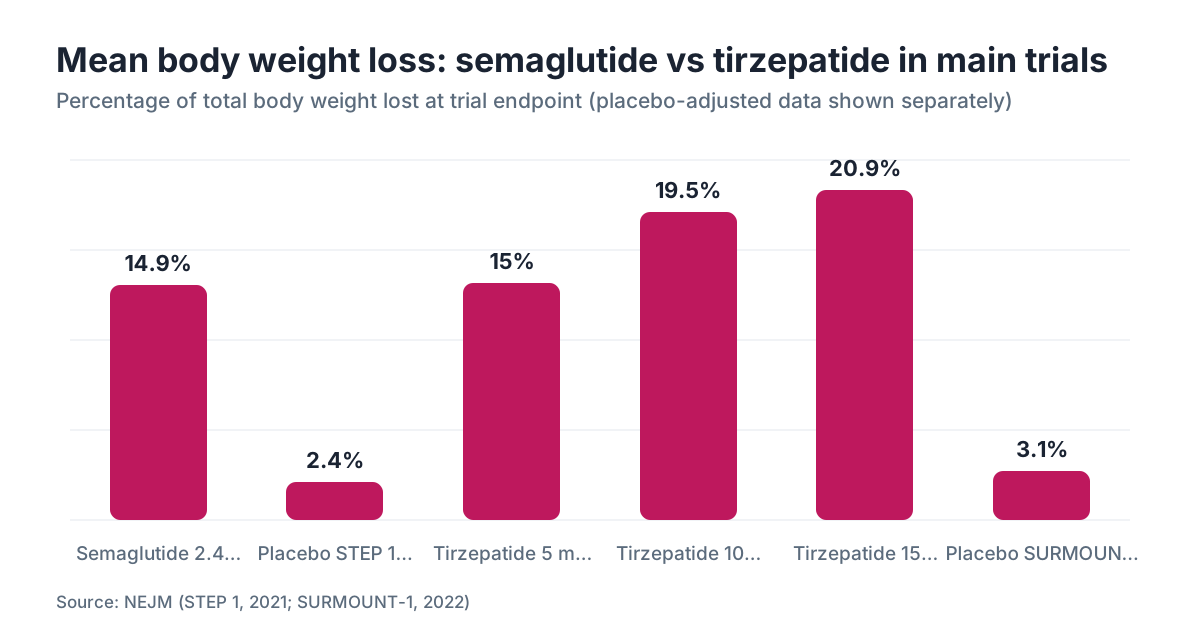
Tirzepatide (Mounjaro for diabetes, Zepbound for weight loss) activates both GLP-1 receptors and GIP receptors, while semaglutide activates only GLP-1. The dual mechanism produces greater average weight loss. The SURMOUNT-1 trial found that tirzepatide at the 15 mg dose produced a mean weight reduction of 20.9% at 72 weeks, compared to 14.9% for semaglutide at 2.4 mg in STEP 1 [5].
The side effect profiles are similar, because both drugs work partly through GLP-1 receptor activation. Nausea, vomiting, diarrhea, and constipation are the leading GI complaints for tirzepatide as well. In SURMOUNT-1, nausea occurred in about 32% of participants on the 15 mg dose, which is somewhat lower than the 44% seen with semaglutide in STEP 1, though cross-trial comparisons are imperfect [5].
Head-to-head data from the SURPASS-6 trial (in insulin-treated type 2 diabetes) and the SURMOUNT-5 trial (obesity) give a cleaner comparison. SURMOUNT-5, which compared tirzepatide 10 mg and 15 mg directly against semaglutide 2.4 mg, found 47% of tirzepatide participants versus 18% of semaglutide participants achieved 25% or more total body weight loss [6].
For the side-effect-sensitive patient, the clinical impression is that tirzepatide may cause slightly less nausea at equivalent weight-loss doses, but this is not a settled question. Constipation may be more common with tirzepatide. Neither drug has a clearly better tolerability profile across all patients.
Cost and availability differ. Wegovy's list price is approximately $1,349 per month without insurance (as of mid-2025). Zepbound's list price is approximately $1,059 per month without insurance, though self-pay vial pricing through Eli Lilly's direct program is lower. Semaglutide vs tirzepatide covers the clinical tradeoffs in more depth.
| Drug | Mechanism | Mean weight loss (main trial) | Nausea rate | Approx. list price/month | |---|---|---|---|---| | Semaglutide 2.4 mg (Wegovy) | GLP-1 agonist | 14.9% (STEP 1) | 44% | ~$1,349 | | Tirzepatide 15 mg (Zepbound) | GLP-1 + GIP agonist | 20.9% (SURMOUNT-1) | 32% | ~$1,059 | | Tirzepatide 10 mg (Zepbound) | GLP-1 + GIP agonist | 19.5% (SURMOUNT-1) | 25% | ~$1,059 |
What do the STEP trials actually show about semaglutide weight loss results?
The STEP program is a series of four large phase 3 trials that supported FDA approval of Wegovy. STEP 1 enrolled 1,961 adults with obesity (no diabetes), randomized to semaglutide 2.4 mg or placebo plus lifestyle intervention over 68 weeks. Mean weight loss was 14.9% in the semaglutide group versus 2.4% in placebo. 69.1% of the semaglutide group lost 10% or more of body weight, compared to 12% of placebo [3].
STEP 2 focused on adults with type 2 diabetes. Weight loss was lower, averaging 9.6% at the 2.4 mg dose, which is expected because diabetes medications affect glucose regulation in ways that blunt some of the weight-loss response.
STEP 3 added intensive behavioral therapy and found slightly greater weight loss (16.0%) but also a higher discontinuation rate, which suggests intensive intervention does not always add tolerability [11].
STEP 4 is the most informative trial for understanding what happens when you stop. Participants who had already lost weight on semaglutide for 20 weeks were randomized to continue or switch to placebo. Those who switched regained a mean of 6.9% of their original body weight within 48 weeks while those who continued lost a further 7.9% [7]. This is the clearest evidence that semaglutide is a long-term medication, not a course of treatment.
The SELECT trial, published in 2023, showed that semaglutide 2.4 mg reduced major adverse cardiovascular events by 20% in adults with overweight or obesity and established cardiovascular disease but without diabetes, which is what triggered the expanded cardiovascular indication [1].
For women specifically, none of the STEP trials stratified primary outcomes by menopausal status, which is a real gap in the literature. Some secondary analyses suggest that hormonal environment may affect the weight-loss response, but there is no large prospective trial designed to answer that question.
Is semaglutide safe during perimenopause and menopause?
No large randomized trial has specifically enrolled perimenopausal or postmenopausal women as a primary cohort, so the direct evidence is thinner than any of us would like. What we do have: the STEP trials enrolled women 18 and older, and the majority of participants in STEP 1 were women (73.9%) with a mean age of 46, meaning a substantial portion were likely in perimenopause or early postmenopause, though this was not analyzed separately [3].
The metabolic logic is sound. Declining estrogen raises visceral fat, worsens insulin resistance, and shifts the fat distribution toward abdominal rather than subcutaneous stores. Semaglutide targets exactly this metabolic pattern. Several clinical endocrinologists have noted that GLP-1 agonists may be especially effective in the perimenopausal window for this reason, though this remains a clinical impression rather than a published trial finding.
What does interact with menopause status: hormone replacement therapy and semaglutide are not contraindicated together. HRT (particularly estrogen therapy) has its own favorable effect on visceral fat and insulin sensitivity. Hormone replacement therapy and estrogen patch are worth reading if you are weighing both treatments. Some women and their clinicians use both simultaneously, treating the hormonal environment with HRT and the weight and metabolic component with a GLP-1. There is no pharmacokinetic interaction between semaglutide and estrogen, progesterone, or combined HRT. The clinical decision comes down to individual cardiovascular and cancer risk, not drug interactions.
Bone health is a concern. Rapid weight loss increases bone resorption. In postmenopausal women, who already face accelerated bone loss from estrogen deficiency, the combination is worth monitoring. A DEXA scan before starting semaglutide and after twelve to eighteen months of treatment is reasonable if you are postmenopausal. Some clinicians also recommend calcium (1,200 mg daily) and vitamin D (800 to 2,000 IU) throughout treatment.
WomenRx provides GLP-1 prescriptions specifically for women and takes menopausal status into account as part of the intake process, which matters because a one-size-fits-all GLP-1 protocol misses several important clinical variables.
What is compounded semaglutide and is it the same drug?
Compounded semaglutide became widely available between 2022 and 2024 when Wegovy and Ozempic were on the FDA's drug shortage list. Under federal law (21 U.S.C. 503A and 503B), licensed compounding pharmacies can prepare copies of drugs that are in shortage [12]. Hundreds of telehealth companies and compounding pharmacies began selling semaglutide base compound or semaglutide sodium at prices well below brand-name products.
In February 2025, the FDA declared the Wegovy shortage resolved and sent notice that compounding pharmacies must stop making copies of semaglutide. The enforcement timeline has faced legal challenges from compounders, and as of mid-2025 the situation remains in flux. The FDA's stated position is that once a shortage is resolved, compounded versions are no longer legal under 503A and 503B [8].
The clinical question is whether compounded semaglutide is equivalent. The FDA has said it has not verified the purity, potency, or sterility of compounded versions and does not consider them equivalent to the FDA-approved products. Independent testing by some academic labs has found that some compounded products do not contain the labeled concentration. That said, many compounding pharmacies follow USP <797> sterile compounding standards and have clean track records.
Some compounded formulations also add vitamin B12, NAD+, or other additives. There is no published trial evidence that these additions improve outcomes, and the additives are not part of the FDA-approved formulation.
If you are currently on compounded semaglutide and it is working well without side effects, the most pressing question is whether your source will remain legal and reliable as enforcement evolves. Compounded semaglutide covers the regulatory timeline in more detail.
How do you manage semaglutide side effects in practice?
The most effective strategy is a slow dose escalation. Wegovy's official titration (0.25 mg for 4 weeks, then 0.5 mg, 1 mg, 1.7 mg, and 2.4 mg each for 4 weeks) is the minimum; many clinicians extend each step to 8 weeks for patients with significant GI sensitivity. There is no clinical penalty for a slower titration. You will get to steady state, it will just take longer.
For nausea specifically: eat smaller portions, avoid high-fat and high-sugar meals near injection day, eat slowly, and avoid lying down after eating. Ginger (tea or capsules) has modest evidence for pregnancy nausea and is commonly used off-label here. Anti-nausea medications like ondansetron are sometimes prescribed for the first few weeks if nausea is severe enough to interfere with function.
For constipation: increase soluble fiber (psyllium husk is practical), drink at least 64 oz of water daily, and walk. Magnesium glycinate 200 to 400 mg at bedtime helps many patients. If this is still not working, polyethylene glycol (MiraLax) is safe to add.
For muscle loss: this is the side effect that is hardest to manage by medication. The evidence is clear that resistance training at least two to three times per week substantially reduces the proportion of weight lost as lean mass. Adequate dietary protein matters equally. If you are eating 1,200 calories per day on semaglutide, make sure 100 to 130 g of that is protein.
For hair loss: there is no treatment proven to prevent semaglutide-related telogen effluvium beyond slowing the rate of weight loss. Most cases resolve on their own within 6 to 12 months.
For injection site reactions: rotate sites (abdomen, thigh, upper arm). The pen should be at room temperature before injection. Pain and bruising are more common when injecting cold.
Who should not take semaglutide?
The FDA label lists the following contraindications [2]:
- Personal or family history of medullary thyroid carcinoma
- Multiple Endocrine Neoplasia syndrome type 2 (MEN 2)
- Hypersensitivity to semaglutide or any component of the formulation
Beyond hard contraindications, the drug requires clinical caution (and in some cases should be avoided) in several situations:
Pregnancy: semaglutide is FDA Category X equivalent. Animal studies show fetal harm. Women who could become pregnant should use effective contraception. Importantly, oral contraceptives have reduced absorption when gastric emptying is delayed, meaning semaglutide may reduce the efficacy of oral birth control pills. Non-oral contraception is preferred.
Gallbladder disease history: if you have had gallstones or cholecystitis, the added risk from weight-loss-related gallstone formation warrants a conversation with your prescriber.
Pancreatitis history: the causal relationship between GLP-1 agonists and pancreatitis is still debated, but most clinicians avoid semaglutide in anyone with a prior episode.
Severe gastroparesis: semaglutide slows gastric emptying further, which can worsen gastroparesis substantially. It is generally contraindicated in this population.
Severe renal or hepatic impairment: no dose adjustment is required by the label, but the dehydration risk from GI side effects warrants extra monitoring in patients with existing kidney disease.
If you are on hormone replacement therapy or progesterone, these do not contraindicate semaglutide. The combination is used clinically without known pharmacokinetic interaction.
How much does semaglutide cost and will insurance cover it?
Brand-name Wegovy has a list price of approximately $1,349 per month as of 2025. Ozempic (used off-label for weight loss) has a list price of approximately $936 per month [9]. These are before insurance, manufacturer coupons, or assistance programs.
Coverage is inconsistent. Medicare Part D, under the Inflation Reduction Act, began covering Wegovy in 2024 specifically for cardiovascular risk reduction in patients who qualify under the SELECT trial indication (obesity or overweight with established cardiovascular disease). Broader Medicare coverage for weight management alone was not included in that expansion [10]. Medicaid coverage varies by state, with about 17 states covering GLP-1s for obesity as of early 2025.
Private insurance coverage has expanded but is not universal. Many employer-sponsored plans exclude weight-loss drugs by category, even if the drug has an FDA weight-management indication. The practical reality is that insurance denial is common on the first attempt, and prior authorization requires documentation of BMI, comorbidities, and prior weight-loss interventions.
Novo Nordisk's savings card has capped patient cost at $25 to $99 per month for commercially insured patients who qualify, but the terms change frequently and are income-limited.
Compounded versions, where still legally available, have ranged from $150 to $500 per month, which is why they became so popular. The regulatory uncertainty around compounding means this option may not persist. Compounded semaglutide has current information on what is still available.
How is semaglutide different from older weight-loss medications?
The older generation of FDA-approved weight-loss drugs, including phentermine-topiramate (Qsymia), naltrexone-bupropion (Contrave), and orlistat, produce average weight losses of roughly 3 to 9% of body weight in trials, with significant tolerability issues. Phentermine alone, the most prescribed weight-loss drug for decades, produces about 3 to 5% weight loss and carries cardiovascular risks that preclude long-term use in many patients.
Semaglutide's 14.9% mean weight loss in STEP 1 is categorically different from these older agents. For clinical context, bariatric surgery (Roux-en-Y gastric bypass) produces average weight loss of 25 to 35% over one to two years. Semaglutide sits between lifestyle intervention and surgery, which is a genuinely new clinical category.
The mechanism is also different. Older drugs largely worked through sympathomimetic appetite suppression (phentermine) or intestinal fat absorption blocking (orlistat). Semaglutide modulates the same hormonal pathways the gut uses to regulate hunger and glucose, which is why the satiety effects feel different to patients, less like willpower enhancement and more like a genuine shift in hunger signals.
For women experiencing perimenopausal weight changes, this distinction matters. Perimenopausal weight gain is driven more by insulin resistance and fat redistribution than by simple caloric excess, and semaglutide addresses that mechanism more directly than stimulant-based appetite suppressants. Reading perimenopause age and when does menopause start may help clarify whether that hormonal context applies to you.
WomenRx's clinical team approaches GLP-1 prescribing in the context of a full hormonal picture, including whether HRT would address some of the same metabolic drivers, which is worth thinking about before starting any single agent.
Frequently asked questions
How long does it take for semaglutide to start working?
Most people see appetite changes within the first one to two weeks of starting semaglutide, even at the lowest 0.25 mg dose. Measurable weight loss typically begins by week four. Meaningful clinical weight loss (5% or more of body weight) usually appears by weeks 12 to 16 at escalating doses. The full effect at the 2.4 mg maintenance dose generally takes 16 to 20 weeks to achieve, since the titration period requires that long.
Can you take semaglutide if you are on hormone replacement therapy?
Yes. There is no known pharmacokinetic interaction between semaglutide and estrogen, progesterone, or combined HRT. Some clinicians combine them deliberately: HRT addresses vasomotor symptoms and bone health, while semaglutide addresses visceral fat and insulin resistance. The one caution is oral contraceptives or oral progesterone, where delayed gastric emptying could theoretically reduce peak absorption. Non-oral hormone delivery (patch, ring, gel) avoids this variable entirely.
What foods should you avoid on semaglutide?
High-fat meals and very rich foods are the main trigger for nausea, especially in the first weeks at a new dose. Carbonated drinks, alcohol, and large portions worsen GI symptoms for most people. Practical adjustments include eating five small meals rather than three large ones, avoiding greasy or spicy food on injection day and the day after, and reducing alcohol substantially. There is no formal dietary restriction, but these changes make a real difference in tolerability.
Does semaglutide cause hair loss?
Hair loss (telogen effluvium) appears in semaglutide post-marketing reports and is common enough that it shows up in patient forums regularly. The prevailing clinical view is that it results from rapid calorie restriction and weight loss, not from the drug's direct action. It typically starts two to four months after the most rapid weight-loss phase and resolves within six to twelve months. Adequate protein intake and slowing the rate of weight loss are the main management strategies.
What happens when you stop taking semaglutide?
Weight regain is the norm. The STEP 4 trial found that participants who discontinued semaglutide regained a mean of 6.9% of original body weight within 48 weeks after stopping, compared to a further 7.9% loss in those who continued. A 2022 follow-up analysis found that most of the weight lost was regained within one year of stopping. Hunger signals also return to baseline. This is not a personal failure; it reflects that the drug treats a condition rather than curing it.
Can semaglutide help with PCOS?
GLP-1 receptor agonists including semaglutide have shown promise for PCOS in small trials, improving insulin sensitivity, reducing androgen levels, and restoring menstrual regularity in some patients. A 2023 systematic review in Reproductive Biology and Endocrinology found improvements in BMI and metabolic parameters in women with PCOS on GLP-1 agonists. However, semaglutide does not have an FDA indication for PCOS, and large randomized trial data are still limited. Use is off-label.
Is semaglutide the same as Ozempic?
Ozempic is one brand of semaglutide, approved for type 2 diabetes and cardiovascular risk reduction, with doses up to 2 mg weekly. Wegovy is the other brand, approved specifically for chronic weight management, at a higher dose of 2.4 mg weekly. The active molecule is identical. The difference is the approved indication, the available doses, and the insurance coverage pathway. Rybelsus is an oral semaglutide tablet, approved for diabetes only.
How do semaglutide side effects compare to tirzepatide side effects?
Both drugs cause GI side effects predominantly: nausea, diarrhea, vomiting, constipation. In their main trials, nausea occurred in about 44% of semaglutide users (STEP 1) versus about 32% of tirzepatide users at the highest dose (SURMOUNT-1). Cross-trial comparisons are imperfect, but the head-to-head SURMOUNT-5 trial confirmed tirzepatide produces greater weight loss. Constipation may be slightly more common with tirzepatide. Overall tolerability is broadly similar.
Can you get semaglutide without a diabetes diagnosis?
Yes. Wegovy is approved for chronic weight management in adults with a BMI of 30 or above, or 27 or above with a weight-related condition such as hypertension, type 2 diabetes, or high cholesterol. You do not need a diabetes diagnosis to qualify for Wegovy. Ozempic, technically, is approved only for diabetes and cardiovascular risk reduction, though it is prescribed off-label for weight loss when Wegovy is unavailable or unaffordable.
Does semaglutide cause muscle loss?
Yes, and it is a real concern. In the STEP 1 trial, roughly 39% of the total weight lost was lean mass, which is higher than what is typically seen with lifestyle intervention alone. For women over 40 who are already experiencing age-related muscle loss, this is clinically significant. Resistance training two to three times per week and a high-protein diet (approximately 1.2 to 1.6 g per kg of body weight per day) are the main strategies to preserve muscle while on semaglutide.
How do you inject semaglutide?
Wegovy and Ozempic come as pre-filled autoinjector pens for subcutaneous injection. The injection goes into the abdomen (at least 2 inches from the navel), outer thigh, or upper arm. Rotate sites each week. Let the pen reach room temperature before injecting, about 30 minutes out of the refrigerator. Inject once weekly on the same day each week, at any time of day, with or without food. Store unused pens in the refrigerator.
What is the starting dose of semaglutide for weight loss?
The Wegovy titration schedule starts at 0.25 mg once weekly for four weeks. This dose is purely for tolerance; it has minimal pharmacological effect at this level. Every four weeks, the dose increases: 0.5 mg, then 1 mg, then 1.7 mg, then 2.4 mg maintenance. The full titration takes 16 weeks minimum. Many clinicians extend each step to 8 weeks for patients with GI sensitivity, which is safe and reasonable.
Is semaglutide safe long-term?
The longest available trial data extend to about two years, based on STEP and SELECT follow-up periods. The SELECT trial (17,604 participants, mean follow-up 34 months) showed a cardiovascular benefit and an acceptable long-term safety profile [1]. The main unknown is very long-term risk, particularly thyroid effects in humans (tumor risk was seen in rodents but not confirmed in humans to date). The FDA label requires ongoing safety monitoring, and prescribers should monitor for thyroid, pancreatic, and kidney changes.
Can semaglutide affect your period or fertility?
Semaglutide is not approved for use in pregnancy and animal data show fetal harm. Weight loss itself can restore ovulation in women with obesity-related anovulation, meaning semaglutide could theoretically increase fertility in some women, which is relevant if you are not using contraception. Oral contraceptives may have reduced peak absorption due to delayed gastric emptying, though total absorption may be similar. Non-oral contraception is the safer choice while on semaglutide.
Sources
- FDA, Ozempic prescribing information and cardiovascular indication
- FDA, Wegovy prescribing information (label)
- Wilding JPH et al., STEP 1 trial, New England Journal of Medicine, 2021
- Mahapatra MK et al., European Journal of Medicinal Chemistry, 2022
- Jastreboff AM et al., SURMOUNT-1 trial, New England Journal of Medicine, 2022
- Wadden TA et al., SURMOUNT-5 trial results, reported at ADA Scientific Sessions, 2024
- Rubino DM et al., STEP 4 trial, JAMA, 2021
- FDA, Drug Shortages: semaglutide shortage resolution notice, 2025
- GoodRx, Wegovy and Ozempic price data, 2025
- CMS, Medicare Part D coverage of anti-obesity medications under the Inflation Reduction Act, 2024
- Wadden TA et al., STEP 3 trial, JAMA, 2021
- FDA, 21 U.S.C. 503A and 503B, compounding pharmacy statutory authority