Progesterone deficiency symptoms in your 40s: what's really happening
TL;DR: In your 40s, progesterone falls faster than estrogen, and that gap drives irregular cycles, heavy periods, 3 a.m. wakeups, anxiety, breast tenderness, and belly weight. The cause is skipped ovulations. Testing serum progesterone 7 days before your period gives the clearest read. Oral micronized progesterone (Prometrium) is FDA-approved, bioidentical, and the best-studied fix.
Why does progesterone drop so much in your 40s?
Your ovary makes progesterone in one place: the corpus luteum, the temporary structure that forms after you release an egg. No ovulation, no corpus luteum, no progesterone. That's the entire mechanism, and it explains almost everything that follows.
In your 40s, your ovaries start skipping ovulations. Follicles still grow and still pump out estrogen, but they fail to release the egg. You get a period, sometimes a gusher, but no progesterone surge that month. Doctors call this an anovulatory cycle, and it's the engine behind most low-progesterone symptoms in perimenopause.
Perimenopause usually starts between ages 40 and 47, though it can begin earlier [1]. Here's the twist most women aren't told: estrogen in early perimenopause often runs higher than normal before it eventually falls. Progesterone doesn't wait around. It drops the moment anovulatory cycles begin. So estrogen goes relatively unopposed, and that ratio, not any single hormone level, drives the symptom cluster women complain about.
Nobody has clean numbers on how many 40-something women meet a strict clinical cutoff for low progesterone. What's solid is the trajectory: anovulatory cycles climb as perimenopause moves along, and by late perimenopause most cycles are anovulatory [2]. For how this larger hormonal shift is being talked about now, see the new menopause.
What are the most common symptoms of low progesterone in your 40s?
Low progesterone shows up as irregular periods, heavy bleeding, early-morning waking, pre-period anxiety, breast tenderness, and mild weight gain around the middle. The list is longer than most women expect, and half of it gets blamed on stress, aging, or an anxiety disorder before anyone runs a hormone panel.
Irregular or unpredictable periods. Without steady ovulation, the luteal phase (the second half of your cycle) shortens or disappears. A cycle that ran 28 days for two decades starts swinging between 21 and 45 days.
Heavy bleeding. Estrogen builds the uterine lining all month. Progesterone stabilizes it and sheds it in an orderly way. Low progesterone lets the lining thicken unchecked, and when it finally lets go, it comes out all at once. Soaking a pad or tampon in under an hour, passing clots bigger than a quarter, or bleeding longer than 7 days are all clinical markers of heavy menstrual bleeding [3].
Waking between 2 and 4 a.m. Progesterone converts in the brain to allopregnanolone, a neurosteroid that binds the same GABA receptors sleep drugs target. When progesterone drops, that calming brake comes off. You fall asleep fine, then jolt awake in the small hours.
Anxiety and irritability in the back half of your cycle. Often labeled PMS or PMDD. Same root: too little luteal-phase progesterone to buffer estrogen's stimulating effect on the brain.
Breast tenderness the week before your period. Estrogen stimulates breast tissue. Progesterone counters it. Tip the ratio and you get more fullness and more soreness.
Weight gain around the belly. Progesterone is a mild diuretic with an anti-inflammatory streak. Lose it and water retention rises while cortisol's push toward abdominal fat storage meets less resistance.
Low mood, low libido, fatigue. Less specific, but they show up consistently in women with documented luteal-phase progesterone deficiency.
Not everyone gets the full set. For some women it's all about the wrecked sleep. Others come in because their periods have turned unmanageable. The pattern varies, and that's normal.
How is low progesterone diagnosed?
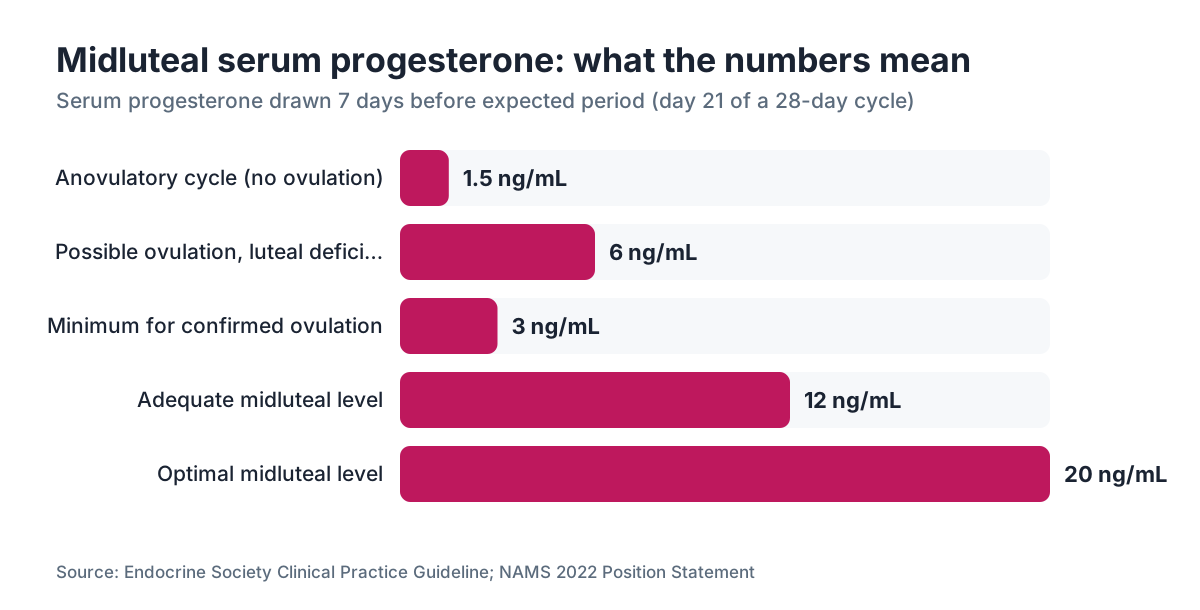
The standard test is a serum progesterone drawn on day 21 of a 28-day cycle, or 7 days before your expected period if your cycle is irregular. That timing aims to catch the midluteal peak, when progesterone should be highest.
A midluteal progesterone below 10 ng/mL points to poor ovulation or a deficient luteal phase, though reference ranges shift a little by lab [4]. Fertility guidelines often use 3 ng/mL just to confirm ovulation happened at all. If your cycle is genuinely erratic, timing one draw correctly is hard, and your clinician may want two or three samples across different months.
Saliva tests and dried urine (DUTCH) tests get marketed hard. Neither has been validated against clinical outcomes the way serum testing has. The Endocrine Society's guidance rests on serum assays [4]. That doesn't make DUTCH or saliva worthless, but if a result is going to drive a prescription, serum is the reference standard most endocrinologists and gynecologists trust.
A full panel should also include FSH, LH, estradiol, and thyroid function. FSH above 10 IU/L in the early follicular phase is an early sign of shrinking ovarian reserve; values above 25 to 40 IU/L on two tests 30 days apart, alongside menstrual changes, confirm perimenopause [1]. Thyroid trouble mimics nearly every symptom on the low-progesterone list, so ruling it out matters. See thyroid hormone replacement therapy if that's on your radar.
Diagnosis here is clinical. It combines symptoms with labs, not labs alone. A woman with a progesterone of 8 ng/mL who sleeps well, cycles regularly, and feels fine may need nothing. A woman with the same 8 ng/mL who soaks through pads and wakes at 3 a.m. every night probably needs help.
How do low progesterone symptoms differ from general perimenopause symptoms?
The overlap is real, because perimenopause is partly defined by falling progesterone. But not every perimenopause symptom is progesterone-driven, and telling them apart changes what treatment makes sense. Heavy irregular bleeding, pre-period anxiety, and early-morning waking lean progesterone. Hot flashes, night sweats, and vaginal dryness lean low estrogen.
| Symptom | More likely low progesterone | More likely low estrogen | |---|---|---| | Heavy, irregular periods | Yes | No (low estrogen thins the lining) | | Waking at 2-4 a.m. | Yes | Sometimes (hot flashes wake earlier) | | Breast tenderness | Yes | Less common | | Anxiety, irritability before period | Yes | Not cycle-linked | | Hot flashes and night sweats | No | Yes | | Vaginal dryness | No | Yes | | Brain fog, word finding | Mild | More pronounced | | Bone loss | Minor contribution | Major driver |
The classic hot flash is estrogen withdrawal, plain and simple. If your main complaint is hot flashes with no heavy bleeding and no sleep problems tied to the pre-period window, estrogen depletion is probably your bigger issue, not progesterone. Plenty of women have both at once, which is exactly why a full hormone panel beats guessing.
For the wider view of what perimenopause does across the whole body, peri menopausal covers the full symptom map.
Can low progesterone cause anxiety and depression?
Yes, and it's probably the most underdiagnosed piece of progesterone deficiency. Allopregnanolone, the brain-active metabolite of progesterone, is a positive allosteric modulator of GABA-A receptors [5]. Translated: it calms you down through the same wiring benzodiazepines use, only gentler. When progesterone drops sharply, allopregnanolone drops with it, GABA tone falls, and the nervous system runs hot.
That's why some women get PMS anxiety that's clearly worse in the two weeks before their period, then lifts once bleeding starts. That timing is almost a signature of luteal-phase progesterone deficiency.
There's also a separate effect where the withdrawal itself, as allopregnanolone swings, sets off anxiety rather than merely permitting it. The FDA approved brexanolone (Zulresso), an IV allopregnanolone analog, in 2019 for postpartum depression, which is essentially a post-delivery progesterone withdrawal state [6]. Same mechanism. That approval put real weight behind the idea that progesterone metabolites steer mood directly.
Women handed an SSRI for perimenopausal anxiety with no hormone workup aren't getting the whole story. SSRIs aren't wrong. But if the driver is luteal-phase progesterone deficiency, the SSRI treats a downstream symptom while the hormonal cause keeps running.
What does low progesterone do to your sleep?
It wrecks the second half of the night. Sleep is often the complaint that finally sends women in for testing, because it bleeds into everything: energy, mood, focus, weight. Progesterone works on sleep two ways. Through allopregnanolone it tamps down nighttime cortisol spikes and raises the threshold for waking. Separately, it's a mild respiratory stimulant thought to reduce sleep apnea severity in women, which partly explains why obstructive sleep apnea rates climb sharply after menopause [7].
The classic pattern is clean sleep onset (you drop off fine) followed by waking in the early hours, usually 2 to 4 a.m., mind racing, no way back to sleep. Hot-flash waking arrives with drenching sweat and a rush of heat. Progesterone-deficiency waking is quieter. You just surface, feel anxious, and lie there.
Oral micronized progesterone (Prometrium) taken at bedtime has strong evidence for better sleep in perimenopausal women. A randomized trial published in Menopause found oral micronized progesterone improved sleep quality and reduced waking after sleep onset compared to placebo in perimenopausal women [8]. The sedating effect is real, and it's why clinicians almost universally tell you to take oral progesterone at night, not in the morning.
What treatment options exist for low progesterone in your 40s?
The right choice depends on three things: whether you want contraception, whether you still have a uterus, and how rough your symptoms are. Here's what actually works and what doesn't.
Oral micronized progesterone (Prometrium). FDA-approved, bioidentical, best-studied. It's made from a plant precursor converted into the molecule identical to human progesterone. Doses run 100 mg to 300 mg at bedtime. At 200 to 300 mg the sedation is strong; at 100 mg it's milder. This is the form NAMS endorses inside hormone therapy regimens [9].
Synthetic progestins. Medroxyprogesterone acetate (MPA), norethindrone, and others sit inside many combination birth control pills and older hormone therapies. They protect the uterine lining well, but they don't convert to allopregnanolone in the brain, so the sleep and mood upside is missing. Women who feel worse on progestin pills than on plain progesterone tend to report more low mood, more water retention, and flatter libido. Women's Health Initiative data tie MPA to a different, possibly higher breast cancer risk profile than micronized progesterone [10].
Progesterone IUD (Mirena, Liletta). Releases levonorgestrel right in the uterus. Excellent for taming heavy bleeding with barely any systemic absorption. It won't raise systemic progesterone, so it won't touch sleep or mood. Useful as one piece of a plan, not the whole plan.
Compounded progesterone creams. Widely sold, absorbed unpredictably. The FDA has flagged the impossibility of guaranteeing consistent dosing in compounded topical progesterone. Serum levels from creams sit far below oral progesterone, and there's no reliable evidence they protect the uterine lining [9]. Oral or vaginal routes are far more predictable.
Lifestyle levers. Blood sugar stability matters more than most women hear. Cortisol competes with progesterone at the same receptor and worsens the functional effects of a low level. Chronic undereating (especially cutting carbs hard), overtraining, or grinding stress can suppress ovulation further. Magnesium glycinate at 200 to 400 mg at night has modest evidence for easing PMS and improving sleep, though it won't raise your progesterone.
WomenRx runs telehealth consults for perimenopause hormone evaluation including progesterone, and can prescribe FDA-approved oral micronized progesterone when it fits the clinical picture.
Is progesterone cream from a health food store the same as prescription progesterone?
No. Not close. Over-the-counter creams contain progesterone (sometimes), but skin absorption is erratic and the serum levels that result fall well below any therapeutic dose. A study published in the American Journal of Obstetrics and Gynecology found that transdermal progesterone cream did not raise serum levels enough to protect the endometrium from estrogen-driven proliferation [11].
That gap is dangerous if you're taking estrogen and leaning on cream to guard your uterine lining. Unopposed or under-opposed estrogen raises the risk of endometrial hyperplasia and cancer [3].
Pharmaceutical oral micronized progesterone reliably hits therapeutic serum levels. First-pass metabolism through the liver even converts some of it to brain-active allopregnanolone, which is why the oral form carries sleep and mood benefits that vaginal progesterone (which skips the liver) largely doesn't.
Want to use progesterone therapeutically? The oral prescription form is what the evidence backs. The creams are not a substitute.
Can low progesterone affect your weight?
Indirectly, yes, through a few different routes, and the total is usually modest. First, water. Estrogen nudges aldosterone and fluid retention up; progesterone pushes back. Low progesterone means more retained fluid, showing up as bloating, puffiness, and a few pounds that come and go across the month.
Second, the sleep-cortisol loop. Poor sleep from progesterone deficiency raises morning cortisol, and chronically high cortisol parks fat around the abdomen and worsens insulin resistance over time.
Third, progesterone is mildly thermogenic. It bumps basal body temperature and metabolic rate a touch. Some evidence suggests anovulatory cycles (no progesterone surge) burn slightly less energy in the back half of the cycle than ovulatory ones.
None of this means fixing progesterone alone melts fat. The genuine weight change from progesterone deficiency is real but small, maybe 3 to 7 pounds inside the larger perimenopausal shift. If weight is a real concern alongside your other symptoms, the useful takeaway is that hormonal context shapes how well your lifestyle changes land.
When should you see a doctor about these symptoms?
Sooner than most women do. The average woman sits with perimenopausal symptoms for over a year before raising them with a clinician, usually because someone told her this is just getting older. Get seen promptly if any of these fit you.
Soaking through more than one pad or tampon per hour for two or more hours in a row. Periods lasting longer than 7 days. Spotting between periods or after sex. Any bleeding more than 12 months after your last period (that's postmenopausal bleeding, and it needs a workup to rule out endometrial cancer) [12]. Sleep loss bad enough to hurt your work or your driving. Anxiety or depression that showed up in the back half of your cycle and wasn't there before.
Heavy irregular bleeding in your 40s should never get pinned on perimenopause until fibroids, polyps, and endometrial changes are ruled out. An ultrasound, and sometimes an endometrial biopsy, are the right next steps. Perimenopause is a real diagnosis, but for abnormal bleeding it's a diagnosis of exclusion.
For what perimenopausal bleeding patterns mean and when they warrant worry, is bleeding after menopause always cancer speaks to the fear most women carry quietly.
The Menopause Society (NAMS) publishes clinician guidelines your doctor should be following. If your provider brushes you off as normal and offers no evaluation or treatment, get a second opinion from a NAMS-certified menopause practitioner [9]. A directory of certified clinicians runs through the menopause society.
What is the difference between bioidentical and synthetic progesterone?
Bioidentical progesterone has the identical molecular structure to the progesterone your ovaries make. It comes from plant precursors (usually diosgenin from wild yams or soy) converted in a lab into the exact same molecule. FDA-approved oral micronized progesterone (Prometrium) is bioidentical.
Synthetic progestins (medroxyprogesterone acetate, norethindrone, levonorgestrel, drospirenone) have different structures. They bind progesterone receptors well enough to protect the uterine lining, but they also bind other receptors, including androgen and glucocorticoid receptors, to varying degrees. That's where the side effect differences come from.
The Women's Health Initiative used MPA with conjugated equine estrogen and found a slight rise in breast cancer risk in that combination [10]. The E3N cohort, a large French observational study, found estrogen combined with micronized progesterone was not linked to higher breast cancer risk over five years of use, though observational data always come with caveats.
Bioidentical does not automatically mean safer, and compounded formulas are not inherently better than FDA-regulated products. Both the Endocrine Society and NAMS note that compounded hormones skip the testing for purity, potency, and safety that pharmaceutical products must pass [4]. "Bioidentical" became a marketing word that hints at custom-compounded, but the most bioidentical option you can actually get is the FDA-regulated one: oral micronized progesterone.
Does low progesterone affect bone health in your 40s?
Estrogen is the main driver of bone loss in menopause, but progesterone has its own job that often gets skipped. Progesterone receptors sit on osteoblasts, the cells that build new bone. Some research suggests progesterone directly stimulates bone formation, working alongside estrogen's role in slowing bone breakdown. Women who log years of anovulatory cycles (and years of low progesterone) through perimenopause may start losing bone earlier than women with steady ovulatory cycles.
A study by Prior and colleagues, published in the New England Journal of Medicine in 1990, found women with short luteal phases or anovulatory cycles lost significantly more spinal bone than women with normal cycles, even when estrogen levels matched [13]. That finding surprised people then and stays underused in practice now.
This doesn't turn progesterone into a standalone bone strategy. Estrogen is still the stronger agent for bone, and the call to start hormone therapy should rest on your whole symptom and risk picture. But it does drive home one point: anovulatory cycles in your 40s aren't harmless events with only menstrual fallout.
Frequently asked questions
What are the first signs of low progesterone in your 40s?
Most women notice cycle changes first: periods coming closer together (every 21 to 24 days), heavier bleeding, or spotting before the period starts. Waking at 2 to 4 a.m. with a racing mind and breast tenderness in the week before your period are two other early tells. These reflect anovulatory cycles, where your body skips ovulation and makes little progesterone that month.
Can low progesterone cause anxiety?
Yes. Progesterone breaks down in the brain into allopregnanolone, which binds GABA receptors and calms the nervous system. When progesterone drops, that natural brake comes off. The FDA approved an allopregnanolone analog for postpartum depression in 2019, confirming the progesterone-anxiety link. Anxiety that clearly worsens in the two weeks before your period and eases once bleeding starts is a strong sign of luteal-phase progesterone deficiency.
How do I test my progesterone levels at home?
At-home finger-prick blood spot tests and dried urine tests (like the DUTCH test) sell without a prescription and give a rough picture, but they aren't validated to the standard of serum blood tests drawn at a lab. Timing is everything: you need to test 7 days before your expected period. A serum draw ordered by a clinician and read against your symptoms and cycle history stays more reliable for treatment decisions.
What is a normal progesterone level for a woman in her 40s?
In the midluteal phase (around day 21 of a 28-day cycle), progesterone should sit above 10 ng/mL to confirm solid ovulation. Values between 3 and 10 ng/mL suggest ovulation may have happened but the luteal phase is weak. Below 3 ng/mL points to an anovulatory cycle. Ranges vary a little by lab. In your 40s, midluteal values commonly trend lower as anovulatory cycles get more frequent.
Is Prometrium the same as bioidentical progesterone?
Yes. Prometrium is an FDA-approved oral micronized progesterone with the same molecular structure as the progesterone your ovaries make. It comes from plant precursors and is regulated for purity, potency, and consistency. It's what most NAMS-aligned clinicians mean by bioidentical progesterone. It differs from synthetic progestins like medroxyprogesterone acetate, which have different structures and different side effect profiles.
Can low progesterone cause weight gain?
Indirectly, yes. Low progesterone lets estrogen's water-retaining effect run unchecked, causing bloating and a few pounds of fluid. Poor sleep from progesterone deficiency raises cortisol, which parks fat around the abdomen over time. Progesterone is also mildly thermogenic, so anovulatory cycles may slightly lower metabolic rate. These effects are real but small, usually 3 to 7 pounds rather than dramatic change.
Does progesterone cream from a health store work for symptoms?
Probably not well enough to matter clinically. Transdermal progesterone cream produces serum levels far below therapeutic doses. A study in the American Journal of Obstetrics and Gynecology found over-the-counter progesterone cream did not reach serum levels high enough to protect the uterine lining from estrogen-driven proliferation. For mood, sleep, and uterine protection, oral micronized progesterone is far more effective and far better studied.
Can you still have low progesterone if your periods are regular?
Yes. Regular cycles don't guarantee ovulation. A cycle can run on estrogen alone, without the ovulatory event that makes progesterone. Luteal-phase deficiency, where ovulation happens but the corpus luteum underproduces progesterone, is another case where cycles look regular but midluteal progesterone sits below 10 ng/mL. Pre-period anxiety, breast tenderness, and poor sleep in the back half of the cycle can occur even with steady periods.
How long does it take for progesterone therapy to improve symptoms?
Sleep often improves within the first few nights of oral micronized progesterone at bedtime, because the conversion to allopregnanolone is quick. Mood and anxiety usually take two to four weeks. Menstrual regulation takes one to three cycles. If sleep hasn't improved within a week or mood within a month, your dose or timing may need adjusting, and that conversation belongs with your prescriber rather than just waiting it out.
What is the difference between low progesterone and perimenopause?
They overlap heavily. Perimenopause is largely defined by hormonal changes that begin with declining, erratic progesterone (from anovulatory cycles) and later add falling estrogen. Low progesterone is one of the earliest and most consistent features of perimenopause in your 40s. But not every perimenopausal symptom is progesterone-driven: hot flashes and vaginal dryness are mainly estrogen-deficiency symptoms and need different treatment.
Should I take progesterone if I don't have a uterus?
The main clinical reason to add progesterone to estrogen therapy is protecting the uterine lining. After a hysterectomy, that reason no longer applies. Even so, some women without a uterus still take progesterone for its sleep and mood benefits, which are real and documented. The decision is individual and should rest on your symptom goals and a talk with your clinician, not a blanket rule either way.
Can low progesterone affect thyroid function?
Not in a simple cause-and-effect way, but the two systems interact. Estrogen dominance (the relative state low progesterone creates) can raise thyroid binding globulin, which lowers free thyroid hormone. Women with borderline thyroid function may feel noticeably worse when progesterone drops. The symptoms overlap heavily too: fatigue, weight gain, and mood changes appear in both. Testing both makes sense if you're symptomatic.
Does low progesterone cause hair loss?
It can contribute. Progesterone mildly inhibits 5-alpha reductase, the enzyme that converts testosterone to DHT, the androgen most responsible for female-pattern thinning. When progesterone falls, DHT activity can rise relatively, even without any change in total testosterone. Hair thinning in your 40s often has overlapping causes including thyroid shifts, iron deficiency, and stress, so progesterone alone is rarely the whole answer, but it's part of the picture worth checking.
Is it safe to take progesterone in your 40s if you don't know if you're in perimenopause?
Oral micronized progesterone is generally considered safe for women in their 40s on current evidence. The Menopause Society notes that hormone therapy started in women under 60, or within 10 years of menopause onset, carries a favorable risk-benefit balance for most women without contraindications. Its risks differ from synthetic progestins. Still, treatment should follow evaluation, more than symptom recognition, because ruling out structural causes of heavy bleeding matters first.
Sources
- The Menopause Society (NAMS), Menopause Practice: A Clinician's Guide
- Santoro N et al., Obstetrics & Gynecology, 2003 – 'Characterizing the perimenopause'
- ACOG Practice Bulletin No. 128, 'Diagnosis of Abnormal Uterine Bleeding in Reproductive-Aged Women'
- Endocrine Society Clinical Practice Guideline, 'Menopausal Hormone Therapy'
- Brinton RD et al., Frontiers in Neuroendocrinology, 2008 – 'Progesterone receptors in the brain'
- FDA Drug Approval, Brexanolone (Zulresso), 2019
- Manber R, Armitage R, Sleep, 1999 – 'Sex, steroids, and sleep: a review'
- Hitchcock CL, Prior JC, Menopause, 2012 – 'Oral micronized progesterone for vasomotor symptoms'
- The Menopause Society, 2022 Hormone Therapy Position Statement
- Women's Health Initiative Writing Group, JAMA, 2002
- Wren BG et al., American Journal of Obstetrics and Gynecology, 2003
- ACOG Committee Opinion, 'Postmenopausal Bleeding'
- Prior JC et al., New England Journal of Medicine, 1990