Perimenopause treatment: what actually works, from HRT to lifestyle
TL;DR: Perimenopause treatment ranges from hormone therapy (the most evidence-backed option for hot flashes, sleep, and mood) to non-hormonal prescriptions like fezolinetant and paroxetine, plus lifestyle changes that move the needle on specific symptoms. Most women are in perimenopause for 4 to 10 years before their final period. Matching treatment to your symptom profile and medical history matters more than following a single protocol.
What is perimenopause and how long does it last?
Perimenopause is the transition phase before menopause, the stretch when ovarian function starts to fluctuate and decline. Estrogen doesn't drop in a clean line. It swings up and down unpredictably, sometimes spiking higher than it was in your thirties before it finally falls for good. That erratic pattern causes most of the symptoms women notice.
The average duration is 4 to 10 years, though some women move through it in two years and others spend a decade in it [1]. It usually begins in the mid-to-late forties, though it can start earlier. You've reached menopause only after 12 straight months without a period, so until that mark, you're still in perimenopause, even if your symptoms are severe. (See perimenopause age and when does menopause start for more on timing.)
The hallmark signs are irregular periods, hot flashes, night sweats, sleep disruption, mood changes, brain fog, vaginal dryness, and joint pain. Not every woman gets all of them. Some sail through with mild disruption. Others are functionally impaired. Treatment should follow your actual symptom burden, not a generic checklist.
What treatment options exist for perimenopause?
Treatment falls into three buckets: hormonal therapy, non-hormonal prescription medications, and lifestyle or supplement-based approaches. No single treatment handles every symptom. The right combination depends on which symptoms are wrecking your quality of life, your cardiovascular and cancer risk history, and how far along the transition you are.
The North American Menopause Society (NAMS) 2023 position statement says that "hormone therapy remains the most effective treatment for vasomotor symptoms and the genitourinary syndrome of menopause" [2]. That's the medical consensus. It doesn't mean every woman should take hormones. It does mean that if hot flashes and night sweats are wrecking your sleep, hormone therapy (HT) has better evidence behind it than anything else.
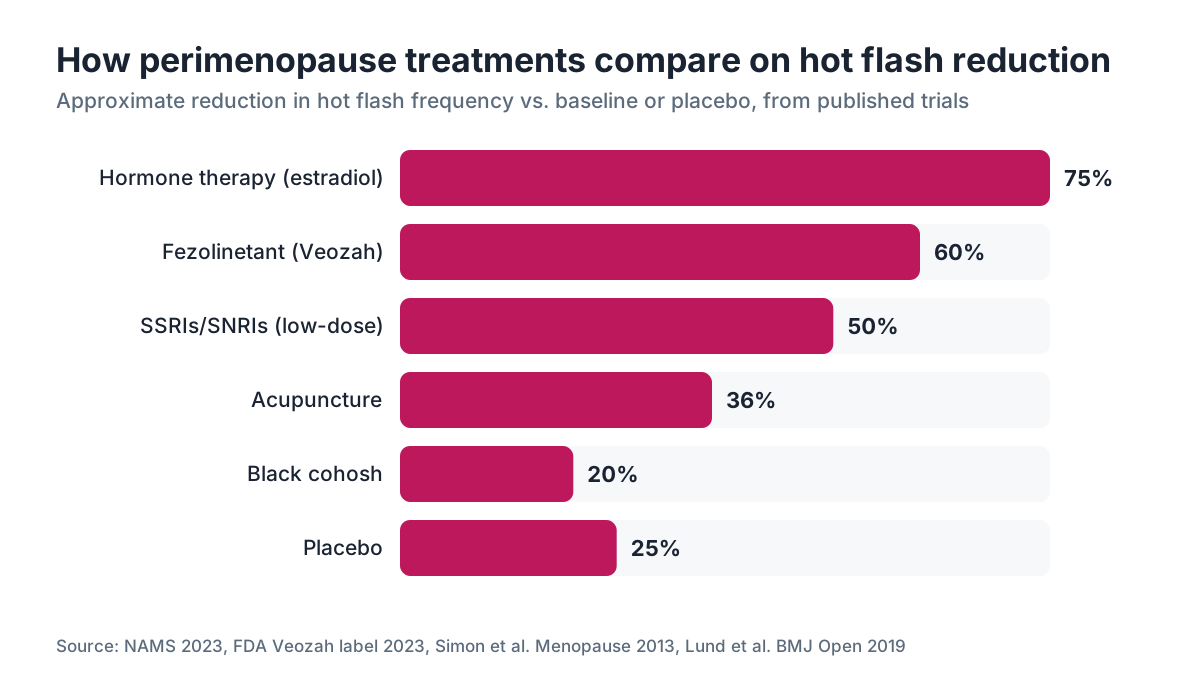
Non-hormonal prescriptions have caught up considerably in the last few years, especially for women who can't or won't use estrogen. Lifestyle changes, often oversold as a complete fix, genuinely help with specific symptoms when applied correctly. The table below compares the main categories.
How does hormone therapy treat perimenopause symptoms?
Hormone therapy for perimenopause usually means low-dose estrogen, often combined with progesterone if you have a uterus. The estrogen replaces what your ovaries are producing less reliably, smoothing out those spikes and crashes. This cuts hot flash frequency and severity, improves sleep, steadies mood, relieves vaginal dryness, and protects bone density [2].
During perimenopause, many women need a different formulation than postmenopausal women. Because ovarian function is still present but erratic, some clinicians prefer low-dose oral contraceptives (which also regulate irregular bleeding) over standard menopausal HT doses for women in early perimenopause. Others use transdermal estradiol, which skips the first-pass liver metabolism of oral estrogen and carries a lower clot risk [3]. An estrogen patch delivers a steady dose through the skin and is the formulation many endocrinologists prefer.
Progesterone is required for uterine protection. Micronized progesterone (Prometrium) has a slightly better safety profile than synthetic progestins in most current evidence, and some women report a mild sedating effect that helps with sleep. For more detail, see progesterone.
The Women's Health Initiative (WHI), first published in 2002, generated real fear about HT and breast cancer. The picture is more nuanced now. Estrogen-only therapy (for women without a uterus) was actually associated with reduced breast cancer risk in the WHI. Combined estrogen-progestogen therapy did show a small increased risk, roughly one extra case per 1,000 women over five years of use, concentrated in women who started HT more than 10 years after menopause [3]. Women who start HT during perimenopause or within 10 years of their final period are in what researchers call the "timing window," where cardiovascular and mortality benefits appear to outweigh risks for most healthy women.
See hormone replacement therapy for a fuller breakdown of formulations, risks, and who the current evidence favors.
What non-hormonal prescription medications work for perimenopause?
If you can't use estrogen because of a personal history of breast cancer, a clotting disorder, or plain preference, several non-hormonal prescriptions have real evidence behind them.
Fezolinetant (Veozah) is the first FDA-approved non-hormonal treatment made specifically for moderate-to-severe vasomotor symptoms. It's a neurokinin B receptor antagonist, blocking the neural pathway that triggers hot flashes at the source. In clinical trials, it cut hot flash frequency by around 60% compared to baseline and beat placebo significantly [4]. It does not touch hormone levels. The FDA approved it in May 2023. It carries a warning about liver enzyme elevation, so liver function monitoring is required.
Paroxetine mesylate 7.5 mg (Brisdelle) is the only SSRI/SNRI with FDA approval specifically for hot flashes, though many clinicians use low-dose venlafaxine, escitalopram, or citalopram off-label. In the registration trial, paroxetine reduced hot flash frequency by about 33 to 67% depending on baseline severity [5]. These medications work well for women who also have anxiety or depression, since they address both.
Gabapentin is sometimes prescribed off-label for hot flashes and sleep disruption. It's more common when night sweats are the main complaint, since its sedating effect helps here. Evidence is modest next to HT, but it's an option when others aren't tolerated.
Oxybutynin, an anticholinergic first used for overactive bladder, has shown meaningful hot flash reduction in small trials. It's not usually first-line, but some clinicians offer it, particularly when urinary symptoms coexist.
Clonidine turns up occasionally but has a thin evidence base and significant side effects at effective doses. Most current guidelines don't recommend it as a primary option.
Do natural treatments for perimenopause actually help?
This is where the evidence gets spottier, and honesty matters more than reassurance. Some "perimenopause natural treatments" have meaningful data behind them. Most do not.
Black cohosh has the longest track record of any botanical for hot flashes. The evidence is mixed. Some trials show modest reduction in hot flash frequency, others show no difference from placebo. NAMS says it may be worth trying for mild symptoms but doesn't endorse it as first-line [2]. The typical studied dose is 20 to 40 mg daily of standardized extract. Rare cases of liver toxicity have been reported, so it's not free of risk.
Phytoestrogens, found in soy foods and red clover, have weak estrogenic activity. Population studies suggested Japanese women eating high-soy diets have fewer hot flashes, but controlled trials of soy isoflavone supplements have been inconsistent. Eating soy foods is almost certainly safe. Concentrated isoflavone supplements in women with hormone-sensitive breast cancer is a different question, and that conversation belongs with an oncologist.
Magnesium helps with sleep quality, and some women report fewer headaches and less muscle tension. It's cheap, generally well-tolerated, and worth trying. Magnesium glycinate or bisglycinate tends to sit better than magnesium oxide. There's no large RCT specifically in perimenopausal women, but the sleep data in general populations is reasonable.
Melatonin at low doses (0.5 to 1 mg) can help with sleep onset. It does nothing for hot flashes or other hormonal symptoms.
Acupuncture has been studied for hot flashes. A 2019 BMJ Open trial found acupuncture reduced hot flash frequency by about 36% over 6 weeks, similar to some drug options but below HT [6]. The main limitation is access and cost, not safety.
Cognitive behavioral therapy (CBT) built for menopausal symptoms has solid evidence. A trial found that a structured CBT program significantly reduced the impact of hot flashes and night sweats compared to control, and improvements held at six months [7]. It doesn't cut hot flash frequency but changes how the brain responds to them, which lowers their perceived severity and their hit on sleep and daily function. This is underused and worth taking seriously.
How does lifestyle affect perimenopause symptoms?
Lifestyle changes alone won't match HT for severe vasomotor symptoms. But several specific changes genuinely help, and layering them with other treatments improves outcomes.
Exercise is the clearest win. Regular aerobic exercise reduces depression, anxiety, and sleep disruption in perimenopausal women, and some evidence suggests it modestly reduces hot flash severity, though not consistently across studies [2]. Resistance training matters especially, because the estrogen drop during perimenopause speeds up bone loss, and loading the skeleton with weight-bearing exercise counters that directly. A bone density test before or early in perimenopause gives you a baseline.
Sleep hygiene matters more than it sounds. Hot flashes tend to fragment sleep rather than block it entirely. Keeping the bedroom cool (around 65 to 68 F), using moisture-wicking bedding, cutting alcohol within three hours of sleep (alcohol reliably worsens night sweats), and holding a consistent wake time all reduce overall sleep disruption.
Alcohol and caffeine are both hot flash triggers in many women. Not every woman, but many [11]. A simple two-week elimination trial tells you fast whether they're feeding your symptoms.
Weight gain during perimenopause is partly driven by the hormonal shift and partly by changes in sleep, activity, and muscle mass. Excess fat tissue is itself weakly estrogenic but also puts out inflammatory signals that can worsen hot flashes. Women who lose weight during perimenopause often report some drop in hot flash severity. This is one area where GLP-1 receptor agonists are becoming relevant for perimenopausal women, particularly those with concurrent insulin resistance or significant weight gain. For an overview of how these medications work, see semaglutide for weight loss and semaglutide vs tirzepatide.
What helps specifically with perimenopause mood changes and anxiety?
Mood symptoms in perimenopause are real and often underdiagnosed. They're more than stress or life circumstance, though those contribute. Estrogen modulates serotonin, dopamine, and GABA pathways. When estrogen fluctuates erratically, mood follows.
Women with a history of premenstrual dysphoric disorder (PMDD) or postpartum depression appear to be at higher risk for mood disruption during perimenopause. This isn't just anecdotal. Research from the Penn Ovarian Aging Study found that women with prior depression were two to five times more likely to have recurrent depression during the menopausal transition [8].
For mood symptoms, hormone therapy is often the right first option if the symptoms look hormonally driven (meaning they track with the cycle or with other physical symptoms like hot flashes and sleep disruption). If depression or anxiety stands on its own as a diagnosis, SSRIs or SNRIs are appropriate, and low-dose venlafaxine in particular has evidence for both mood and vasomotor symptoms.
CBT, mindfulness-based stress reduction, and regular exercise have evidence for anxiety in this population. They're not replacements for medication when symptoms are severe, but they're reasonable additions or alternatives for mild-to-moderate anxiety.
What treats vaginal dryness and painful sex during perimenopause?
Genitourinary syndrome of menopause (GSM) is the umbrella term for vaginal dryness, irritation, painful sex, and urinary symptoms caused by declining estrogen in local tissues. It affects up to 50 to 70% of women in perimenopause and menopause [9]. Unlike hot flashes, which often ease on their own over time, GSM tends to get worse without treatment.
Local vaginal estrogen is the first-line treatment: vaginal estrogen cream, a low-dose vaginal estrogen ring (Estring), or a vaginal estrogen tablet or suppository (Vagifem, Yuvafem). The systemic absorption of low-dose vaginal estrogen is minimal, so most guidelines consider it safe even for women who can't use systemic estrogen, though women with estrogen-sensitive cancers should talk it through with their oncologist [9].
Ospemifene (Osphena) is an oral SERM (selective estrogen receptor modulator) FDA-approved for painful sex due to GSM. It acts estrogenic in vaginal tissue but anti-estrogenic in breast tissue. It's an option for women who prefer an oral medication.
Prasterone (Intrarosa) is a vaginal DHEA suppository that converts locally to both estrogen and testosterone in vaginal tissue. FDA-approved for painful sex due to menopause.
Over-the-counter vaginal moisturizers (Replens, Good Clean Love, Hyalo Gyn) used several times a week help maintain vaginal hydration. Silicone-based lubricants help during sex. These aren't treatments for GSM, but they cut day-to-day discomfort and are worth using even alongside prescription treatment.
Should I get tested before starting perimenopause treatment?
Perimenopause is mostly a clinical diagnosis. Hormone levels, including FSH and estradiol, are unreliable in perimenopause because they swing so dramatically day to day. A single blood draw showing normal estradiol doesn't rule out perimenopause if you're 45 with irregular periods and hot flashes.
That said, some testing genuinely helps. A thyroid panel is worth running, because hypothyroidism mimics many perimenopause symptoms (fatigue, weight gain, brain fog, mood changes). Ruling that out before you blame everything on hormones is good medicine. A complete metabolic panel and lipid panel give useful cardiovascular baseline data. If there's any question about irregular bleeding, a pelvic ultrasound or endometrial biopsy may be appropriate to rule out endometrial pathology.
For bone health, baseline DEXA scan recommendations vary by guideline, but many clinicians suggest one at or around age 50, earlier if you have risk factors like low body weight, smoking history, or a family history of osteoporosis. See bone density test.
Testing DHEA-S, testosterone, and other androgens is sometimes appropriate for women with low libido or energy that persists despite adequate estrogen management, but this is a nuanced clinical decision rather than standard initial workup.
How do I find the right perimenopause treatment provider?
Most women first raise perimenopause symptoms with a primary care physician or OB/GYN. Outcomes vary a lot depending on the clinician's familiarity with the evidence. NAMS publishes a practitioner finder (menopause.org) listing clinicians with specific menopause training, which is a reasonable starting point.
Telehealth has widened access meaningfully. Providers who specialize in women's hormonal health can evaluate symptoms, review labs, and prescribe HT, non-hormonal medications, or other treatments remotely in most states. WomenRx (womenrx.com) is one telehealth platform focused specifically on hormonal health for women, including perimenopause care. This matters if you've had the experience of being dismissed or told to just wait it out, which remains common.
Whatever the care setting, a good perimenopause consultation should include a thorough symptom history (more than a checklist), a personal and family medical history that actually informs risk assessment, discussion of all treatment options with honest tradeoffs, and a follow-up plan. If you leave a visit with no options except "try some yoga," get a second opinion.
For ongoing care, telehealth platforms like WomenRx can also coordinate GLP-1 prescriptions if weight management is part of the picture, a combination that's increasingly relevant for women in their late forties and fifties dealing with both hormonal symptoms and metabolic changes.
What does perimenopause treatment typically cost?
Cost varies enormously depending on what you're using and whether you have insurance.
Systemic hormone therapy (estradiol patches, pills, gels) generally runs $30 to $100 per month without insurance. Many are available as generics. Progesterone adds another $20 to $60 per month. With insurance coverage, which varies by plan, out-of-pocket costs can drop to $10 to $30 per month.
Fezolinetant (Veozah) is expensive: list price around $550 to $600 per month without insurance as of 2024, with manufacturer coupons that can cut this sharply for commercially insured patients. Coverage is expanding but not universal.
SSRIs used for hot flashes are cheap generics. Low-dose paroxetine or venlafaxine can cost under $20 per month at most pharmacies.
Vaginal estrogen products range from about $30 to $200 per month without insurance depending on formulation. Local estrogen is often less well covered by insurance than systemic therapy, which is medically backward given how effective and safe it is.
Telehealth visits for perimenopause care typically run $100 to $200 for an initial consultation without insurance, with follow-ups lower. Some platforms include lab review and prescription management in a monthly membership.
Over-the-counter supplements and moisturizers add perhaps $20 to $60 per month depending on what you're using.
The table below lays out the main treatment categories with rough cost ranges and evidence quality.
When does perimenopause treatment transition into menopause care?
The treatments themselves don't change dramatically at the 12-month mark, but the framing and some clinical priorities shift. Once you're postmenopausal, hormone therapy is no longer managing erratic fluctuations but replacing what's no longer being produced. Doses may come down. For women who used oral contraceptives during perimenopause to manage symptoms and regulate bleeding, moving to menopausal-dose HT is typically recommended around age 50 to 51.
Bone protection becomes a clearer priority postmenopause. The rate of bone loss speeds up in the first three to five years after the final period. Calcium (1,200 mg per day from food and supplement combined) and vitamin D (800 to 1,000 IU minimum, with many clinicians targeting 1,500 to 2,000 IU daily) are standard recommendations [10]. DEXA scanning and fracture risk assessment with the FRAX tool become more routine.
Cardiovascular risk also shifts. The estrogen window is most relevant here: starting HT in perimenopause or within 10 years of the final period appears cardioprotective in healthy women, while starting it long after menopause does not carry the same benefit and may carry more risk [3].
For the full picture of what comes next, see menopause and menopause age.
Frequently asked questions
Can you treat perimenopause without hormones?
Yes. FDA-approved non-hormonal options include fezolinetant (Veozah) for hot flashes and low-dose paroxetine (Brisdelle) for vasomotor symptoms. Lifestyle changes, CBT, and vaginal moisturizers also help specific symptoms. The tradeoff is that non-hormonal options are generally less effective than hormone therapy for severe vasomotor symptoms and do nothing for bone loss or GSM unless vaginal estrogen is included separately.
What is the safest treatment for perimenopause symptoms?
Safety depends on individual health history. For most healthy women under 60 or within 10 years of their last period, low-dose transdermal estrogen plus micronized progesterone is considered safe and has the strongest evidence base. Local vaginal estrogen is considered safe even for most women who cannot use systemic hormones. Non-hormonal options like fezolinetant avoid hormonal exposure entirely. There is no universally safest option, only the safest option for your specific risk profile.
How long do perimenopause symptoms last without treatment?
Hot flashes and night sweats last a median of about 7 years from first onset, according to a large NIH-funded SWAN study analysis. Some women experience symptoms for more than 10 years. Women who enter perimenopause earlier or have more intense symptoms at onset tend to have a longer symptomatic course. Genitourinary symptoms, unlike hot flashes, typically worsen rather than improve over time without treatment.
What vitamins or supplements actually help with perimenopause?
Magnesium (glycinate form, 200 to 400 mg at night) has reasonable evidence for sleep quality. Vitamin D matters for bone health and is commonly deficient, with a target level of at least 30 ng/mL and often supplementing 1,500 to 2,000 IU daily. Black cohosh may modestly help hot flashes in some women. Most other supplement claims for perimenopause lack solid controlled trial data. Soy foods are reasonable; high-dose isoflavone supplements have inconsistent evidence.
Is hormone therapy safe for perimenopausal women with a family history of breast cancer?
A family history of breast cancer is not an automatic contraindication to hormone therapy, but it requires individualized assessment. The absolute risk increase with combined estrogen-progestogen HT is small, roughly equivalent to drinking one to two alcoholic drinks daily. Women with BRCA1 or BRCA2 mutations or a first-degree relative with hormone-receptor-positive breast cancer should discuss options carefully with both a menopause specialist and their oncologist before starting systemic HT.
Can perimenopause cause anxiety and depression?
Yes. Fluctuating estrogen directly affects serotonin and other neurotransmitter systems. Women with prior PMDD or postpartum depression are at significantly elevated risk for mood disruption during perimenopause. Studies including the Penn Ovarian Aging Study found two to five times higher odds of depressive symptoms during the menopausal transition. Hormone therapy can help when mood symptoms are hormonally driven. SSRIs and SNRIs are appropriate when depression or anxiety meets diagnostic criteria.
Does perimenopause treatment help with weight gain?
Hormone therapy does not cause weight loss, but it can reduce the visceral fat accumulation associated with the estrogen decline of perimenopause. Some studies show that women on HT have less central weight gain than those not on it. For meaningful weight loss, GLP-1 medications like semaglutide or tirzepatide have stronger evidence. Women in perimenopause dealing with concurrent insulin resistance or metabolic syndrome may benefit from discussing GLP-1 options alongside hormonal treatment.
What is the difference between perimenopause treatment and menopause treatment?
The treatments overlap significantly but the context differs. During perimenopause, ovaries are still active but erratic, so some women do better on oral contraceptives than standard menopausal HT doses. After menopause, ovarian estrogen production has stopped entirely and lower-dose estrogen replacement is the norm. Bone and cardiovascular health become more central priorities postmenopause. The conversation about starting versus continuing hormone therapy also differs depending on where you are in the transition.
How do I know if my hot flashes are severe enough to warrant treatment?
If hot flashes or night sweats are disrupting sleep, affecting your ability to concentrate or work, interfering with social or sexual function, or significantly reducing your quality of life, they're severe enough to treat. There's no threshold you need to hit before you're allowed to ask for help. Even mild-to-moderate symptoms are worth addressing if they bother you. Symptom severity is self-reported, and patient-reported impact is what matters clinically.
Can perimenopause treatment help with brain fog?
Brain fog, including problems with memory, word retrieval, and concentration, is common during perimenopause and is likely driven partly by sleep disruption and partly by direct effects of estrogen fluctuation on the brain. Treating sleep disruption (whether from hot flashes or directly) often improves cognitive symptoms substantially. Some but not all studies find that estrogen therapy improves verbal memory and processing speed in perimenopausal women. Thyroid function should also be checked, since hypothyroidism produces identical cognitive symptoms.
Is it safe to take hormone therapy during perimenopause if I still get periods?
Yes. Women who still have periods can safely take hormone therapy during perimenopause. The formulation may differ: some clinicians prefer low-dose combination oral contraceptives because they regulate bleeding as well as symptoms, while others use cyclic or continuous menopausal-dose HT. If you have a uterus and take estrogen, progesterone is required regardless of whether you're still menstruating. An OB/GYN or menopause specialist can help determine the appropriate formulation for your stage.
What lifestyle changes help most with perimenopause symptoms?
Resistance and aerobic exercise both help; exercise reduces mood symptoms and some vasomotor symptoms reliably. Avoiding alcohol (a known hot flash trigger) and keeping the bedroom cool at night meaningfully reduces night sweat disruption. CBT designed for menopausal symptoms has solid trial evidence for reducing the perceived impact of hot flashes. Stress reduction practices and consistent sleep schedules help mood and sleep quality. Weight loss, if applicable, often reduces hot flash severity modestly.
How quickly does perimenopause treatment start working?
Hormone therapy typically produces noticeable improvement in hot flashes and sleep within two to four weeks, with maximum effect by eight to twelve weeks. Non-hormonal options like fezolinetant showed significant hot flash reduction within one to two weeks in trials. SSRIs for hot flashes take two to four weeks, similar to their antidepressant effect timeline. Local vaginal estrogen usually improves dryness and discomfort within four to twelve weeks of consistent use.
Do I need a prescription for perimenopause treatment?
Most effective treatments require a prescription: all hormone therapy, fezolinetant, paroxetine, local vaginal estrogen, ospemifene, and prasterone all need a clinician to prescribe them. Over-the-counter options include vaginal moisturizers, lubricants, melatonin, and supplements like magnesium and black cohosh. CBT-based programs are sometimes available as guided self-help without a referral. Telehealth makes it easier to access prescription options without an in-person visit in most states.
Sources
- NIH National Institute on Aging, Menopause page
- NAMS, The Menopause Society 2023 Position Statement on Hormone Therapy
- NIH National Heart, Lung, and Blood Institute, Women's Health Initiative
- FDA Drug Approval Package, Veozah (fezolinetant), May 2023
- Simon JA et al., Menopause 2013, Paroxetine mesylate clinical trial
- Lund KS et al., BMJ Open 2019, Acupuncture for menopausal hot flashes RCT
- Ayers B et al., Menopause 2012, CBT for menopausal hot flashes RCT
- Freeman EW et al., Archives of General Psychiatry 2006, Penn Ovarian Aging Study
- NAMS, Genitourinary Syndrome of Menopause (GSM) Position Statement 2020
- Bone Health and Osteoporosis Foundation, Clinician's Guide
- NIH Office on Women's Health, Menopause Symptoms and Relief
- Avis NE et al., JAMA Internal Medicine 2015, SWAN study duration of vasomotor symptoms