Perimenopause heart palpitations: causes, risks, and what actually helps
TL;DR: Heart palpitations during perimenopause are common, affecting roughly 40-54% of women in the menopausal transition. Fluctuating estrogen is the main driver, but thyroid disease, anemia, anxiety, and true arrhythmias can look identical. Most palpitations are benign, but any that come with chest pain, fainting, or shortness of breath need same-day cardiac evaluation. Hormone therapy, lifestyle changes, and treating underlying triggers can all reduce frequency significantly.
What are perimenopause heart palpitations and how common are they?
Heart palpitations are the unwelcome sensation that your heart is racing, fluttering, skipping a beat, or pounding harder than usual. They can last a few seconds or a few minutes. They can happen while you're sitting still at your desk at 2 p.m. or jolt you awake at 3 a.m.
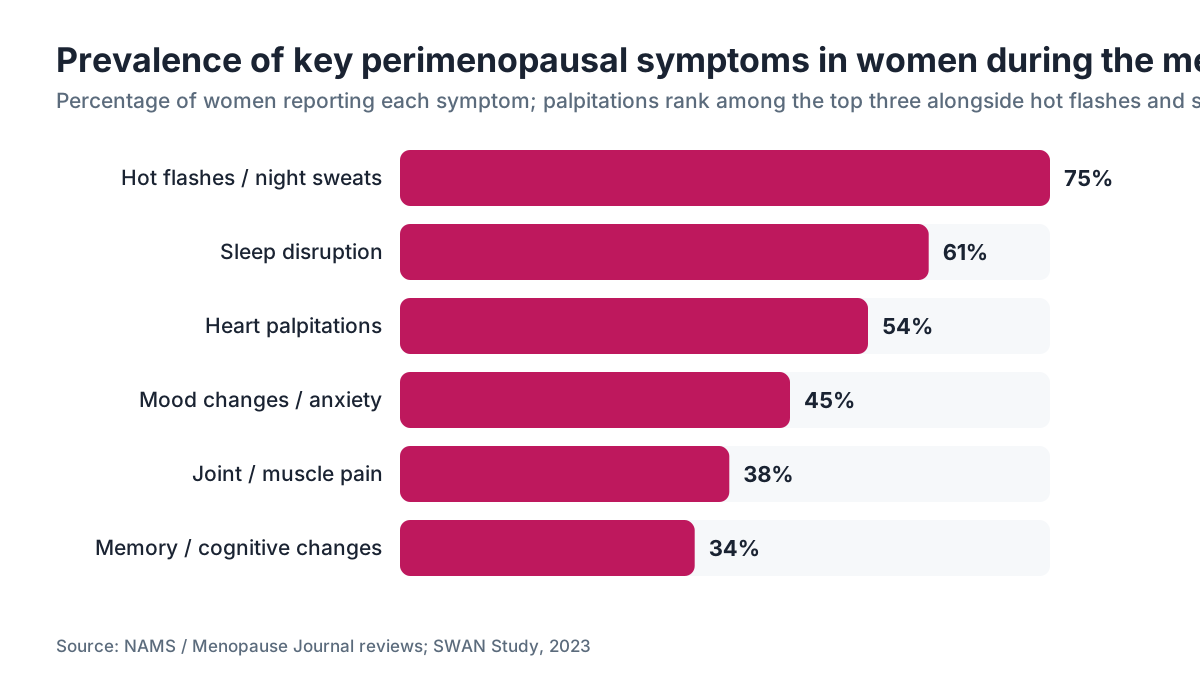
During perimenopause, they are genuinely common. A widely cited review published in Menopause: The Journal of the North American Menopause Society found palpitations in roughly 40-54% of women during the menopausal transition, making them one of the top three reported symptoms alongside hot flashes and sleep disruption [1]. For context, Framingham Heart Study cohort data suggest palpitations affect only about 16% of the general adult population, so the jump during perimenopause is real.
Most women first notice them in their mid-to-late 40s, which tracks with when estrogen levels begin the erratic drop that defines perimenopause. They often spike at the same time as hot flashes because the two share overlapping physiology. If you're waking up drenched in sweat and your heart is hammering, those two events are probably coming from the same hormonal trigger.
Here's the nuance that matters. Common does not mean automatically safe. Most perimenopause palpitations are benign ectopic beats (your heart's electrical system firing slightly out of sequence) that need nothing beyond reassurance. But a minority reflect real cardiac problems, and the menopausal transition is also the period in a woman's life when cardiovascular risk starts rising meaningfully. Sorting out which bucket you're in matters.
Why does estrogen fluctuation cause heart palpitations?
Estrogen has direct effects on cardiac tissue that most people, including many clinicians, don't fully appreciate. Estrogen receptors sit on cardiomyocytes (the muscle cells of the heart), on vascular smooth muscle, and on the autonomic nervous system pathways that control heart rate. When estrogen is stable, it tends to steady the electrical conduction system of the heart and support healthy arterial tone.
During perimenopause, estrogen doesn't drop in a smooth, predictable line. It swings. Some cycles it surges higher than it ever did in your 30s. Others it crashes. These swings alter the balance between the sympathetic ("fight or flight") and parasympathetic ("rest and digest") nervous systems. The heart becomes more electrically irritable, more prone to the extra beats (premature atrial contractions, or PACs, and sometimes premature ventricular contractions, or PVCs) that you feel as palpitations [2].
Estrogen also influences the renin-angiotensin system, which controls blood pressure and fluid balance. As estrogen drops, blood vessels lose some of their flexibility. Heart rate variability, a marker of how well your autonomic system adapts to moment-to-moment demands, decreases measurably after menopause [2]. Your heart is operating in a less buffered environment.
Hot flashes and night sweats make things worse by triggering a surge of norepinephrine, the same stress hormone that makes your heart race when you're startled. A hot flash is more than a skin event. It is a whole-body autonomic discharge. The palpitation you feel during or right after a hot flash is essentially your heart reacting to that norepinephrine spike.
This is why treating hot flashes often reduces palpitations even when no one specifically targets the heart.
How do you tell perimenopausal palpitations from a dangerous arrhythmia?
This is the question that keeps women up at night, and it deserves a straight answer.
Benign perimenopause palpitations typically feel like a skipped beat or a brief flutter. They come and go in seconds. They don't make you dizzy, short of breath, or faint. They may cluster with hot flashes or stress and then vanish for days. An electrocardiogram (ECG) during or shortly after these episodes usually shows PACs or PVCs, which look alarming on paper but are not dangerous in a structurally normal heart.
The American Heart Association and the Heart Rhythm Society both flag a specific cluster of symptoms that should prompt urgent evaluation: palpitations plus chest pain, palpitations plus syncope (fainting) or near-syncope, palpitations plus severe shortness of breath, palpitations that are fast and sustained for more than 30 seconds, and palpitations in anyone with known structural heart disease or a family history of sudden cardiac death [3]. Any of those combinations means you call your doctor or go to the ER the same day.
The arrhythmias worth ruling out include atrial fibrillation (AFib), supraventricular tachycardia (SVT), and ventricular tachycardia (VT). AFib deserves its own paragraph because its prevalence in women rises sharply at menopause. A 2021 analysis published in the European Heart Journal found that women with earlier menopause onset (before age 45) had a 35-40% higher risk of AFib compared to women with typical onset [4]. AFib itself carries stroke risk, so catching it matters.
A standard 12-lead ECG captures only 10 seconds of heart rhythm, which misses most intermittent arrhythmias. If your palpitations are frequent (daily or near-daily), a 24- to 48-hour Holter monitor or a 14-30 day cardiac event monitor will catch far more. Consumer wearables like the Apple Watch Series 4 and later, and the AliveCor KardiaMobile, have FDA clearance for single-lead ECG and AFib detection [11]. They are not a replacement for clinical monitoring, but they are a reasonable first pass if your symptoms happen unpredictably and you want data to bring to your doctor [3].
| Symptom pattern | Likely cause | Urgency | |---|---|---| | Brief flutter, resolves in seconds, no other symptoms | PAC or PVC (benign) | Routine visit | | Palpitation + hot flash at the same moment | Autonomic/estrogen-driven | Routine visit | | Fast, sustained, >30 seconds | SVT or AFib possible | Same-day evaluation | | Palpitation + chest pain or fainting | Any dangerous arrhythmia | Emergency | | Irregular, variable rate, persistent | AFib | Same-day evaluation |
What other conditions mimic perimenopause palpitations?
This is where a lot of women get stuck in a loop of being told "it's just menopause" when something else is actually driving the symptoms.
Thyroid dysfunction is the big one. Both hypothyroidism and hyperthyroidism cause palpitations, and both are more common in women over 40. Subclinical hyperthyroidism, where TSH is low but T3/T4 are still technically in range, is a known cause of PACs and AFib and is easy to miss if your doctor checks only TSH. A basic thyroid panel belongs in any palpitation workup in a perimenopausal woman.
Anemia is another frequent culprit. Heavy, irregular periods are extremely common in perimenopause (the uterus has its own response to hormonal chaos), and heavy bleeding leads to iron-deficiency anemia. A heart that isn't getting enough oxygen-carrying red blood cells works harder and beats faster. A CBC and ferritin level rule this out in minutes.
Anxiety and panic disorder overlap heavily with palpitations, and perimenopause is a period of real neurological change. Estrogen affects serotonin and GABA signaling. Some women who never had anxiety before develop it in their 40s purely from hormonal shifts. The tricky part: palpitations cause anxiety and anxiety causes palpitations, so the relationship runs both ways.
Caffeine, alcohol, and dehydration all lower the threshold for ectopic beats. If your palpitations started around the same time you started leaning harder on coffee to compensate for poor sleep (another perimenopause staple), that's worth examining.
Medications can trigger palpitations too. Decongestants containing pseudoephedrine, some ADHD medications, certain antidepressants, and even some antihistamines can push the heart toward irritability. Bring a full medication and supplement list to your workup.
What tests should you actually get for palpitations during perimenopause?
A reasonable first workup includes the tests below. You shouldn't have to fight for any of them. They are standard of care.
A 12-lead ECG is the starting point. It shows existing rhythm abnormalities, conduction problems, and signs of prior cardiac events. A CBC with ferritin checks for anemia. A metabolic panel checks electrolytes (low potassium and magnesium are common palpitation triggers) and kidney function. A thyroid panel covering TSH, free T3, and free T4 looks for thyroid disease. Estradiol and FSH levels can confirm where you are in the menopausal transition, though their day-to-day swings mean a single result doesn't tell the whole story.
If palpitations are frequent and the ECG is normal, a Holter monitor (24-48 hours) or extended cardiac event monitor (14-30 days) catches arrhythmias that occur between snapshots. If there's any concern about structural heart disease, an echocardiogram shows the heart's chambers, valves, and function. If you carry cardiovascular risk factors (hypertension, diabetes, smoking history, strong family history), a stress test may be appropriate.
Blood pressure monitoring at home is underrated. Some women have blood pressure spikes during the menopausal transition that feed palpitations and get missed in a single office reading.
One thing worth knowing: your doctor may run an event monitor and find only PACs or PVCs on an otherwise structurally normal heart. The clinical guidance from the American Heart Association is that isolated PACs and PVCs in the absence of structural heart disease carry a benign prognosis and do not require antiarrhythmic treatment in most cases [3].
Does hormone replacement therapy actually reduce heart palpitations?
For palpitations driven by estrogen fluctuation, the short answer is yes, for many women. The mechanism makes sense: stabilizing estrogen levels removes the oscillating hormonal trigger that destabilizes cardiac conduction.
The evidence is mostly observational and mechanistic rather than from large randomized trials that targeted palpitations as a primary outcome. The Women's Health Initiative (WHI) was not designed to study palpitations, and most HRT studies use hot flash frequency or quality of life as primary endpoints. That said, hot flash reduction and palpitation reduction tend to travel together, and hot flash reduction from hormone therapy in the WHI and the later KEEPS (Kronos Early Estrogen Prevention Study) trial was substantial and well-documented [10].
The NAMS 2022 Hormone Therapy Position Statement calls hormone therapy the most effective available treatment for menopausal vasomotor symptoms in appropriate candidates [5]. If palpitations are tightly linked to hot flashes (they often are), addressing the hot flashes with estrogen will usually bring the palpitations down with them.
Progesterone matters here too, and not in a minor way. Progesterone has shown direct antiarrhythmic properties in some studies, possibly through effects on cardiac ion channels. Micronized progesterone (Prometrium) in particular is thought to be more cardio-neutral than synthetic progestins (medroxyprogesterone acetate), which is relevant if you're choosing between formulations. For more on how progesterone fits into the picture, see our explainer on progesterone.
Who shouldn't reach for HRT first: women with active AFib or other significant arrhythmias should have a cardiac workup and discuss HRT with a cardiologist, because estrogen's effect on clotting factors is a real consideration in AFib, where stroke risk already exists.
If you're curious about starting HRT and want to talk options with a clinician who knows the menopausal literature, WomenRx offers telehealth consultations for hormonal transitions. More on hormone replacement therapy here.
For women who can't or don't want HRT, there are alternatives. The SSRI/SNRI class (low-dose paroxetine, venlafaxine) has FDA-backed evidence for reducing hot flashes and a secondary benefit of easing anxiety-driven palpitations. Gabapentin reduces hot flash frequency in some women. Beta-blockers are sometimes used short-term to blunt the physical sensation of palpitations when they are frequent enough to affect daily life, though they don't fix the underlying cause.
What lifestyle changes have real evidence for reducing palpitations?
A few have genuinely good evidence. Others are plausible but not well-studied specifically in perimenopause. I'll be honest about which is which.
Regular aerobic exercise is the most evidence-supported lifestyle intervention for cardiac health in general and menopausal symptoms specifically. A 2018 review in Menopause found that regular moderate-intensity exercise reduced both hot flash frequency and cardiovascular risk markers in perimenopausal women [6]. Exercise also improves heart rate variability, which tends to drop in the menopausal transition. Aim for 150 minutes per week of moderate cardio (enough to raise your heart rate to 50-70% of your max), which the American Heart Association already recommends for cardiovascular health [3].
Caffeine reduction is not evidence-based in the strictest sense for palpitations specifically, but it's so consistently reported by patients and so mechanistically plausible (caffeine blocks adenosine receptors and increases catecholamine release) that most cardiologists and gynecologists recommend it as a low-cost, zero-risk experiment.
Alcohol is a bigger trigger than most women realize. Even modest amounts raise the frequency of PACs and PVCs in susceptible people, and several studies link alcohol to increased AFib risk. Research from the PREDIMED-Plus cohort found a dose-dependent relationship between alcohol and atrial ectopy [4].
Magnesium supplementation is popular and physiologically plausible. Magnesium is a cofactor in cardiac ion transport, and deficiency is genuinely common. Nobody has run a rigorous RCT in perimenopausal women specifically. The closest evidence comes from epidemiological cohorts showing that low dietary magnesium correlates with higher rates of cardiac arrhythmia. The tolerable upper intake level for supplemental magnesium in adults is 350 mg per day per the NIH Office of Dietary Supplements [7]. Magnesium glycinate or malate tends to be better tolerated than magnesium oxide, which causes GI distress at lower doses.
Stress reduction is harder to study rigorously, but since perimenopause palpitations are partly driven by autonomic dysregulation, practices that tone the parasympathetic system (slow diaphragmatic breathing, yoga, mindfulness-based stress reduction) have a sensible theoretical basis and carry little risk.
Can perimenopause palpitations increase your long-term cardiovascular risk?
This is the question cardiologists are increasingly taking seriously, and the honest answer is: it depends on what's causing the palpitations.
Isolated PACs and PVCs in a structurally normal heart are not independently linked to increased cardiovascular mortality in the general population. So if your workup is clean, your structural heart is fine, and the palpitations are clearly estrogen-linked, your long-term risk from the palpitations themselves is likely low.
The menopausal transition itself, though, raises cardiovascular risk regardless of palpitations. Estrogen's decline goes hand in hand with worsening lipid profiles (LDL rises, HDL may fall), rising blood pressure, more central adiposity, and greater insulin resistance. Framingham Heart Study data show that the cardiovascular risk gap between men and women narrows significantly after menopause [3]. Within 10 years of the final menstrual period, women's cardiovascular risk approaches that of age-matched men.
The SWAN (Study of Women's Health Across the Nation) study, one of the most detailed longitudinal studies of the menopausal transition, found that women with more severe vasomotor symptoms (hot flashes, night sweats) had worse subclinical cardiovascular markers, including arterial stiffness and adverse lipid patterns, than women with milder symptoms [8]. Since palpitations cluster with vasomotor symptoms, women with frequent palpitations may be signaling higher overall hormonal volatility and thus slightly higher cardiovascular risk, though palpitations are not themselves a direct marker.
What this means in practice: treat perimenopause palpitations as an invitation to get your full cardiovascular risk profile checked. Blood pressure, fasting lipids, fasting glucose, and BMI should all be reviewed. Treat what you find. This is a good window to build habits that matter for the next 30 years.
When does perimenopause typically start and how long do palpitations last?
Most women enter perimenopause somewhere between ages 40 and 51, with the average onset in the mid-to-late 40s. The transition lasts an average of 4 to 8 years, though some women get through it in 1-2 years and others endure 10+ years of hormonal fluctuation before reaching the final menstrual period. You can read more about the typical timing in our article on perimenopause age.
Palpitations tend to peak in frequency during late perimenopause, when hormonal swings are widest and vasomotor symptoms are most intense. For many women they improve, and often resolve, in the years after the final menstrual period as hormones settle into a new, lower, more stable baseline. This is not universal. Some women keep experiencing palpitations post-menopause, particularly if underlying arrhythmias or anxiety were part of the picture all along.
The timing and duration of your palpitations is itself clinical information. If they started only in the last year or two alongside irregular periods, perimenopause is a plausible primary driver. If they predate any cycle changes by many years, a non-hormonal cause is more likely. If they persist for more than 2 years past your last period without improvement, revisit the workup.
For more context on the broader arc of this transition, see our piece on when does menopause start.
What does the workup and treatment actually cost?
Being honest about money is useful here, because palpitation workups can spiral in cost if you're not strategic.
A 12-lead ECG in an office or urgent care setting typically runs $50-$200 with insurance, or $150-$500 cash pay. A 24-hour Holter monitor ranges from $200 to $500 with insurance copays, or $300-$800 cash. A 30-day cardiac event monitor can run $1,000-$3,000, though insurers typically cover it with documented symptoms. An echocardiogram costs roughly $1,000-$3,000 billed, with patient out-of-pocket varying widely by insurance.
The blood tests (CBC, metabolic panel, thyroid panel, estradiol, FSH) usually run $100-$400 cash pay or minimal copays with insurance.
Consumer ECG devices are a different calculus. The KardiaMobile by AliveCor is around $99-$149 and captures a medical-grade single-lead ECG that a cardiologist can read. Insurance won't cover it, but it's genuinely useful for capturing intermittent events.
HRT itself varies a lot by formulation. An estrogen patch (see our explainer on the estrogen patch) runs approximately $30-$120 per month depending on brand, dose, and pharmacy. Micronized progesterone (Prometrium 100mg) is roughly $40-$120 per month. Generic formulations at discount pharmacies (GoodRx, Costco pharmacy) are often much cheaper than those figures.
None of this is a reason to skip necessary evaluation to save money. An undiagnosed AFib is far more expensive in every sense than the event monitor that catches it.
How do you talk to your doctor about palpitations so you're taken seriously?
Women's cardiac symptoms are systematically underinvestigated compared to men's. This is well-documented: a 2000 study in the New England Journal of Medicine found that women with chest pain and cardiac symptoms were significantly less likely than men with equivalent symptoms to be referred for cardiac catheterization [12]. That gap has narrowed but not closed.
To get a useful appointment, come prepared with specifics: when the palpitations started, how long each episode lasts, whether they come with other symptoms (dizziness, chest discomfort, breathlessness), whether they correlate with hot flashes or stress, and a list of all medications and supplements. If you have a wearable that captured an episode, bring the data.
Ask explicitly for the workup: "I'd like an ECG, a thyroid panel, and a CBC to rule out the most common causes." If those are normal and palpitations persist, ask about a Holter monitor. If your doctor dismisses frequent palpitations without any testing, ask directly: "What is the clinical basis for not doing an ECG here?"
Raise your hormonal status yourself. Many general practitioners don't proactively connect cardiac symptoms to perimenopause, and the link may not occur to them. Saying "I'm 46, my periods have been irregular for two years, and I have hot flashes with these palpitations" gives them the context they need.
If you want a clinician who already understands the intersection of hormonal health and cardiovascular symptoms, WomenRx telehealth providers work specifically with women in the menopausal transition. You can also ask for a referral to a menopause specialist or a cardiologist familiar with women's heart health, either of whom sits at exactly this clinical intersection.
Are there any supplements or non-hormonal treatments backed by real evidence?
Short answer: fewer than the supplement industry would have you believe, but a couple have plausible support.
Magnesium, discussed above, is the most evidence-adjacent. It's inexpensive, safe at recommended doses, and mechanistically sound. Worth trying if your diet is low in magnesium-rich foods (leafy greens, nuts, legumes).
Black cohosh is the most studied herbal remedy for menopausal symptoms generally. The evidence for hot flash reduction is mixed but leans toward modest benefit. There's no good direct evidence for palpitation reduction, and there are rare but real reports of liver toxicity with certain products. NAMS notes it is an option some women choose but says the evidence is not definitive [5].
Coenzyme Q10 (CoQ10) is popular for heart health and is sometimes marketed for palpitations. Rigorous trial evidence for CoQ10 reducing palpitations specifically in perimenopausal women does not exist. It's not harmful at typical doses (100-300 mg per day), and it's used as adjunct therapy in some cardiac conditions, but calling it evidence-based for perimenopause palpitations would be stretching the data.
Omega-3 fatty acids have good evidence for lowering triglycerides and modest evidence for reducing AFib recurrence in some populations. The REDUCE-IT trial showed that high-dose icosapentaenoic acid (4 grams per day of EPA, sold as Vascepa) reduced major cardiovascular events in high-risk patients with elevated triglycerides [9]. That's a narrow population. For a perimenopausal woman with benign palpitations and normal triglycerides, the cardiovascular benefit of fish oil is more modest, though the general anti-inflammatory effects remain reasonable.
Among non-supplement options, cognitive behavioral therapy adapted for menopause symptoms (CBT-M) has actual RCT evidence for reducing the distress and frequency of hot flashes and related symptoms, and anxiety-driven palpitations may improve alongside. The MENOS1 and MENOS2 trials by Hunter and colleagues showed meaningful hot flash reduction from CBT-M compared to no treatment.
Frequently asked questions
Can perimenopause cause heart palpitations even if I've never had them before?
Yes. Palpitations are a new symptom for many women in their 40s and early 50s with no prior cardiac history. Estrogen fluctuation directly alters cardiac conduction and autonomic tone, so the heart can become more electrically irritable at the same time periods become irregular. If you have a clean cardiac workup and your palpitations track with hot flashes or cycle changes, perimenopause is very likely the cause.
How long do perimenopause heart palpitations last?
Individual episodes typically last seconds to a few minutes. The overall phase of frequent palpitations often runs alongside the most hormonally volatile part of perimenopause, which can last anywhere from 2 to 8 years. Many women find they improve significantly after the final menstrual period as hormone levels stabilize at a lower baseline, though some continue past menopause, especially if anxiety or thyroid issues are also in play.
Should I go to the ER for perimenopause palpitations?
Most perimenopause palpitations don't need emergency care. Go to the ER (or call 911) if your palpitations come with chest pain, fainting or near-fainting, severe shortness of breath, or if the heart races fast and steadily for more than 30 minutes. Brief flutters that resolve on their own in a few seconds, with no other symptoms, can be evaluated at a routine doctor's visit.
Can heart palpitations during perimenopause be a sign of atrial fibrillation?
They can be. AFib risk rises meaningfully at menopause, and earlier menopause is associated with a 35-40% higher AFib risk according to a 2021 European Heart Journal analysis. AFib palpitations often feel irregular, rapid, and sustained rather than brief flutters. If your palpitations are fast, chaotic, and last more than a few minutes, you need an ECG or cardiac monitor to rule out AFib, which carries stroke risk if untreated.
Does hormone replacement therapy help with heart palpitations?
For palpitations driven by estrogen fluctuation, yes, for many women. Stabilizing estrogen removes the hormonal trigger that makes cardiac conduction irritable. Since palpitations often accompany hot flashes and share the same physiological root, HRT that effectively reduces hot flashes typically reduces associated palpitations too. NAMS identifies hormone therapy as the most effective treatment for vasomotor symptoms in appropriate candidates. Women with diagnosed arrhythmias should discuss HRT with a cardiologist first.
Can low progesterone cause heart palpitations?
Possibly. Progesterone has some direct effects on cardiac ion channels and may buffer certain arrhythmia triggers. During perimenopause, progesterone often drops more dramatically and earlier than estrogen. While the evidence directly linking low progesterone to palpitations is thinner than the evidence for estrogen, some women report significant improvement in palpitations when micronized progesterone is added to their regimen. It's worth discussing with your prescriber.
What vitamins or minerals help with perimenopause heart palpitations?
Magnesium has the most mechanistic and epidemiological support. It's a cofactor in cardiac ion transport, deficiency is common, and low dietary magnesium correlates with higher arrhythmia rates. The NIH sets the tolerable upper intake level for supplemental magnesium at 350 mg per day. Magnesium glycinate or malate are best tolerated. Correcting iron deficiency anemia, which is common with heavy perimenopausal bleeding, also helps. No supplement replaces a medical workup.
Can anxiety from perimenopause cause heart palpitations?
Yes, and the relationship goes both ways. Estrogen's decline reduces serotonin and GABA activity, which can trigger or worsen anxiety in women who had none before. Anxiety activates the sympathetic nervous system, raising norepinephrine and making ectopic beats more likely. Palpitations then feed anxiety, creating a loop. Treating hormonal anxiety, through HRT, SSRIs, or CBT adapted for menopausal symptoms, can break this cycle for many women.
What does a perimenopause palpitation actually feel like compared to a normal heartbeat?
Most women describe a sudden thump, flip, or skip, as if the heart paused and then beat extra hard to catch up. Others feel a rapid flutter or a pounding that seems disproportionate to activity level. Some notice it only at rest, especially when lying down at night. The sensation itself, while alarming, is usually a premature atrial or ventricular contraction followed by a compensatory pause, not a sign the heart stopped.
Does caffeine make perimenopause palpitations worse?
For many women, yes. Caffeine blocks adenosine receptors and raises catecholamine output, both of which lower the threshold for ectopic beats. During perimenopause, when the heart is already more electrically irritable from hormonal swings, caffeine sensitivity often increases. Cutting back or eliminating caffeine for two to four weeks is a reasonable low-risk experiment. If palpitations drop noticeably, you have your answer.
Will losing weight help with perimenopause palpitations?
Possibly, especially if excess weight is contributing to sleep apnea, elevated blood pressure, or metabolic dysfunction. Sleep apnea is a significant and often overlooked trigger for nocturnal palpitations and is underdiagnosed in women. Weight loss, through any evidence-based method, improves cardiac risk factors broadly and can reduce the frequency of ectopic beats. It won't correct an underlying arrhythmia or estrogen-driven palpitations on its own, but it's a meaningful part of overall cardiovascular care.
Is it safe to exercise if I have perimenopause palpitations?
For most women with confirmed benign PACs or PVCs and a normal cardiac workup, yes. Regular moderate aerobic exercise actually improves heart rate variability and autonomic tone, which can reduce palpitation frequency over time. Exercise-induced palpitations that stop quickly when you slow down are usually benign. Palpitations during exercise that come with chest pain, dizziness, or unusual shortness of breath need prompt evaluation before you continue.
What tests should I ask my doctor to order for heart palpitations in perimenopause?
A reasonable first-line workup includes a 12-lead ECG, CBC with ferritin (to check for anemia), a metabolic panel (electrolytes), a thyroid panel (TSH, free T3, free T4), and hormone levels (estradiol, FSH). If palpitations are frequent and the ECG is normal, ask for a 24-48 hour Holter monitor or a longer cardiac event monitor. Blood pressure monitoring at home adds useful data. An echocardiogram is warranted if structural heart disease is suspected.
Can night sweats and palpitations happen together during perimenopause?
Very commonly. Night sweats (nocturnal hot flashes) and palpitations often occur simultaneously because they share the same trigger: a surge of norepinephrine from the autonomic nervous system. When estrogen fluctuates and the hypothalamic thermostat misfires, it triggers a whole-body sympathetic discharge. You sweat, you feel your heart pound, sometimes you wake with your heart racing. Treating night sweats, most effectively with hormone therapy, typically reduces the accompanying palpitations.
Sources
- Menopause: Journal of NAMS, Thurston & Joffe review on vasomotor symptoms and cardiovascular disease
- NIH National Institute on Aging, Menopause and the Heart
- American Heart Association, Heart Palpitations Guidelines and Women's Cardiovascular Health
- European Heart Journal, 2021, Mikkelsen et al., Premature menopause and risk of atrial fibrillation
- NAMS 2022 Hormone Therapy Position Statement
- Menopause Journal, 2018, Review of exercise interventions on hot flashes and cardiovascular risk markers in perimenopausal women
- NIH Office of Dietary Supplements, Magnesium Fact Sheet for Health Professionals
- SWAN Study of Women's Health Across the Nation, NIH-funded longitudinal cohort
- REDUCE-IT Trial, Bhatt et al., NEJM 2019, Cardiovascular Risk Reduction with Icosapentaenoic Acid
- KRONOS Early Estrogen Prevention Study (KEEPS), Harman et al.
- FDA, Medical Devices, AliveCor KardiaMobile 510(k) Clearance
- Schulman et al., NEJM 2000, Sex differences in management of coronary artery disease