Perimenopause diet: what to eat, what to cut, and why it matters
TL;DR: Perimenopause shifts your metabolism fast. Estrogen drops, cortisol rises, and muscle starts disappearing somewhere between 40 and 51. The best diet for perimenopause prioritizes protein (at least 1.2 g per kg of body weight daily), phytoestrogen-rich plants, calcium-dense foods, and low-glycemic carbs. Cutting ultra-processed food and alcohol makes a measurable difference in hot flashes and weight. No diet is perfect, but the evidence points hardest at a Mediterranean-style pattern.
Why does perimenopause change the way your body responds to food?
Perimenopause is a metabolic event, more than a hormonal nuisance. Estrogen has direct effects on insulin sensitivity, fat distribution, appetite, and bone turnover. So when estrogen begins its erratic decline (usually in your early-to-mid 40s, sometimes earlier), your relationship with food changes at a cellular level. [1]
Before perimenopause, estrogen pushes fat toward your hips and thighs and away from your middle. As it fluctuates and eventually falls, visceral fat (the deep belly fat wrapped around your organs) starts to collect even when you have not touched your calorie intake. A 2021 review in Menopause found the menopausal transition is independently linked to more visceral fat, separate from aging. [2]
Insulin sensitivity slips too. Your muscle cells respond a little less to insulin's signal, so blood sugar climbs higher after a meal and takes longer to come down. That is a direct setup for weight gain, energy crashes, and a higher long-term risk of type 2 diabetes.
Then there is muscle. Skeletal muscle mass drops roughly 1 to 2% per year after age 50, a process called sarcopenia, and estrogen loss speeds it up. [3] Less muscle means a lower resting metabolic rate, which means the exact meal you ate at 38 is now a surplus at 46. This is not a willpower problem. It is physiology, and you have to eat around it.
This context matters because most "eat less, move more" advice ignores what is actually happening inside a perimenopausal body. The best diet for perimenopause is built around these mechanisms, not around calorie math.
What does the research actually say about the best diet for perimenopause?
The Mediterranean diet has the strongest evidence for perimenopausal women. A large observational study in the American Journal of Clinical Nutrition found that women who stuck closely to a Mediterranean pattern had lower risk of early menopause and reported fewer vasomotor symptoms (hot flashes and night sweats) than women with low adherence. [4]
The pattern is not complicated. Lots of vegetables, legumes, whole grains, fish, olive oil, and nuts. Moderate dairy. Red meat now and then. Processed food and added sugar rarely. What makes it work for perimenopause is the mix: anti-inflammatory fats, phytoestrogens from legumes and whole grains, magnesium from leafy greens, and enough fiber to steady blood sugar.
A plant-forward diet built around soy has real evidence too. A 2021 randomized controlled trial in Menopause (the journal of the North American Menopause Society, or NAMS) found a low-fat vegan diet rich in whole soy cut moderate-to-severe hot flashes by 84% in 12 weeks. [5] The soy likely matters because its isoflavones (genistein and daidzein) bind weakly to estrogen receptors and may partly cover for declining estrogen. That was a controlled intervention, not a free-living study, so real-world results usually land more modest.
Where does low-carb fit? Low-carbohydrate and ketogenic diets do produce short-term weight loss, and some women report fewer cravings and steadier energy. Long-term adherence is poor, and perimenopause-specific trial data is thin. There is a bigger catch: very low-carb diets can cut calcium absorption and raise urinary calcium loss, which is the last thing you want when bone density is already slipping. [6]
So here is the honest read. Mediterranean and plant-forward patterns pair the best symptom evidence with the best long-term safety data. Low-carb can help some women short-term, but it is not the strongest choice for this stage of life.
How much protein do perimenopausal women actually need?
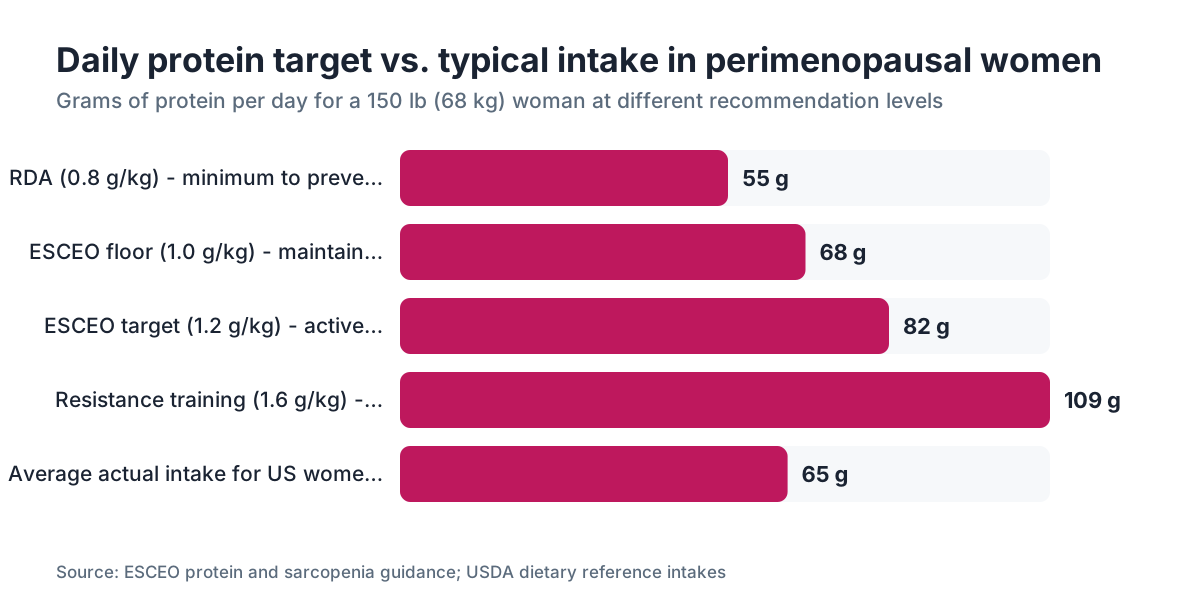
Most nutrition guidelines list 0.8 grams of protein per kilogram of body weight per day. That number exists to prevent deficiency in sedentary young adults. It is not enough for a perimenopausal woman trying to hold onto muscle.
The current best evidence, including a position statement from the European Society for Clinical and Economic Aspects of Osteoporosis, Osteoarthritis and Musculoskeletal Diseases, puts the target at 1.0 to 1.2 grams per kilogram daily for older adults to fight sarcopenia. [3] For a 150-pound (68 kg) woman, that is roughly 68 to 82 grams a day at the low end, and more if you train. Some sports medicine researchers push toward 1.6 g/kg for women doing resistance work.
Timing matters as much as the total. Your muscles can only put roughly 25 to 40 grams of protein toward synthesis at one sitting. Eating 70 grams at dinner and next to nothing at breakfast and lunch does far less than spreading it out. Aim for 25 to 30 grams at each main meal.
Best protein sources for perimenopause:
- Fish and shellfish (bonus omega-3s and vitamin D)
- Eggs (among the most bioavailable protein you can buy)
- Greek yogurt and cottage cheese (protein plus calcium)
- Legumes with grains (complete amino acid profile, plus phytoestrogens)
- Tofu and tempeh (soy protein with isoflavones)
- Lean poultry
Animal protein tends to carry more leucine, the amino acid that flips the switch on muscle protein synthesis. You do not have to eat meat. But if you are plant-based, watch your leucine-rich sources (soybeans, lentils, hemp seeds) and your total protein volume.
Which foods help with hot flashes and night sweats?
Hot flashes hit roughly 75% of perimenopausal and menopausal women, and diet genuinely moves their frequency and severity. The pathways: blood sugar stability, gut microbiome, phytoestrogen intake, and overall inflammation. [7]
Phytoestrogen-rich foods are the most studied. Soy isoflavones (genistein, daidzein) and lignans in flaxseed, sesame, and whole grains bind weakly to estrogen receptor beta and show mild estrogen-like activity in some tissues. The clinical effect swings a lot depending on whether your gut can turn daidzein into equol, a stronger metabolite. Roughly 25 to 50% of Western women can make equol, versus higher rates in Asian populations. [5]
Foods that keep showing up as triggers in research and clinical work:
- Alcohol, especially red wine and spirits
- Spicy food (capsaicin can lower the thermoregulatory threshold)
- High-dose caffeine (modest coffee intake is not clearly a problem)
- High-glycemic foods that spike blood sugar and then crash it
Foods tied to fewer or milder hot flashes:
- Flaxseed (2 tablespoons ground daily, the dose used in several small trials)
- Whole soy foods (edamame, tofu, tempeh, miso)
- Vegetables and whole grains, via lower glycemic load
- Magnesium-rich foods: dark leafy greens, pumpkin seeds, almonds
The pattern is more reliable than any single food. Women who cut alcohol and spicy food while adding soy and flaxseed often report meaningfully fewer hot flashes within about 6 weeks. The effect is smaller than hormone therapy, but for many women it is real.
None of this replaces hormone replacement therapy if your symptoms are severe. For mild to moderate symptoms, these changes are worth trying first, and they sit fine alongside HRT if you are already on it.
What should you eat to protect your bones during perimenopause?
Bone loss speeds up sharply in perimenopause. Women can lose up to 20% of their bone density in the five to seven years around menopause, most of it in the first two to three years after the final period. [6] The time to build your defense is now, not after a fracture.
Calcium needs rise. NAMS recommends 1,000 mg of calcium daily for women under 51 and 1,200 mg for those 51 and older. [7] Food beats supplements for most women. The Women's Health Initiative found calcium supplementation did not clearly cut fracture risk and came with small increases in kidney stones and possibly cardiovascular events. Getting calcium from food sidesteps that worry.
Best dietary calcium sources:
- Plain yogurt: roughly 300 mg per cup
- Sardines with bones: about 350 mg per 3.75 oz can
- Cooked kale or bok choy: 200 to 250 mg per cup (and well absorbed)
- Fortified plant milks: 300 to 400 mg per cup (check labels, they vary)
- Tofu made with calcium sulfate: 250 to 350 mg per half cup
Vitamin D is calcium's partner. Without enough D, you absorb only 10 to 15% of dietary calcium. The Endocrine Society recommends 1,500 to 2,000 IU of vitamin D3 daily for adults at risk of deficiency, which covers most perimenopausal women who live north of Atlanta, work indoors, or have darker skin. [8] Few foods carry meaningful D (fatty fish, egg yolks, fortified dairy), so supplementing often makes sense. Test your blood level. You want serum 25-hydroxyvitamin D above 30 ng/mL, ideally above 40. [11]
Vitamin K2 helps steer calcium into bone instead of arteries. Natto, aged cheese, and some supplements supply it. The evidence is not as strong as for calcium and D, but it looks promising.
Magnesium is the bone mineral nobody talks about. Around 50 to 60% of your magnesium sits in bone, and a deficiency drags down both vitamin D metabolism and calcium absorption. Leafy greens, nuts, seeds, and whole grains cover it. Supplementing 200 to 400 mg of magnesium glycinate or citrate is reasonable if your diet is poor.
A bone density test (DEXA scan) is worth raising with your doctor, especially with risk factors like a family history of osteoporosis, low body weight, or a smoking history.
How do you manage weight during perimenopause without destroying your metabolism?
The average woman gains 1.5 to 3 pounds a year through the menopausal transition, even with no change in how she eats. [2] Most of that is visceral fat. And here is the frustrating twist: slashing calories hard makes it worse over time by burning through muscle and dropping your resting metabolic rate.
The smarter play is to focus on what you eat, more than how much. A high-protein, moderate-calorie diet holds onto muscle while still creating a fat-loss deficit. A moderate deficit of 300 to 500 calories below maintenance (not 1,000 or more) is the sound approach for most perimenopausal women.
Fiber does a lot of work here. A high-fiber diet (30-plus grams daily) slows gastric emptying, blunts post-meal blood sugar spikes, feeds gut bacteria that shape estrogen metabolism through the estrobolome, and keeps you full. Most American women eat around 15 grams a day. Closing that gap is one of the highest-return moves on this list. [4]
For women with real metabolic disruption, perimenopausal weight that will not budge with diet changes, or a BMI above 30, GLP-1 receptor agonists have entered the conversation. The STEP 1 trial found semaglutide 2.4 mg weekly produced an average 14.9% body weight reduction over 68 weeks in adults with obesity. [9] These drugs mimic a gut hormone that regulates appetite and slows gastric emptying, which makes them relevant for women whose hunger signaling has been thrown off by hormonal change. If that interests you, WomenRx prescribes GLP-1s for women online, and semaglutide and semaglutide for weight loss are worth reading first.
GLP-1s do not replace the diet foundation. Women on these medications who skimp on protein risk losing muscle along with fat, which can leave them worse off metabolically if they ever stop. The food work matters either way.
What role does blood sugar stability play in perimenopause symptoms?
Blood sugar instability is one of the most underrated drivers of perimenopausal misery. Hot flashes, mood swings, fatigue, brain fog, and broken sleep all get worse with blood sugar swings. Estrogen normally helps keep glucose metabolism steady. As it drops, that buffer goes with it.
High-glycemic foods (white bread, sugary drinks, low-fiber cereals, most processed snacks) drive a fast glucose spike and a sharp drop. That drop triggers cortisol and adrenaline, which can fire a hot flash, wreck your sleep if it happens overnight, and tank your energy in the afternoon. This is not theoretical. Continuous glucose monitor studies in perimenopausal women show larger glucose swings than in age-matched premenopausal women eating the same food.
Practical steps for blood sugar stability:
- Eat protein and fat before or with carbohydrates, never carbs alone
- Do not skip breakfast, and make it high in protein
- Keep large carbohydrate portions out of the late evening
- Walk 10 to 15 minutes after meals (small trials show it blunts post-meal glucose by 10 to 30%)
- Vinegar (1 to 2 tablespoons before a high-carb meal) modestly softens the glucose response; the effect is real but small [10]
The glycemic load of your whole diet matters more than any single food. Beans, olive oil, and vegetables produce a completely different glucose curve than the same calories of white pasta with marinara. Chase the pattern, not perfection.
Are there specific nutrients most perimenopausal women are deficient in?
Several nutrients run chronically low in perimenopausal women, and a shortfall in any of them worsens symptoms.
Iron. Perimenopause often brings heavier periods before cycles stop. Pair that with lower dietary iron in midlife, and deficiency is common. It causes fatigue and cognitive fog that women often chalk up to menopause itself. Get ferritin tested, more than hemoglobin. Ferritin below 30 ng/mL suggests depletion even if you are not technically anemic.
Vitamin D. Deficiency is everywhere. The Endocrine Society's clinical practice guideline recommends testing 25-OH vitamin D in at-risk women. [8]
Magnesium. Depleted by stress, alcohol, processed food, and some medications (diuretics, proton pump inhibitors). The deficiency symptoms overlap heavily with perimenopause: poor sleep, muscle cramps, anxiety, constipation.
Omega-3 fatty acids. Most women on a Western diet run low on EPA and DHA. These long-chain omega-3s lower systemic inflammation, support brain function, and may modestly ease hot flash severity. The general recommendation is 1 to 2 grams of combined EPA and DHA daily from fatty fish or fish oil.
B vitamins, especially B12. Absorption drops with age, and plant-based eaters are at high risk. Low B12 brings neurological symptoms, fatigue, and depression.
Choline. Almost nobody talks about choline for women, and the data is striking. Roughly 90% of American women fall short of adequate intake. Choline drives liver function, brain health, and phosphatidylcholine synthesis. Eggs are the richest common source. Some researchers suspect inadequate choline feeds the nonalcoholic fatty liver disease risk that climbs after menopause. [12]
A basic metabolic panel plus ferritin, 25-OH vitamin D, and a complete blood count covers most of these in one lab draw. Ask for it.
How does alcohol affect perimenopause symptoms?
Alcohol earns its own section because its effect during perimenopause is consistently worse than women expect.
Even one drink a night disrupts sleep architecture and adds awakenings in the second half of the night. Night sweats get more frequent after alcohol. A 2019 observational analysis found alcohol was one of the strongest dietary predictors of hot flash severity in midlife women. [4]
Alcohol also raises breast cancer risk. The relative risk climbs roughly 7 to 10% per daily drink, and that risk stacks up during the menopausal transition when breast tissue is under hormonal flux. That is worth holding in mind alongside any decision about hormone replacement therapy.
Alcohol disrupts the gut microbiome and slows the liver's handling of estrogen. The liver processes both alcohol and estrogen, so when alcohol is present, estrogen clearance drags. That can worsen estrogen-driven symptoms even while your overall estrogen is falling.
This is not a prohibition argument. An occasional drink carries a different risk profile than nightly wine. But if you are fighting hot flashes, broken sleep, and mood swings, a 4 to 6 week alcohol reduction experiment is worth trying before you reach for supplements or medication.
What does a realistic perimenopause meal plan actually look like?
Abstract nutrition advice is cheap. Real meals are the hard part. Here is a day built around the perimenopause evidence.
Breakfast: Two eggs scrambled with a handful of spinach and a tablespoon of olive oil, half a cup of plain Greek yogurt with berries and ground flaxseed, and a small handful of walnuts. Roughly 35 grams of protein, solid calcium, omega-3s from flax and walnuts, and a low-glycemic carb load.
Lunch: A big salad with canned sardines or leftover salmon, a cup of cooked lentils or chickpeas, plenty of raw vegetables, olive oil and lemon dressing, and a small piece of whole grain bread if you want it. Roughly 35 to 40 grams of protein, high fiber, calcium from sardines, phytoestrogens from legumes.
Dinner: A 4 to 5 oz portion of baked salmon or chicken thigh, a generous serving of roasted vegetables (broccoli, sweet potato, Brussels sprouts), and half a cup of cooked farro or brown rice. Roughly 30 grams of protein, high-fiber carbs, vitamin D from salmon.
Snacks if needed: Cottage cheese with cucumber, a hard-boiled egg, edamame, or a small handful of almonds with a piece of fruit.
What this plan is not: low in protein, low in fat, high in refined carbs, or built around smoothies and salads that leave you starving by 10am. Women in perimenopause often tell clinicians they eat "healthy" and still gain weight. Usually they are eating a diet that was fine at 30 but is too low in protein and too high in refined carbs for a body that is now insulin-resistant and losing muscle.
If you are also managing symptoms with progesterone therapy, know that progesterone can raise appetite in some women. That makes building satiety into every meal, through protein and fiber, extra important.
Does the gut microbiome matter for perimenopausal hormone balance?
Yes, and the mechanism is specific enough to be worth knowing. A subset of gut bacteria makes an enzyme called beta-glucuronidase, which deconjugates estrogens in the gut so they can be reabsorbed into circulation instead of excreted. This collection of microbes has a name: the estrobolome.
When your microbiome is diverse and well-fed with fiber, the estrobolome stays balanced and estrogen recycling behaves. When the microbiome gets disrupted by low-fiber diets, alcohol, antibiotics, or chronic stress, beta-glucuronidase activity goes haywire and estrogen metabolism follows.
Fermented foods directly raise microbiome diversity. A 2021 randomized trial in Cell found a high-fermented-food diet (yogurt, kefir, kimchi, sauerkraut, kombucha) raised microbiome diversity and lowered markers of systemic inflammation over 10 weeks, more than a high-fiber diet alone. [10] Do both. High fiber and fermented foods work through different mechanisms.
In practice: aim for at least 30 different plant foods a week (a research-backed threshold for microbiome diversity), eat at least one serving of fermented food daily, and keep fiber at 30-plus grams. Prebiotic-rich foods (garlic, onions, leeks, asparagus, bananas, oats) feed the bacteria you want.
How long does it take to see results from changing your diet in perimenopause?
Set your expectations before you start. Here is what the evidence says about timelines:
- Hot flash frequency: noticeable change is possible in 4 to 8 weeks with soy, flaxseed, and cutting alcohol and triggers. The NAMS-published soy study saw significant change at 12 weeks. [5]
- Blood sugar stability and energy: often noticeable within 1 to 2 weeks of trimming refined carbs and adding protein and fiber. This is one of the fastest responders.
- Weight: modest and slow. A 300 to 500 calorie deficit with high protein produces about 0.5 to 1 lb of fat loss per week. Do not expect more, and do not chase more.
- Bone density: a multi-year outcome. Dietary calcium and vitamin D work over months to years. You will not feel it, but a follow-up DEXA scan at 1 to 2 years shows the difference.
- Mood and sleep: gut microbiome shifts take 6 to 10 weeks to settle. Magnesium can move sleep within 2 to 4 weeks in deficient women.
The single biggest mistake perimenopausal women make is giving a dietary change two weeks, seeing a little movement, and quitting. The hormonal mechanisms you are working on are slow. Give it 12 weeks before you draw any conclusions.
If you have held the changes for 12 weeks and still face severe symptoms, weight that will not move, or mood and cognition that are running your life, that is your signal for medical evaluation. Options include lab work to check hormone levels, evaluation for hormone replacement therapy, or, for women with significant metabolic issues, a conversation about GLP-1 medications with a provider like WomenRx that focuses on women's hormonal health.
Frequently asked questions
What is the single best diet for perimenopause?
The Mediterranean diet has the most evidence for perimenopausal women, with research linking it to fewer hot flashes, lower risk of early menopause, and better cardiovascular and metabolic outcomes. A plant-forward diet high in whole soy has strong evidence specifically for hot flash reduction. Both share a structure: high in fiber, plants, healthy fats, and lean or plant protein, and low in processed food and added sugar.
How much protein should I eat during perimenopause?
Current evidence supports 1.0 to 1.2 grams of protein per kilogram of body weight daily to preserve muscle during perimenopause, and up to 1.6 g/kg if you do regular resistance training. For a 150-pound woman, that is 68 to 82 grams minimum. Spreading protein across three meals of 25 to 35 grams each works better for muscle synthesis than eating most of it in one sitting.
Does soy actually help with hot flashes?
Yes, with caveats. A 2021 randomized trial in Menopause found a low-fat vegan diet rich in whole soy cut moderate-to-severe hot flashes by 84% in 12 weeks. Real-world results are more modest. Whole soy foods (edamame, tofu, tempeh, miso) work better than supplements. The benefit depends on whether your gut bacteria can produce equol from soy isoflavones, which only 25 to 50% of Western women can do.
Is alcohol really that bad during perimenopause?
Yes, more than most women realize. Even moderate alcohol worsens hot flashes, disrupts sleep in the second half of the night, and raises breast cancer risk by about 7 to 10% per daily drink. Alcohol also slows estrogen clearance in the liver. Women who cut back or stop consistently report better hot flash frequency and sleep within 4 to 6 weeks. It is one of the highest-impact dietary changes you can make.
What foods make hot flashes worse?
The most consistent triggers are alcohol (especially wine and spirits), spicy food containing capsaicin, high-glycemic carbohydrates that spike and crash blood sugar, and high-dose caffeine. Hot flashes come from a lowered thermoregulatory threshold in the brain, and these foods lower it further. Not every woman reacts to every trigger. A simple two-week food and symptom diary is the fastest way to find yours.
How much calcium do I need during perimenopause?
NAMS recommends 1,000 mg of calcium daily for women under 51 and 1,200 mg for women 51 and older. Food sources beat supplements: calcium from food is absorbed differently and skips the kidney stone and cardiovascular concerns tied to high-dose calcium pills. Good sources include plain yogurt (300 mg per cup), sardines with bones (350 mg per can), cooked kale, and calcium-set tofu.
Will eating less help me lose weight during perimenopause?
Cutting calories hard often backfires. Severe restriction speeds up muscle loss, drops your resting metabolic rate, and makes long-term weight management harder. A modest deficit of 300 to 500 calories below maintenance, with high protein to protect muscle and resistance training, is more effective and safer. Focusing on food quality, blood sugar stability, and fiber usually beats calorie-cutting alone.
Can intermittent fasting work during perimenopause?
Intermittent fasting can work but has real downsides for perimenopausal women. Skipping breakfast or eating in a narrow window makes it harder to hit protein targets across three meals, which threatens muscle. Some women find longer fasts worsen cortisol and sleep. A 12-hour overnight fast (eating between 7am and 7pm, say) captures some metabolic benefit without the muscle loss risk of longer windows.
What vitamins and supplements are worth taking during perimenopause?
Based on evidence, the most useful are vitamin D3 (1,500 to 2,000 IU daily for most women, test first), magnesium glycinate or citrate (200 to 400 mg), and omega-3s (1 to 2 grams combined EPA plus DHA). Calcium supplements make sense only if you cannot meet needs from food. Soy isoflavone supplements have moderate evidence for hot flashes, but whole soy foods are better. Most "menopause supplement" blends lack convincing trial data.
How does fiber help during perimenopause?
Fiber does several things that matter here: it blunts post-meal blood sugar spikes (fewer hot flash triggers and energy crashes), feeds gut bacteria that regulate estrogen recycling through the estrobolome, supports weight management by increasing satiety, and lowers inflammation. Most American women eat about 15 grams a day. The target is 30 or more. Legumes, vegetables, whole grains, and ground flaxseed close the gap fastest.
When does perimenopause start and how long does it last?
Perimenopause usually begins in the early to mid-40s, though some women notice changes in their late 30s. It lasts an average of four to eight years, ending 12 months after the final menstrual period. The dietary changes here matter most during this window and through the first several years after menopause, when bone loss and metabolic shifts move fastest. See our article on perimenopause age for more.
Do GLP-1 medications like semaglutide help with perimenopausal weight gain?
GLP-1 receptor agonists like semaglutide are FDA-approved for chronic weight management with strong trial data: the STEP 1 trial showed an average 14.9% body weight reduction over 68 weeks. For perimenopausal women with obesity or weight that will not respond to diet changes, they can be effective. The key caveat: women on GLP-1s must prioritize protein to avoid losing muscle with the fat. Diet quality does not become optional. It becomes more important.
Are there foods that support estrogen levels during perimenopause?
No food raises estrogen. But phytoestrogen-containing foods bind weakly to estrogen receptors and may partly cover for declining estrogen in some tissues. The main sources are soy (isoflavones), flaxseed (lignans), chickpeas, lentils, sesame seeds, and whole grains. The effect is real but modest next to hormone therapy. These foods earn their place regardless, because their overall nutrition is excellent for perimenopausal health.
How does perimenopause diet differ from a general healthy diet?
The differences are emphasis, not principle. A perimenopausal diet pushes protein harder (to counter accelerated muscle loss), targets calcium and vitamin D more specifically (against accelerated bone loss), uses phytoestrogens more deliberately (for symptoms), guards blood sugar more carefully (as insulin sensitivity declines), and cuts alcohol more urgently (its downsides are amplified now). The whole-foods foundation is the same. The priorities shift.
Sources
- NIH National Institute on Aging, Menopause overview
- Menopause (journal), Davis et al. 2021, visceral fat and the menopausal transition
- ESCEO (European Society for Clinical and Economic Aspects of Osteoporosis), Protein intake and sarcopenia guidance
- American Journal of Clinical Nutrition, Mediterranean diet and menopause risk study
- Menopause (journal), Barnard et al. 2021, vegan diet and hot flashes RCT
- NIH Office of Dietary Supplements, Calcium fact sheet for health professionals
- NAMS (North American Menopause Society), Menopause Practice: A Clinician's Guide
- Endocrine Society Clinical Practice Guideline, Vitamin D deficiency
- NEJM, Wilding et al. 2021, STEP 1 trial (semaglutide 2.4 mg for weight management)
- Cell, Wastyk et al. 2021, high-fermented-food diet and microbiome diversity RCT
- NIH Office of Dietary Supplements, Vitamin D fact sheet for health professionals
- NIH Office of Dietary Supplements, Choline fact sheet for health professionals