Menopause diet: what to eat, what to cut, and why it actually matters
TL;DR: No single food cures menopause, but the right eating pattern meaningfully reduces hot flash frequency, slows bone loss, and counters the metabolic shift that causes midlife weight gain. Prioritize protein (1.2 to 1.6 g per kg of body weight daily), calcium (1,200 mg/day after 50), omega-3 fats, and fiber-rich plants. Minimize ultra-processed foods, alcohol, and added sugar.
Why does menopause change how your body responds to food?
Estrogen does a lot more than regulate your period. It influences insulin sensitivity, fat distribution, bone turnover, gut microbiome diversity, and the brain circuits that govern hunger and satiety. When estrogen drops during the menopause transition, all of those systems shift at once.
The result is predictable and frustrating. Calories that maintained your weight at 38 produce slow gain at 50 even without any change in your habits. Fat migrates from hips and thighs toward the abdomen, where it sits as visceral fat, the metabolically active kind that raises cardiovascular and metabolic risk. Insulin resistance worsens. Appetite regulation loosens.
Research published in the journal Menopause found that postmenopausal women have significantly lower resting energy expenditure than premenopausal women of similar body composition, meaning the engine runs slower [1]. That's not a reason to eat dramatically less. Severe calorie restriction accelerates muscle loss and bone loss, two things you genuinely cannot afford in this decade.
The practical answer is to change the composition of what you eat, more than the quantity. A menopause diet plan is not a crash diet. It's a durable shift toward protein, micronutrient density, and anti-inflammatory foods that work with your changed hormonal environment rather than against it.
What are the most important nutrients during menopause?
A few nutrients pull more weight than others in the menopause years. Getting these right is non-negotiable.
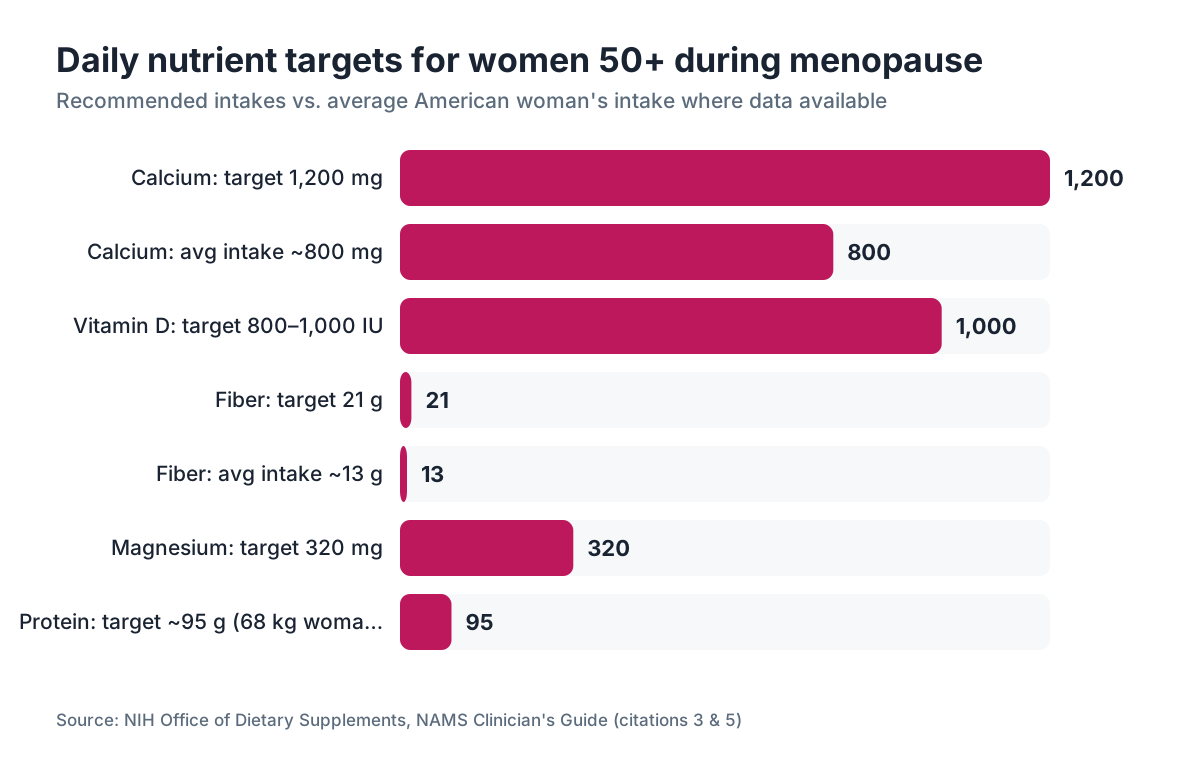
Protein. Muscle mass declines at roughly 3 to 8% per decade after 30, and that rate accelerates after menopause [2]. Adequate protein, combined with resistance training, is the best lever you have to slow that loss. The Recommended Dietary Allowance of 0.8 g per kg of body weight is a floor set to prevent deficiency, not to support healthy aging. Most sports medicine and geriatric nutrition researchers now point to 1.2 to 1.6 g per kg per day as the range that preserves muscle in older adults [2]. For a 150-pound (68 kg) woman that means roughly 82 to 109 grams of protein daily. Eggs, Greek yogurt, cottage cheese, fish, poultry, legumes, and tofu all count.
Calcium. The North American Menopause Society (NAMS) recommends 1,200 mg of calcium per day for women over 50, ideally from food first [3]. Dairy is the most efficient source, with one cup of plain yogurt delivering around 300 to 400 mg. If you avoid dairy, calcium-set tofu, canned sardines with bones, fortified plant milks, and leafy greens like bok choy fill the gap reasonably well.
Vitamin D. Calcium absorption depends on vitamin D, and most women in northern latitudes are deficient. NAMS recommends 800 to 1,000 IU daily for bone health, though some clinicians push higher based on serum levels [3]. Have your 25-OH vitamin D checked if you haven't recently.
Omega-3 fatty acids. EPA and DHA from fatty fish (salmon, mackerel, sardines, herring) reduce systemic inflammation and appear to support mood and cardiovascular health. A 2020 analysis in Nutrients found that higher omega-3 intake was associated with reduced hot flash severity in some but not all studies, so the data are mixed, but the cardiovascular benefit alone makes two to three servings of fatty fish per week worthwhile [4].
Magnesium. Sleep disruption is one of the most common complaints in perimenopause, and magnesium deficiency worsens it. Pumpkin seeds, almonds, black beans, and dark chocolate are good sources. The Dietary Reference Intake for women over 30 is 320 mg per day [5].
Phytoestrogens. Isoflavones in soy and lignans in flaxseed bind weakly to estrogen receptors and may modestly reduce hot flash frequency. A Cochrane review found that phytoestrogen supplementation reduced hot flash frequency by about 26% compared to placebo, though effects were variable [6]. Food sources are safer and better studied than concentrated supplements.
Which foods actually help with hot flashes?
Hot flashes are triggered by a narrowed thermoregulatory zone in the hypothalamus, a change driven by declining estrogen and altered norepinephrine signaling. Diet can nudge that zone a little, but it won't eliminate hot flashes the way hormone replacement therapy does.
Soy isoflavones are the most studied dietary intervention. Whole soy foods (edamame, tofu, tempeh, miso, unsweetened soy milk) provide 25 to 50 mg of isoflavones per serving. The evidence suggests this range can reduce hot flash frequency by roughly 20 to 30% in some women, with the effect being more pronounced in women who are equol producers, meaning their gut bacteria convert daidzein (a soy isoflavone) into equol [6]. About 25 to 30% of Western women and 50 to 60% of Asian women are equol producers, which may partly explain why hot flash rates differ so dramatically across populations.
Flaxseed is the other well-studied phytoestrogen source. Two tablespoons of ground flaxseed daily (around 14 grams) provides lignans and omega-3s. Store ground flaxseed in the fridge; it goes rancid quickly.
On the other side, several common foods reliably worsen hot flashes in many women. Alcohol, caffeine, spicy foods, and hot beverages are the usual culprits, though sensitivity is individual. Alcohol is worth particular attention: it disrupts sleep architecture, raises breast cancer risk, and is a known hot flash trigger. There's no safe floor that makes it helpful.
The dietary pattern with the strongest overall evidence for symptom relief is a plant-forward, low-glycemic approach. A 2023 randomized trial published in Menopause found that a low-fat, plant-based diet rich in soy reduced moderate-to-severe hot flashes by 84% over 12 weeks compared to 42% in the control group, though that was a small trial and the results are more promising than definitive [7].
How should a menopause diet plan address weight gain?
Midlife weight gain is real, common, and driven by more than just getting older. The hormonal shift of menopause specifically increases visceral adiposity, independent of total calorie intake or physical activity. Studies from the Study of Women's Health Across the Nation (SWAN) documented that women gain an average of 1.5 kg during the menopausal transition even without changing their diet or exercise patterns [1].
The dietary strategies with the clearest evidence for managing weight in this life stage:
Protein at every meal. Protein raises satiety hormones and has the highest thermic effect of any macronutrient, meaning your body burns more calories digesting it. Aim for 25 to 35 grams per meal rather than front-loading it all at dinner, which is what most American eating patterns accidentally do.
Reduce ultra-processed foods and refined carbohydrates. The insulin-sensitizing effect of cutting refined carbs is well documented, and the postmenopausal insulin resistance means you're simply more vulnerable to the blood-sugar spikes that drive fat storage and hunger rebounds. This doesn't mean eliminating carbs; it means trading white bread, sweetened cereals, and packaged snacks for whole grains, legumes, and fruit.
Fiber. Women over 50 average around 13 grams of fiber per day; the recommended intake is 21 grams [5]. Fiber slows gastric emptying, feeds beneficial gut bacteria, and is independently associated with lower body weight. Beans, lentils, oats, vegetables, and whole fruit are your best sources.
Time-restricted eating. There's emerging evidence that matching meals to your circadian rhythm, essentially eating most calories earlier in the day and finishing by early evening, improves insulin sensitivity and may support weight management in menopausal women. The data are preliminary, but the pattern is low-risk and worth experimenting with.
For women whose weight is significantly affecting their health, GLP-1 receptor agonists like semaglutide or tirzepatide are now a real clinical option. The SURMOUNT-1 trial found tirzepatide produced an average of 20.9% body weight loss over 72 weeks in adults with obesity [8]. These medications work best alongside dietary change, not instead of it. If that's a path you're considering, semaglutide for weight loss is worth reading, and you can evaluate options through telehealth platforms like WomenRx that specialize in hormonal and metabolic health for women.
What should you eat to protect bones during menopause?
Bone loss accelerates sharply in the first few years after menopause, sometimes reaching 2 to 3% per year, compared to the typical 0.5 to 1% per year before menopause [3]. By the time a woman is 65, she may have lost 25 to 30% of her peak bone mass if nothing is done. Diet is one of the few modifiable factors that slow that curve.
Calcium and vitamin D are the foundation, but they're not the whole picture. Vitamin K2 (found in fermented foods like natto and some cheeses) may help direct calcium into bones rather than arteries, though the evidence for supplemental K2 is less solid than for food sources. Magnesium is required for vitamin D activation. Collagen peptides are being studied for bone density support, with some small trials showing modest benefit, but the data aren't strong enough to make firm recommendations.
Protein matters for bone too. Bone is about 50% protein by volume (mostly collagen), and low protein intake is associated with higher hip fracture risk in older women [2]. The old concern that high protein leaches calcium from bones has been largely disproven in more recent research.
Phosphoric acid in cola drinks does measurably impair calcium absorption, which is worth knowing if soda is part of your daily pattern. Excessive sodium also increases urinary calcium excretion. Neither is a crisis in moderation, but both chip away at the calcium budget.
If you haven't had a bone density test, the U.S. Preventive Services Task Force recommends screening for all women 65 and older, and earlier for postmenopausal women under 65 with risk factors [11].
How does a menopause diet support heart health?
Cardiovascular disease is the leading cause of death in women, and risk rises after menopause partly because estrogen has protective effects on blood vessel walls and lipid profiles [9]. LDL cholesterol typically rises after the menopause transition. Blood pressure tends to increase. Inflammation markers go up.
The dietary pattern with the strongest evidence for cardiovascular protection in women is the Mediterranean diet, which emphasizes olive oil, fatty fish, vegetables, legumes, whole grains, nuts, and moderate wine (though the cardiovascular benefit of wine specifically is increasingly questioned by researchers). A 2013 trial, PREDIMED, found that a Mediterranean diet supplemented with olive oil reduced major cardiovascular events by approximately 30% compared to a low-fat control diet, though the trial had methodological corrections after publication [9].
The specific elements most relevant to post-menopause cardiovascular risk:
Olive oil and nuts for monounsaturated and polyunsaturated fats. These raise HDL and lower LDL more than saturated fat substitution does. Walnuts have particularly good omega-3 data.
Oily fish twice a week or omega-3 supplementation (1 to 2 grams EPA+DHA daily) for triglyceride reduction [4].
Soluble fiber from oats, beans, and psyllium to lower LDL.
Reduced sodium, which matters more after menopause when blood pressure sensitivity to salt tends to increase.
Alcohol reduction. Even moderate alcohol raises triglycerides and blood pressure. The cardiovascular benefit that was claimed for moderate drinking has not held up under scrutiny using Mendelian randomization methods.
Are there foods that worsen menopause symptoms?
Yes, and the list is shorter than the internet makes it seem. You don't need an elimination diet or to cut out entire food groups. But a few categories consistently show up in research and in clinical practice as symptom amplifiers.
Alcohol. Beyond hot flashes and sleep disruption, alcohol raises the risk of breast cancer at any level of consumption, per a 2023 statement from the American Cancer Society [10]. The risk is not enormous in absolute terms, but it's real and dose-dependent, and it's one of the few dietary risk factors for breast cancer that is firmly established.
Added sugar and refined carbohydrates. These worsen insulin resistance, promote visceral fat accumulation, and can drive the blood sugar swings that destabilize mood and energy levels. You don't need to fear fruit, which comes packaged with fiber and micronutrients that blunt the glycemic hit.
Excessive caffeine. For women who are sensitive to it (and sensitivity often increases with age), caffeine can worsen anxiety, worsen hot flashes, and fragment sleep. If you're averaging three or more cups of coffee a day and sleeping poorly, this is worth testing.
High-sodium processed foods. These contribute to blood pressure elevation and calcium excretion, both problems you're more vulnerable to after menopause.
Trans fats and heavy processed meat. These raise systemic inflammation and cardiovascular risk. They're largely gone from the American food supply but persist in some fried restaurant food and certain packaged products.
Does the gut microbiome matter for menopause symptoms?
This is a genuinely emerging area and the research is early, so honest hedging is appropriate here.
The "estrobolome" is the collection of gut bacteria capable of metabolizing estrogens. These bacteria produce an enzyme called beta-glucuronidase that deconjugates estrogen in the gut, allowing it to be reabsorbed rather than excreted. In theory, a healthy, diverse estrobolome could influence circulating estrogen levels and potentially modulate menopausal symptoms. The research is intriguing but still largely observational and mechanistic rather than controlled trial data.
What's clearer is that the gut microbiome changes at menopause, apparently losing some of the diversity seen in premenopausal women, and that dietary fiber and fermented foods can support microbiome diversity. Kefir, plain yogurt with live cultures, kimchi, sauerkraut, and miso are practical fermented food additions.
Prebiotic fibers (found in garlic, onion, asparagus, Jerusalem artichokes, oats) feed beneficial bacteria. Getting these from food is preferable to high-dose probiotic supplements, where the evidence for specific formulations is still thin.
This is not a reason to spend money on expensive probiotic supplements marketed for menopause. But it is a reason to eat more plants and fermented foods, which have other well-established benefits anyway.
How do alcohol and caffeine interact with menopause?
Both are worth examining honestly because the messaging in popular media swings between dismissing any risk and demanding total abstinence, and neither is accurate.
Alcohol's interaction with menopause is multidimensional. It's a direct hot flash trigger in many women, acting via vasodilation. It suppresses REM sleep, which is already disrupted by night sweats. It's a known carcinogen with a dose-dependent relationship to breast cancer risk. And it provides calories with no nutritional value at an age when calorie budgets are already tighter. None of this means a glass of wine at a dinner party will harm you, but it does mean daily or heavy drinking is genuinely a bad idea in the menopause years.
Caffeine is more individually variable. Some women notice that coffee consistently precedes a hot flash. Others find no relationship. The research on caffeine and hot flashes is actually mixed, with some studies finding an association and others not. What's consistent is that caffeine after noon disrupts sleep in many women, and sleep is already under assault from night sweats. If you're sleeping poorly, cutting caffeine after noon is a low-cost experiment worth trying before reaching for sleep aids.
Green tea is an interesting middle ground. It contains caffeine but less than coffee, and its polyphenols (particularly EGCG) have some anti-inflammatory and metabolic effects. It's a reasonable swap if you're trying to reduce but not eliminate caffeine.
What does a sample menopause diet meal plan actually look like?
Rather than a rigid meal plan (which most people abandon within two weeks), here's a framework organized around the principles above.
Breakfast. A protein anchor is non-negotiable here because American breakfasts are typically carbohydrate-dominant and set up a blood sugar roller coaster. Two eggs with vegetables and a slice of whole-grain toast, or Greek yogurt with ground flaxseed, berries, and walnuts, or cottage cheese with fruit. Target 25 to 30 grams of protein.
Lunch. A large salad with a protein source (canned salmon or sardines, grilled chicken, a cup of lentils, or edamame) plus olive oil dressing and plenty of vegetables. Legumes at lunch are an efficient way to hit fiber targets early in the day.
Dinner. A smaller protein portion than many people are accustomed to, paired with a big vegetable portion and a small amount of whole grain or starchy vegetable. Fatty fish two or three times a week. Tofu or tempeh one or two nights.
Snacks. A small handful of walnuts or almonds. Plain yogurt with cinnamon. An apple with nut butter. The goal is to bridge between meals without spiking blood sugar.
Calcium math. Three servings of dairy or fortified plant milk per day gets you to roughly 900 mg, and the remainder comes from food sources like sardines, broccoli, and almonds. Supplemental calcium, if needed, should be calcium citrate (better absorbed, especially if stomach acid is reduced) taken in doses of 500 mg or less at a time.
| Nutrient | Target for women 50+ | Top food sources | |---|---|---| | Protein | 1.2 to 1.6 g/kg/day | Eggs, fish, Greek yogurt, legumes | | Calcium | 1,200 mg/day | Dairy, fortified plant milk, sardines | | Vitamin D | 800 to 1,000 IU/day | Fatty fish, fortified foods, sun | | Omega-3 (EPA+DHA) | 500 to 1,000 mg/day | Salmon, mackerel, sardines, walnuts | | Fiber | 21 g/day | Beans, oats, vegetables, fruit | | Magnesium | 320 mg/day | Pumpkin seeds, dark chocolate, almonds | | Phytoestrogens | 25 to 50 mg isoflavones/day | Edamame, tofu, tempeh, flaxseed |
How does hormone therapy interact with your menopause diet?
Diet and hormones are not competing interventions. They work through different mechanisms and are most effective together.
Hormone replacement therapy addresses the root cause of many symptoms: the drop in estradiol. It's the most effective treatment for hot flashes, sleep disruption, vaginal atrophy, and bone loss. A well-designed menopause diet supports the systems that estrogen was previously protecting: bone, cardiovascular function, metabolic health, and mood.
If you're on an estrogen patch or any form of systemic estrogen, a few dietary notes apply. Grapefruit and grapefruit juice inhibit CYP3A4, the enzyme that metabolizes many estrogens (particularly oral estradiol), which can raise serum estrogen levels unpredictably. This is more relevant for oral formulations than transdermal patches but worth knowing. Phytoestrogens in food amounts are generally considered safe alongside estrogen therapy, though very high-dose isoflavone supplements haven't been well studied in women on HRT.
Women taking progesterone should be aware that alcohol accelerates progesterone metabolism and can blunt its sleep-supportive effects.
For women who cannot or choose not to use hormone therapy, a well-executed menopause diet plan is the most important modifiable tool available, particularly for bone protection, cardiovascular health, and weight management. It won't replicate the effects of estrogen on hot flashes, but it meaningfully reduces overall symptom burden and long-term health risk.
WomenRx offers telehealth consultations that integrate hormonal assessment and nutritional guidance for women in perimenopause and beyond, which can be a practical way to get personalized recommendations based on your labs and symptoms rather than general population guidelines.
What about supplements: do any of them work for menopause?
The supplement industry around menopause is enormous and the evidence base is thin. Most products marketed for "menopause support" carry a 2025 FTC warning for making unsupported claims [10]. That said, a few supplements have genuine evidence behind them.
Calcium and vitamin D are the most established. If you can't consistently hit calcium targets through food, supplemental calcium citrate at 500 mg twice daily is reasonable. Vitamin D supplementation is warranted for anyone with a documented deficiency or who gets limited sun exposure. Most clinicians use a target serum 25-OH vitamin D of 40 to 60 ng/mL.
Magnesium glycinate (200 to 400 mg at bedtime) is frequently recommended for sleep and muscle cramping, with a reasonable safety profile and some supportive data.
Omega-3 fish oil supplements (1 to 2 grams EPA+DHA daily) are reasonable for women who don't eat fatty fish regularly, with established cardiovascular benefit.
Black cohosh is the most studied botanical for hot flashes. Results are inconsistent across trials. Some studies show modest benefit over placebo; others don't. The evidence doesn't support it strongly, but it has a reasonable short-term safety profile in women without liver conditions. NAMS says the evidence is insufficient to make a strong recommendation [3].
Red clover isoflavones have similar mixed evidence to soy isoflavones. They're unlikely to harm you but are unlikely to replace whole food sources.
Dehydroepiandrosterone (DHEA) is a precursor hormone available as a supplement. At low doses (10 to 25 mg), some data suggest improvements in libido and energy, but it's not a well-regulated product category and purity varies enormously. Prescription vaginal DHEA (prasterone) is FDA-approved for vaginal atrophy and is a different situation entirely.
Melatonin for sleep (0.5 to 3 mg) has reasonable evidence in older adults for sleep onset, though it's not specifically menopause-focused.
Multivitamins in general are not substitutes for the nutrient priorities above. They're useful as insurance but shouldn't drive the strategy.
How does perimenopause diet differ from post-menopause eating?
The transition matters because symptoms and risks shift over the decade-long arc from early perimenopause age through post-menopause.
In early perimenopause, the most pressing dietary issues are often managing erratic symptoms (hot flashes that come and go, irregular bleeding, mood fluctuations) and beginning to build the habits that will protect bone and metabolic health long-term. Estrogen is still being produced, just inconsistently. The insulin resistance and visceral fat shift is beginning but hasn't fully established itself.
In late perimenopause and the first few years post-menopause, bone loss is at its steepest, cardiovascular risk is rising most rapidly, and the metabolic shift is fully established. This is when dietary calcium, protein, and anti-inflammatory patterns become most urgent. It's also when many women notice the weight gain that was creeping up for years suddenly seems more dramatic.
Years past menopause, the focus shifts toward frailty prevention, cognitive health (emerging evidence points to Mediterranean-pattern diets supporting cognitive resilience), and reducing cardiovascular risk. Protein targets remain equally important if not more so, because muscle loss compounds over time.
If you're unsure where you fall on that arc, our explainer on when does menopause start and menopause age can help you orient.
One thing doesn't change across all of these phases: the habits that will protect you most are boringly consistent. Protein at every meal. Calcium daily. Fish twice a week. Limit alcohol. Move your body with resistance training. Sleep is non-negotiable, and dietary choices (alcohol, caffeine timing, large late meals) are among the top modifiable factors affecting it.
Frequently asked questions
What is the best diet for menopause weight gain?
A higher-protein diet (1.2 to 1.6 g per kg of body weight daily), reduced refined carbohydrates, and fiber-rich whole foods form the strongest evidence-based approach. These changes address the insulin resistance and muscle loss that drive menopausal weight gain rather than just cutting calories, which can worsen muscle loss. Time-restricted eating (finishing meals by early evening) shows early promise for improving insulin sensitivity in this life stage.
Does soy actually help with hot flashes?
The evidence is real but modest. Soy isoflavones at 25 to 50 mg per day (achievable through edamame, tofu, or tempeh) reduce hot flash frequency by roughly 20 to 30% in studies. The effect is stronger in women whose gut bacteria produce equol from soy isoflavones, which is about 25 to 30% of Western women. Whole soy foods are preferable to concentrated supplements, where safety data are less thorough.
How much calcium do women need after menopause?
The North American Menopause Society recommends 1,200 mg of calcium daily for women over 50. Food sources are preferred over supplements. One cup of yogurt provides roughly 300 to 400 mg; sardines with bones, fortified plant milks, calcium-set tofu, and leafy greens contribute additional amounts. If supplementing, calcium citrate is better absorbed than calcium carbonate, especially if stomach acid declines with age.
What foods should you avoid during menopause?
Alcohol (triggers hot flashes, disrupts sleep, and raises breast cancer risk at any intake level), ultra-processed foods and refined carbohydrates (worsen insulin resistance and visceral fat accumulation), high-sodium processed foods (elevate blood pressure and increase calcium excretion), and excessive caffeine (can worsen hot flashes and fragment sleep in sensitive women). None of these require permanent total avoidance, but all of them have a measurable impact on menopause symptoms and long-term health.
Can a plant-based diet help menopause symptoms?
Yes, there's supportive evidence. A 2023 randomized trial in Menopause found that a low-fat plant-based diet rich in soy reduced moderate-to-severe hot flashes by 84% over 12 weeks, compared to 42% in controls. That's one small trial and the effect may not generalize, but a plant-forward eating pattern is also associated with better cardiovascular outcomes, weight management, and gut microbiome diversity, all of which matter in menopause.
Does the Mediterranean diet help with menopause?
It's one of the best-studied dietary patterns for the health risks that increase after menopause: cardiovascular disease, metabolic dysfunction, and inflammation. The PREDIMED trial found roughly a 30% reduction in major cardiovascular events on a Mediterranean diet. It matches menopause-specific nutrient priorities well because it emphasizes olive oil, fatty fish, legumes, vegetables, and nuts, all of which support bone, heart, and metabolic health.
How much protein should menopausal women eat per day?
Most nutrition researchers who focus on healthy aging recommend 1.2 to 1.6 grams of protein per kilogram of body weight per day for women in menopause, significantly above the standard RDA of 0.8 g/kg. For a 150-pound (68 kg) woman, that's roughly 82 to 109 grams per day. Distributing protein across meals (25 to 35 grams each) is more effective for muscle protein synthesis than concentrating it at dinner.
Is intermittent fasting or time-restricted eating good for menopause?
Possibly, though the evidence specifically in menopausal women is limited. Time-restricted eating (eating within an 8 to 10 hour daytime window) appears to improve insulin sensitivity and may support weight management, which fits the metabolic challenges of menopause. It's low-risk to try. Prolonged fasting or aggressive calorie restriction is not recommended because it accelerates muscle and bone loss in older women.
Do menopause supplements actually work?
A few do. Calcium citrate and vitamin D have clear evidence for bone protection. Omega-3 fish oil (1 to 2 grams EPA+DHA) supports cardiovascular health. Magnesium glycinate may help sleep. Black cohosh shows inconsistent results for hot flashes in trials. Most products marketed as 'menopause support' blends have weak or no supporting trial data, and the FTC has acted against companies making unsupported claims in this category.
What role does gut health play in menopause symptoms?
The gut microbiome metabolizes estrogens through a set of bacteria called the estrobolome, and diversity in these bacteria may influence circulating estrogen levels during menopause. The research is still early and mostly observational. What's established is that dietary fiber and fermented foods (yogurt, kefir, kimchi, miso) support gut microbiome diversity, and that this diversity declines at menopause. Eating more plants and fermented foods is a low-risk, evidence-adjacent strategy.
Can diet alone manage menopause without hormone therapy?
Diet addresses the downstream consequences of estrogen loss rather than estrogen loss itself. It can meaningfully reduce hot flash severity (especially with soy-rich patterns), protect bone (with calcium, vitamin D, and protein), support cardiovascular health (with Mediterranean-pattern eating), and improve weight management. But it will not eliminate severe hot flashes or reverse vaginal atrophy the way hormone therapy does. The two approaches are complementary, not competing.
Does alcohol make menopause symptoms worse?
Yes, reliably. Alcohol triggers hot flashes in many women via vasodilation, suppresses REM sleep (which is already disrupted by night sweats), raises triglycerides and blood pressure, and has a dose-dependent association with breast cancer risk. The cardiovascular benefit once attributed to moderate wine drinking has not held up in more rigorous research methods. Reducing or eliminating alcohol is one of the highest-impact dietary changes a menopausal woman can make.
How does a menopause diet change if you're on GLP-1 medications?
GLP-1 receptor agonists like semaglutide or tirzepatide significantly reduce appetite and calorie intake. On these medications, the protein target becomes even more critical because you need to protect muscle mass while losing weight rapidly. Prioritize protein at every small meal (25 to 30 grams even if portions feel tiny), keep calcium intake consistent, and take a multivitamin to cover micronutrient gaps from lower total food volume. Discuss with your prescriber.
What is the best breakfast for menopausal women?
A protein-anchored breakfast is most effective: two to three eggs with vegetables, Greek yogurt with ground flaxseed and berries, or cottage cheese with fruit and walnuts. Aim for 25 to 30 grams of protein and meaningful fiber. This combination blunts the blood sugar swings that worsen mood, energy, and hunger in women with increased insulin resistance. A typical high-carb American breakfast (cereal, toast, juice) is probably the worst pattern for this life stage.
Sources
- The SWAN Study (Study of Women's Health Across the Nation), Sternfeld et al., Menopause 2014
- NIH National Institute on Aging, Sarcopenia and Muscle Loss in Aging
- North American Menopause Society (NAMS), Menopause Practice: A Clinician's Guide
- Calder PC, Nutrients 2020, omega-3 fatty acids and inflammatory processes
- NIH Office of Dietary Supplements, Dietary Reference Intakes
- Lethaby A et al., Cochrane Database of Systematic Reviews, Phytoestrogens for menopausal vasomotor symptoms
- Barnard ND et al., Menopause 2023, low-fat plant-based diet and hot flashes
- Jastreboff AM et al., NEJM 2022, SURMOUNT-1 trial of tirzepatide
- Estruch R et al., NEJM 2013/2018, PREDIMED trial, Mediterranean diet and cardiovascular events
- American Cancer Society, Alcohol and Cancer Risk, 2023 statement
- U.S. Preventive Services Task Force, Osteoporosis Screening Recommendation
- Endocrine Society, Clinical Practice Guideline: Pharmacological Management of Obesity