Maximum dose of semaglutide: what the evidence actually says
TL;DR: The FDA-approved maximum dose of semaglutide is 2.4 mg once weekly for chronic weight management (Wegovy) and 1 mg once weekly for type 2 diabetes (Ozempic), with a 2 mg diabetes dose also approved. Dose escalation takes 16-20 weeks. Going higher than the approved ceiling has not been shown to improve outcomes and increases side-effect risk significantly.
What is the maximum approved dose of semaglutide?
The FDA has approved two different maximum doses depending on what semaglutide is being used for.
For chronic weight management in adults, the ceiling is 2.4 mg subcutaneous injection once weekly under the brand name Wegovy [1]. For type 2 diabetes, the ceiling under Ozempic is 2 mg once weekly, though the original approval covered doses up to 1 mg and many patients are maintained at 1 mg [2]. Oral semaglutide (Rybelsus) for diabetes tops out at 14 mg once daily [3].
Those numbers are not arbitrary. They come from the dose-ranging work done in the STEP trial program, which tested 0.5 mg, 1 mg, 1.7 mg, and 2.4 mg in large randomized populations and found that 2.4 mg produced the best weight-loss signal without a proportional jump in serious adverse events [4]. The FDA reviewed that data and set the ceiling accordingly.
Prescribers occasionally ask whether going above 2.4 mg might help patients who plateau. There is no approved pathway for that, and no large-scale trial data supporting it. If you are hearing about doses above 2.4 mg from a compounding pharmacy or an online clinic, that is outside the evidence base entirely.
What does the full semaglutide dose escalation schedule look like?
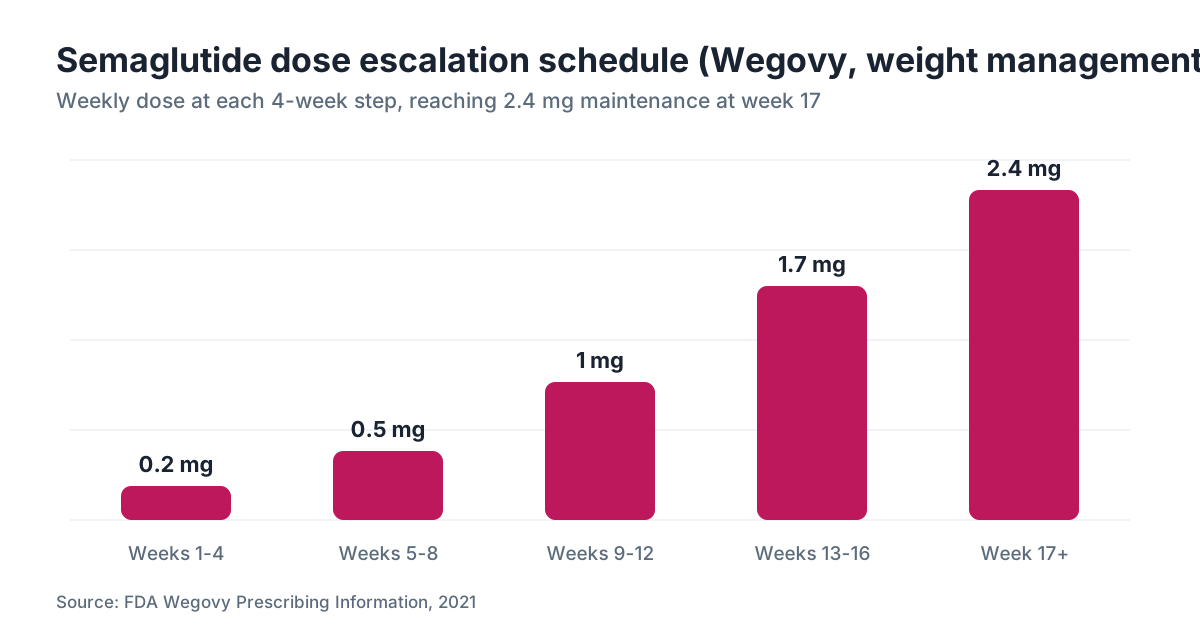
Reaching the maximum dose takes time. The FDA-approved titration schedule for Wegovy (weight management) is a staircase over 16 weeks [1]:
| Week | Dose | |------|------| | 1-4 | 0.25 mg/week | | 5-8 | 0.5 mg/week | | 9-12 | 1.0 mg/week | | 13-16 | 1.7 mg/week | | 17 onward | 2.4 mg/week (maintenance) |
For Ozempic (diabetes), the starting dose is also 0.25 mg for 4 weeks, then 0.5 mg for at least 4 weeks. If glycemic control is insufficient, the dose goes to 1 mg, and eventually up to 2 mg if needed [2].
The slow ramp is not a formality. It exists to let your gut adapt. GLP-1 receptors in the stomach and intestines govern gastric emptying, and jumping to a high dose too fast produces severe nausea, vomiting, and in some cases dehydration serious enough to cause hospitalization. The STEP 1 trial reported that nausea occurred in roughly 44% of participants in the semaglutide 2.4 mg group versus 16% in placebo, with most events concentrated in the first few weeks after each dose increase [4].
Some clinicians slow the escalation further for patients who are sensitive, holding each step for 8 weeks instead of 4. That is clinically reasonable and common in practice, though it means reaching the maintenance dose can take 6 months or more.
How much weight do people actually lose at the maximum 2.4 mg dose?
The STEP 1 trial is the best single data source here. In 1,961 adults without diabetes, 68 weeks of semaglutide 2.4 mg produced a mean weight loss of 14.9% of body weight versus 2.4% with placebo [4]. About one-third of participants lost 20% or more. Those are averages across a diverse population, so individual results vary widely.
Women in menopause or perimenopause tend to have more visceral fat redistribution driven by estrogen decline, and some data suggest GLP-1 agonists may be less effective in the setting of lower estrogen, though head-to-head trial data in postmenopausal women specifically are limited. If you are also dealing with menopause symptoms and weight gain, talking to a provider about both GLP-1 therapy and hormone replacement therapy together makes sense, since they address different mechanisms.
For comparison, tirzepatide (Mounjaro/Zepbound) at its maximum dose of 15 mg produced around 20.9% weight loss in the SURMOUNT-1 trial [5]. That difference is real and clinically meaningful for some patients. The semaglutide vs tirzepatide question genuinely matters when you are deciding which drug to start.
One clean fact worth remembering: semaglutide 2.4 mg reduced body weight by an average of 15.3 kg (about 34 pounds) in STEP 1, per the New England Journal of Medicine publication [4].
Can you take more than 2.4 mg of semaglutide to lose more weight?
No clinical trial has demonstrated that going above 2.4 mg improves weight loss outcomes, and the FDA has not approved any dose beyond that ceiling for weight management [1]. The dose-response curve for semaglutide appears to flatten after 2.4 mg, meaning the marginal benefit essentially disappears while side effects keep climbing.
There is a small but real risk of serious complications at very high doses. Semaglutide and other GLP-1 agonists carry a boxed warning about thyroid C-cell tumors based on rodent studies (clinical relevance in humans is still uncertain), and the FDA label warns against use in patients with a personal or family history of medullary thyroid carcinoma [1]. Pancreatitis, gastroparesis, and severe dehydration from vomiting are also documented risks that become more likely when doses are pushed.
Compounded semaglutide formulations, which are prepared by compounding pharmacies, are a separate issue. Some compounders have offered doses above 2.4 mg framed as "high-dose" protocols. Those formulations are not FDA-approved, the purity and potency are not independently verified through the same process as brand-name products, and the clinical rationale is not supported by published trial data. You can read more about what the FDA has said about this in our compounded semaglutide overview.
What happens if you miss a dose or need to pause at a lower dose?
Missing a single dose happens. If it has been 5 days or fewer since the missed dose, take it as soon as you remember and continue your regular schedule. If more than 5 days have passed, skip the missed dose and resume on your next scheduled day [2]. Do not double-dose.
If you need to stop semaglutide entirely for a medical procedure (most commonly, the concern is aspiration risk during anesthesia, since semaglutide slows gastric emptying), the American Society of Anesthesiologists issued guidance in 2023 recommending that patients on weekly GLP-1 agonists consider holding the medication for one week before elective procedures [6]. This is an evolving area and the guidance may be updated as more procedural data accumulate.
After a pause of more than a few weeks, many clinicians re-titrate from a lower dose rather than jumping back to the maintenance dose. That is not required by the FDA label, but it makes physiologic sense given that gut tolerance resets somewhat during a break.
Is the maximum dose different for people with type 2 diabetes versus those taking it for weight loss?
Yes, and the distinction matters if you are managing both conditions.
Ozempic (semaglutide for diabetes) has a maximum approved dose of 2 mg per week [2]. Wegovy (semaglutide for weight management) maxes out at 2.4 mg per week [1]. The active compound is identical; the approved indication and the dose ceiling are different.
Some patients with type 2 diabetes who also need substantial weight loss end up on Wegovy specifically because of the higher dose allowance and the weight-management indication. Insurers track this closely, so the prescribing indication affects coverage. Ozempic is generally better covered under pharmacy benefits for diabetes; Wegovy coverage for obesity varies significantly by plan and state.
Oral semaglutide (Rybelsus) is approved only for type 2 diabetes, not weight management, and the maximum dose is 14 mg daily [3]. Its bioavailability is much lower than injectable semaglutide (roughly 1% absorption under ideal fasting conditions), which is why the milligram numbers look so different from the injectable forms.
For a fuller picture of how semaglutide for weight loss works across these indications, that article covers the clinical and insurance landscape in more depth.
What side effects are most common at higher doses of semaglutide?
The side-effect profile follows the dose. Gastrointestinal symptoms, primarily nausea, vomiting, diarrhea, and constipation, are most frequent during dose escalation and at the higher maintenance doses [1][4].
In STEP 1, 44.2% of participants on 2.4 mg reported nausea compared to 16.0% on placebo. Vomiting occurred in 24.5% versus 6.8% in placebo. These events were mostly mild to moderate and transient, peaking in the first weeks after a dose increase and declining over time [4].
More serious but less common events include:
- Acute pancreatitis (incidence in semaglutide trials is low but the drug is contraindicated in patients with a history of pancreatitis)
- Gallbladder disease, including gallstones, reported in about 2.6% of Wegovy users in clinical trials versus 1.2% in placebo [1]
- Gastroparesis, or severely slowed gastric emptying, which can persist even after stopping the drug in some patients
- Injection site reactions, though these are generally minor
One concern that gets less attention than it deserves is muscle mass loss. Weight loss on GLP-1 agonists includes both fat and lean mass. Some analyses suggest roughly 25-40% of weight lost on semaglutide is lean mass rather than fat [7]. For women already losing muscle due to estrogen decline during perimenopause, this is worth taking seriously. Resistance training and adequate protein intake (most practitioners recommend 1.2-1.6 g per kg of body weight per day) are genuinely important, more than nice-to-have, when you are on a GLP-1 agonist.
Bone density is a related concern. Rapid weight loss, particularly without adequate resistance training and protein, can reduce bone mineral density. Women with osteopenia or osteoporosis risk should consider a bone density test before or during GLP-1 therapy.
How does the maximum dose of semaglutide compare to tirzepatide's ceiling?
This is one of the most practically useful comparisons you can make before starting treatment.
| Drug | Brand | Indication | Max dose | Mean weight loss in trials | |------|-------|------------|----------|---------------------------| | Semaglutide | Wegovy | Weight management | 2.4 mg/week | ~15% body weight (STEP 1) [4] | | Semaglutide | Ozempic | Type 2 diabetes | 2.0 mg/week | ~6% body weight (as diabetes drug) [2] | | Tirzepatide | Zepbound | Weight management | 15 mg/week | ~20.9% body weight (SURMOUNT-1) [5] | | Tirzepatide | Mounjaro | Type 2 diabetes | 15 mg/week | ~12-13% body weight [5] |
Tirzepatide's higher ceiling and dual GIP/GLP-1 mechanism produce meaningfully greater average weight loss. Whether that difference is worth the switch depends on your individual response, insurance coverage, and tolerance. Some people lose 20%+ on semaglutide; some lose less than 5%. Genetics, gut microbiome, baseline insulin resistance, and hormonal status all influence response in ways that are not yet fully predictable from any biomarker panel.
WomenRx clinicians see responses all over the map across both drugs, and the honest answer is that the best drug is often the one your insurance covers and your gut tolerates. Starting with one and switching if the response is inadequate at maximum dose is a reasonable strategy, and it is what many obesity medicine specialists do in practice.
What should women in perimenopause or menopause know about semaglutide dosing?
Hormonal changes during perimenopause and menopause affect body composition, metabolism, and the way women respond to weight-loss interventions. Estrogen decline reduces insulin sensitivity and shifts fat storage toward visceral (abdominal) fat. Both of those changes create the metabolic profile that GLP-1 agonists address, but there is a real interaction between estrogen status and GLP-1 receptor signaling that the field is still working out.
A 2023 analysis published in Menopause (the journal of The Menopause Society, formerly NAMS) found that postmenopausal women had somewhat attenuated weight-loss responses to GLP-1 agonists compared to premenopausal women in observational data, though the authors noted the difference could be confounded by age and baseline metabolic health rather than estrogen per se [8]. No large RCT has specifically randomized women by menopausal status on semaglutide, so this remains an area of genuine uncertainty.
Combining GLP-1 therapy with hormone replacement therapy is a clinically reasonable approach for perimenopausal and postmenopausal women who qualify for both. Estrogen therapy itself has documented benefits for insulin sensitivity and visceral fat distribution [9]. Some providers are now starting women on an estrogen patch or other HRT alongside a GLP-1 agonist when both indications exist. That combination is not yet studied in a dedicated RCT, but mechanistically it makes sense, and the safety profiles do not appear to conflict.
The muscle mass concern is heightened in this population. Women lose approximately 3-8% of muscle mass per decade after 30, and the rate accelerates after menopause. Adding the lean mass loss from rapid GLP-1-driven weight loss on top of that trajectory is a real concern that deserves proactive management, more than a footnote.
How long does it take to reach the maximum dose, and can you stay on it indefinitely?
The standard titration to the 2.4 mg maintenance dose takes 16 weeks, though in practice many clinicians use a slower schedule of 8 weeks per step, which pushes it to 28-32 weeks [1]. There is no definitive data saying one approach is better for long-term outcomes; slower titration just tends to produce better tolerability.
On the question of duration, semaglutide is approved for long-term use. The STEP 5 trial, a 104-week (two-year) study, showed continued weight maintenance and modest additional loss over the second year at 2.4 mg, with a mean weight loss of 15.2% from baseline [10]. The same trial showed that stopping semaglutide leads to substantial weight regain, with participants who discontinued during the extension phase regaining most of their lost weight within a year.
The implication is plain: for most people, semaglutide at the maximum dose works while you take it. It is not a temporary fix that resets your metabolism permanently. Treating it like a chronic condition medication, similar to a blood pressure drug, is the framing that matches the actual evidence.
Insurance coverage duration varies. Medicare Part D now covers Wegovy under limited circumstances following the FDA's 2024 cardiovascular risk reduction approval (the SELECT trial showed a 20% reduction in major adverse cardiovascular events in non-diabetic adults with obesity) [11]. Private insurance policies differ widely.
Does the maximum dose change based on kidney function, liver function, or BMI?
The FDA label for Wegovy does not require dose adjustment for renal or hepatic impairment, but it does call for caution in patients with severe renal impairment (eGFR below 15 mL/min/1.73 m2) due to dehydration risk from GI side effects [1]. If vomiting causes enough fluid loss to worsen kidney function, that becomes a clinical emergency.
There is no maximum BMI for semaglutide. The approved indication is a BMI of 30 or greater, or 27 or greater with at least one weight-related comorbidity (hypertension, type 2 diabetes, or dyslipidemia) [1]. The drug has been studied across many starting body weights, and the dose ceiling stays the same regardless of where you begin.
Liver function specifically: there is no hepatic dose adjustment in the label, and semaglutide does not undergo cytochrome P450 metabolism in the liver the way many drugs do. It is metabolized through proteolytic cleavage. However, patients with severe hepatic impairment were largely excluded from the STEP trials, so prescribers sometimes monitor more closely in that population.
Age over 65 does not change the recommended ceiling, but older adults tend to tolerate side effects less well and often benefit from an even slower titration schedule. The SELECT cardiovascular trial enrolled adults 45 and older, so there is meaningful data in older populations [11].
Frequently asked questions
What is the highest dose of semaglutide you can take?
The FDA-approved ceiling is 2.4 mg once weekly (Wegovy) for weight management and 2 mg once weekly (Ozempic) for type 2 diabetes. Oral semaglutide (Rybelsus) tops out at 14 mg daily. No clinical trial has shown benefit beyond these ceilings, and the FDA has not approved higher doses under any indication.
How long does it take to get to the maximum dose of semaglutide?
The standard schedule takes 16 weeks: 0.25 mg for 4 weeks, then 0.5 mg, 1.0 mg, and 1.7 mg each for 4 weeks before reaching 2.4 mg maintenance. Many clinicians use a slower 8-week-per-step schedule, meaning maximum dose is reached in 28-32 weeks. Slower titration generally reduces nausea and dropout.
What happens if I take too much semaglutide?
Taking more than prescribed significantly increases nausea, vomiting, and the risk of dehydration. Severe dehydration can acutely worsen kidney function. In overdose cases documented in postmarketing reports, severe hypoglycemia has occurred, particularly when semaglutide is combined with other glucose-lowering drugs. Seek emergency care for severe vomiting, inability to keep fluids down, or signs of kidney injury.
Is 2.4 mg of semaglutide too high for some people?
Yes, for a minority of patients. Roughly 4-7% of participants in STEP trials discontinued due to gastrointestinal side effects. Patients with a history of pancreatitis, severe gastroparesis, medullary thyroid carcinoma, or multiple endocrine neoplasia type 2 should not take semaglutide at any dose. For others who tolerate 1.7 mg well but struggle at 2.4 mg, staying at 1.7 mg is clinically defensible.
Can I stay at a lower dose instead of going to the maximum?
Absolutely. The titration schedule aims for 2.4 mg because that is where the largest average weight loss occurs, but some patients do well at 1.0 mg or 1.7 mg and experience fewer side effects. Your provider should individualize the target dose based on how you are responding and tolerating the medication, not treat 2.4 mg as mandatory.
Does the maximum dose of semaglutide differ for women versus men?
The FDA-approved maximum dose is the same regardless of sex: 2.4 mg/week for weight management. There is no sex-based dose adjustment in the label. Some observational data suggest differences in response by hormonal status (particularly postmenopausal versus premenopausal women), but no randomized trial has established a different dosing protocol for women based on menopausal status.
What is the maximum dose of compounded semaglutide?
Compounded semaglutide is not FDA-approved at any dose. The FDA has flagged several compounding pharmacies for selling semaglutide formulations (including high-dose versions) without the same purity and potency verification as brand-name products. There is no established clinical evidence supporting doses above 2.4 mg from any source, including compounders.
How does the maximum dose of semaglutide compare to the maximum dose of tirzepatide?
Semaglutide's ceiling is 2.4 mg/week (Wegovy); tirzepatide's ceiling is 15 mg/week (Zepbound). The higher ceiling and dual GIP/GLP-1 mechanism of tirzepatide produce greater average weight loss in trials, roughly 21% versus 15% of body weight. Whether tirzepatide is the better choice depends on individual response, tolerability, and insurance coverage.
Will I regain weight if I stop taking the maximum dose?
Most people regain significant weight after stopping semaglutide, regardless of dose. The STEP 1 extension showed participants who discontinued regained about two-thirds of their lost weight within a year. This is not a personal failure; it reflects the drug addressing a hormonal and neurological regulation problem that persists after stopping. Long-term or indefinite treatment is the evidence-supported approach for most patients.
Is there a maximum dose for semaglutide during the first month?
Yes. The starting dose is always 0.25 mg/week for the first four weeks. This dose has no meaningful glucose-lowering or weight-loss effect; it exists purely to help the body adapt to the drug. Going to 0.5 mg or higher in the first month significantly increases GI side effects without improving outcomes.
How does kidney disease affect the maximum semaglutide dose?
The FDA label does not require a lower dose ceiling for kidney disease, but it warns about dehydration risk in severe renal impairment (eGFR below 15). If GI side effects cause vomiting and fluid loss, that can acutely worsen kidney function. Patients with significant CKD should be monitored closely and may benefit from a very slow titration schedule.
Can semaglutide be dosed more than once a week to increase the total dose?
No. Semaglutide has a half-life of approximately one week, which is why it is dosed once weekly. Splitting the dose or dosing twice a week does not improve efficacy and creates irregular blood levels. The FDA approval covers once-weekly subcutaneous injection only. Twice-weekly or daily injection protocols are not supported by the evidence base.
Sources
- FDA, Wegovy (semaglutide) Prescribing Information
- FDA, Rybelsus (semaglutide) Prescribing Information
- Wilding JPH et al., STEP 1 Trial, New England Journal of Medicine 2021
- Jastreboff AM et al., SURMOUNT-1 Trial, New England Journal of Medicine 2022
- American Society of Anesthesiologists, Guidance on GLP-1 Agonists and Elective Surgery 2023
- Wilding JPH et al., analysis of lean mass loss with semaglutide, Diabetes Care 2021
- The Menopause Society (NAMS), Menopause Journal, GLP-1 agonist response in postmenopausal women 2023
- Endocrine Society, Clinical Practice Guideline: Hormone Therapy in Postmenopausal Women
- Garvey WT et al., STEP 5 Trial (104 weeks), Obesity 2022
- Lincoff AM et al., SELECT Trial, New England Journal of Medicine 2023