How to reduce hot flashes without hormones: what actually works
TL;DR: Several non-hormonal options meaningfully reduce hot flashes. FDA-approved fezolinetant (Veozah) cuts them by about 60% in trials. Antidepressants like venlafaxine and paroxetine reduce them 40-65%. Cognitive behavioral therapy, cooling strategies, and a few supplements help modestly. Nothing matches estrogen, which reaches 75-90%. But these are real options when HRT isn't right for you.
Why do hot flashes happen in the first place?
Hot flashes happen because falling estrogen throws off the brain's thermostat. The hypothalamus regulates body temperature, and it relies on estrogen to keep the thermoneutral zone (the temperature range where your body neither sweats nor shivers) wide. When estrogen drops, that zone narrows sharply, sometimes to less than 0.4°C in research from Robert Freedman's lab at Wayne State [1]. After that, a tiny rise in core temperature sets off a full flush.
The neuroscience got clearer over the last decade. A group of hypothalamic neurons that make a peptide called neurokinin B (NKB) become overactive as estrogen falls. They send signals to the median preoptic nucleus and effectively shout 'too hot' even when core temperature has barely moved. That mechanism is exactly why a new drug class aimed at the neurokinin 3 receptor (where NKB binds) works.
For most women, vasomotor symptoms peak in the first two years after the final period. About 30% still have them a decade later [2]. That timeline shapes which treatments make sense and for how long.
What is fezolinetant and how effective is it?
Fezolinetant (brand name Veozah) is the first FDA-approved non-hormonal prescription drug built specifically for vasomotor symptoms. The FDA cleared it in May 2023 [3]. It blocks the neurokinin 3 receptor and interrupts the overactive NKB signaling that fires off a flash.
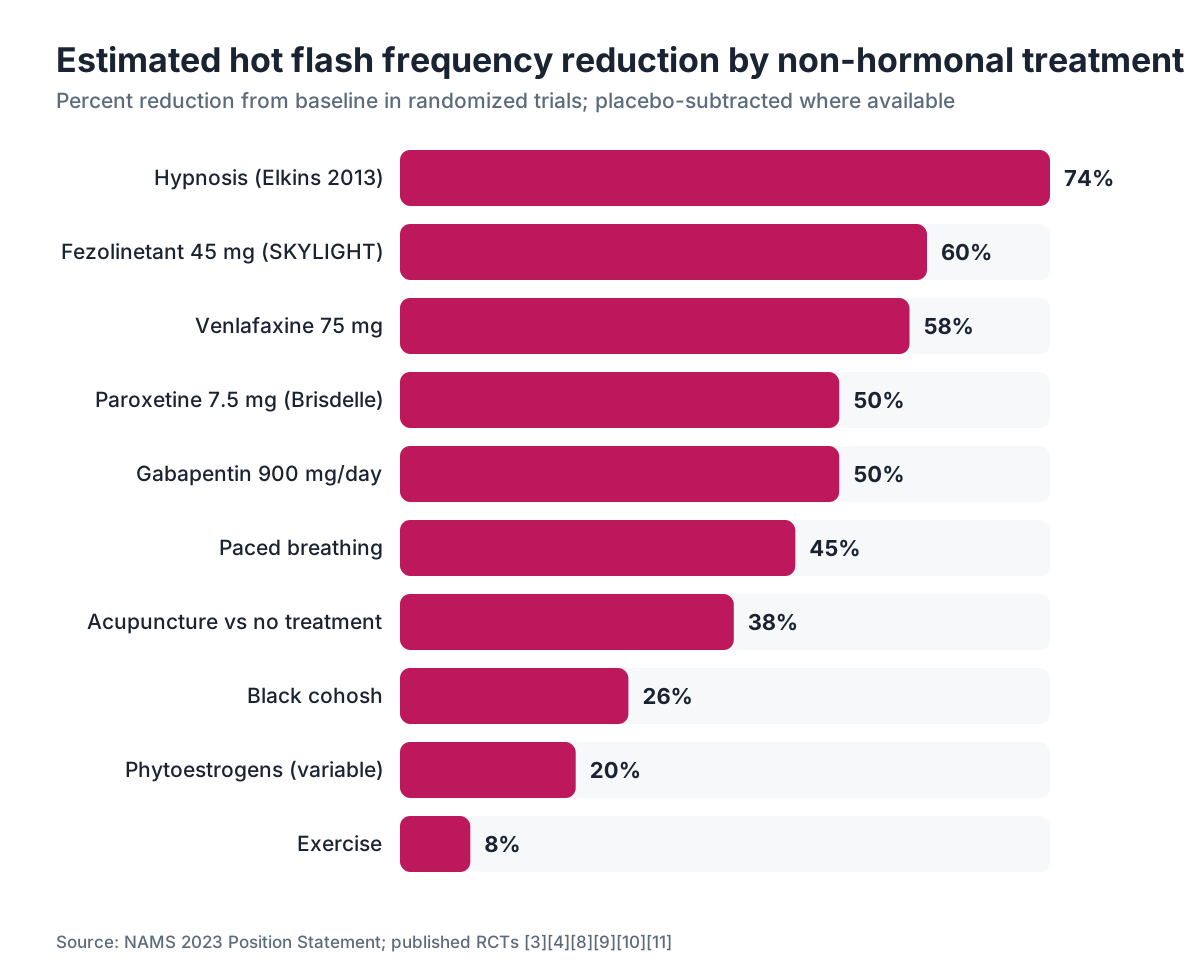
In the SKYLIGHT 1 and SKYLIGHT 2 phase 3 trials, fezolinetant 45 mg once daily reduced mean daily moderate-to-severe hot flash frequency by about 59-60% from baseline by week 12, versus roughly 40% for placebo [3]. That gap is real. Sleep scores improved too, which matters because nighttime flashes are often what women feel most.
Liver safety is the main caution. The FDA requires a liver function test at baseline, at 3 months, and at 6 months. A small number of trial participants had elevated liver enzymes. If you have hepatic impairment or take CYP1A2 inhibitors like fluvoxamine or ciprofloxacin, fezolinetant isn't for you. The dose is 45 mg once daily. The prescribing information does not support anything higher [3].
Cost is a barrier. Without insurance, Veozah runs roughly $550 to $600 a month as of 2024. Coverage is widening but still patchy. Call your insurer before you assume you can get it.
Do antidepressants actually reduce hot flashes?
Yes, and this is one of the most underused options going. Several antidepressants cut hot flash frequency by 40-65% even in women who aren't depressed, because they act on the norepinephrine and serotonin pathways tied to thermoregulation more than on mood [4].
Paroxetine 7.5 mg (Brisdelle) is the only FDA-approved antidepressant for hot flashes, cleared in 2013. That's a lower dose than the one used for depression. In trials it reduced hot flash frequency by about 33-65% depending on the study [4]. The usual antidepressant side effects (sexual dysfunction, weight changes, discontinuation symptoms) apply, though at this dose they tend to be milder.
Venlafaxine, an SNRI, at 75 mg a day is probably the most commonly prescribed off-label choice and the one many menopause specialists reach for first, because the evidence is strong and it also helps the anxiety and broken sleep that travel with hot flashes. A 2000 randomized trial in the Lancet found venlafaxine reduced hot flash scores by 61% versus 27% for placebo [4].
Desvenlafaxine and escitalopram have reasonable data too. Escitalopram is worth knowing about because a 2011 JAMA trial found it reduced hot flash frequency by 47% in a diverse group of women, including some with a breast cancer history [4].
One thing to flag: paroxetine and fluoxetine inhibit CYP2D6 and should not be used by women taking tamoxifen for breast cancer, because they lower tamoxifen's active metabolite. Venlafaxine, desvenlafaxine, and escitalopram don't carry that interaction and are the preferred choices on tamoxifen [5].
Does gabapentin help with hot flashes?
Yes. Gabapentin (Neurontin) reduces hot flash frequency by roughly 45-54% in published trials, with the strongest effect at 900 mg a day split across three doses [4]. It shines for women whose flashes are worst at night, since the sedation that's a nuisance by day becomes an asset in bed.
The drawbacks are sedation, dizziness, and three-times-daily dosing that makes sticking with it harder. Pregabalin (Lyrica) is a cousin drug with similar data and twice-daily dosing that some women find easier. Neither is FDA-approved for hot flashes, but both get used off-label by menopause clinicians.
Gabapentin is a controlled substance in some states. Pregabalin is federally scheduled (Schedule V). Neither belongs in the plan for a woman with a history of substance use disorder without close prescriber oversight.
Can cognitive behavioral therapy really reduce hot flashes?
It can, and the evidence surprises most women. The North American Menopause Society (NAMS) 2023 position statement lists CBT with Level I evidence for reducing the distress and perceived severity of hot flashes, even when objective frequency doesn't fall as far [5].
The MENOS 1 and MENOS 2 randomized trials out of King's College London tested a structured CBT program (six group sessions or a self-help book) against no treatment. Both formats reduced hot flash problem ratings and improved sleep and mood at 6-month follow-up. MENOS 2 found the self-help book worked about as well as the group program, which matters for anyone who can't get to a clinic.
How does thinking change a physical symptom? Partly by dialing down the anxiety arousal that amplifies perceived heat, partly by shifting the behavioral responses (catastrophizing, avoiding activities) that wreck quality of life. CBT doesn't cool your skin. It changes how much the flashes cost you.
You can reach CBT for hot flashes through a licensed therapist who knows menopause, or through structured workbooks built on the MENOS protocol. This is one of the few non-drug options where the price is predictable and the side effect profile is basically zero.
What lifestyle changes reduce hot flash frequency?
Lifestyle changes are worth doing, but the honest truth is their effect sizes are modest next to prescription options. That doesn't make them useless. They're the foundation everything else sits on.
Temperature management is the most actionable thing today. Moisture-wicking, layered clothing, a bedroom held between 65 and 68°F, and a small fan at the bedside are not glamorous, but they work. One small randomized crossover study found a cooling pillow reduced nighttime waking from hot flashes versus a standard pillow.
Smoking is both a trigger and a cause. Women who smoke have worse vasomotor symptoms than nonsmokers, and quitting reduces flash frequency over time [6].
Alcohol and spicy food reliably set off flashes in many women by raising core temperature directly. Caffeine's effect is more mixed. Keep a trigger diary for two weeks; triggers are personal, and patterns show up fast.
Weight and hot flashes have a tangled relationship. More body fat can trap heat and worsen severity. A 2010 study in Archives of Internal Medicine, drawn from the Women's Health Initiative behavioral weight loss trial, found women who lost at least 10 pounds were significantly more likely to report improvement in hot flashes [6]. The effect wasn't huge. It was real.
Exercise is complicated. Aerobic exercise improves sleep, mood, and overall menopause quality of life. The direct evidence that it lowers flash frequency is weak. A 2014 Cochrane review found exercise did not significantly reduce hot flash frequency or severity compared to control [7]. Do it anyway, just not as your primary hot flash strategy.
For women managing weight through perimenopause or menopause, GLP-1 medications have become more relevant. WomenRx offers GLP-1 consultations for women in this stage where appropriate.
Does black cohosh work for hot flashes?
Sometimes, a little. Black cohosh (Actaea racemosa) is the most studied herbal remedy for hot flashes, and the evidence is genuinely mixed. The best meta-analyses show a small but statistically significant reduction in frequency, roughly 26% better than placebo, though trial quality is all over the map [8].
NAMS notes in its 2023 position statement that black cohosh may help some women but that evidence is insufficient to recommend it broadly [5]. The Endocrine Society's 2015 menopause guideline landed in the same place: possible modest benefit, not proven.
Most positive trials used 20-40 mg of a standardized extract (often Remifemin) twice daily. Use beyond 6 months hasn't been studied well. The safety concern is rare but documented liver toxicity, so anyone with liver disease should skip it. The European Medicines Agency recommends a maximum of 6 months of use [8].
Black cohosh does not act as an estrogen in human tissue, despite early lab hints that it might, so current evidence considers it acceptable for breast cancer survivors. That area is still being studied.
For supplement products built around menopause support, see our coverage of the CVS menopause multivitamin with hot flash support and Health & Her perimenopause support.
What about other supplements: phytoestrogens, evening primrose oil, magnesium?
Phytoestrogens are plant compounds (soy and red clover isoflavones, flaxseed lignans) that bind weakly to estrogen receptors. The data is mixed and probably depends on the population. Japanese women who eat high-soy diets report lower rates of hot flashes, but randomized trials of soy supplements in Western populations have come back inconsistent [9]. A 2016 Cochrane review found phytoestrogen supplements reduced hot flash frequency versus placebo, but the effects were modest and varied widely across trials [9].
If you want to try phytoestrogens, dietary soy (edamame, tofu, tempeh) is a sensible way in without the dose guesswork of pills. Among the supplement forms, red clover isoflavones (40-160 mg/day) have the most consistent positive trial data.
Safety for breast cancer survivors is genuinely unclear. Moderate dietary soy is generally considered safe based on observational data, but high-dose isoflavone supplements aren't recommended for women with hormone-receptor-positive breast cancer until the evidence is better.
Evening primrose oil has been tested in small trials and doesn't beat placebo. Skip it.
Magnesium comes up constantly in menopause forums. One small pilot study suggested magnesium glycinate might reduce flash frequency, but it was uncontrolled and enrolled only women with a breast cancer history. Controlled evidence in the general population is missing. Magnesium does support sleep, which is a fair secondary reason to consider it if flashes wreck your nights. At 200-400 mg of magnesium glycinate at bedtime, the risk is low.
For a wider view of where menopause care is heading, the menopause society and the new menopause are good starting points.
Does acupuncture reduce hot flashes?
Acupuncture has better evidence than skeptics expect and worse evidence than its fans claim. A 2013 Cochrane review of randomized trials found acupuncture reduced hot flash frequency and severity compared to no treatment, but was not significantly better than sham acupuncture in most trials [10]. That's the honest read: a real effect against no treatment, unclear whether the needling itself matters versus the attention and expectation.
For women who've already tried medications and want to avoid more, or who are coping but want extra support, acupuncture is low-risk. The effect in the Cochrane data is modest, roughly 35-40% frequency reduction versus no treatment. Sessions run about $75 to $150 and most insurance won't cover them. That price weighs against options like venlafaxine.
The skill of the practitioner matters more here than in a drug trial, which makes the results hard to replicate and hard to generalize.
What does the evidence say about hypnosis for hot flashes?
Clinical hypnosis has a surprisingly strong evidence base. A 2013 randomized controlled trial published in Menopause (the NAMS journal) found that five sessions of hypnotic relaxation therapy reduced hot flash frequency by 74%, compared with a 17% reduction in a structured attention control group [11]. That's a bigger effect than most non-hormonal drugs.
The mechanism is thought to involve lowering sympathetic nervous system arousal and shifting the central perception of thermal sensations. This isn't stage hypnosis. Clinical hypnosis for hot flashes uses guided imagery of cool, comfortable sensations and trains women to self-hypnotize during a flash.
Access is the catch. Clinicians trained in this specific protocol are hard to find. Gary Elkins at Baylor University has published most of the work, and his lab's protocol manual has served as the training basis for other clinicians, but locating a practitioner near you takes effort. Recorded self-hypnosis programs based on the protocol have helped in smaller studies.
How do these non-hormonal options compare to each other?
Laying the numbers side by side is genuinely useful, because the differences in effect size drive the decision.
| Treatment | Estimated reduction in hot flash frequency | FDA-approved for hot flashes? | Notes | |---|---|---|---| | Fezolinetant 45 mg | ~59-60% | Yes (2023) | Requires liver monitoring | | Venlafaxine 75 mg | ~55-61% | No (off-label) | Good for concurrent anxiety/sleep | | Paroxetine 7.5 mg | ~33-65% | Yes (Brisdelle, 2013) | Avoid with tamoxifen | | Gabapentin 900 mg/day | ~45-54% | No (off-label) | Sedating, three times daily | | CBT | Variable frequency reduction; high distress reduction | No | Best for impact/quality of life | | Hypnosis | ~74% in one RCT | No | Access is limited | | Black cohosh | ~26% above placebo | No | Safety questions beyond 6 months | | Phytoestrogens | Modest, inconsistent | No | Dietary soy safer than supplements | | Exercise | No significant frequency reduction | No | Improves overall quality of life |
For most women who can't take or don't want hormones, a prescription SNRI or fezolinetant is where to start. For mild-to-moderate flashes, or flashes that mostly hurt quality of life rather than sheer count, CBT or hypnosis can genuinely help. Supplements are the weakest category and the most expensive relative to what the evidence shows.
If you want to explore prescription options, WomenRx offers telehealth consultations with providers familiar with the full range of non-hormonal and hormonal choices.
Are there specific triggers to identify and avoid?
Triggers vary a lot between women, which is why research on individual triggers stays inconsistent even when the population signals are clear. The most commonly reported triggers are hot beverages, alcohol, spicy food, hot environments, stress and anxiety, and smoking [6].
A two-week hot flash diary is probably the most useful thing you can do before trying anything else. Write down the time, the severity, what you were doing, what you ate or drank in the hour before, and your stress level. Patterns almost always surface. Some women find a single glass of wine reliably sets off a flash while black coffee does nothing. Others find more diffuse patterns.
Stress deserves its own attention. The anxiety response raises core temperature through sympathetic activation. For women whose flashes cluster around stressful moments, mind-body approaches (CBT, hypnosis, mindfulness) hit the most relevant mechanism. A 2011 study in Menopause found perceived stress was independently associated with more frequent and more bothersome hot flashes after controlling for other factors [12].
For a wider view of perimenopause beyond hot flashes, including the often-missed musculoskeletal symptoms, see our article on frozen shoulder menopause and the broader peri menopausal picture.
When should you talk to a doctor instead of trying things yourself?
Self-management is fine for mild, infrequent flashes. It stops being fine when hot flashes wreck sleep most nights, when they interfere with work or daily function, or when they've dragged on for more than a year with no letup.
A few red flags warrant a prompt call no matter how bad the flashes are. Any vaginal bleeding after menopause needs investigation, not a guess. More on that in is bleeding after menopause always cancer. Night sweats can point to thyroid conditions, lymphoma, or other problems rather than menopause, especially if you're under 45 or you have symptoms like significant weight loss or swollen lymph nodes. A thyroid hormone replacement therapy workup may be relevant if your flashes started alongside other thyroid symptoms.
For women who can't take estrogen because of hormone-receptor-positive breast cancer, blood clots, or uncontrolled cardiovascular disease, a conversation with a specialist (ideally someone with specific menopause training, more than a general gynecologist) is worth the time. The non-hormonal prescription options above are especially valuable in these groups and badly underused.
Frequently asked questions
How long does it take for non-hormonal hot flash treatments to work?
Prescription medications like venlafaxine and fezolinetant usually show measurable effects within 2-4 weeks. In the SKYLIGHT trials, fezolinetant reduced hot flash frequency significantly by week 4 and kept improving through week 12. CBT programs typically run 6-8 weeks, and gains often continue after the program ends. Black cohosh trials generally run 8-12 weeks before evaluation. If you've given a medication 6-8 weeks at an adequate dose with no benefit, switch approaches.
Can I use non-hormonal options and hormone therapy at the same time?
Yes, in some cases. Some women pair CBT or lifestyle strategies with HRT to handle leftover symptoms or keep the HRT dose lower. Fezolinetant hasn't been studied alongside estrogen therapy, so that combination isn't standard practice yet. If you're on HRT and still flashing, the more likely fix is an HRT adjustment rather than adding a non-hormonal drug, but your prescriber can guide that.
Is fezolinetant safe for women with a history of breast cancer?
Fezolinetant has no hormonal activity and isn't expected to stimulate hormone-receptor-positive breast tissue. It was studied in breast cancer survivors in the SKYLIGHT 4 long-term safety trial without an increased cancer signal. The FDA label doesn't specifically approve it for survivors, though, and oncologists vary in their comfort. Have this conversation with both your oncologist and whoever manages your menopause symptoms.
Does diet really affect hot flash frequency?
Modestly. Dietary soy (not supplements) is associated with slightly fewer hot flashes in women who metabolize equol, a soy isoflavone metabolite, roughly 30-50% of Western women. Cutting alcohol reliably helps many women. High-sugar diets may worsen flashes through insulin resistance and inflammation, though direct trial evidence is thin. The honest framing: diet improves your baseline but rarely erases hot flashes on its own.
Can mindfulness meditation reduce hot flashes?
Mindfulness-based stress reduction (MBSR) programs have reduced the perceived bother of hot flashes in small trials, working through a mechanism similar to CBT. A 2014 study in Menopause found MBSR reduced hot flash interference scores by about 15% versus control. Effect sizes are smaller than CBT or prescription options, but it's low-cost, widely available, and helps quality of life beyond flashes.
What is the best non-hormonal treatment for hot flashes at night specifically?
Gabapentin at bedtime works well for nighttime flashes because its sedation is an asset at night rather than a drawback. Venlafaxine also improves sleep. Practically: hold the bedroom at 65-68°F, use moisture-wicking bedding, and keep a cool damp cloth and a fan nearby for when you wake flushed. CBT specifically targets the waking-and-not-getting-back-to-sleep pattern that makes night sweats so disruptive.
Is there a non-hormonal option that works as well as estrogen?
No. Estrogen therapy reduces hot flash frequency by 75-90% and stays the most effective treatment by a wide margin. Fezolinetant at its best reaches about 60%. Venlafaxine reaches about 60% in the strongest trials. The gap is real. Still, 60% is a meaningful drop for many women, and when HRT carries real risk for someone, these alternatives change quality of life substantially.
Are cooling products or wearables worth buying for hot flashes?
Cooling pillows, moisture-wicking pajamas, and personal fans have thin formal evidence but strong face validity and low cost. A small crossover study of a cooling pillow found fewer waking events from hot flashes. Evaporative cooling sprays (water mists) can interrupt the rising phase of a flash. These don't lower flash frequency, but they cut the misery per flash. At $20-$50, they're reasonable to try before spending on supplements.
Can paced breathing reduce hot flashes?
Slow, controlled paced breathing (about 6 breaths per minute, sometimes called slow diaphragmatic breathing) has been studied specifically for hot flashes. Trials have found reductions in flash frequency, though results vary and the strongest early findings weakened in later controlled studies. The mechanism is thought to involve reducing sympathetic activation. It costs nothing and has no side effects. Practice 15 minutes twice daily and apply it at the onset of a flash.
What non-hormonal options work for hot flashes caused by breast cancer treatment?
This is one of the most common and undertreated situations in menopause medicine. Venlafaxine, desvenlafaxine, and escitalopram are preferred because they don't interfere with tamoxifen metabolism. Fezolinetant has been studied in this population. Gabapentin has good evidence specifically in breast cancer survivors. CBT and hypnosis data include breast cancer patients, and both show meaningful benefit. Avoid paroxetine and fluoxetine if you're on tamoxifen.
Does losing weight help with hot flashes?
Modestly, but the effect is real. The Women's Health Initiative behavioral trial found women who lost 10 or more pounds were significantly more likely to report improvement than those who didn't. The relationship likely runs both directions: excess body fat can trap heat and worsen flashes, and flash-disrupted sleep impairs the hormones that regulate appetite. Weight loss through sustainable dietary change or, where appropriate, medically supervised programs can be part of a broader plan.
How do I know if my night sweats are from menopause or something else?
Menopausal night sweats usually show up in context: you're 40-60, your periods have changed, and you have other perimenopause symptoms. Non-menopausal causes include thyroid disorders, lymphoma, infection (including TB and HIV), certain medications (antidepressants, steroids), and anxiety disorders. Red flags that warrant investigation are night sweats under age 40, unintentional weight loss, swollen lymph nodes, or fever. Basic labs including TSH and a CBC rule out most medical causes quickly.
Is paced breathing or other breathing exercises actually proven to help?
The evidence is mixed and softer than it once looked. Early small trials reported meaningful reductions in flash frequency from slow paced breathing (6 breaths per minute), but larger and better-controlled studies showed weaker effects. NAMS still includes paced respiration among potentially useful behavioral interventions. The barrier to trying is essentially zero, so it's a fair addition to a broader plan even if it won't carry the load alone.
What supplements should I avoid for hot flashes because they're a waste of money?
Evening primrose oil has repeatedly failed to beat placebo in controlled trials, so skip it. Dong quai, wild yam cream, and over-the-counter progesterone creams have no credible evidence for hot flashes. High-dose vitamin E (800 IU/day) showed a trivial reduction in one small trial, not worth the cost or the cardiovascular risk at high doses. The menopause supplement market is large and mostly unproven. If you want a supplement, stick to black cohosh or dietary phytoestrogens.
Sources
- Freedman RR, Wayne State University, 'Pathophysiology and treatment of menopausal hot flashes', Seminars in Reproductive Medicine 2005
- Penn Ovarian Aging Study / Freeman EW et al., JAMA Internal Medicine 2011
- U.S. Food and Drug Administration, Veozah (fezolinetant) approval and prescribing information, May 2023
- Loprinzi CL et al., 'Venlafaxine in management of hot flashes in survivors of breast cancer', Lancet 2000; Nelson HD et al., Annals of Internal Medicine 2006 review of antidepressants for hot flashes
- North American Menopause Society (NAMS), '2023 Nonhormone Therapy Position Statement'
- Thurston RC et al., 'Adiposity and hot flashes in midlife women', Women's Health Initiative Behavioral Weight Loss trial, Archives of Internal Medicine 2010
- Daley A et al., 'Exercise for vasomotor menopausal symptoms', Cochrane Database of Systematic Reviews 2014
- Leach MJ & Moore V, 'Black cohosh (Cimicifuga spp.) for menopausal symptoms', Cochrane Database of Systematic Reviews 2012; European Medicines Agency assessment report on Cimicifuga racemosa 2018
- Lethaby A et al., 'Phytoestrogens for menopausal vasomotor symptoms', Cochrane Database of Systematic Reviews 2016
- Dodin S et al., 'Acupuncture for menopausal hot flushes', Cochrane Database of Systematic Reviews 2013
- Elkins GR et al., 'Clinical hypnosis in the treatment of postmenopausal hot flashes: a randomized controlled trial', Menopause 2013
- Thurston RC et al., 'Emotional antecedents of hot flashes during daily life', Menopause 2011