How to lose weight during perimenopause: what actually works
TL;DR: Perimenopause pushes fat toward the belly even when your calories haven't budged, driven by falling estrogen and rising cortisol from broken sleep. The best-supported moves are protein-forward eating, resistance training twice a week, sleep repair, and correcting hormone deficits with HRT. GLP-1 medications like semaglutide and tirzepatide add real weight loss on top of that for women who need more.
Why is perimenopause weight gain so different from regular weight gain?
You can eat the same, move the same, and still watch the scale creep up. That's not willpower failing you. It's biology changing the rules.
Estrogen starts falling years before your last period, and it does far more than run your cycle. It decides where your body parks fat. High estrogen sends fat to the hips and thighs. When it drops, the body reroutes new storage to the abdomen and the organs around it. That shift happens at the same calorie intake [1]. So the weight feels different because it is different: the same number on the scale, a bigger waistline underneath it.
Meanwhile, night sweats fracture your sleep, sleep loss raises cortisol, and cortisol tells the body to hoard belly fat. Muscle starts slipping away in your late 30s and drops faster through perimenopause, which lowers your resting metabolic rate. Insulin sensitivity often worsens on top of that. The average woman gains roughly 1.5 pounds a year during the menopausal transition, per the Study of Women's Health Across the Nation (SWAN), and the fat moving to the abdomen is a separate story from total weight change [2].
Why does this matter? Because it changes the plan. Eating less alone rarely shifts visceral fat. You have to treat the hormonal and metabolic drivers, more than the calorie math.
What does perimenopause actually do to your metabolism?
The metabolic slowdown is real, but people oversell it. A 2021 paper in Science using doubly labeled water found total energy expenditure holds steady from age 20 to 60 and doesn't fall sharply until after 60 [3]. So the sudden drop most women blame isn't a metabolism cliff. It's the hormone shift and the muscle loss.
Estrogen shapes insulin signaling. When it falls, muscle and liver read insulin less clearly, so more glucose gets stashed as fat instead of burned. Progesterone, which swings wildly in early perimenopause before it declines, nudges appetite and mood in ways that can drive emotional eating.
Check your thyroid too. Women in their 40s and 50s have the highest rates of subclinical hypothyroidism, and the symptoms (fatigue, weight gain, feeling cold) overlap almost perfectly with perimenopause. One TSH test settles it.
Muscle is the piece nobody talks about enough. A pound of muscle burns roughly 6 calories a day at rest; a pound of fat burns about 2. Lose 10 pounds of muscle over a decade, which is common without deliberate lifting, and your resting burn drops around 40 calories a day. Small, and it compounds.
How much weight do women typically gain during perimenopause?
Expect roughly 1.5 pounds a year, and expect it to land on your waist. The SWAN cohort followed more than 3,000 women across several ethnic groups for over a decade and remains the best longitudinal data we have. Average gain was 1.5 pounds per year across the transition, which is about 15 pounds over 10 years, though the spread between individuals is huge [2].
The waist numbers tell the sharper story. Waist circumference grew by an average of 1.5 cm per year in SWAN even among women whose total weight barely moved. A waist over 35 inches is the threshold the National Heart, Lung, and Blood Institute uses to flag elevated cardiovascular risk in women [4].
Ethnicity shifts the picture. Black women in SWAN started heavier but gained at a similar rate. Japanese and Chinese American women gained less overall. Those gaps point to genetics and lifestyle interacting with the hormone shift.
Here's the honest part: some perimenopause weight gain is biologically expected and not fully preventable. The goal is to hold onto muscle and slow visceral fat, not to chase a scale number from a decade ago that may not be healthy or realistic now.
What should you eat to lose weight in perimenopause?
Protein is the strongest dietary lever you have. It protects muscle while you're in a deficit, it burns the most calories to digest of any macronutrient, and gram for gram it kills appetite better than carbs or fat.
The Recommended Dietary Allowance for protein is 0.8 g per kilogram of body weight, but that's a floor for avoiding deficiency, not a target for body composition. Sports medicine and menopause researchers point to 1.2 to 1.6 g per kilogram for women trying to hold muscle during a deficit. For a 150-pound (68 kg) woman, that's 82 to 109 grams a day [5]. Spread it across meals instead of dumping it all at dinner, because muscle protein synthesis maxes out per sitting.
Carbs aren't the enemy. Quality matters more now than it did in your 30s because insulin sensitivity has slipped. Lean on fiber-rich carbs (vegetables, legumes, whole grains) and cut refined grains and added sugar. A 2023 randomized trial found a low-glycemic Mediterranean-style pattern reduced visceral fat more than a low-fat diet in peri- and postmenopausal women over 16 weeks.
On calories: most perimenopausal women do well starting at a 300 to 500 calorie daily deficit below maintenance. Drop below 1,200 calories a day and you accelerate muscle loss and trigger the metabolic adaptation that stalls weight loss long-term. Track for two to four weeks to learn your real baseline, then stop; it doesn't have to be forever.
One fact worth sitting with: alcohol gets metabolized before fat, so a regular drinking habit pauses fat burning while your liver clears the alcohol. Women also carry less alcohol dehydrogenase activity than men, so the same glass hits harder. Cutting back on alcohol is one of the highest-impact, lowest-effort changes many perimenopausal women can make.
| Dietary approach | Evidence in peri/postmenopause | Practical notes | |---|---|---| | High-protein (1.2-1.6 g/kg/day) | Strong for muscle preservation and satiety | Prioritize at breakfast and lunch | | Mediterranean/low-glycemic | Reduces visceral fat vs. low-fat diet | No need to count calories strictly | | Time-restricted eating (16:8) | Mixed; no clear edge over calorie restriction | May help insulin sensitivity | | Very low calorie (<1,200/day) | Increases muscle loss and metabolic adaptation | Not recommended | | Low-fat diet | Weaker for visceral fat in menopause | Fine if you naturally prefer it |
What type of exercise works best for perimenopausal weight loss?
Resistance training comes first. Full stop. Cardio protects your heart in ways that matter enormously, but it won't stop the muscle loss that's slowing your metabolism. Lifting weights, using resistance bands, or doing bodyweight work two to three times a week is the minimum dose for holding and building muscle [5].
For cardio, high-intensity interval training (HIIT) burns more calories per minute than steady-state work and improves insulin sensitivity more. A 2022 meta-analysis found HIIT significantly reduced waist circumference and body fat percentage in midlife women. But HIIT taxes the body, and a woman already running high cortisol from bad sleep often does better with moderate steady-state cardio (a brisk walk, cycling, swimming) until sleep is fixed.
A weekly template the evidence supports:
- 2-3 resistance sessions (20-45 minutes, compound movements: squats, deadlifts, rows, presses)
- 2-3 moderate cardio sessions (30-45 minutes walking, cycling, or swimming)
- 1 optional HIIT session if recovery is good
- 7,000-10,000 daily steps, which is independently tied to lower all-cause mortality
Sleep counts as training. The SWAN study found women sleeping under 6 hours a night were significantly more likely to carry excess abdominal fat than women getting 7 to 8 hours, independent of diet and exercise [2]. You can't out-lift a five-hour night.
Does hormone replacement therapy help with weight loss in perimenopause?
HRT won't melt weight off the way a GLP-1 can, and that's the wrong scorecard anyway. What it does is stop the fat from moving to your belly.
Estrogen therapy blunts the fat redistribution that drives visceral gain. Multiple randomized controlled trials show women on estrogen have less abdominal fat accumulation than women off hormones, even at similar total weight [6]. The WHI clinical trial, which used conjugated equine estrogen plus medroxyprogesterone acetate, found women on combination HRT developed metabolic syndrome at lower rates over years of follow-up.
The knock-on effects matter as much as the fat itself. HRT eases night sweats, better sleep lowers cortisol, and lower cortisol means less belly fat storage and fewer carb cravings. It also protects bone density and muscle function, which keeps you moving. You can read more about hormone replacement therapy and whether it fits your situation.
For most healthy women under 60 within 10 years of menopause onset, the Menopause Society position statement holds that "the benefits of hormone therapy outweigh the risks" [1]. That guidance sharpened once the WHI data was reanalyzed by age group.
Progesterone matters too. If you still have a uterus, you need a progestogen to protect the uterine lining alongside estrogen. Micronized progesterone (body-identical) appears to have a friendlier metabolic profile than synthetic progestins. More on progesterone options and what the differences mean day to day.
On delivery, an estrogen patch gives steady transdermal levels and skips the first-pass liver effect that oral estrogen carries, which matters for blood clot risk.
Do GLP-1 medications like semaglutide or tirzepatide work for perimenopausal weight loss?
Yes, and the numbers are hard to argue with. These aren't gentle appetite suppressants. They're the most effective obesity medications we've had in decades.
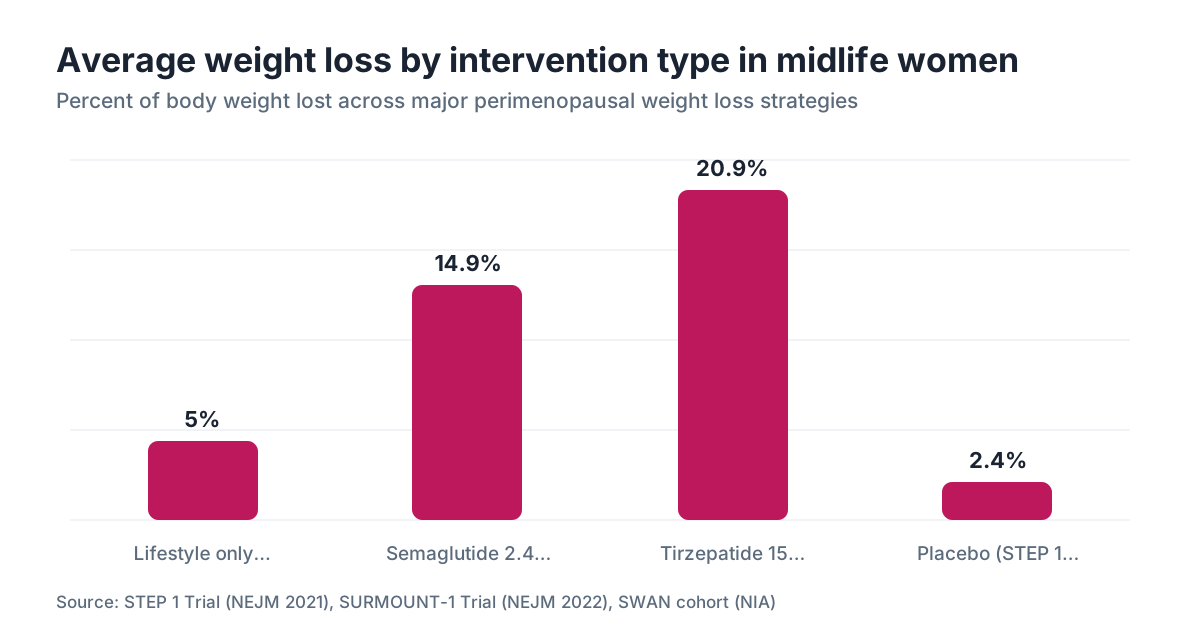
The STEP 1 trial of semaglutide 2.4 mg weekly (brand name Wegovy) reported average weight loss of 14.9% of body weight over 68 weeks versus 2.4% for placebo [7]. The SURMOUNT-1 trial of tirzepatide (Mounjaro/Zepbound) reported 20.9% at the highest dose over 72 weeks [8]. Both trials ran across a wide age range that included women in their 40s and 50s, though perimenopausal subgroups aren't broken out separately.
Mechanically, GLP-1 receptor agonists slow gastric emptying and quiet appetite signaling in the brain. Tirzepatide adds a GIP receptor action that may improve insulin sensitivity and fat metabolism beyond the weight loss itself. For perimenopausal women whose insulin sensitivity has already slipped, that second mechanism could be worth something.
Here's the catch these drugs won't fix on their own: they don't protect muscle. Weight lost on a GLP-1 runs roughly 30 to 40% lean mass unless you lift and eat enough protein. That's a real problem for women already shedding muscle through the transition.
If you're weighing options, semaglutide for weight loss and semaglutide vs tirzepatide go deeper on choosing between them. WomenRx prescribes both through telehealth for women who qualify, with a clinical review of your full history including hormone status.
Compounded semaglutide is also available and much cheaper than brand-name GLP-1s, though FDA approval status and manufacturing standards differ. Understand that before you decide.
How do you address stress and sleep as part of a perimenopause weight loss plan?
Stress and sleep aren't soft factors you get to after the diet is dialed in. They're metabolic variables that decide whether your diet and exercise even work.
High cortisol raises appetite for calorie-dense food, drives abdominal fat storage, blunts insulin sensitivity, and drags on thyroid function. A woman sleeping 5 hours a night because of night sweats is running a cortisol profile that makes fat loss harder at the cellular level, more than harder because she's tired and grazing (though that happens too).
Sleep interventions with evidence in midlife women:
- Treating night sweats with HRT is the most effective fix for hormone-driven sleep disruption
- Cognitive behavioral therapy for insomnia (CBT-I) is first-line for chronic insomnia and beats sleep medication over the long run
- Cutting alcohol, which fragments sleep and suppresses REM
- Consistent sleep and wake times, weekends included
- A cool bedroom (68-70 degrees F), which helps a lot when you're getting hot flashes
For stress, the lever that matters most is vagal tone. Regular moderate exercise, slow breathing (box breathing, yoga), and real social connection all switch on the parasympathetic nervous system and blunt cortisol. These aren't luxuries. They're part of the treatment.
What lab tests should you get before starting a perimenopause weight loss plan?
Walk in with numbers and you skip the guesswork. The right baseline labs also change what your provider recommends.
Worth getting:
- FSH and estradiol: high FSH (typically above 25 IU/L on two tests at least a month apart) with low estradiol confirms you're in the perimenopause or menopause transition [9]
- TSH and free T4: thyroid dysfunction mimics perimenopause and blunts weight loss
- Fasting glucose and HbA1c: screens for insulin resistance and prediabetes, both common now
- Fasting lipids: LDL often rises as estrogen falls, which feeds cardiovascular risk and treatment choices
- Vitamin D: deficiency is common and tied to worse insulin sensitivity and mood
- DEXA scan: measures body composition (fat vs. muscle), more than weight, and checks bone density, which becomes relevant in perimenopause. More on who should get a bone density test and when
None of these are exotic or costly. Most are covered by insurance under a standard preventive or new-patient visit. Knowing your starting numbers lets you track real progress: waist circumference, lean mass percentage, and metabolic markers say more than the scale alone.
What's a realistic timeline for losing weight during perimenopause?
Slower than it was in your 30s. Say that out loud and accept it, because expecting 20s-era results is exactly what makes women quit interventions that are actually working.
With lifestyle changes alone (protein-forward eating, resistance training, better sleep), most perimenopausal women lose 0.5 to 1 pound a week once they've been consistent for four to six weeks. The first two weeks often show more, mostly water.
Add HRT and the change in fat distribution (less visceral gain) usually shows up in two to three months, sometimes before the scale moves much. Track your waist, more than weight, in those early HRT months.
With GLP-1 medications, STEP 1 data shows peak weight loss landing around 60 to 68 weeks on semaglutide [7]. Most women see meaningful loss in the first three months, with slower but continued progress after. Pairing a GLP-1 with resistance training and enough protein meaningfully shifts the lean-to-fat ratio while you lose.
A realistic target for a motivated perimenopausal woman with no major contraindications: 10 to 15% of body weight over 12 to 18 months with a combined approach. Holding that loss long-term takes ongoing attention to diet, muscle work, and continuing HRT or GLP-1 therapy if you started it.
When should you see a doctor instead of trying to manage this on your own?
Most perimenopause weight management starts as self-directed lifestyle change, and that's fine. But some situations change the outcome when a professional gets involved.
See a provider if:
- You're gaining weight fast with no change in diet or activity (rules out thyroid disease, Cushing's syndrome, medication side effects)
- Your waist has grown past 35 inches regardless of total weight (the cardiovascular risk threshold)
- You have classic perimenopause symptoms (irregular cycles, hot flashes, disrupted sleep, mood changes) you haven't addressed hormonally
- You've been consistent with diet and exercise for three to six months without meaningful results
- Your BMI is above 30, or above 27 with a metabolic risk factor (prediabetes, hypertension, high triglycerides): these thresholds qualify you for FDA-approved GLP-1 medications [11]
- You're considering HRT and want to review your cardiovascular and cancer risk factors with someone who knows your history
Telehealth has made this far easier to reach. WomenRx, for one, evaluates perimenopause, HRT, and GLP-1 eligibility without an in-person visit, which removes a real barrier for women juggling work and family. The perimenopause age and when does menopause start articles help you place yourself in the transition before that conversation.
Are there any supplements with real evidence for perimenopause weight loss?
Most supplements sold for menopause weight loss have weak or no evidence behind them. That's not cynicism. It's where the research actually sits.
Creatine monohydrate is the closest thing to an evidence-backed option for perimenopausal women, and it's almost never marketed that way. Creatine supports strength and power during resistance training, which helps hold lean mass. A 2021 meta-analysis found creatine plus resistance training significantly improved lean mass in postmenopausal women versus training alone [10]. Typical dose is 3 to 5 grams a day. Cheap, safe, well-studied.
Vitamin D is worth taking if you're deficient, which is common in this age group. The direct weight loss evidence is mixed, but deficiency tracks with worse insulin sensitivity and mood, both of which shape the behavior side of weight management.
Magnesium glycinate helps sleep quality and muscle function and is broadly safe at 200 to 400 mg before bed. Not a weight loss supplement, but it hits two variables (sleep and the muscle cramps that cut workouts short) that matter.
Black cohosh, phytoestrogens, and most herbal menopause supplements have no reliable weight loss evidence. Some show modest effects on hot flash frequency. The weight loss claims are marketing.
Omega-3 fatty acids (EPA and DHA, 1 to 2 grams daily from fish oil) have decent evidence for lowering triglycerides and modest evidence for reducing visceral fat in insulin-resistant adults. Worth including, especially if you rarely eat fish.
Frequently asked questions
Why is it so hard to lose belly fat during perimenopause?
Falling estrogen redirects fat storage from hips and thighs to the abdomen. Elevated cortisol from disrupted sleep reinforces visceral fat. Muscle loss lowers your resting metabolic rate. These three compound each other, which is why belly fat in perimenopause resists the calorie-cutting that worked in your 30s. Resistance training, higher protein, sleep repair, and often HRT need to work together to move it.
Can you lose weight in perimenopause without hormone therapy?
Yes. Hormone therapy isn't required for weight loss in perimenopause. A high-protein diet, consistent resistance training, better sleep, and stress management produce real results. HRT mainly helps by slowing further visceral fat redistribution and improving sleep, which makes the lifestyle changes work better. Women who can't or choose not to use HRT can still lose weight; it usually takes more consistent effort to get the same result.
Does semaglutide work for perimenopausal women specifically?
The STEP 1 trial showed 14.9% average weight loss over 68 weeks with semaglutide 2.4 mg weekly, across a broad age range that included women in their 40s and 50s. Perimenopause-specific subgroup data isn't published, but mechanically there's no reason the drug behaves differently in this group. The key is pairing it with resistance training and enough protein to limit muscle loss while you drop weight.
What is the best diet for losing weight in perimenopause?
A high-protein, lower-glycemic Mediterranean-style diet has the strongest evidence for visceral fat reduction in perimenopausal women. Aim for 1.2 to 1.6 grams of protein per kilogram of body weight daily. Prioritize fiber-rich carbs, limit refined sugar and alcohol, and don't drop below 1,200 calories a day, which speeds muscle loss. Tracking food for two to four weeks to learn your real baseline is a practical starting point.
How does poor sleep make perimenopause weight gain worse?
Sleeping under 6 hours raises cortisol, increases appetite (especially for carb-dense food), impairs insulin sensitivity, and promotes abdominal fat storage. The SWAN study found short sleep was independently associated with greater abdominal adiposity in midlife women. Night sweats from falling estrogen are the main driver of disrupted sleep in perimenopause. Treating those vasomotor symptoms with HRT is the most direct fix available.
At what age does perimenopause weight gain start?
Most women notice weight and body composition changes in their early to mid-40s, when estrogen begins fluctuating, though it can start in the late 30s. The biggest metabolic shift tends to hit in the two to three years before the final period. The SWAN cohort tracked women from ages 42 to 52 and documented consistent weight and waist circumference increases across the transition.
Is intermittent fasting safe and effective during perimenopause?
Time-restricted eating (a 16:8 window, for example) may help some women cut total calories and modestly improve insulin sensitivity, but controlled trials haven't shown it beats standard calorie restriction for weight loss in midlife women. Some women find overnight fasting worsens cortisol and fatigue. If you sleep poorly, a small protein-rich snack before bed may actually help. Fasting is a tool, not a requirement.
How much protein do perimenopausal women need each day to lose weight?
The evidence supports 1.2 to 1.6 grams of protein per kilogram of body weight daily for women in a calorie deficit who want to hold muscle. For a 150-pound (68 kg) woman, that's roughly 82 to 109 grams a day. Spread it across at least three meals rather than loading dinner, because muscle protein synthesis has a per-meal ceiling of about 30 to 40 grams.
Does resistance training really matter more than cardio for perimenopausal weight loss?
For body composition, yes. Cardio burns calories during the session but won't stop the muscle loss that's slowing your resting metabolism. Resistance training two to three times a week holds and builds muscle, raises resting energy expenditure, and improves insulin sensitivity. The best plan uses both: lifting as the priority, moderate cardio for heart health and extra calorie burn on top.
Will losing weight during perimenopause help with hot flashes?
There's evidence for a modest effect. The Women's Health Initiative found women who lost at least 10 pounds or 10% of body weight were significantly more likely to report improvement in hot flash frequency. Fat tissue converts androgens to estrogen via aromatase, so losing body fat slightly lowers circulating estrogen after menopause, which seems backwards, but the thermal benefit of carrying less mass appears to win out.
Can I get a GLP-1 prescription specifically for perimenopause weight gain?
GLP-1 medications are FDA-approved for weight management in adults with a BMI of 30 or higher, or 27 or higher with at least one weight-related condition like prediabetes, hypertension, or dyslipidemia. Perimenopause itself isn't an independent FDA indication, but many perimenopausal women meet the BMI or comorbidity criteria. A provider reviews your full history to see whether you qualify under the approved thresholds.
Does HRT cause weight gain?
This is one of the most stubborn myths in women's health. Current randomized controlled trial evidence shows HRT does not cause weight gain and actually reduces abdominal fat accumulation compared to going without. Women may notice mild water retention in the first few weeks on estrogen, but that's temporary and not fat. Long-term, women on HRT show more favorable body composition, with less visceral fat, than women who aren't.
What's the difference between perimenopause and menopause for weight management purposes?
Perimenopause is the transition, usually 4 to 10 years long, when estrogen swings erratically before declining. Menopause is confirmed after 12 straight months without a period. Weight and fat redistribution accelerate most in the two to three years before that final period. After menopause, the hormonal setting stabilizes at low estrogen, and abdominal fat redistribution continues, just without the erratic swings of the transition.
Sources
- The Menopause Society (formerly NAMS), 2022 Hormone Therapy Position Statement
- Study of Women's Health Across the Nation (SWAN), National Institute on Aging
- Pontzer et al., Science 2021, 'Daily energy expenditure through the human life course'
- National Heart, Lung, and Blood Institute (NHLBI), Obesity Clinical Guidelines
- Endocrine Society, Clinical Practice Guideline on Obesity in Adults
- Women's Health Initiative (WHI), National Institutes of Health
- Wilding et al., NEJM 2021, STEP 1 Trial: semaglutide 2.4 mg for weight management
- Jastreboff et al., NEJM 2022, SURMOUNT-1 Trial: tirzepatide for weight management
- American College of Obstetricians and Gynecologists (ACOG), Menopause Practice Bulletin
- Smith-Ryan et al., Journal of Strength and Conditioning Research, creatine and postmenopausal women meta-analysis 2021
- FDA, Wegovy (semaglutide) Prescribing Information
- Women's Health Initiative, NHLBI, weight loss and hot flash frequency data