How to lose weight during menopause: what actually works
TL;DR: Menopause weight gain is real and driven by estrogen decline, not laziness. Women gain an average of 1.5 pounds per year in the menopause transition. Losing that weight requires adjusting protein intake, strength training, managing sleep and stress, and for many women, considering hormone therapy or GLP-1 medications. The strategies that worked at 35 often stop working at 50, and that's biology, not failure.
Why is losing weight during menopause so much harder?
Estrogen does a lot of things most women don't know about until it drops. One of the biggest is regulating body fat distribution and insulin sensitivity. When estrogen falls during perimenopause and menopause, fat that used to park on your hips and thighs starts accumulating in your abdomen instead. That visceral fat is metabolically active in a bad way: it raises inflammation, worsens insulin resistance, and raises cardiovascular risk.
A 2019 analysis published in Mayo Clinic Proceedings found that women gain roughly 1.5 pounds per year during the menopausal transition, and much of that gain concentrates in the midsection even in women who don't change their diet or exercise habits [1]. So the scale moving isn't a willpower problem. It's a hormonal shift that changes where your body stores energy and how efficiently it burns it.
Metabolism also slows for reasons beyond hormones. Muscle mass declines about 3-8% per decade after age 30, and the rate accelerates after menopause [2]. Since muscle burns more calories at rest than fat, less muscle means a lower resting metabolic rate. Add disrupted sleep from hot flashes and night sweats, elevated cortisol from poor sleep, and appetite hormones that go haywire when you're exhausted, and you have a system that is genuinely stacked against weight loss.
None of this means weight loss is impossible during menopause. It means the approach has to change.
How much weight do women typically gain during menopause?
The average is about 5 pounds over the full menopause transition, but the range is wide [1]. Some women gain 15 to 20 pounds between ages 45 and 55. Others gain very little. The variability comes from genetics, baseline muscle mass, sleep quality, stress, and whether estrogen drops sharply or gradually.
What changes more universally than total weight is body composition. The Study of Women's Health Across the Nation (SWAN) tracked over 3,000 women and found that even women whose weight stayed the same experienced a significant increase in body fat percentage and a decrease in lean mass during the transition [3]. That means the scale can lie. You can be gaining fat and losing muscle at the same stable weight, which is why waist circumference and body composition are better measures than weight alone during this period.
A waist circumference above 35 inches in women is associated with increased metabolic and cardiovascular risk, according to the National Heart, Lung, and Blood Institute [4]. That threshold matters more than a number on the scale.
What should you eat to lose menopause weight?
Protein is the most important nutritional lever you have. Most women eat far less protein than they need, and the requirement goes up with age. The current Recommended Dietary Allowance is 0.8 grams per kilogram of body weight, but most researchers studying muscle preservation in older adults suggest 1.2 to 1.6 grams per kilogram is more appropriate for women trying to maintain or build muscle while losing fat [2]. For a 150-pound woman, that's roughly 82 to 109 grams of protein per day, spread across meals.
Why does protein matter so much? It preserves lean muscle during a calorie deficit, it has the highest thermic effect of any macronutrient (your body burns more calories digesting protein than carbs or fat), and it's the most satiating macronutrient, which means you eat less overall without feeling deprived.
Calorie reduction still works, but the size of the deficit matters. A 500-calorie daily deficit is the standard recommendation for approximately 1 pound of weight loss per week, but during menopause, aggressive deficits can accelerate muscle loss and make things worse long-term. A more moderate deficit of 300-400 calories, combined with high protein and strength training, tends to produce better body composition results even if the scale moves more slowly.
Carbohydrate quality matters more than quantity. Refined carbs and added sugars worsen insulin resistance, which is already compromised in menopause. Whole food carbohydrates like legumes, vegetables, oats, and fruit come with fiber that slows glucose absorption and feeds gut bacteria linked to better metabolic health. No need to go low-carb unless you specifically do better on it. The evidence does not show low-carb is universally superior for menopause weight loss.
Alcohol is worth an honest look. It disrupts sleep architecture (worsening the cortisol and appetite hormone problems already in play), is calorie-dense, and directly interferes with fat metabolism. Even two drinks a night adds several hundred calories and meaningfully degrades sleep quality.
What kind of exercise actually helps with menopausal weight loss?
Strength training is the single most important exercise change you can make during menopause. Not cardio. Strength training. The goal is to preserve and rebuild the muscle you're losing to age and estrogen decline, because muscle is the engine of your resting metabolism.
The American College of Sports Medicine recommends resistance training at least two days per week for older adults, but three days tends to produce better results for body composition [5]. The weights need to be challenging: if the last two reps of a set don't feel hard, you're not working hard enough to stimulate muscle growth. Progressive overload, meaning gradually increasing the weight or reps over time, is what drives results.
Cardio still matters, just not as the primary fat-loss tool. Zone 2 cardio (a pace where you can hold a conversation but feel your breathing) for 150 minutes per week improves insulin sensitivity, cardiovascular health, and sleep quality, all of which support weight management indirectly [5]. High-intensity interval training (HIIT) can be effective but is demanding on the adrenal system, which is already under stress in menopause. Two sessions of moderate HIIT per week is reasonable; daily HIIT is counterproductive for most women in this stage.
Walking is underrated. A consistent daily step count of 7,000-10,000 steps contributes meaningfully to total energy expenditure without triggering the cortisol spike that intense daily exercise can. One large meta-analysis found that walking at least 7,000 steps per day was associated with significantly lower all-cause mortality [6].
The honest reality: if you're doing three strength sessions per week, walking consistently, and eating enough protein, you're doing more than most women, and results should follow within 8-12 weeks. If they don't, something else is going on, either hormones, thyroid, sleep, or calorie miscounting.
Does hormone replacement therapy help with weight loss in menopause?
This is one of the most common questions women ask, and the answer is nuanced. Hormone replacement therapy (HRT) does not cause dramatic weight loss on its own. But it changes the terrain in ways that make weight loss meaningfully easier.
Estrogen therapy reduces the preferential accumulation of visceral fat that drives menopause weight gain. A 2018 Cochrane review of randomized controlled trials found that HRT was associated with a reduction in central fat distribution compared with placebo, even without significant changes in total body weight [7]. The mechanism is direct: estrogen receptors in fat tissue regulate where fat is stored, and replacing estrogen shifts storage back toward a more favorable pattern.
HRT also improves sleep, reduces hot flashes and night sweats, and can reduce the cortisol burden and fatigue that make it nearly impossible to exercise consistently or make good food decisions. These indirect effects on lifestyle behaviors may matter as much as the direct metabolic effects.
Progesterone has a more complex role. Some progestogens (particularly synthetic medroxyprogesterone acetate) may blunt estrogen's metabolic benefits. Micronized progesterone, which is bioidentical, appears to have a more neutral or slightly favorable metabolic profile. The type of progestogen in your HRT regimen actually matters.
If you're considering HRT and wondering about delivery method, the estrogen patch is generally considered lower risk for clotting than oral estrogen because it bypasses first-pass liver metabolism. The North American Menopause Society's 2022 position statement notes that for healthy women under 60 or within 10 years of menopause onset, the benefits of hormone therapy generally outweigh the risks [8].
Bottom line: HRT is not a weight loss drug, but it is a tool that makes your body more responsive to diet and exercise during menopause.
Do GLP-1 medications work for menopause weight loss?
Yes, and the evidence here is the strongest in the field. GLP-1 receptor agonists like semaglutide and tirzepatide produce weight loss by suppressing appetite, slowing gastric emptying, and improving insulin sensitivity. None of those mechanisms are menopause-specific, but the results in midlife women are striking.
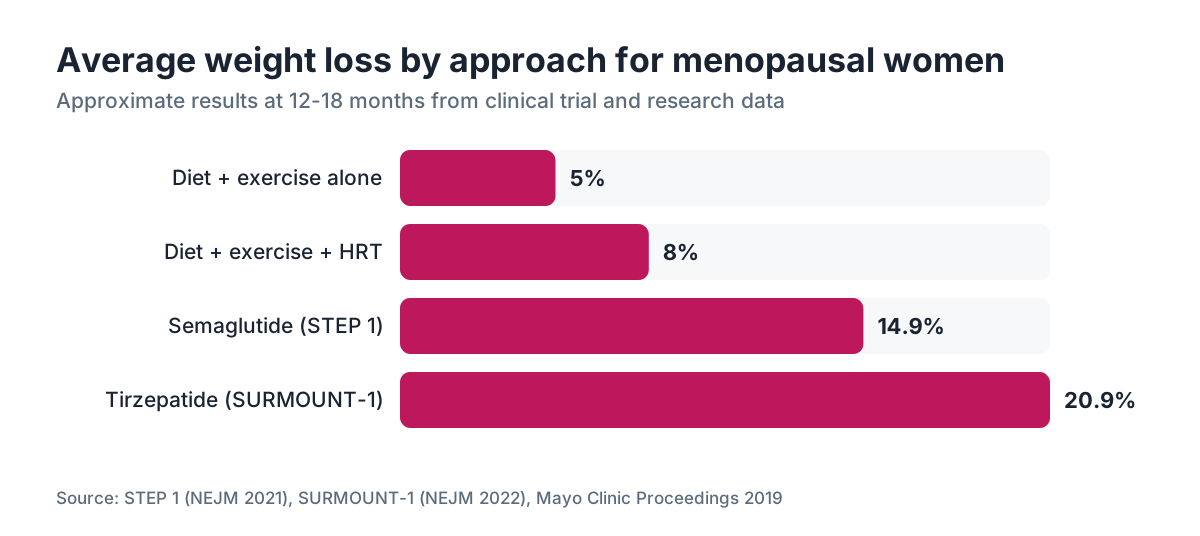
The STEP 1 trial of semaglutide 2.4 mg (Wegovy) in adults with obesity found an average weight loss of 14.9% of body weight over 68 weeks [9]. The SURMOUNT-1 trial of tirzepatide (Zepbound) found average weight loss of up to 20.9% at the highest dose over 72 weeks [10]. Both trials included large numbers of women in the typical menopause age range.
For a woman who weighs 190 pounds, a 15% reduction is about 28 pounds. That kind of loss is nearly impossible to achieve through diet and exercise alone after menopause for most women, and the medications do it while preserving more lean mass than severe caloric restriction would.
The practical considerations: these medications require a prescription, they are expensive without insurance coverage (around $900-$1,300 per month at list price for brand-name versions), and compounded semaglutide has been available at lower cost but is subject to FDA regulatory changes. The FDA removed semaglutide from its shortage list in early 2024, which affects compounding pharmacy availability [11].
For a comparison of the two main options, see our article on semaglutide vs tirzepatide. If you want to explore whether a GLP-1 is appropriate for your situation, WomenRx offers prescriptions for GLP-1 medications through telehealth with clinicians who specialize in women's hormones and metabolism.
One important caution: GLP-1s can accelerate muscle loss if protein intake is insufficient. Women taking these medications need to be particularly rigorous about hitting protein targets and keeping up with strength training. This is not optional.
How does sleep affect weight loss during menopause?
Badly disrupted sleep is one of the most underappreciated drivers of menopause weight gain, and it's a vicious cycle: hot flashes disrupt sleep, poor sleep raises cortisol and ghrelin (the hunger hormone), elevated ghrelin drives appetite, and excess eating disrupts sleep further.
Research from the Sleep Heart Health Study found that sleeping less than 6 hours per night was associated with higher BMI and greater difficulty losing weight [12]. The mechanism involves both increased hunger signals and decreased satiety signals: short sleepers have higher ghrelin and lower leptin, the combination that makes you hungry and prevents you from feeling full.
Controlling night sweats and hot flashes, whether through HRT or other means, often produces meaningful downstream improvements in diet and exercise adherence, not because those symptoms directly burn calories but because sleep quality governs everything else.
Practical sleep hygiene strategies that specifically help during menopause: keep the bedroom below 68 degrees Fahrenheit, use moisture-wicking bedding, avoid alcohol within 3 hours of sleep, and don't eat a large meal within 2-3 hours of bedtime. These aren't glamorous, but they move the needle.
What about cortisol and stress during menopause?
Cortisol is the stress hormone, and it directly promotes visceral fat storage. During menopause, the decline in estrogen removes a buffer against cortisol's effects, making women more sensitive to stress-induced fat accumulation in the abdomen.
Chronic stress from work, family, finances, or the menopause experience itself keeps cortisol chronically elevated. High cortisol raises blood sugar, promotes fat storage especially around the midsection, breaks down muscle, disrupts sleep, and increases cravings for high-calorie foods. It is metabolically toxic at sustained levels.
Mind-body practices reduce cortisol. This isn't soft advice: a meta-analysis published in Health Psychology Review found that mindfulness-based interventions significantly reduced cortisol levels in participants [13]. Yoga, meditation, slow breathing, and even consistent time outdoors have measurable effects on the HPA axis. Eight to ten minutes of diaphragmatic breathing twice a day is enough to reduce cortisol reactivity over time.
Stress reduction is not a luxury in menopause. It is a metabolic intervention.
Should you get thyroid and other labs checked before trying to lose weight?
Yes, especially if weight gain has been rapid or if you're exercising and eating well but seeing no results. Hypothyroidism is common in women over 40, and its symptoms overlap substantially with menopause: fatigue, weight gain, cold intolerance, brain fog, and mood changes. The Endocrine Society estimates that up to 10% of women over 50 have hypothyroidism, and many are undiagnosed [14].
A basic thyroid panel (TSH, free T4, sometimes free T3) is the starting point. If TSH is elevated, treating hypothyroidism often makes weight loss dramatically easier because an underactive thyroid slows metabolism significantly.
Other labs worth checking: fasting insulin and glucose (or a HbA1c) to assess insulin resistance, which may be addressable with medication or diet; vitamin D, which is associated with both obesity and muscle loss when deficient; and a lipid panel, since menopause raises cardiovascular risk and knowing your numbers guides how aggressively to treat weight.
Menopause itself is a good time to get a baseline bone density test. Weight loss, particularly rapid weight loss, can reduce bone density. If yours is already low, that shapes how aggressively you approach caloric restriction.
What does an actual week of menopause weight loss look like?
Here's what the evidence points to as a realistic, sustainable weekly structure. Not a protocol from a brand or a transformation story. Just what the research supports.
| Day | Key action | |---|---| | Monday | Strength training (45 min), 8,000+ steps | | Tuesday | Zone 2 cardio (30-40 min walk or bike), high-protein meals | | Wednesday | Strength training, prioritize 7-8 hours sleep | | Thursday | Walk, stress management practice (10 min breathing or yoga) | | Friday | Strength training or HIIT (20-25 min) | | Saturday | Active recovery (hiking, swimming, light movement) | | Sunday | Meal prep, plan protein sources for the week, limit alcohol |
Protein target: 1.2-1.6 g per kg body weight, every day. Calorie deficit: 300-400 calories below maintenance, not more. Sleep priority: non-negotiable, 7-9 hours.
Results at this pace are typically 0.5 to 1 pound per week, which sounds slow but produces 25-50 pounds of loss over a year without muscle loss. That's better body composition than crash dieting produces at twice the pace.
If you're doing this consistently for 12 weeks and the scale hasn't moved, talk to a clinician. At that point the problem is almost certainly hormonal, thyroid, or medication-related, not effort.
Are peptides or supplements helpful for weight loss in menopause?
This is an area where the evidence is thin and the marketing is thick. A few things are worth an honest look.
Creatine monohydrate has solid evidence for preserving and building muscle in older adults, including women. A meta-analysis found that creatine supplementation combined with resistance training improved lean mass and strength more than training alone in older adults [15]. The dose is 3-5 grams per day. It's cheap, safe, and one of the few supplements with real mechanistic data.
Vitamin D deficiency is genuinely common in midlife women and is associated with lower muscle strength and higher body fat. Repleting a true deficiency (25-OH vitamin D below 20 ng/mL) is reasonable and inexpensive. There is no evidence that loading up on vitamin D if you're already sufficient does anything for weight.
Peptides like CJC-1295, ipamorelin, and BPC-157 are actively marketed to women in menopause. The honest assessment: there is limited published clinical trial data in humans, and what exists is in small, short-term studies. The theoretical mechanisms (growth hormone release, recovery) are plausible, but calling these evidence-based for menopause weight loss would be overstating it. If you're considering peptides, do so through a clinician who can monitor labs and dosing.
Menopause-specific supplements marketed for weight loss (berry extracts, hormone-balancing blends, metabolism boosters) have virtually no randomized trial evidence. Save your money.
For a deeper look at GLP-1 options specifically, the semaglutide for weight loss and semaglutide articles cover mechanism, dosing, and what to expect in real detail. WomenRx clinicians can also review your full picture, including hormones and metabolic labs, to figure out whether a medication approach makes sense for you.
How long does it take to lose menopause weight?
Honest answer: longer than you want, and that's okay.
With diet and exercise alone, a realistic rate is 0.5 to 1 pound per week if you're consistent and the hormonal environment is not actively working against you. If you're in active perimenopause with significant hormonal flux, progress is often slower and more inconsistent.
With HRT added, some women notice better sleep and reduced cravings within weeks, and body composition changes (less belly fat, more muscle responsiveness) over 3 to 6 months. The scale may not move dramatically, but waist measurements and how clothes fit often change noticeably.
With GLP-1 medications, the STEP 1 trial data showed the most significant weight loss occurring over 12 to 68 weeks, with most weight lost in the first 36 weeks and a plateau thereafter [9]. Combining a GLP-1 with HRT and a strength training program likely produces better body composition than any single approach alone, though direct comparative trials in menopausal women specifically are limited.
The women who do best long-term are the ones who treat this as a permanent lifestyle shift, not a 12-week fix. The hormonal environment of post-menopause is permanent. The strategies that work have to be sustainable indefinitely.
Frequently asked questions
How do you lose weight during menopause when nothing is working?
If you're exercising, eating well, and not losing weight, rule out thyroid problems and insulin resistance first. Get labs: TSH, fasting glucose, fasting insulin. Consider whether HRT would improve your metabolic environment. If those are addressed and weight still isn't moving, a GLP-1 medication is the most evidence-backed pharmacological option available, with clinical trials showing 15-21% body weight loss on average.
How to lose weight in menopause after 50?
Prioritize strength training three days per week to counter muscle loss. Hit 1.2 to 1.6 grams of protein per kilogram of body weight daily. Keep a moderate calorie deficit of 300-400 calories, not a steep one. Protect sleep aggressively. If estrogen decline is driving visceral fat gain, HRT often makes the body significantly more responsive to diet and exercise. Results typically take 8-12 weeks to show clearly.
What is the best diet for menopause weight loss?
No single diet wins, but high protein with whole food carbohydrates and limited added sugar consistently performs best in midlife women. Protein should be 1.2 to 1.6 grams per kilogram of body weight. The Mediterranean diet pattern has good evidence for cardiovascular and metabolic health during menopause. Avoid severe restriction, which accelerates muscle loss. Alcohol reduction often produces fast, noticeable results on both weight and sleep.
Does estrogen or HRT actually help you lose weight in menopause?
HRT doesn't cause major direct weight loss, but it reduces visceral fat accumulation, improves sleep, and makes muscles more responsive to exercise. A Cochrane review found HRT reduced central fat distribution compared with placebo. The real benefit is that it removes several of the hormonal barriers to weight loss, making diet and exercise more effective. It works best as part of a full plan, not as a standalone weight loss treatment.
Are GLP-1 medications safe for women in menopause?
GLP-1 receptor agonists like semaglutide and tirzepatide are FDA-approved for weight management in adults with obesity or overweight plus a metabolic risk factor. There are no menopause-specific contraindications. The main risks are gastrointestinal side effects, rare pancreatitis, and muscle loss if protein intake is insufficient. They are not recommended during pregnancy. A clinician familiar with women's health should supervise use, especially if HRT is also prescribed.
How many calories should a menopausal woman eat to lose weight?
Resting metabolic rate drops with age and muscle loss, so calorie needs in menopause are genuinely lower than at 35. A rough estimate for a moderately active menopausal woman is 1,600-2,000 calories per day for maintenance, depending on height, weight, and activity. A deficit of 300-400 calories below your personal maintenance is a sustainable target for fat loss without triggering significant muscle loss. Use a TDEE calculator as a starting estimate, not a fixed rule.
What exercises burn belly fat in menopause?
You cannot spot-reduce belly fat. Visceral fat responds to a combination of overall calorie deficit, strength training (which raises resting metabolism), and estrogen therapy if appropriate. Strength training three days a week combined with daily walking and moderate calorie reduction is the most effective combination the evidence supports. HIIT can accelerate results but stresses the adrenal system, so keep it to two sessions per week maximum.
Can you lose weight in menopause without medication?
Yes, many women do. High protein intake, strength training, sleep optimization, stress management, and a moderate calorie deficit produce real results without medication. The process is slower and harder than at younger ages because of metabolic and hormonal changes, but it works. Women who struggle despite consistent effort over three to six months, or who have significant visceral fat accumulation, are the strongest candidates for adding HRT or GLP-1 medications.
How does perimenopause affect weight differently than menopause?
Perimenopause is the transition period, often starting in the early to mid-40s, when estrogen fluctuates erratically before eventually declining. The hormonal chaos of perimenopause can cause weight changes even before the final menstrual period. Insulin resistance often worsens, and sleep disruption from irregular cycles and early hot flashes starts affecting metabolism. The same strategies apply, but the hormonal picture is more variable and harder to predict. See our guide on perimenopause age for more on timing.
Is intermittent fasting good for menopause weight loss?
The evidence is mixed and menopause-specific trials are limited. Some women find time-restricted eating (eating within an 8-10 hour window) reduces total calorie intake naturally and improves insulin sensitivity. The risk is that it makes hitting protein targets harder, which matters more in menopause than at younger ages. If you try it, prioritize getting enough protein within your eating window. Stop if it increases cortisol symptoms like fatigue, irritability, or worsened sleep.
Does metabolism slow down during menopause?
Yes, for two reasons. Estrogen loss shifts the body toward fat storage and away from fat burning. Muscle mass declines with age, and since muscle burns more calories at rest than fat, losing muscle lowers resting metabolic rate. Research estimates resting metabolic rate declines roughly 1-2% per decade after age 30, compounding over time. Strength training is the most effective intervention to slow this decline by preserving and rebuilding metabolically active muscle tissue.
What lab tests should I get before starting a menopause weight loss program?
At minimum: TSH to rule out hypothyroidism, fasting glucose and insulin (or HbA1c) to assess insulin resistance, a complete metabolic panel, and a lipid panel. Vitamin D is worth checking given its role in muscle function. If you're considering HRT, your clinician will also check FSH and estradiol to confirm menopausal status. A baseline bone density scan (DEXA) is recommended for women over 65, or earlier if you have risk factors.
How do I know if my menopause weight gain is hormonal or just from getting older?
Both are true simultaneously. The hormonal and age-related factors compound each other and are hard to separate cleanly. What suggests a strong hormonal component: weight gain concentrated in the abdomen while the rest of your body stays relatively stable, weight gain that started coinciding with menstrual irregularity, and difficulty losing weight despite genuinely good diet and exercise habits. A clinician can check estradiol and FSH levels to confirm where you are in the transition.
What is a realistic weight loss goal during menopause?
A realistic goal with consistent diet and exercise is 0.5 to 1 pound per week, or roughly 20-40 pounds over a year. With GLP-1 medications, clinical trials show average losses of 15-21% of body weight over 12-18 months, which for a 180-pound woman is 27-38 pounds. More important than a scale number: aim to reduce waist circumference below 35 inches and improve body composition (more muscle, less visceral fat), which has direct health benefits independent of weight.
Sources
- Mayo Clinic Proceedings, Janssen et al., 2019, weight gain during menopausal transition
- National Institute of Arthritis and Musculoskeletal and Skin Diseases (NIAMS), muscle loss with age
- SWAN (Study of Women's Health Across the Nation), body composition tracking data
- National Heart, Lung, and Blood Institute (NHLBI), waist circumference and metabolic risk
- American College of Sports Medicine, physical activity guidelines for older adults
- JAMA Network Open, step count and mortality meta-analysis, 2021
- Cochrane Database of Systematic Reviews, HRT and body fat distribution
- North American Menopause Society (NAMS), 2022 Hormone Therapy Position Statement
- STEP 1 Trial, Wilding et al., NEJM 2021, semaglutide 2.4 mg for weight management
- SURMOUNT-1 Trial, Jastreboff et al., NEJM 2022, tirzepatide for obesity
- FDA Drug Shortages Database, semaglutide shortage status
- Sleep Heart Health Study, Patel and Hu, Obesity 2008, sleep duration and BMI
- Health Psychology Review, mindfulness and cortisol meta-analysis
- Endocrine Society, thyroid disease prevalence in women
- Journal of Strength and Conditioning Research, creatine meta-analysis in older adults