How does semaglutide work? The mechanism explained clearly
TL;DR: Semaglutide is a GLP-1 receptor agonist that copies a gut hormone your body already makes. It slows how fast food leaves your stomach, tells your brain to reduce hunger, and helps your pancreas release insulin only when blood sugar is high. In the STEP 1 trial, people on 2.4 mg weekly lost an average of 14.9% of their body weight over 68 weeks.
What is semaglutide and what class of drug is it?
Semaglutide is a glucagon-like peptide-1 (GLP-1) receptor agonist. The phrase sounds technical. The idea is not. Your gut makes a hormone called GLP-1 every time you eat, and semaglutide is a lab-made copy of it that sticks around far longer than the real thing.
Your natural GLP-1 breaks down in your bloodstream within a few minutes. Semaglutide has been chemically changed, mostly by attaching a fatty acid chain, so it binds to albumin (a protein in your blood) and resists the enzyme that normally destroys GLP-1. That gives it a half-life of roughly seven days, which is why you inject it once a week [1].
There are two FDA-approved semaglutide products right now. Ozempic (0.5 mg, 1 mg, and 2 mg doses) is approved for type 2 diabetes and cardiovascular risk reduction. Wegovy (up to 2.4 mg) is approved for chronic weight management in adults with a BMI of 30 or higher, or 27 or higher with at least one weight-related condition [2]. The molecule is identical in both. The doses and the indications are what differ. You can read more background at our semaglutide overview.
How does semaglutide work at the receptor level?
GLP-1 receptors sit on cells in your pancreas, brain, stomach, heart, kidneys, and small intestine, and semaglutide binds to all of them. Three places matter most for weight and blood sugar: the pancreas, the brain, and the gut.
In the pancreas, semaglutide binds to beta cells and tells them to release insulin only when blood glucose is actually high. This is glucose-dependent, which means the drug won't push your insulin low enough to cause hypoglycemia the way older diabetes drugs can. It also suppresses glucagon, the hormone that tells your liver to dump stored glucose into the blood. Lower glucagon means less background glucose production between meals [1].
In the gut, semaglutide slows gastric emptying. Food moves out of your stomach more slowly, which flattens the blood sugar spike after a meal and stretches out the feeling of fullness.
The brain is where the weight loss story really lives. GLP-1 receptors in the hypothalamus and brainstem respond to semaglutide by turning down appetite signals. The arcuate nucleus of the hypothalamus, which governs hunger and satiety, gets a steady "you've eaten enough" message. People say food simply becomes less interesting. Cravings for high-fat, high-sugar foods drop in a way that feels less like willpower and more like a shift in preference [3].
How does semaglutide work for weight loss specifically?
The weight loss mechanism is bigger than "you eat less." Semaglutide appears to lower the defended body weight setpoint in the brain. Your hypothalamus normally fights hard to drag you back to whatever weight it treats as normal, which is why most diets fail over the long haul. By keeping GLP-1 receptors active in the areas that govern energy balance, semaglutide shifts that defended weight downward [3].
Three effects overlap.
-
Reduced appetite. People eat fewer calories at each meal and feel full faster. Participants in the STEP 1 trial cut their caloric intake by roughly 35% over the course of the study [4].
-
Slower gastric emptying. When food sits in your stomach longer, appetite-driving hormones like ghrelin stay suppressed, so you stay full between meals without much effort.
-
Possible changes in food reward. Neuroimaging studies show GLP-1 receptor activation reduces activity in brain regions tied to cravings and reward, especially for highly palatable foods. The data here is still emerging, but the pattern holds up well enough that researchers take it seriously.
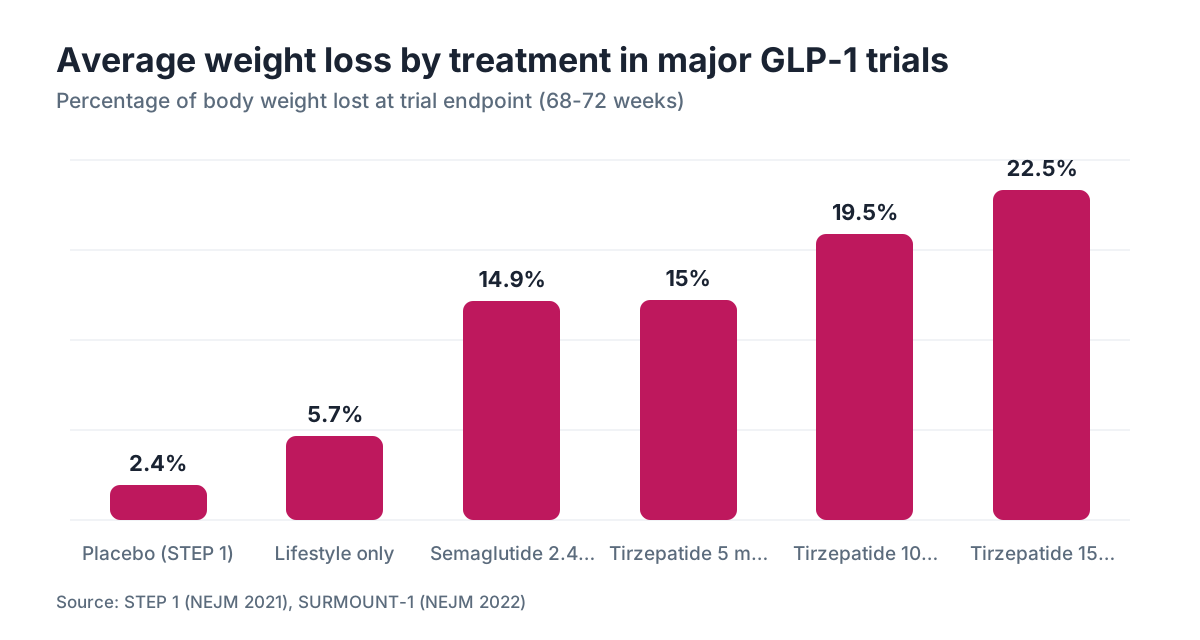
The result is real weight loss. In STEP 1, 2.4 mg semaglutide weekly plus lifestyle counseling produced a mean weight loss of 14.9% at 68 weeks, against 2.4% in the placebo group [4]. For the full clinical picture, see semaglutide for weight loss.
For women, the mechanism crosses paths with menopause. Estrogen loss shifts fat storage toward the belly and lowers insulin sensitivity. Semaglutide works on both the appetite-control gap and the insulin resistance that gets worse during this transition, which is part of why it's become a strong option for perimenopausal and postmenopausal women. Read more about how hormones and weight connect in our menopause and hormone replacement therapy articles.
What is semaglutide dosing for weight loss?
Semaglutide dosing for weight loss follows a slow ramp built to hold down nausea and other GI side effects. The FDA-approved Wegovy schedule starts at 0.25 mg weekly for four weeks, then steps up every four weeks: 0.5 mg, 1 mg, 1.7 mg, and finally 2.4 mg as the maintenance dose [2].
The 20-week ramp matters. Most people who quit early do it because they started too high, got nauseated, and decided it wasn't worth it. Skipping ahead makes side effects much worse and does nothing to speed up weight loss.
For the Ozempic formulation used off-label or in diabetes care, the starting dose is 0.25 mg weekly for four weeks, then 0.5 mg, then 1 mg, then 2 mg depending on glucose response and tolerability [2].
Miss a dose? Take it as soon as you remember, within five days. If more than five days have passed, skip that dose and pick up your regular schedule the next week. Don't double up [2].
Rotate your injection sites. Moving between the abdomen, thigh, and upper arm lowers the risk of lipohypertrophy (lumpy fatty tissue that builds up when you inject the same spot again and again). Each shot within a region should land a little away from the last one.
There is also a growing body of compounded semaglutide use. The FDA allowed certain compounded versions during shortage periods, but the rules have shifted, and you should confirm current status with your prescriber.
How long does it take for semaglutide to work?
The honest answer comes in layers. Appetite suppression can start within the first week or two, sometimes after the very first injection. Many people notice food is less compelling, or that they fill up faster, before the scale moves a single pound.
Meaningful weight loss usually shows up at weeks four through eight. STEP 1 measured roughly 4% weight loss at 12 weeks, 9% at 28 weeks, and the full 14.9% by week 68 [4]. Weight loss is not a straight line. People plateau for four to eight weeks at a stretch, then drop again. That's normal physiology, not treatment failure.
Blood sugar improvements in people with type 2 diabetes happen faster. Fasting glucose can fall measurably within the first week as glucagon suppression kicks in, before any big diet change.
Cardiovascular benefits take longer and need sustained treatment. The SELECT trial, published in the New England Journal of Medicine in 2023, showed a 20% relative reduction in major adverse cardiovascular events (heart attack, stroke, cardiovascular death) in non-diabetic people with obesity and established cardiovascular disease on semaglutide 2.4 mg weekly, and that benefit built over a median follow-up of about 34 months [5].
Expect appetite changes in weeks, weight changes in months, and metabolic risk changes over years.
What are the most common side effects and why do they happen?
GI symptoms lead the list: nausea, vomiting, diarrhea, constipation, and stomach discomfort. The mechanism explains the pattern. Slowing gastric emptying keeps food in your stomach longer, which your gut sometimes reads as distress. The effect is worst during dose escalation and usually eases within a few weeks of reaching any new dose [2].
Nausea peaks in the first four to eight weeks on each dose step and mostly fades by the maintenance phase. In STEP 1, nausea hit about 44% of participants on semaglutide against 16% on placebo, but it drove discontinuation in only about 5% of the semaglutide group [4].
Muscle loss is a real concern that gets too little airtime. In trials, roughly 40% of the weight lost on GLP-1 drugs comes from lean mass rather than fat [6]. That matters most for women over 40, where sarcopenia (muscle loss with age) is already picking up speed. High protein intake (at least 1.2 grams per kilogram of target body weight per day) and resistance training aren't optional extras. They are how you hold onto the muscle you have.
Pancreatitis is rare but real. The FDA label warns about acute pancreatitis. If you get persistent severe abdominal pain, especially pain that radiates to your back, stop the medication and go to the ER [2]. Thyroid C-cell tumors showed up in rodent studies at doses far above what humans use. The drug carries a boxed warning about medullary thyroid carcinoma and is contraindicated in people with a personal or family history of that cancer or Multiple Endocrine Neoplasia syndrome type 2 [2].
Semaglutide also appears to reduce bone turnover in some research, which is worth flagging for postmenopausal women already at higher fracture risk. Getting a bone density test before starting and checking it during treatment is reasonable.
What happens in your brain on semaglutide?
This is the part that surprises most people. Semaglutide is more than a gut drug. It crosses the blood-brain barrier in regions where the barrier is more permeable, mainly the area postrema and the hypothalamus. Once there, it binds directly to GLP-1 receptors on neurons that regulate appetite, reward, and even mood [3].
The arcuate nucleus effect is the one that drives weight. POMC neurons, which suppress appetite, get switched on. AgRP neurons, which drive hunger, get switched off. The net result is a steady drop in the drive to eat, especially for calorie-dense food.
The reward circuitry effect is quieter but clinically real. Many people on semaglutide report less interest in alcohol, in compulsive behaviors, and in highly palatable foods in ways they never expected. Researchers are actively studying whether GLP-1 agonists could help in addiction medicine. The mechanism seems to involve dopamine pathway modulation in the ventral tegmental area and nucleus accumbens, though the human data is still coming in [3].
For women in perimenopause and menopause, this brain effect matters extra. Estrogen normally supports GLP-1 signaling in the hypothalamus. As estrogen falls, GLP-1 signaling weakens, appetite regulation slips, and the defended weight setpoint climbs. Semaglutide partly makes up for this. Some clinicians think pairing HRT with a GLP-1 may work better than either alone for midlife women, though head-to-head trials haven't been done. Learn more about the hormonal side of this picture in our perimenopause age and when does menopause start articles.
How does semaglutide compare to tirzepatide?
This question comes up constantly. The honest answer: tirzepatide generally produces more weight loss, but the comparison has real nuance.
Tirzepatide (Mounjaro for diabetes, Zepbound for weight loss) hits both GLP-1 receptors and GIP receptors. GIP is another gut hormone that also regulates insulin and may have its own effects on fat metabolism and brain reward. Activating two receptors appears to add up to stronger appetite suppression.
In the SURMOUNT-1 trial, the highest dose of tirzepatide (15 mg) produced a mean weight loss of 22.5% at 72 weeks, against 14.9% for semaglutide in STEP 1 at 68 weeks [7][4]. These trials weren't head-to-head, the populations differ a little, and direct comparisons have limits. But the gap is real and holds up across other data.
Semaglutide has one clear edge: more cardiovascular outcome data. The SELECT results are semaglutide-specific, and matching tirzepatide cardiovascular outcome data is still being collected [5]. Semaglutide has also been on the market longer, so its long-term safety record is more established.
For more detail on this choice, see our semaglutide vs tirzepatide comparison.
| Feature | Semaglutide 2.4mg (Wegovy) | Tirzepatide 15mg (Zepbound) | |---|---|---| | Mechanism | GLP-1 receptor agonist | GLP-1 + GIP receptor agonist | | Mean weight loss (trial) | 14.9% at 68 weeks (STEP 1) | 22.5% at 72 weeks (SURMOUNT-1) | | Dosing frequency | Once weekly | Once weekly | | CV outcome trial | Yes (SELECT, 2023) | In progress | | FDA approval for weight loss | Yes (Wegovy, 2021) | Yes (Zepbound, 2023) |
Who should not take semaglutide?
The FDA label lists the absolute contraindications plainly [2]. Do not take semaglutide if you have a personal or family history of medullary thyroid carcinoma. Do not take it if you have Multiple Endocrine Neoplasia syndrome type 2. These exist because semaglutide caused thyroid C-cell tumors in rodents at doses far above therapeutic levels. No equivalent signal has turned up in human surveillance, but the risk can't be ruled out, so the precaution stands.
Relative contraindications and situations that need careful review: a history of pancreatitis (acute or chronic), severe gastroparesis (because slowing gastric emptying further can worsen it), severe kidney or liver impairment, pregnancy, and breastfeeding. Semaglutide should be stopped at least two months before you try to conceive [2].
Drug interactions are real but limited. Because semaglutide slows gastric emptying, it can shift the absorption timing of oral medications you take at the same time. Levothyroxine is the one that comes up most often in women: if you take it in the morning, the delayed absorption could blunt its effect. The fix is usually just separating the timing, but talk to your prescriber.
Insurance coverage is still a big barrier. As of 2025, many commercial plans cover Wegovy. Medicare Part D coverage for weight loss drugs has been limited but is evolving under proposed changes to CMS rules. Ozempic for diabetes is more widely covered. Out-of-pocket costs for Wegovy run roughly $1,300 to $1,400 per month without coverage, which pushes some women toward telehealth programs offering compounded semaglutide, though the regulatory status keeps shifting [2].
What happens when you stop taking semaglutide?
Most of the weight comes back. This is not a character flaw or a failure of willpower. It's physiology.
A STEP 4 extension found that one year after stopping semaglutide, participants had regained about two-thirds of the weight they'd lost [9]. Appetite drifted back toward baseline, and the hypothalamic setpoint climbed again. The drug had been doing the regulatory work. Take it away, and you take that regulation away.
This is why semaglutide is increasingly described as a chronic medication for a chronic condition, much like a statin for cholesterol. The benefit lasts while you're taking it. Some people hold onto a meaningful share of their loss through diet and exercise habits built during treatment, but there's no reliable way yet to predict who can.
The body also changes during weight loss in ways that work against you afterward. Resting metabolic rate drops in proportion to weight lost, a pattern well documented in the CALERIE study and others. So appetite returns, and you burn fewer calories at rest than you did at your heavier weight before treatment [6].
For perimenopausal and postmenopausal women, estrogen loss has already lowered metabolic rate and shifted fat distribution, which complicates the picture further. If you're weighing GLP-1 therapy in midlife, the underlying hormonal changes are worth a conversation with your provider. Our hormone replacement therapy article covers the evidence on HRT and metabolic health in detail.
Platforms like WomenRx are built to look at these overlapping systems together, GLP-1s alongside hormones, rather than treating each one in isolation.
Does semaglutide work differently in women than in men?
This is an underresearched area, and that's a genuine problem. Most early GLP-1 trials weren't powered to detect sex differences, and few reported outcomes broken out by sex or menopausal status.
Here's what we do know. Women in the STEP trials lost a slightly smaller percentage of body weight than men on average, a pattern that shows up across most obesity treatment trials and likely reflects baseline differences in how hormones regulate appetite and fat storage. Women still hit clinically meaningful weight loss, well above placebo.
Menopause changes how women respond to appetite signals. Estrogen normally amplifies GLP-1 secretion after meals and improves GLP-1 receptor sensitivity in the hypothalamus. After menopause, that amplification weakens, which may be one reason midlife women find weight management harder even with no change in diet. Whether postmenopausal women need higher semaglutide doses for the same effect is a question researchers haven't answered cleanly.
Co-prescribing HRT and semaglutide is more common among women's health clinicians now, on the hypothesis that estrogen restores some of the receptor sensitivity that makes GLP-1 drugs work. The supporting data is mostly observational and mechanistic, not from randomized trials. The mechanistic logic is sound, and the risk of combining them is low in women without contraindications to either.
None of this means semaglutide doesn't work in postmenopausal women. It clearly does. It means the story is more complex than the headline trial numbers suggest, and individual care matters.
Frequently asked questions
How quickly does semaglutide suppress appetite?
Most people notice reduced hunger within the first one to two weeks, sometimes after the first injection. The full appetite-suppressing effect builds gradually across the escalation period, and maintenance-dose effects usually peak around three to five months. GI side effects often arrive before appetite suppression fully settles in, which catches some people off guard.
Does semaglutide work without diet and exercise?
It works better with them, but it does produce weight loss without intensive lifestyle changes. STEP 1 paired semaglutide with lifestyle counseling, yet the lifestyle arm alone lost only 2.4% against 14.9% with the drug. Real-world data suggests the medication does most of the work, especially on appetite. Resistance training still matters to preserve muscle mass.
Can semaglutide cause muscle loss?
Yes. Research suggests roughly 40% of the weight lost on GLP-1 drugs is lean mass rather than fat. That's higher than the 25 to 30% lean mass proportion seen with calorie restriction alone, and it's a real concern. Eating enough protein (at least 1.2 grams per kilogram of body weight daily) and doing regular resistance training are the two evidence-based ways to limit it.
Is semaglutide the same as Ozempic and Wegovy?
Yes, the molecule is the same. Ozempic is approved for type 2 diabetes at doses up to 2 mg. Wegovy is approved for weight loss at a higher 2.4 mg dose. Rybelsus is oral semaglutide, approved for type 2 diabetes at up to 14 mg daily. The delivery method and approved uses differ, but the active drug is identical across all three.
How does semaglutide affect blood sugar in people without diabetes?
Semaglutide improves insulin sensitivity and lowers fasting glucose even in people without diabetes, and it drops HbA1c modestly in non-diabetic individuals. The glucose-dependent mechanism means it won't cause hypoglycemia in people with normal baseline glucose. Some research shows it reduces progression from prediabetes to type 2 diabetes, though that isn't a labeled use.
Will I regain weight when I stop semaglutide?
Most people regain significant weight after stopping. The STEP 4 extension found participants regained about two-thirds of lost weight within one year of stopping. Appetite and hunger signals return toward baseline because the drug was actively suppressing them. This is why most obesity medicine specialists now treat GLP-1 drugs as long-term therapy, not a short course.
What does semaglutide do to your stomach?
It slows gastric emptying, so food moves from your stomach to your small intestine more slowly. This extends fullness after meals and flattens post-meal blood sugar spikes. The downside is that the same effect causes the nausea and bloating many people feel early on. Eating smaller meals and avoiding high-fat foods during escalation cuts down the discomfort a lot.
Can semaglutide help with menopause weight gain?
Clinically, yes, and the mechanism fits. Menopause-related weight gain is driven partly by falling estrogen reducing GLP-1 receptor sensitivity in the hypothalamus. Semaglutide compensates by providing strong, steady GLP-1 receptor activation. Many women's health clinicians combine semaglutide with hormone therapy on the hypothesis that HRT restores receptor sensitivity and makes GLP-1 drugs more effective, though randomized trial data on the combination is still limited.
How is semaglutide different from older weight loss drugs?
Older drugs like phentermine suppress appetite mainly through catecholamine release, which raises heart rate and blood pressure, and only work short-term. Orlistat blocks fat absorption and causes unpleasant GI side effects. Semaglutide copies a naturally occurring gut hormone, doesn't raise cardiovascular risk (it actually lowers it in high-risk patients), and produces far larger average weight loss than any previous weight loss drug class.
Does semaglutide affect fertility or hormones?
Weight loss itself can restore ovulation in women with obesity-related anovulation, so semaglutide has been linked to unexpected pregnancies in women who assumed they were infertile. The drug should be stopped at least two months before a planned pregnancy. It carries a warning against use in pregnancy. There's no evidence it directly changes reproductive hormone levels, but its metabolic effects can indirectly shift the hormonal environment.
What is the difference between semaglutide and compounded semaglutide?
Brand-name Wegovy and Ozempic are FDA-approved, standardized formulations with strict manufacturing controls. Compounded semaglutide is mixed by compounding pharmacies, legal during shortage periods under FDA enforcement discretion. Compounded versions are not FDA-approved and may use semaglutide salts rather than the base form. The FDA updated its guidance in 2025 to restrict compounding, so confirm current status with your prescriber before pursuing this option.
Why does semaglutide cause nausea and how can you manage it?
Nausea happens because slowing gastric emptying disrupts your gut's normal motility signals. The dose escalation schedule exists specifically to let your body adapt. Practical management: eat smaller portions, eat slowly, skip greasy or high-fat foods, stay upright after eating, and inject at a consistent time. Nausea usually peaks in the first four to eight weeks of each dose increase, then improves substantially.
How does semaglutide reduce cardiovascular risk?
In the SELECT trial, semaglutide 2.4 mg cut major adverse cardiovascular events by 20% relative to placebo in non-diabetic adults with obesity and established cardiovascular disease over roughly 34 months. The mechanism isn't purely weight loss: direct anti-inflammatory effects on blood vessel walls, better lipid profiles, and lower blood pressure all appear to contribute beyond what weight loss alone would explain.
Is semaglutide a good option if I also have thyroid issues?
Semaglutide is contraindicated in people with a personal or family history of medullary thyroid carcinoma or MEN2 syndrome. If you have hypothyroidism treated with levothyroxine, semaglutide's effect on gastric emptying can shift levothyroxine absorption timing. Your prescriber may suggest taking levothyroxine at least 30 to 60 minutes before eating on injection day and checking thyroid levels more closely after you start.
Sources
- Novo Nordisk / Drugs@FDA, Wegovy prescribing information (clinical pharmacology section)
- FDA, Wegovy (semaglutide) full prescribing information including dosing schedule, contraindications, and boxed warning
- Muller TD et al., Nature Reviews Drug Discovery, 2022 - GLP-1 receptor agonists and brain mechanisms
- Wilding JPH et al., New England Journal of Medicine, 2021 - STEP 1 trial (semaglutide 2.4 mg for weight management)
- Lincoff AM et al., New England Journal of Medicine, 2023 - SELECT trial (cardiovascular outcomes with semaglutide)
- Wiley Online Library, Obesity Reviews - lean mass loss during GLP-1 receptor agonist treatment
- Jastreboff AM et al., New England Journal of Medicine, 2022 - SURMOUNT-1 trial (tirzepatide for weight loss)
- Rubino DM et al., JAMA, 2022 - STEP 4 trial: semaglutide discontinuation and weight regain
- FDA, Drugs page - GLP-1 receptor agonists and pancreatitis risk
- Endocrine Society, Clinical Practice Guidelines - pharmacological management of obesity