Healthy eating for the menopause: what actually works
TL;DR: During menopause, estrogen loss reshapes how your body handles calories, calcium, and blood sugar. The evidence points to a protein-forward, mostly plant-based diet with adequate calcium (1,200 mg/day for women over 50), vitamin D (800-1,000 IU/day), and limited ultra-processed food. No single diet eliminates hot flashes, but the right eating pattern can reduce weight gain, protect bone, and lower cardiovascular risk significantly.
Why does menopause change how your body responds to food?
Estrogen does a lot more than govern your period. It regulates fat distribution, sensitizes muscle to insulin, supports bone formation, and keeps your gut microbiome diverse. When estrogen drops in perimenopause and accelerates through menopause, all of those systems shift at once.
The most visible change for most women is fat redistribution. Subcutaneous fat (the kind under your skin at the hips and thighs) migrates toward the abdomen, where it behaves metabolically more like visceral fat. Visceral fat is more inflammatory and more tightly linked to cardiovascular risk than hip fat. A 2019 analysis in Menopause journal found that women accumulate roughly 1.5 kg of additional fat mass per year across the menopause transition, independent of aging alone [1].
Insulin sensitivity also declines. The same carbohydrate load that barely moved your blood sugar at 38 can cause a steeper spike at 52. That's not a reason to go carnivore. It is a reason to pay more attention to carbohydrate quality: fiber-rich, whole-food carbs over refined ones.
Bone loss accelerates sharply in the first two to three years after the final menstrual period. The North American Menopause Society (NAMS) notes that women can lose 2% to 3% of bone density per year in early postmenopause [2]. Diet cannot fully compensate for that rate, but adequate calcium and vitamin D are the floor below which bone loss worsens. More on that in the section on supplements.
None of this means your body is broken. It means the inputs that worked for you at 35 need some recalibration. Food is one of the fastest levers you can actually pull.
What is the best overall diet pattern for menopause?
There is no single "menopause diet" with enough randomized trial data to declare a winner. What we have is a body of evidence pointing consistently toward one family of eating patterns: a mostly plant-based, Mediterranean-style diet with enough protein to protect muscle mass.
A 2023 systematic review in Nutrients examining dietary patterns in perimenopausal and postmenopausal women found that adherence to a Mediterranean diet was associated with lower hot flash frequency, lower markers of cardiovascular disease risk, and better bone mineral density compared with typical Western diets [3]. The Mediterranean pattern leans on vegetables, legumes, whole grains, olive oil, fish, and nuts, while keeping red meat, refined carbohydrates, and added sugar low.
Protein deserves special emphasis. After menopause, muscle protein synthesis becomes less efficient (a phenomenon called anabolic resistance), meaning you need more dietary protein per gram to get the same muscle-building signal you got at 35. Current research suggests women over 50 should aim for 1.2 to 1.6 grams of protein per kilogram of body weight per day, compared with the population RDA of 0.8 g/kg [4]. For a 150-pound woman, that means roughly 82 to 109 grams of protein daily, spread across meals.
Soy gets complicated. Soy contains isoflavones, plant compounds that bind weakly to estrogen receptors. The data on whether soy reduces hot flashes is genuinely mixed: some trials show modest reductions (20 to 25% fewer hot flashes), others show nothing. Whole soy foods (edamame, tofu, tempeh) appear safe for most women, including most breast cancer survivors, based on current evidence. The picture is different for concentrated isoflavone supplements, which have less safety data behind them [2].
If you had to pick one dietary shift, the evidence tilts toward cutting ultra-processed food. A 2023 NHANES-linked analysis found ultra-processed food intake was associated with accelerated biological aging and worse menopause symptom burden. That does not prove causation, but the direction holds up across multiple large cohorts.
How much calcium and vitamin D do postmenopausal women actually need?
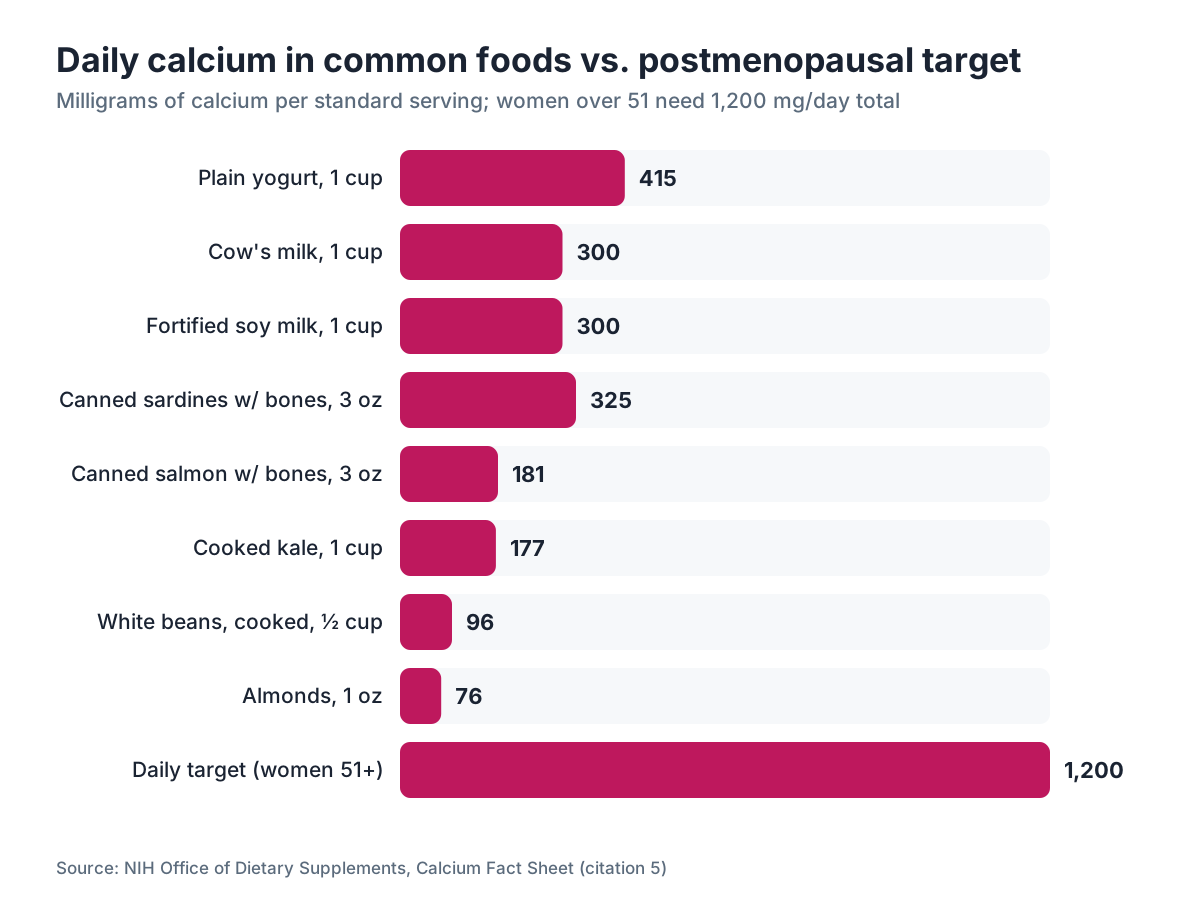
This is the one area where the numbers are specific and agreed upon. The National Institutes of Health Office of Dietary Supplements recommends 1,200 mg of calcium per day for women aged 51 and older, up from 1,000 mg for younger adults [5]. The vitamin D recommendation for this age group is 600 to 800 IU per day from official guidelines, though many endocrinologists suggest 1,000 to 2,000 IU based on real-world insufficiency rates.
Get calcium from food first. A cup of plain yogurt has about 415 mg. A cup of cow's milk has around 300 mg. Three ounces of canned sardines with bones has roughly 325 mg. Fortified plant milks vary but often match cow's milk. Calcium supplements are fine for filling gaps, but two large trials (Women's Health Initiative, CAIFOS) found that supplemental calcium above dietary needs offers minimal extra bone benefit and may slightly raise kidney stone risk in stone-prone women [5].
Vitamin D deficiency is common in the United States. The Endocrine Society estimates that up to 41% of U.S. adults are vitamin D insufficient (below 20 ng/mL) [6]. Fatty fish, egg yolks, and fortified foods provide some, but sun exposure and supplementation usually close the gap for most women living above 37 degrees latitude.
Magnesium often gets overlooked. It supports calcium metabolism and may help with sleep quality, which worsens substantially in perimenopause. The RDA for women over 31 is 320 mg per day. Pumpkin seeds, black beans, almonds, and leafy greens are the most efficient food sources.
Which foods help with hot flashes and night sweats?
Honest answer: no food reliably eliminates vasomotor symptoms. But some patterns appear to cut their frequency.
The WAVS trial (2023, Menopause journal) found that a low-fat, plant-based diet with a daily serving of whole soybeans reduced moderate-to-severe hot flashes by 84% over 12 weeks compared with a control group, and cut nighttime hot flashes by 79% [7]. This was a small study (84 women), but the effect size was large enough to take seriously. The control group saw no change. Researchers attribute the effect partly to isoflavones, partly to weight loss in the intervention group, and partly to mechanisms nobody has pinned down yet.
Alcohol and spicy food are consistent triggers for vasomotor symptoms in surveys and small observational studies. Neither is proven causal in a trial setting, but if you track your hot flashes and either shows up reliably beforehand, that's reason enough to cut back.
Caffeine's relationship with hot flashes is murkier. Some surveys tie higher caffeine to more hot flashes; others don't. Mayo Clinic MsFLASH data suggested caffeine was associated with worse vasomotor symptoms in perimenopausal women but not postmenopausal women. The practical advice: if hot flashes hit mainly in the afternoon or evening, cutting caffeine after noon is a reasonable low-cost experiment.
Blood sugar spikes can trigger hot flashes in some women by firing up the sympathetic nervous system. A meal high in refined carbohydrates creates a sharper insulin response, which can cause a reactive drop that feels like a hot flash or worsens an existing one. Eating carbohydrates alongside protein and fiber flattens that curve.
What should you eat to protect your bones during menopause?
Bone health is where nutrition during menopause does the most measurable work, and where skipping it carries the clearest long-term cost. About 50% of women over 50 will have an osteoporosis-related fracture in their lifetime [2].
Calcium and vitamin D (covered above) are the foundation. Beyond those, a few nutrients matter more than most people realize.
Protein is one. Early data suggested high-protein diets might leach calcium from bone, but the larger and more current analysis points the opposite way: adequate protein is associated with better bone mineral density and lower fracture risk. A 2017 meta-analysis in Osteoporosis International found that higher dietary protein intake was associated with modestly higher hip bone density across 36 studies [8].
Vitamin K2 has drawn attention for bone health because it activates osteocalcin, a protein that binds calcium into bone matrix. Natto (fermented soybeans) is the highest dietary source. Aged cheeses and egg yolks have smaller amounts. The trial data on K2 supplements is promising but not solid enough for a strong recommendation. Eating foods that contain it costs nothing and carries no risk.
Collagen peptides get a lot of marketing attention. The evidence for bone is limited but not zero. A small 2016 trial in Nutrients found that specific collagen peptides, combined with calcium and vitamin D, improved bone mineral density in postmenopausal women more than calcium and vitamin D alone over 12 months [8]. Powdered collagen is cheap, mixes easily into coffee or smoothies, and has essentially no downside. That's a low bar to clear.
What actively hurts bone: heavy alcohol (more than one drink per day), very high sodium (which raises urinary calcium loss), smoking, and crash diets that drop weight fast. Bone is living tissue and responds to load, so resistance training alongside good nutrition matters more than any single food.
If you have not had a bone density test and you are 65 or older, or 50 to 64 with risk factors, the U.S. Preventive Services Task Force recommends DEXA screening.
How can you prevent or manage the weight gain that happens in menopause?
Midlife weight gain is real and partly hormonal. It is not as inevitable as it feels, and the mechanisms are workable once you understand them.
Estrogen loss lowers resting metabolic rate. One estimate, from a 2021 study in Cell Metabolism tracking energy expenditure across the lifespan, found total energy expenditure peaks in early adulthood and declines about 0.7% per year after age 60, with a notable shift around menopause [9]. A woman who held her weight eating 2,000 calories at 45 may gradually need 150 to 200 fewer calories by 55 to stay level, even with the same activity.
Protein is the most powerful dietary tool here. It has the highest thermic effect of any macronutrient (roughly 20 to 30% of protein calories are burned in digestion), it preserves lean mass during calorie restriction, and it fills you up more than carbs or fat. Build every meal around a protein anchor (eggs, Greek yogurt, cottage cheese, legumes, fish, poultry) before filling in carbohydrates and fat. That approach is practical and well supported.
Fiber matters too. It feeds the gut microbiome, slows glucose absorption, and increases satiety. Women in the U.S. average 15 grams of fiber per day when the recommended intake is 25 grams. Closing that gap with beans, lentils, oats, vegetables, and fruit is one of the most evidence-backed dietary changes going.
For women with significant weight to lose, GLP-1 receptor agonists have become a serious clinical option. The STEP 1 trial (semaglutide) showed 14.9% average body weight reduction over 68 weeks [10]. The SURMOUNT-1 trial (tirzepatide) showed up to 22.5% weight reduction [10]. These drugs work best combined with the dietary changes described here, not instead of them. WomenRx offers GLP-1 prescriptions for eligible women, and you can read more about semaglutide and semaglutide vs tirzepatide in our detailed comparisons.
Calorie counting is one tool, not a rule. Many women do well simply by cutting ultra-processed snacks, drinking less alcohol, and building protein into breakfast. Others need more structure. The goal is finding the level of tracking that produces results without wearing you down.
Which foods support heart health during and after menopause?
Cardiovascular disease is the leading cause of death for women, and the risk climbs significantly after menopause. Estrogen protects blood vessels, reducing LDL oxidation and supporting endothelial function. That protection fades as estrogen falls.
The dietary evidence for cardiovascular protection in this age group is stronger than in almost any other area of nutrition science. The PREDIMED trial, which enrolled mostly adults aged 55 to 80, found that a Mediterranean diet supplemented with either extra-virgin olive oil or nuts reduced major cardiovascular events by about 30% compared with a low-fat diet [11]. It was a large trial (7,447 participants) and remains one of the most cited diet-heart studies ever published.
Omega-3 fatty acids from fatty fish (salmon, mackerel, sardines, anchovies) reduce triglycerides and have modest anti-inflammatory effects. Aim for two or more servings of fatty fish per week. Fish oil supplements are a decent backup if you dislike fish; the evidence is stronger for food than pills, but 1 to 2 grams of EPA/DHA daily is a reasonable supplemental dose.
Saturated fat stays contentious in nutrition science, but the current evidence still supports keeping it below 10% of total calories. Swapping saturated fat for unsaturated fat (olive oil, avocado, nuts) rather than refined carbohydrates appears to be what drives the cardiovascular benefit.
Ultra-processed food is the clearest villain in modern cardiovascular nutrition. A 2024 BMJ meta-analysis of 45 pooled studies found that higher ultra-processed food intake was associated with a 50% higher risk of cardiovascular disease mortality [12]. That's a stronger association than most individual nutrients.
For women weighing whether hormone replacement therapy might also help cardiovascular risk, the picture is nuanced and timing-dependent. Our article on hormone replacement therapy covers the evidence in detail.
Does alcohol affect menopause symptoms and health risks?
Alcohol interacts with menopause in more ways than most women expect.
Hot flashes: alcohol is one of the most consistently reported dietary triggers for vasomotor symptoms. It dilates blood vessels and can directly set off the thermoregulatory cascade that produces a hot flash. The MsFLASH network found that even moderate alcohol intake was associated with worse hot flash severity.
Sleep: alcohol disrupts REM sleep architecture. Since night sweats already fragment sleep in perimenopause and menopause, adding alcohol on top compounds the problem.
Bone: alcohol interferes with calcium absorption and osteoblast function. More than one standard drink per day is tied to lower bone density in multiple large observational studies.
Breast cancer: alcohol is a Group 1 carcinogen classified by the IARC. Each additional 10 grams of alcohol per day (roughly one drink) is associated with about a 7 to 10% increase in relative breast cancer risk according to IARC pooled analyses. For a woman whose baseline lifetime risk is 12%, that's not negligible.
None of this makes a glass of wine categorically off limits. But if you are managing hot flashes, poor sleep, bone concerns, or elevated breast cancer risk, cutting alcohol is one of the most evidence-backed changes you can make.
What role does gut health play in menopause?
This area has moved fast in the last five years. The gut microbiome has a meaningful connection to estrogen metabolism through a collection of bacteria called the estrobolome. These bacteria produce enzymes (mainly beta-glucuronidase) that deconjugate estrogens in the gut, letting them be reabsorbed into circulation rather than excreted.
A diverse, fiber-rich microbiome appears to support healthier estrogen recycling. A disrupted one (from antibiotics, a low-fiber diet, or chronic stress) may work against it.
Prebiotic fiber (the type that feeds beneficial bacteria) comes from onions, garlic, leeks, asparagus, oats, and bananas. Probiotic fermented foods (yogurt, kefir, kimchi, sauerkraut) add live bacteria directly. No single probiotic supplement strain has been shown in a large trial to improve menopause symptoms, but the broader pattern of high-fiber, fermented food eating is associated with better microbiome diversity.
Bloating and digestive discomfort also worsen for many women in perimenopause, partly because of hormonal effects on gut motility. Increasing fiber gradually (to avoid gas), staying well hydrated, and cutting back on artificial sweeteners (which can alter gut bacteria) are practical starting points.
What supplements are worth taking during menopause, and which are overhyped?
The supplement industry targets menopausal women hard. Most products have thin evidence. Here's a realistic breakdown.
Worth taking for most women:
- Calcium (to fill dietary gaps up to 1,200 mg/day total; no benefit to going higher) [5]
- Vitamin D3 (1,000 IU daily if you are not regularly in sun; get your 25-OH vitamin D tested if unsure) [6]
- Magnesium glycinate (200 to 400 mg at night may help sleep and is safe; the evidence is indirect)
- Omega-3 (1 to 2 g EPA/DHA if you do not eat fatty fish twice weekly)
Possibly helpful, limited evidence:
- Collagen peptides (10 g/day; small bone and skin trial data, very safe)
- Soy isoflavones (40 to 80 mg/day; modest hot flash reduction in some trials, appears safe for most women)
Not worth the money for most women:
- Black cohosh: some evidence for hot flash reduction, but a 2012 Cochrane review found the effect small and inconsistent; rare cases of liver toxicity have been reported
- Red clover isoflavones: marginally better evidence than black cohosh for hot flashes, but the absolute benefit is small
- DHEA supplements (oral): weak evidence and poorly standardized doses; vaginal DHEA (prasterone) is FDA-approved for specific vaginal symptoms and is a separate matter
- Most "menopause support" blends: proprietary combinations make it impossible to know what dose of what ingredient you are actually getting
For women considering progesterone or estrogen therapy as part of a broader menopause plan, food and supplements are not substitutes. The menopause experience varies enough that what works nutritionally for one woman may do little for another.
How does eating timing and meal structure affect menopause symptoms?
When you eat matters more in midlife than it did at 30. Insulin sensitivity is lower, and the circadian regulation of metabolism becomes more important as estrogen falls.
Time-restricted eating (eating within an 8 to 10 hour window each day, often called intermittent fasting) has shown promise in small studies for improving insulin sensitivity, reducing visceral fat, and supporting weight management in menopausal women. A 2022 trial in Obesity found that an 8-hour eating window combined with a Mediterranean diet produced significantly more visceral fat loss than the Mediterranean diet alone in overweight women aged 35 to 70 [13].
The structure that works well: a protein-rich breakfast within one to two hours of waking (this supports muscle protein synthesis and steadies blood sugar for the morning), a substantial lunch, and a lighter dinner finished at least two to three hours before sleep. Large meals close to bedtime worsen sleep quality and push blood sugar up overnight, when it should be low.
Skipping breakfast entirely is a mixed picture for this age group. Some women do well on it; others find it raises cortisol and worsens hot flashes. If you skip breakfast and notice more vasomotor symptoms or afternoon energy crashes, try adding protein in the morning for two weeks as a direct experiment.
Hydration is mundane but real. Menopause raises baseline fluid losses through sweating (night sweats included). Mild dehydration worsens fatigue, brain fog, and joint discomfort. Aim for at least 8 cups (2 liters) of water daily, and more if you are physically active or live somewhere hot.
How should your diet change in perimenopause versus postmenopause?
Perimenopause (the transition leading up to the final period, which usually starts in the mid-40s but can begin earlier) and postmenopause have overlapping but not identical nutritional priorities. Knowing where you are in the transition matters. Our articles on perimenopause age and when does menopause start can help you figure that out if you are unsure.
In perimenopause, estrogen swings dramatically. Blood sugar instability and worsening PMS-like symptoms are common. The moves that pay off most here are steadying blood sugar (high-protein, high-fiber meals, less refined sugar), cutting alcohol, and starting the calcium and vitamin D habits that will matter more in postmenopause.
In early postmenopause (the first five years after the final period), bone loss runs at its fastest. Cardiovascular risk begins its upward march. This is the window where nutrition changes move long-term outcomes the most. Protein intake, calcium, omega-3s, and the Mediterranean pattern all have their strongest evidence here.
In late postmenopause (10+ years after menopause), sarcopenia (muscle loss) becomes the dominant nutritional concern. The protein target may need to go higher (up to 1.6 to 2.0 g/kg/day in some clinical recommendations for women with low muscle mass), and resistance training becomes even more important as the dietary co-intervention.
One thing holds across all phases: eat enough. Many women restrict calories aggressively in response to midlife weight gain and end up losing more muscle than fat, worsening the metabolic profile they were trying to fix. A modest deficit of 200 to 300 calories per day, held with high protein, produces better body composition than aggressive restriction.
Frequently asked questions
What foods should you avoid during menopause?
Ultra-processed foods, refined carbohydrates, and excessive alcohol have the clearest evidence for worsening menopause symptoms and raising cardiovascular and bone risk. Spicy food and alcohol are the most commonly reported hot flash triggers. There is no single food you must eliminate, but pulling back on those categories consistently produces measurable benefits.
Does soy actually help with hot flashes?
Possibly, modestly. The WAVS trial (2023) found a whole-food soy intervention reduced moderate-to-severe hot flashes by 84% over 12 weeks in a small trial. Soy isoflavone supplements show smaller, more inconsistent effects in larger trials. Whole soy foods are safe for most women including most breast cancer survivors based on current evidence. Concentrated isoflavone supplements have less long-term safety data.
How much protein should a woman eat during menopause?
Most research now supports 1.2 to 1.6 grams of protein per kilogram of body weight per day for women over 50, which is 50 to 100% higher than the population RDA of 0.8 g/kg. This higher intake helps counteract anabolic resistance (reduced muscle protein synthesis efficiency) and preserves lean mass during calorie restriction. Spread protein across all three meals for best effect.
Can diet reduce bone loss after menopause?
Diet cannot fully stop bone loss in early postmenopause, when the rate can reach 2 to 3% per year. But adequate calcium (1,200 mg/day), vitamin D (800 to 1,000 IU/day), and dietary protein all meaningfully slow the rate. Alcohol above one drink per day, very low calorie diets, and high sodium intake accelerate bone loss. Diet works best alongside resistance exercise and, for some women, hormone therapy.
Is intermittent fasting safe for women in menopause?
Small trials suggest time-restricted eating (an 8 to 10 hour eating window) is safe and may improve insulin sensitivity and reduce visceral fat in menopausal women. The main caution is that skipping meals can raise cortisol and worsen hot flashes in some women. If you try it, do not sacrifice protein intake in the process; hitting your daily protein target within the eating window matters more than the fasting duration.
What vitamins are women most deficient in during menopause?
Vitamin D is the most common deficiency, with up to 41% of U.S. adults below optimal levels. Calcium intake sits below recommended levels for most American women over 50. Magnesium and B12 deficiency also become more common with age. B12 absorption drops as stomach acid production declines, making fortified foods or supplements worth considering for women over 50.
Does a Mediterranean diet help with menopause symptoms?
A 2023 systematic review found Mediterranean diet adherence was associated with lower hot flash frequency, better bone mineral density, and lower cardiovascular disease markers in peri- and postmenopausal women. It is the most thoroughly studied dietary pattern for this age group. The key components are abundant vegetables, legumes, olive oil, fatty fish, nuts, and whole grains, with limited red meat and ultra-processed food.
How much calcium do you need after menopause?
The NIH recommends 1,200 mg of calcium per day for women 51 and older, up from 1,000 mg for younger women. Food sources are preferable: yogurt (415 mg per cup), milk (300 mg per cup), canned sardines with bones (325 mg per 3 oz). Supplements are appropriate for filling gaps but offer minimal additional benefit beyond meeting the daily total and may slightly raise kidney stone risk in susceptible women.
Can what you eat affect your mood and sleep during menopause?
Yes, through multiple pathways. Blood sugar instability (from high-sugar, low-protein diets) worsens anxiety and irritability. Magnesium insufficiency is linked to poor sleep and muscle tension. Alcohol disrupts REM sleep and worsens night sweats. Tryptophan-rich foods (turkey, eggs, dairy) support serotonin production. A high-fiber diet also supports gut microbiome diversity, which is increasingly linked to mood regulation through the gut-brain axis.
Does weight gain during menopause always require medication to reverse?
No. Many women manage midlife weight gain through dietary changes alone, particularly by increasing protein, cutting ultra-processed food, and moderating alcohol. For women with significant obesity or metabolic complications, GLP-1 medications like semaglutide or tirzepatide showed 15 to 22% body weight reduction in large trials (STEP 1, SURMOUNT-1) and can be appropriate clinical tools. Diet and medication are not mutually exclusive; the best trial outcomes came from medication plus lifestyle change.
Are there foods that make night sweats worse?
Alcohol is the most consistently reported dietary trigger for night sweats. Spicy foods trigger vasomotor episodes in many women. Large, high-carbohydrate meals close to bedtime raise body temperature during digestion and can worsen sweating. Caffeine after noon disrupts sleep architecture and may worsen the experience of night sweats even if it does not directly cause them. Eliminating all four and tracking symptoms for two weeks is a useful self-experiment.
What is the connection between gut health and menopause?
The gut estrobolome, a subset of gut bacteria, regulates how much estrogen gets recycled back into circulation versus excreted. A diverse, fiber-rich microbiome appears to support healthier estrogen metabolism. Hormonal changes in menopause also alter gut motility, often causing more bloating and constipation. Eating 25 grams of fiber daily, including fermented foods, and staying hydrated are the most evidence-backed approaches to supporting gut health during this transition.
Should women in menopause take a daily multivitamin?
A multivitamin is a reasonable safety net but not a substitute for eating well. Standard multivitamins rarely contain enough calcium (most have 200 to 300 mg, far below the 1,200 mg target) and often contain only 400 IU of vitamin D, below the range many women need. If you take one, check the label for vitamin D, B12, and magnesium and supplement separately where the amounts fall short.
How does diet interact with hormone replacement therapy?
Diet and HRT work through different mechanisms and are not substitutes for each other. HRT directly replaces declining estrogen and addresses the root hormonal cause of many symptoms; diet shapes the environment in which those hormones (or their absence) operate. Calcium, vitamin D, and a Mediterranean-style diet support the cardiovascular and bone benefits that HRT also provides. For women considering both, they complement each other.
Sources
- Menopause journal (The Menopause Society), Greendale et al., 2019
- North American Menopause Society (NAMS), Menopause Practice guidelines
- Nutrients journal, Barrea et al., 2023, systematic review of dietary patterns in menopause
- Journal of Cachexia, Sarcopenia and Muscle, Deutz et al., 2017, protein recommendations for older adults
- NIH Office of Dietary Supplements, Calcium Fact Sheet for Health Professionals
- Endocrine Society, Vitamin D Deficiency Clinical Practice Guideline
- Menopause journal (The Menopause Society), Barnard et al., 2023, WAVS trial
- Nutrients journal, König et al., 2018, collagen peptides and bone mineral density in postmenopausal women
- Cell Metabolism, Pontzer et al., 2021, daily energy expenditure across the human lifespan
- New England Journal of Medicine, STEP 1 trial (Wilding et al., 2021) and SURMOUNT-1 trial (Jastreboff et al., 2022)
- New England Journal of Medicine, PREDIMED trial (Estruch et al., 2013, corrected 2018)
- BMJ, Lane et al., 2024, meta-analysis of ultra-processed food and cardiovascular outcomes
- Obesity journal, Lowe et al., 2022, time-restricted eating and Mediterranean diet in overweight women