GLP-1 semaglutide explained: how it works, what it does, and who it's for
TL;DR: Semaglutide is a GLP-1 receptor agonist. It mimics glucagon-like peptide-1, a gut hormone that controls appetite, insulin release, and stomach emptying. In clinical trials it reduced body weight by 15 to 17% over 68 weeks. It comes as a weekly injection (Ozempic for diabetes, Wegovy for obesity) and is FDA-approved for both. Women in perimenopause and menopause are among the fastest-growing users.
What is GLP-1 semaglutide and how is it different from other weight loss drugs?
Semaglutide is a synthetic version of glucagon-like peptide-1 (GLP-1), a hormone your small intestine releases after you eat. So yes, semaglutide is a GLP-1 agonist. It binds to the same receptors your body's own GLP-1 uses, but it stays active far longer. Natural GLP-1 has a half-life of about two minutes. Semaglutide's half-life is roughly one week, which is why you only inject it once [1].
Before semaglutide, most weight-loss medications worked on the brain's dopamine or norepinephrine pathways, or on fat absorption in the gut. Semaglutide works differently. It acts on GLP-1 receptors in the pancreas, the stomach, the intestines, and, most importantly for weight loss, the hypothalamus in the brain. That last location is why it cuts hunger so effectively. It's not willpower. It's pharmacology.
There are now several GLP-1 drugs on the market, including liraglutide (Saxenda), dulaglutide (Trulicity), and tirzepatide (Mounjaro, Zepbound). Semaglutide beats most of them on weight loss. Tirzepatide, which adds a GIP receptor action on top of GLP-1, edges it out slightly in the newest trials, but semaglutide still produces meaningfully larger weight loss than anything that came before it. If you want a side-by-side breakdown, see our semaglutide vs tirzepatide comparison.
The two branded forms most people encounter are Ozempic (approved 2017, for type 2 diabetes) and Wegovy (approved 2021, for chronic weight management). The molecules are identical. The doses and FDA approvals differ [2].
How does semaglutide actually work inside your body?
GLP-1 receptors sit throughout your body, and semaglutide activates all of them. The effect you feel most is appetite suppression. In the hypothalamus, GLP-1 receptor activation ramps up signals that tell you you're full (anorexigenic signals) and quiets the ones that tell you you're hungry (orexigenic signals). Many women describe it as the food noise going silent. Cravings that used to feel urgent simply stop showing up.
In the pancreas, semaglutide increases insulin secretion after meals and suppresses glucagon, a hormone that raises blood sugar. Both effects lower blood glucose, which is why it was developed first as a diabetes drug. The insulin effect is glucose-dependent, meaning semaglutide only boosts insulin when blood sugar is actually elevated. That design keeps the risk of hypoglycemia low compared to older diabetes drugs.
In the stomach, semaglutide slows gastric emptying. Food leaves your stomach more slowly, which stretches out the feeling of fullness after a meal and blunts the post-meal blood sugar spike. This is also the mechanism behind one of its most common side effects: nausea, especially early on when doses are low and climbing.
In the cardiovascular system, the SELECT trial (2023) showed semaglutide 2.4 mg cut major adverse cardiovascular events by 20% in people with existing cardiovascular disease who were overweight but not diabetic [3]. That surprised cardiologists. The drug went from a diabetes tool to a cardiovascular medication overnight, at least in the medical literature.
What do the clinical trials actually show for weight loss?
The STEP (Semaglutide Treatment Effect in People with obesity) trials are the primary evidence base. STEP 1, published in the New England Journal of Medicine in 2021, enrolled 1,961 adults with obesity (BMI 30 or above) or overweight (BMI 27 or above) with at least one weight-related condition. Participants got semaglutide 2.4 mg weekly or placebo, with lifestyle intervention in both groups. After 68 weeks, the semaglutide group lost an average of 14.9% of body weight versus 2.4% in the placebo group [4].
STEP 2 looked specifically at people with type 2 diabetes. Average weight loss ran lower, around 9.6% with semaglutide 2.4 mg. That tracks with what clinicians see: diabetes changes the metabolic environment in ways that blunt some of the drug's weight-loss effect.
STEP 5 followed participants for two years and found the loss held, with the semaglutide group keeping an average 15.2% reduction at 104 weeks [8].
One number deserves attention. In STEP 1, about 32% of semaglutide participants lost 20% or more of their body weight. That level of loss was previously reachable only with bariatric surgery.
What happens if you stop? The STEP 4 trial answered that. After 20 weeks of semaglutide, participants who switched to placebo regained about two-thirds of what they'd lost within a year [9]. This is not a moral failure. GLP-1 is a hormone your body uses to regulate appetite, and when you pull the drug, the deficiency comes back. Have that conversation before you start.
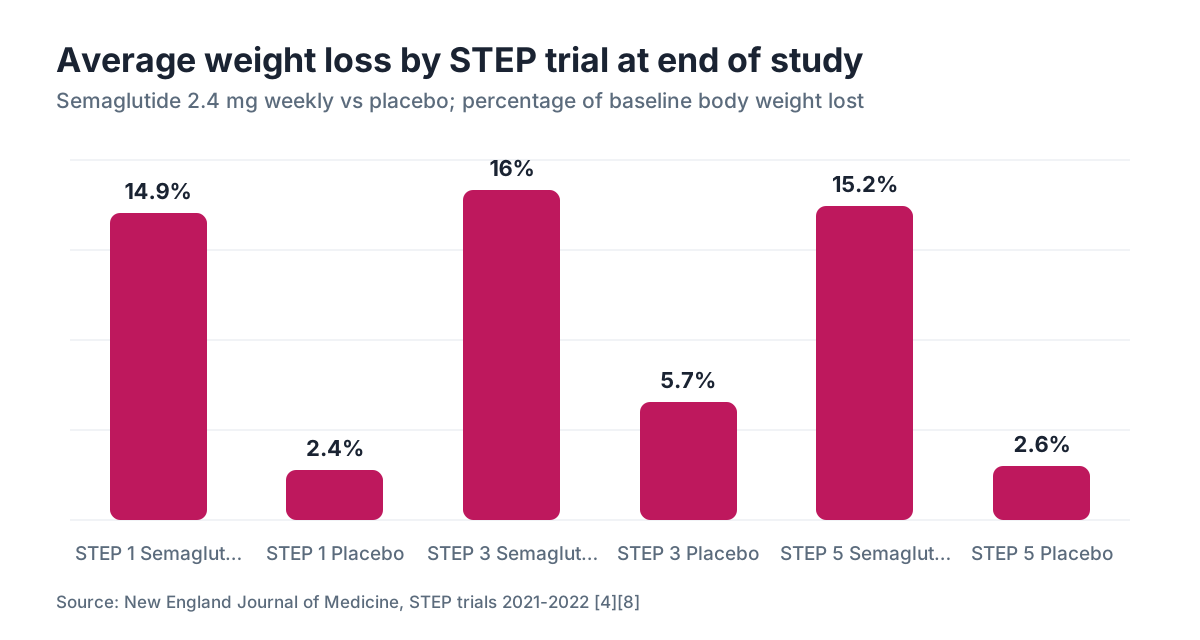
Weight loss results from STEP trials at a glance
| Trial | Population | Duration | Average weight loss (semaglutide 2.4 mg) | Average weight loss (placebo) | |---|---|---|---|---| | STEP 1 | Obesity/overweight, no diabetes | 68 weeks | 14.9% | 2.4% | | STEP 2 | Type 2 diabetes | 68 weeks | 9.6% | 3.4% | | STEP 3 | Obesity + intensive behavioral therapy | 68 weeks | 16.0% | 5.7% | | STEP 5 | Obesity/overweight, no diabetes | 104 weeks | 15.2% | 2.6% |
Source: New England Journal of Medicine, 2021-2022 [4][8]
These are averages. Individual results swing widely. Women with hormonal conditions, thyroid disease, or lower baseline metabolic rates tend to land toward the lower end. Women with higher starting weights often (though not always) see larger absolute pounds lost even when the percentage is similar.
Is semaglutide right for women going through perimenopause or menopause?
This is the question most women in our readership are actually asking. The honest answer: the evidence is promising but not yet specific to this population.
The STEP trials enrolled mostly women (about 75% in STEP 1), and subgroup analyses suggest women respond as well as men in percentage terms. But the trials didn't sort participants by menopausal status or estrogen levels, so there's no clean data on "semaglutide in postmenopausal women" as a defined group. Researchers are filling that gap now.
Here's what separate menopause research does show. Weight gain during perimenopause is driven partly by declining estrogen, which shifts fat from the hips to the abdomen, and partly by changes in appetite-regulating hormones including GLP-1 itself [11]. Some research suggests estrogen changes GLP-1 receptor sensitivity, which could mean menopausal women have a slightly blunted response. The clinical impression from practitioners in this space is that pairing hormone replacement therapy with a GLP-1 often works better than either alone. That's clinical observation, not a randomized trial.
If you're in perimenopause or past menopause, the metabolic picture gets complicated. Insulin resistance climbs. Visceral fat accumulates. Sleep breaks down, which raises cortisol and ghrelin. Semaglutide handles the appetite and insulin resistance pieces directly. It doesn't replace estrogen. It doesn't fix sleep. And it won't stop bone loss, which matters because sharp calorie restriction and fast weight loss can speed up bone density decline. Getting a bone density test before or during treatment is worth raising with your doctor.
Platforms like WomenRx are built around this exact overlap, where metabolic health, hormones, and midlife care meet, and they can help you think through whether GLP-1 therapy fits alongside any HRT you're already on or considering.
What are the FDA-approved uses of semaglutide?
Semaglutide has four FDA approvals as of 2024 [2]:
- Ozempic (subcutaneous injection, up to 2 mg weekly): type 2 diabetes management, plus cardiovascular risk reduction in adults with type 2 diabetes and known cardiovascular disease.
- Wegovy (subcutaneous injection, 2.4 mg weekly): chronic weight management in adults with BMI 30 or above, or BMI 27 or above with at least one weight-related condition (hypertension, type 2 diabetes, dyslipidemia). Also approved for cardiovascular risk reduction in adults with obesity and established cardiovascular disease, based on the SELECT trial.
- Rybelsus (oral tablet, up to 14 mg daily): type 2 diabetes only.
The BMI thresholds matter because they drive insurance coverage. Most commercial plans follow FDA labeling. Medicaid and Medicare coverage swings hard by state and plan. Plenty of women who are candidates clinically don't hit the BMI cutoff and end up paying out of pocket, which brings us to cost.
Out-of-pocket cost for Wegovy without insurance runs roughly $1,300 to $1,400 per month as of mid-2024, though manufacturer savings programs can drop that to around $500 per month for commercially insured patients who qualify. Generic semaglutide doesn't exist yet; Novo Nordisk's US patent runs through at least 2032. Compounded semaglutide became a legal option during the FDA shortage but faces tightening rules. See our compounded semaglutide article for where that stands right now.
What are the real side effects and who should avoid semaglutide?
Gastrointestinal side effects are the top reason people cut the dose or stop. In STEP 1, nausea hit about 44% of participants, vomiting about 24%, diarrhea about 30%, and constipation about 24% [4]. Most were mild to moderate and clustered in the first few months during dose escalation. Smaller meals, skipping high-fat foods, and injecting at night all help.
The side effect that gets the most press is "Ozempic face," the gaunt or aged look from rapid fat loss in the face. It's real. It comes from fast weight loss, not from something specific to the drug, and it happens with any aggressive calorie deficit. Slower dose escalation and enough protein reduce it.
The more serious concerns:
Pancreatitis. Semaglutide carries a warning. Absolute risk looks low, but anyone with a history of pancreatitis should not use it [5].
Thyroid C-cell tumors. Semaglutide carries an FDA boxed warning based on animal studies showing thyroid C-cell tumors in rodents. No causal link has been shown in humans, but the drug is contraindicated in anyone with a personal or family history of medullary thyroid carcinoma or Multiple Endocrine Neoplasia syndrome type 2 (MEN 2) [5].
Gallbladder disease. Rapid weight loss raises gallstone risk. In the STEP trials, cholelithiasis occurred in about 2.6% of semaglutide participants versus 1.2% on placebo [4].
Muscle loss. GLP-1 drugs suppress appetite across the board. Without deliberate protein intake (most practitioners suggest at least 1.2 grams per kilogram of body weight daily) and resistance training, a meaningful share of the weight you lose is lean muscle, not fat. This matters most for women in midlife, where holding onto muscle is already hard.
Semaglutide should not be used during pregnancy. If you're trying to conceive or become pregnant while on it, stop the drug at least two months before attempting conception, per current guidance [5].
How does the dose escalation schedule work?
Semaglutide starts low and climbs slowly to give the gut time to adjust. The standard Wegovy schedule:
Weeks 1-4: 0.25 mg weekly Weeks 5-8: 0.5 mg weekly Weeks 9-12: 1.0 mg weekly Weeks 13-16: 1.7 mg weekly Week 17 onward: 2.4 mg weekly (maintenance)
For Ozempic in diabetes, the starting dose is also 0.25 mg, climbing to 0.5 mg, 1 mg, or 2 mg based on response and tolerability.
Many clinicians stretch this schedule out if side effects are rough. Some women spend eight weeks at each step instead of four. The research doesn't show that a slower ramp produces less eventual weight loss; it mainly shortens the nausea window.
The injection is subcutaneous, meaning into fat tissue, typically in the abdomen, thigh, or upper arm. The pens come pre-loaded, and most women describe the injection as nearly painless with a small needle. Rotating sites cuts down on local irritation.
How does semaglutide compare to tirzepatide for women?
Tirzepatide (sold as Mounjaro for diabetes, Zepbound for weight loss) adds a second mechanism: it also activates GIP receptors (glucose-dependent insulinotropic polypeptide) alongside GLP-1. In the SURMOUNT-1 trial, tirzepatide 15 mg produced an average weight loss of 22.5% over 72 weeks, meaningfully more than semaglutide's 15% in comparable trials [6].
Head-to-head comparisons are limited. The SURMOUNT-5 trial (2024-2025) gave some real-world signal, with tirzepatide outperforming semaglutide on weight loss. But weight loss isn't the only variable. Nausea profile, cost, insurance coverage, and individual tolerance all differ between the two.
For women who don't respond well to semaglutide, tirzepatide is usually the next move. For women who do respond well to semaglutide, there's generally no reason to switch. The semaglutide vs tirzepatide piece walks through this in more detail if you're trying to decide.
Can semaglutide be combined with hormone replacement therapy?
There's no pharmacokinetic interaction between semaglutide and standard HRT formulations (estradiol patches, gels, pills, or progesterone). They work through separate pathways and don't compete for the same receptors or metabolic enzymes.
The clinical question is different from the safety question. The clinical question is whether combining them beats either one alone. Observational data and clinical experience point to yes, at least for weight and metabolic markers, though a well-designed randomized trial specifically in perimenopausal or postmenopausal women hasn't been published yet. The logic holds: HRT addresses the hormonal drivers of menopausal weight gain (declining estrogen, disrupted leptin signaling), while semaglutide handles the appetite and insulin resistance pieces.
If you're on hormone replacement therapy and thinking about adding a GLP-1, or the reverse, the main practical issue is that both decisions involve dose adjustments over time and should ideally sit with a single provider who can see the whole picture. Splitting care between a gynecologist handling HRT and a primary care doctor handling GLP-1 with no coordination is where things go sideways.
Estrogen-containing HRT can affect clotting factors, especially oral estrogen. Significant weight loss on semaglutide can shift your cardiovascular and metabolic profile enough that your HRT dose might need revisiting. A provider fluent in both is the right person to manage this. If you're exploring what that looks like, WomenRx sees patients at the meeting point of hormones and metabolic care and can review both pieces together.
What does semaglutide cost and how do you get it?
Brand-name Wegovy costs roughly $1,300 to $1,450 per month without insurance as of mid-2025. Ozempic runs similarly, around $900 to $1,000 per month, though it's approved for diabetes rather than weight loss.
Insurance coverage for Wegovy improved after the FDA approved it for cardiovascular risk reduction in 2024, since cardiovascular disease draws broader insurance support than obesity alone. Medicare Part D still largely excludes weight-loss medications, though legislation has been proposed to change that. Commercial coverage varies; about 50% of large employer plans covered Wegovy as of 2023 according to KFF surveys, but prior authorization is common and often requires documented diet program failures or comorbidities [7].
Novo Nordisk's savings card brings out-of-pocket cost to around $500 per month for commercially insured patients who qualify. Uninsured patients have fewer options; the manufacturer's patient assistance program exists but has strict income limits.
Compounded semaglutide spread widely during the FDA shortage (2022-2024) at prices from $200 to $400 per month. The FDA declared the shortage resolved in early 2025 [12], which means compounders can no longer legally copy the branded product under the shortage exemption. The regulatory picture is still moving. Our compounded semaglutide article tracks the current status.
To get a prescription, you need an evaluation from a licensed prescriber, in person or via telehealth. The clinical bar is meeting the BMI criteria or having type 2 diabetes, though some providers prescribe off-label at lower BMIs when metabolic risk is present.
What should women know before starting semaglutide?
A few things practitioners don't always lead with, but should.
Weight regain is the default if you stop. This is biology, not failure. GLP-1 is not a short fix for a permanent problem; for most people, the medication is indefinite if the goal is sustained weight management. Budget accordingly.
Muscle preservation takes active effort. Protein targets (aim for 1.2 to 1.6 grams per kilogram of body weight daily) and resistance training two to three times a week aren't optional if you want the weight you lose to be mostly fat. Losing 15% of your weight but shedding a third of that from muscle leaves you metabolically worse off in some ways.
GI side effects are real but temporary for most people. The first four to eight weeks are the hardest. Smaller meals, low-fat foods, ginger for nausea, and staying hydrated get most people through.
Get labs before you start. A baseline metabolic panel, HbA1c, thyroid function, and lipid panel give you a reference point and can flag contraindications. If you haven't had a bone density test and you're over 50 or postmenopausal, add it to the pre-treatment checklist.
Read the full FDA label for Wegovy. The prescribing information is public and detailed. The boxed warning about thyroid tumors, the pancreatitis precautions, and the pregnancy guidance are all there in plain language [5]. Know what you're taking.
If you're also thinking about semaglutide for weight loss specifically, that article covers the practical side of starting, including what to eat and how to handle the first injection.
Frequently asked questions
Is semaglutide a GLP-1 or something else?
Semaglutide is a GLP-1 receptor agonist. It's a synthetic molecule that mimics glucagon-like peptide-1, a gut hormone that regulates appetite and insulin secretion. It binds to GLP-1 receptors throughout the body, including the brain, pancreas, and stomach. It's not a stimulant, an amphetamine, or a fat blocker. It works by activating the body's own appetite-regulation pathway with a molecule designed to stay active for about one week.
How much weight can you expect to lose on semaglutide?
In the STEP 1 trial, people using semaglutide 2.4 mg weekly lost an average of 14.9% of body weight over 68 weeks. About one-third of participants lost 20% or more. Results vary based on starting weight, diet, activity level, hormonal status, and adherence. Women with thyroid conditions or who are postmenopausal may see results on the lower end. Average absolute weight loss in STEP 1 was about 33 pounds from a starting weight near 232 pounds.
What's the difference between Ozempic and Wegovy?
Both contain semaglutide, the exact same molecule. Ozempic is FDA-approved for type 2 diabetes and comes in doses up to 2 mg weekly. Wegovy is approved for chronic weight management and goes up to 2.4 mg weekly. The higher dose is why Wegovy tends to produce more weight loss. Insurance coverage and prior authorization requirements differ significantly between the two approvals, which is why the distinction matters practically.
Can you take semaglutide while on birth control or hormone therapy?
Semaglutide has no known pharmacokinetic interaction with estrogen, progesterone, or hormonal contraceptives. They don't compete for the same metabolic pathways. Clinically, both can be used together. One practical note: semaglutide slows gastric emptying, which could theoretically reduce absorption of oral medications taken around the same time, including oral contraceptives or oral estrogen. Using a patch or gel form of HRT sidesteps that concern entirely.
Does semaglutide work differently in postmenopausal women?
There's no large trial specifically in postmenopausal women, so the honest answer is we don't know precisely. The STEP trials enrolled about 75% women but didn't sort by menopausal status. Estrogen is known to change GLP-1 receptor sensitivity, so declining estrogen could blunt some response. Clinical experience suggests postmenopausal women do respond, but may lose weight more slowly. Combining semaglutide with HRT appears beneficial based on clinical observation, though randomized trial data is lacking.
What foods should you avoid while taking semaglutide?
High-fat meals are the main trigger for nausea and GI distress, especially early in treatment. Fried foods, greasy meals, very spicy foods, and alcohol are the common culprits. Carbonated drinks can worsen bloating. Large portions at any meal are harder to tolerate because semaglutide slows stomach emptying. Smaller, lower-fat meals spaced through the day work best. Make protein a priority at every meal to protect against muscle loss during caloric restriction.
Will I regain weight if I stop semaglutide?
Yes, in most cases. The STEP 4 trial found that people who switched from semaglutide to placebo after 20 weeks regained about two-thirds of the weight they had lost within one year. GLP-1 deficiency returns when the drug is stopped, and the appetite and metabolic changes that drove weight gain come back with it. For sustained results, semaglutide is generally used as a long-term or indefinite medication, similar to how you'd think about a blood pressure drug.
Is compounded semaglutide safe and legal?
During the FDA drug shortage (2022-2024), compounded semaglutide was legal under shortage exemption rules. The FDA declared the shortage resolved in early 2025, which limits compounders' ability to legally produce copies of brand-name Wegovy or Ozempic. Compounded versions from 503B outsourcing facilities may still be available under specific conditions. Safety data on compounded formulations is limited. Our compounded semaglutide article covers the current regulatory status in detail.
What labs should I get before starting semaglutide?
A reasonable pre-treatment panel includes fasting glucose and HbA1c, a metabolic panel (liver and kidney function), thyroid-stimulating hormone, lipid panel, and complete blood count. If you're perimenopausal or postmenopausal, adding a DEXA bone density scan is worth considering since significant weight loss can affect bone density. Documenting baseline weight, BMI, and waist circumference gives you meaningful benchmarks to track real progress over months.
How long does it take for semaglutide to start working?
Most people notice reduced appetite within the first one to two weeks, even at the starting dose of 0.25 mg. Meaningful weight loss typically shows up by weeks four to eight. The full effect takes the entire dose-escalation period, roughly four to five months to reach the 2.4 mg maintenance dose. In STEP 1, most participants hit their maximum rate of weight loss around week 20, then held or kept slowly losing through week 68.
Does semaglutide affect bone density?
Rapid weight loss from any cause, including semaglutide, can reduce bone mineral density. The STEP trials showed a small drop in bone density markers in some participants. For postmenopausal women already at elevated risk for osteoporosis, this is a real consideration. Adequate calcium and vitamin D, resistance training, and monitoring bone density before and during treatment are practical safeguards. Adding HRT, which protects bone density, may offset some of this risk.
Can semaglutide help with PCOS or insulin resistance?
Semaglutide improves insulin sensitivity and lowers fasting insulin, both central problems in PCOS. Small trials and case series suggest it reduces androgen levels, improves menstrual regularity, and aids weight loss in women with PCOS. It is not FDA-approved for PCOS specifically, so this is off-label use. The evidence is promising enough that many endocrinologists and reproductive endocrinologists use it for PCOS patients, especially those who haven't responded to metformin.
What's the thyroid cancer warning actually about?
The FDA boxed warning on all GLP-1 receptor agonists, including semaglutide, stems from rodent studies showing thyroid C-cell tumors at high doses. No causal link has been confirmed in humans, and population-level studies have not shown a clear increased risk. Still, the drug is contraindicated if you or a family member has a personal history of medullary thyroid carcinoma or Multiple Endocrine Neoplasia type 2 (MEN 2). Thyroid monitoring during treatment is generally recommended.
Is oral semaglutide (Rybelsus) as effective as the injection for weight loss?
Rybelsus (oral semaglutide, up to 14 mg daily) is FDA-approved only for type 2 diabetes, not for weight loss. Head-to-head data shows the injection produces more weight loss than oral semaglutide at comparable doses, partly because oral bioavailability is lower and variable depending on when and how you take it. Rybelsus requires strict fasting before taking and specific timing rules. For weight management, Wegovy injection remains the standard because of the stronger efficacy evidence.
Sources
- FDA, Ozempic prescribing information (Novo Nordisk)
- FDA, Drug Approvals and Databases
- New England Journal of Medicine, SELECT trial 2023 (Lincoff et al.)
- New England Journal of Medicine, STEP 1 trial 2021 (Wilding et al.)
- FDA, Wegovy prescribing information (full label)
- New England Journal of Medicine, SURMOUNT-1 trial 2022 (Jastreboff et al.)
- KFF (Kaiser Family Foundation), Employer Health Benefits Survey 2023
- New England Journal of Medicine, STEP 5 trial 2022 (Garvey et al.)
- New England Journal of Medicine, STEP 4 trial 2021 (Rubino et al.)
- Endocrine Society, Clinical Practice Guideline on Pharmacological Management of Obesity
- North American Menopause Society (NAMS), Menopause journal, position statement on weight and menopause
- FDA, Drug Shortages database