Foods to avoid for menopause weight gain (and what to eat instead)
TL;DR: Women gain about 1.5 pounds a year during midlife, and falling estrogen moves fat storage toward the belly. Ultra-processed foods, added sugars, refined carbs, alcohol, and high-sodium packaged foods make it worse by spiking insulin, wrecking sleep, and raising cortisol. Cutting these while eating more protein, fiber, and whole foods is the most evidence-backed dietary move you can make.
How much weight do women actually gain during menopause?
The average woman gains about 1.5 pounds per year through the menopausal transition, which adds up to 10 to 15 pounds over the full perimenopause-to-postmenopause window for many women [1]. That number surprises people, because they want to blame menopause for all of it. The honest picture is messier. Aging alone slows your resting metabolic rate. Muscle mass drops roughly 3 to 8 percent per decade after 30 [2]. Estrogen loss then shifts fat from the hips and thighs toward the abdomen, which is why a lot of women notice their shape changing even when the scale barely moves.
The Study of Women's Health Across the Nation (SWAN) followed over 3,000 women for years and found that waist circumference grew by about 2 inches across the transition even in women whose overall weight held steady [1]. That belly fat is the part that raises cardiovascular and metabolic risk. It matters more than how your jeans fit.
So how much can you gain? There's no ceiling. Women who enter perimenopause with insulin resistance, poor sleep, or sedentary habits, and who lean on ultra-processed foods, can gain far more than the average. But 1.5 pounds a year is the baseline, and diet is one of the few levers you fully control [1][3].
See when does menopause start and perimenopause age for a timeline of when these hormonal changes typically begin.
Why does diet affect menopause weight gain differently than it did at 35?
Estrogen does a pile of metabolic work you never think about until it's gone. It keeps insulin sensitivity higher, supports leptin signaling (the hormone that tells you you're full), and quiets the enzyme lipoprotein lipase in belly fat cells, which limits how fast they fill [3]. When estrogen drops, all of that shifts at once.
The practical result is simple and annoying. The exact diet that held your weight steady at 38 can produce slow, steady gain at 48. Your cells respond less to insulin, so carb-heavy meals cause bigger, longer blood glucose swings. Your appetite hormones get less reliable. Sleep frays, and poor sleep on its own raises ghrelin (the hunger hormone) and cortisol, which parks fat around your middle [4].
This is physiology, not a willpower problem. But it does mean foods that were low-stakes in your 30s carry more cost now, especially the ones that spike insulin, break your sleep, or push cortisol up. The list below goes straight at those.
Which foods most directly drive menopause weight gain?
These are the foods the evidence most consistently ties to worse weight outcomes in midlife. Some are obvious. A couple aren't.
Ultra-processed foods
Ultra-processed foods, defined by the NOVA system as products built with industrial additives you'd never keep in a home kitchen, are the top target [5]. A 2019 NEJM study found that each daily serving of ultra-processed food tracked with roughly 0.58 kg of weight gain over four years [5]. For a woman already fighting a slower metabolism and shakier insulin sensitivity, that add-on effect stacks up fast. Chips, packaged cookies, flavored crackers, most fast food, frozen meals with ingredient lists a paragraph long, and many breakfast cereals all sit here.
The damage isn't only calories. These foods are engineered to override the signals that say you're full. They digest fast, which spikes glucose and then crashes it. They run low in protein and fiber, the two things that protect against menopausal weight gain. And many carry seed oils, emulsifiers, and additives that some research links to gut microbiome changes affecting weight, though that evidence is still young.
Added sugars and sugar-sweetened beverages
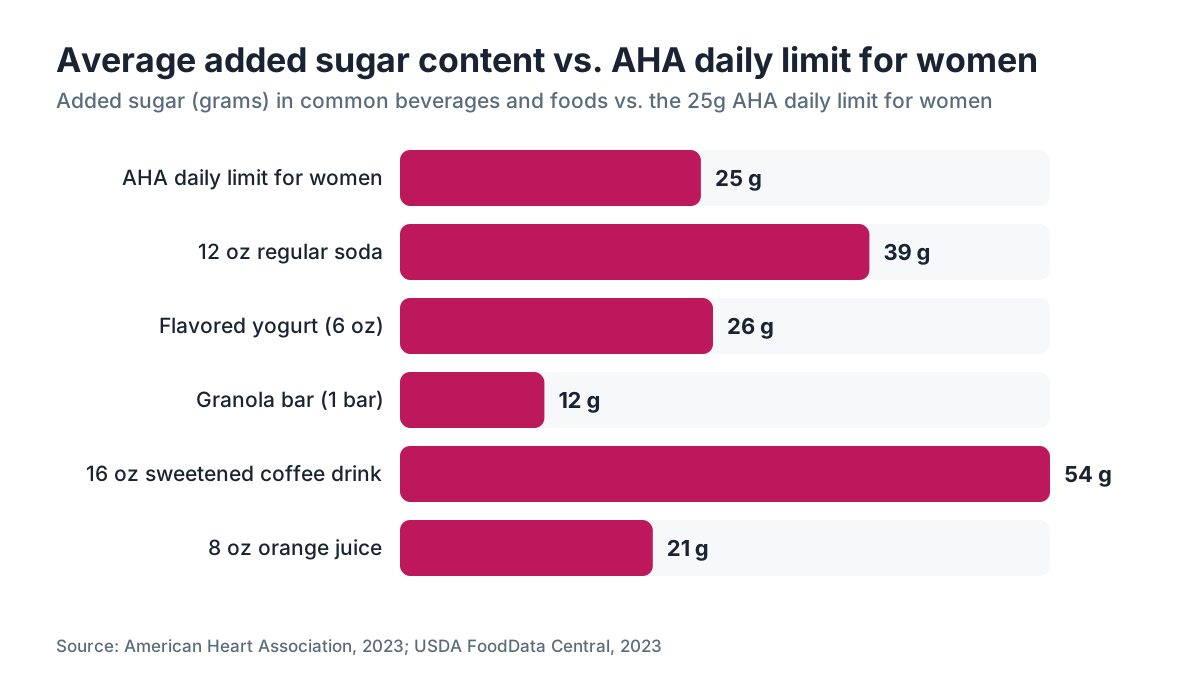
Added sugar drives insulin straight up. In a woman whose insulin sensitivity already dropped with estrogen, that's a heavier load to clear. The American Heart Association caps added sugar at 25 grams per day for women [6]. One 12-oz regular soda holds about 39 grams. Flavored yogurts, granola bars, fruit juices, sports drinks, and coffee drinks are the sneaky sources.
Liquid sugar is the worst version. It doesn't trigger the satiety response solid food does. You can drink 300 calories and feel no fuller than before you started.
Refined carbohydrates
White bread, white rice, most pasta, bagels, and pastries turn to glucose fast. In a perimenopausal or postmenopausal woman with even mild insulin resistance, they cause bigger blood sugar swings than they used to. The glucose spike pulls an insulin spike behind it, and insulin promotes fat storage, especially in the visceral compartment. Swapping refined carbs for fiber-rich whole grains cuts this effect substantially [3].
Alcohol
Alcohol is a bigger problem in menopause than most women expect. It carries 7 calories per gram (nearly as dense as fat), shuts down fat burning for up to 24 hours after a drink, suppresses REM sleep, and raises cortisol. Hot flashes often get worse because alcohol dilates blood vessels. Even one drink a day tracks with higher breast cancer risk across large cohort studies [7]. If weight and sleep are your concerns, alcohol is the highest-impact thing to cut.
High-sodium packaged and processed foods
Sodium doesn't build fat, but it holds fluid that shows up as weight on the scale, worsens bloating, raises blood pressure (already a postmenopausal concern), and usually rides along with the ultra-processed, calorie-dense foods above. The 2020-2025 Dietary Guidelines for Americans recommend under 2,300 mg of sodium per day, and most packaged soups, deli meats, frozen entrees, and restaurant plates blow past that in a single serving [8].
Excess saturated fat, especially from processed meat
Unsaturated fats from olive oil, avocado, nuts, and fish are good or neutral for menopausal women. Saturated fat from processed meats (bacon, sausage, hot dogs) and fried food is a different animal. High saturated fat intake links to worse insulin resistance and higher LDL cholesterol, both of which sharpen after menopause once estrogen's protection on the heart fades [3].
Energy drinks and heavy caffeine
Coffee in moderate amounts is probably fine and may even steady appetite. High-caffeine energy drinks and too much coffee are the issue. They push cortisol, feed anxiety, and can shred sleep in women already dealing with night sweats. Broken sleep is one of the most underrated drivers of menopausal weight gain, because it raises ghrelin and drops peptide YY, leaving you hungrier the next day [4].
What does the research say about specific dietary patterns for menopause weight?
Your overall pattern beats any single food. The evidence here is decent, though most of it is observational rather than randomized trials in menopausal women specifically.
The Mediterranean diet has the strongest track record for midlife women. A 2020 analysis in Menopause found that postmenopausal women eating a Mediterranean-style diet had lower rates of obesity and abdominal fat than those eating a Western diet [3]. The pattern runs on vegetables, legumes, whole grains, olive oil, fish, and moderate dairy, with almost no processed meat or added sugar.
A lower-glycemic diet is the second solid choice. Nurses' Health Study II data showed that women eating high-glycemic-load diets gained more weight over time than those eating lower-glycemic foods, and the effect hit sedentary women hardest [3].
Protein deserves its own line. It's thermogenic (your body burns more calories digesting it than fat or carbs), it protects lean muscle, and it's the most filling macronutrient. A 2020 meta-analysis in the Journal of the Academy of Nutrition and Dietetics found that higher-protein diets (1.2 to 1.6 grams per kilogram of body weight per day) held onto lean mass better in menopausal women than standard intake [9]. Most women on a typical Western diet land well under that.
Time-restricted eating (keeping food inside a steady 8 to 10-hour window) has early evidence in midlife women, though big trials in menopausal populations are thin. The logic holds up: matching food to your circadian rhythm may improve insulin sensitivity and cut cortisol-driven fat storage [4].
Does hormone therapy change what you should eat during menopause?
Hormone replacement therapy can shift the metabolic math. Estrogen therapy partly restores insulin sensitivity, slows visceral fat buildup, and improves sleep in many women, all of which ease the pressure on your food choices [10]. It doesn't make diet irrelevant. It does mean women on HRT often find weight a little easier to manage than women riding out menopause without hormones.
The North American Menopause Society (NAMS) says in its 2022 position statement that hormone therapy is the most effective treatment for vasomotor symptoms and may carry favorable metabolic effects, including blunting the rise in central fat that comes with menopause [10]. NAMS is also clear that HRT is not a weight loss drug and that lifestyle stays the foundation.
Progesterone is worth understanding. Micronized progesterone (like Prometrium) tends to be weight-neutral or mildly helpful for sleep. Synthetic progestins, especially medroxyprogesterone acetate (MPA), can raise appetite and hold fluid in some women. If you're on HRT and seeing unexpected weight changes, ask your prescriber about the progestogen in your regimen.
See estrogen patch for a practical comparison of delivery methods if you're considering or already on HRT.
What should you actually eat to avoid menopause weight gain?
Knowing what to cut only helps if you put something better in its place. Here's what the evidence backs most strongly for women trying to avoid or reverse menopause weight gain.
| Food category | Why it helps | Practical examples | |---|---|---| | Lean protein | Preserves muscle, boosts satiety, thermogenic | Eggs, Greek yogurt, chicken, salmon, lentils, tofu | | Non-starchy vegetables | High fiber, low calorie density, anti-inflammatory | Leafy greens, broccoli, cauliflower, zucchini, peppers | | Legumes | Fiber and protein together, low glycemic | Black beans, chickpeas, lentils, edamame | | Whole grains | Slower glucose release than refined carbs | Oats, farro, quinoa, brown rice, barley | | Fatty fish | Omega-3s, protein, anti-inflammatory | Salmon, sardines, mackerel, trout | | Olive oil | Monounsaturated fat, anti-inflammatory | Use for cooking and dressings | | Calcium-rich dairy or alternatives | Bone support, protein | Plain Greek yogurt, kefir, fortified oat milk | | Berries | High fiber, lower sugar than most fruits, antioxidants | Blueberries, raspberries, strawberries |
The protein target for a menopausal woman trying to hold onto lean mass is roughly 1.2 to 1.6 grams per kilogram of body weight per day, spread across meals [9]. For a 150-pound (68 kg) woman, that's about 82 to 109 grams a day. Most women on a typical American diet land around 60 to 70 grams.
Fiber is the other number to watch. Aim for at least 25 grams a day from food. Fiber slows gastric emptying, blunts glucose spikes, feeds good gut bacteria, and adds stool bulk, all of which point toward better weight and metabolic health [8].
Can GLP-1 medications help when diet alone isn't enough?
For some women, menopause creates a metabolic setup where diet alone can't hold the line, especially those with insulin resistance, hypothyroidism, or a history of metabolic syndrome. That's where medication earns a look.
GLP-1 receptor agonists like semaglutide (Wegovy, Ozempic) and tirzepatide (Zepbound) copy gut hormones that steer appetite and insulin release. The STEP 1 trial found that semaglutide 2.4 mg weekly produced an average weight loss of 14.9% of body weight over 68 weeks in adults with obesity or overweight, against 2.4% on placebo [11]. The SURMOUNT-1 trial of tirzepatide showed average weight loss up to 22.5% at the highest dose [12].
Neither trial was run in menopausal women specifically, so the data doesn't isolate that group. But in practice, GLP-1s help menopausal women who've fought weight despite eating well, partly because they quiet the food-seeking pull that worse sleep and hormone shifts create.
If you want to know whether semaglutide for weight loss fits your situation, WomenRx clinicians can review your history and prescribe if it's appropriate. See semaglutide vs tirzepatide for a head-to-head. If cost is the wall, compounded semaglutide is an option some women pursue, though the rules around it keep shifting.
GLP-1s don't replace the diet above. They work best next to a protein-forward, fiber-rich plan, because they cut appetite but do nothing on their own to stop muscle loss.
How does sleep affect menopause weight and what should you eat in the evening?
Sleep is the piece almost everyone underrates. The link runs both directions: hormone shifts wreck your sleep, and wrecked sleep speeds weight gain.
A 2022 review in Obesity Reviews found that sleeping under 7 hours a night tracked with a 41% higher odds of obesity across multiple large cohorts [4]. In menopausal women, night sweats and insomnia pile on. Sleep badly and ghrelin climbs while leptin falls, and you're measurably hungrier the next day, especially for high-carb, high-fat food.
Evening habits that protect sleep during menopause: finish your last meal or snack 2 to 3 hours before bed, skip alcohol at night entirely, stop caffeine after noon, and keep dinner lower in simple carbs (which can trigger the middle-of-the-night blood sugar crash that wakes you). A small protein snack before bed, a tablespoon of almond butter or a few ounces of cottage cheese, can steady overnight blood sugar in women who wake at 3 AM.
If hot flashes are the reason you're not sleeping, see menopause for a broader look at treatment options, including HRT, which goes after the vasomotor symptoms that fracture sleep.
What about alcohol specifically: how much is too much during menopause?
The honest answer: no amount of alcohol is clearly good during menopause, and the line for harm sits lower than most women assume.
The 2020-2025 Dietary Guidelines define low-risk drinking as one drink or fewer per day for women [8]. The same guidelines add that less is better, and recent Global Burden of Disease analyses suggest even low intake (breast cancer risk included) likely outweighs any benefit for most women.
During menopause the specifics get worse. Alcohol worsens hot flashes (30 to 50% of menopausal women report this), suppresses REM sleep, blocks fat metabolism for up to 24 hours, and adds 7 calories per gram with zero nutrition [7]. Red wine is not a health food. The resveratrol in a glass is far too low to reproduce anything seen in animal studies using concentrated supplements.
If you're trying to avoid weight gain and you drink 3 to 5 nights a week, cutting back is probably the highest-return change on this whole page. Nothing else moves the needle quite like it.
Are there any supplements that help with menopause weight?
Supplements mostly disappoint here. The evidence is usually weak, short, or paid for by the people selling the bottle.
A few have a real mechanism and at least honest evidence:
Magnesium glycinate or magnesium threonate may improve sleep quality, which indirectly helps weight. Deficiency is common in women eating a Western diet, and sleep is a lever that actually moves.
Vitamin D deficiency links to insulin resistance and weight gain in observational studies. Test your 25-OH vitamin D level and correct a deficiency (usually 1,000 to 2,000 IU/day, more if you're very low). It's cheap and low-risk [6].
Creatine monohydrate, usually pitched to athletes, has evidence in menopausal women for holding lean mass during resistance training. A 2021 trial found creatine plus resistance training kept more lean mass in postmenopausal women than training alone [9].
Phytoestrogens (soy isoflavones, red clover) have weak evidence for easing hot flashes in some women. They don't move weight.
Skip the fat burners, over-the-counter appetite suppressants, and anything promising to "balance your hormones." The FDA doesn't rigorously review these, the evidence is thin, and some carry real safety concerns.
How to actually change your eating habits when menopause makes you hungrier
Knowing the avoid list doesn't turn into behavior change on its own, especially when hormone shifts are making you genuinely hungrier and pulling you toward calorie-dense food. A few approaches with real evidence behind them:
Protein first at every meal. Before anything else lands on your plate, add the protein. This isn't a trend. It works because protein fills you up more than anything else, and most women shortchange it at breakfast and lunch, then overeat later.
Make good food easy and bad food a hassle. Keep pre-washed greens, hard-boiled eggs, cut fruit, and canned fish within reach. Don't buy the ultra-processed stuff you're trying to avoid. Willpower is worthless at 10 PM when your sleep is broken and your hormones are all over the place.
Don't cut a whole macronutrient. Low-fat diets usually swap fat for sugar. Very-low-carb diets are hard to sustain and mostly unnecessary. A moderate cut in refined carbs, not zero carbs, is the more evidence-based and livable path.
Track what you eat, at least for a stretch. Most people badly underestimate their intake. Two weeks of an honest food log tends to expose the pattern: the afternoon snack that became 600 calories, the weekend night that added 1,000. Cronometer or MyFitnessPal work fine.
Resistance training belongs here even though it isn't food. Muscle is what keeps your resting metabolic rate from sliding. Protein without lifting does less. Lifting without enough protein does less. You need both.
Frequently asked questions
What foods cause the most belly fat during menopause?
Sugar-sweetened beverages, refined carbohydrates (white bread, white rice, pastries), ultra-processed snacks, and alcohol are the biggest drivers of visceral belly fat during menopause. These foods spike insulin, which promotes fat storage in the abdomen specifically. Declining estrogen makes the belly the default storage site, so insulin spikes hit there harder than they did before menopause.
How much weight do you gain during menopause on average?
The average is about 1.5 pounds per year during the menopausal transition, according to the Study of Women's Health Across the Nation (SWAN). Over the full perimenopause to postmenopause window, that's roughly 10 to 15 pounds for many women. Waist circumference often grows even when scale weight barely moves, because fat redistributes from the hips to the abdomen.
Does giving up sugar really help with menopause weight gain?
Yes, and it's one of the most impactful single changes you can make. Added sugar spikes insulin, which drives fat storage, and menopausal women already have reduced insulin sensitivity. Cutting sugar-sweetened beverages alone, which many women drink daily without counting, can drop intake by several hundred calories a day. The benefit compounds over months.
Is alcohol worse for weight gain during menopause than before?
In several ways, yes. Alcohol carries 7 calories per gram, blocks fat oxidation for up to 24 hours, worsens hot flashes in 30 to 50% of menopausal women, and disrupts sleep. Since poor sleep independently raises hunger hormones and drives fat storage, alcohol's sleep effect alone makes it a real contributor to menopausal weight gain, beyond its calories.
Can eating more protein help prevent menopause weight gain?
Yes. Protein is the most filling macronutrient, it's thermogenic, and it protects lean muscle as metabolism slows in midlife. Research supports 1.2 to 1.6 grams per kilogram of body weight per day for menopausal women, well above the RDA of 0.8 g/kg. For a 150-pound woman, that's roughly 82 to 109 grams per day.
Does coffee cause menopause weight gain?
Moderate coffee (up to 2 to 3 cups a day, black or with minimal additions) is probably neutral or mildly helpful for weight, since caffeine has a small thermogenic effect. The problems come from high-calorie coffee drinks loaded with syrups and cream, and from caffeine late in the day, which breaks sleep. Sleep disruption is one of the clearest paths to menopausal weight gain.
Are there specific diets that work best for menopause weight loss?
The Mediterranean diet has the best evidence for menopausal women, linked to lower abdominal fat and better metabolic markers across multiple studies. A protein-forward, lower-glycemic diet is the second best-supported approach. Neither requires obsessive calorie counting. Both run on whole foods, adequate protein, healthy fats, and vegetables, with minimal ultra-processed food and added sugar.
Does dairy cause weight gain in menopause?
Plain, unflavored dairy (Greek yogurt, kefir, cottage cheese) is unlikely to cause weight gain and may help, since it delivers protein and calcium. Flavored yogurts, sweetened dairy drinks, and ice cream are a different story because of the added sugar. Full-fat dairy isn't clearly worse than low-fat for weight in current research, though calories still count.
What is the role of fiber in preventing menopause weight gain?
Fiber slows gastric emptying, blunts glucose spikes, keeps you full, and feeds good gut bacteria, all of which support healthier weight. The Dietary Guidelines recommend at least 25 grams a day for women, but average US intake sits around 15 grams. Getting more fiber from vegetables, legumes, and whole grains is one of the most accessible evidence-backed changes for menopausal women.
Can GLP-1 medications help menopausal women lose weight?
Yes, for women who qualify. The STEP 1 trial found semaglutide produced 14.9% average body weight loss over 68 weeks, and tirzepatide showed up to 22.5% in SURMOUNT-1. Neither trial was menopausal-specific, but GLP-1s quiet the appetite signals that worsen in menopause. They work best paired with a protein-rich, lower-glycemic diet, not as a standalone fix.
Does menopause affect how carbohydrates are metabolized?
Yes, meaningfully. Estrogen supports insulin sensitivity, so as it declines through perimenopause and menopause, carbohydrate metabolism gets less efficient. Blood glucose swings after carb-containing meals run larger and longer, which promotes fat storage. This doesn't mean carbs have to go. Replacing refined carbs with fiber-rich whole grains and pairing carbs with protein cuts the impact.
How to avoid weight gain during menopause if you have a slow metabolism?
Protect lean muscle through resistance training and adequate protein, since muscle drives your resting metabolic rate. Cut the foods most likely to store fat: ultra-processed foods, sugar-sweetened beverages, alcohol, and refined carbs. Guard your sleep, since poor sleep lowers energy expenditure and raises hunger hormones. If that's not enough, discuss metabolic testing and GLP-1 options with your clinician.
Does soy make menopause weight gain better or worse?
Plain soy foods (edamame, tofu, tempeh) are high in protein, low in glycemic impact, and unlikely to cause weight gain. They also carry isoflavones, which have weak estrogenic activity and may modestly ease hot flashes in some women. Heavily processed soy (soy chips, sweetened soy drinks) counts as ultra-processed and should be treated that way. Whole soy foods are net-positive for most menopausal women.
Are frozen meals okay during menopause, or should you avoid them?
Most frozen meals are high in sodium, low in protein, and ultra-processed, which makes them a poor pick for managing menopausal weight. There are exceptions: some are protein-forward, minimally processed, and reasonably low in sodium. The label decides it. If sodium tops 600 mg per serving, protein is under 20 grams, or the ingredient list is full of things you can't pronounce, find something better.
Sources
- NIH / SWAN (Study of Women's Health Across the Nation) overview, National Institute on Aging
- National Institute on Aging, Sarcopenia and muscle loss fact page
- Menopause journal, 'Mediterranean diet and obesity in postmenopausal women', 2020, North American Menopause Society
- Obesity Reviews, 'Short sleep duration and obesity', 2022
- New England Journal of Medicine, 'Changes in Diet Quality and Long-Term Weight Change', Ding et al., 2019
- American Heart Association, Dietary Sugar Recommendations
- National Cancer Institute, Alcohol and Cancer Risk fact sheet
- Journal of the Academy of Nutrition and Dietetics, 'Higher protein intake and lean mass retention in menopausal women', 2020 meta-analysis
- North American Menopause Society, 2022 Hormone Therapy Position Statement
- New England Journal of Medicine, STEP 1 Trial (Wilding et al., 2021): semaglutide 2.4 mg for weight management
- New England Journal of Medicine, SURMOUNT-1 Trial (Jastreboff et al., 2022): tirzepatide for weight reduction