Foods to avoid for menopause belly fat (and what to eat instead)
TL;DR: Menopause belly fat comes from falling estrogen, rising cortisol, and insulin resistance, more than from calories. The worst dietary offenders are added sugar, refined carbs, alcohol, ultra-processed foods, and excess sodium. Cut those and add protein, fiber, and fermented foods, and you can shrink visceral fat without brutal calorie restriction.
Why does menopause cause belly fat in the first place?
Menopause belly fat is a different animal from the weight you put on at 25 eating too much pizza. The mechanism has changed, which is why the tricks that worked at 30 fall flat at 50. Fix the food without understanding the biology and you will spin your wheels.
Estrogen decides where fat goes. When it runs high, your body stashes fat in the hips, thighs, and buttocks, the gynoid pattern. As estrogen drops through perimenopause and menopause, that preference swings toward the abdomen, and specifically toward visceral fat, the metabolically active kind packed around your organs [1]. It happens even when the scale barely moves.
The Endocrine Society reports that visceral fat rises sharply after menopause and tracks with higher risk of type 2 diabetes, heart disease, and metabolic syndrome [2]. This is not a cosmetic gripe. Visceral fat pumps out inflammatory cytokines and scrambles insulin signaling in ways the subcutaneous fat you can pinch does not.
Cortisol makes it worse. Night sweats wreck your sleep, hormonal swings add low-grade stress, and midlife piles on the real-world kind. All of that lifts cortisol, and cortisol is one of the strongest drivers of visceral fat, independent of how much you eat. Layer in the insulin resistance that creeps up during the transition, and foods that were once harmless start doing real metabolic damage.
Understanding menopause and its hormonal mechanics is the base layer. Food sits on top. Some foods worsen all three drivers at once (low estrogen signaling, high cortisol, insulin resistance). Those are the ones this article goes after.
What foods make menopause belly fat worse?
The short answer: added sugar, refined carbohydrates, alcohol, ultra-processed foods, and high-sodium packaged foods. Each one hits menopausal physiology in its own way, and eating several together, which the typical Western diet does, builds a near-ideal setup for visceral fat.
Added sugar and sugary drinks
Sugar, especially fructose, gets handled mostly in the liver. Excess fructose turns into fat through de novo lipogenesis, and that fresh fat lands disproportionately in the belly [3]. A controlled trial in the American Journal of Clinical Nutrition (Stanhope et al., 2009) found that fructose-sweetened beverages, but not glucose-sweetened ones, raised visceral fat and lowered insulin sensitivity in overweight adults over 10 weeks [3]. Postmenopausal women start with worse insulin sensitivity, so the effect lands harder.
Sugary drinks are the worst delivery vehicle because liquid calories skip the fullness signals solid food triggers. A 20 oz bottle of regular soda holds about 65 grams of added sugar. The American Heart Association caps women at 25 grams of added sugar a day [4]. Most women eat two to three times that without knowing it, because sugar hides in salad dressing, pasta sauce, yogurt, and granola bars.
Refined carbohydrates
White bread, white rice, crackers, most breakfast cereals, anything from refined flour. They spike glucose and insulin fast. Chronically high insulin tells your fat cells to hoard and tells your brain to stay hungry. After menopause, with insulin sensitivity already down, that loop is hard to break.
A study in Menopause found postmenopausal women on a low-glycemic pattern had lower waist circumference and less visceral fat than those on a high-glycemic diet, even at matched calories [5]. Glycemic load matters more after menopause than it did before.
Alcohol
Your body treats alcohol like a toxin. The liver drops everything to clear it, so fat burning pauses while you drink. Alcohol also raises cortisol, shreds sleep quality (less deep sleep, even if you nod off faster), and adds calories with no fullness payoff. Stalled fat burning plus high cortisol plus fractured sleep is close to a perfect formula for visceral fat.
Research keeps linking alcohol to a wider waist and more visceral fat, and the effect looks stronger in postmenopausal women than premenopausal ones [6]. There is no safe minimum for belly fat. Even one drink a day tracks with a larger waist in some cohort studies. If you actually want to shrink menopause belly fat, alcohol is probably the highest-leverage thing to cut.
Ultra-processed foods
Ultra-processed foods (UPFs) are defined by the NOVA classification as industrial formulations built from substances extracted from foods or made in labs: emulsifiers, flavor enhancers, modified starches, hydrogenated oils. Packaged snack cakes, fast food, flavored chips, most frozen meals, diet sodas. UPFs now supply more than 57 percent of the calories in the average American diet [7].
They drive belly fat down several roads at once. They tend to be loaded with refined carbs, added sugar, and sodium. They are engineered to override fullness. And they crowd out whole foods that carry the fiber and micronutrients your gut needs. A disrupted gut microbiome tracks with more visceral fat, and that disruption looks worse after menopause as estrogen's steadying effect on gut flora fades.
High-sodium packaged foods
Sodium does not directly add fat, but it holds water and causes bloating that makes belly fat look and feel worse. The bigger issue: high-sodium foods usually come bundled with every other offender above. Processed soups, deli meats, canned goods with added salt, and most restaurant meals shove you past the FDA's 2,300 mg daily sodium target with ease [8]. Chronic high sodium also raises blood pressure, and postmenopausal women already carry higher cardiovascular risk.
Trans fats and partially hydrogenated oils
The FDA pulled partially hydrogenated oils (PHOs) from the US food supply, with compliance done by 2021 [8]. But a food can still hold up to 0.5 grams of trans fat per serving and print zero grams on the label, a rounding loophole. Eat several servings and it adds up. Trans fats specifically push fat into the visceral compartment compared with unsaturated fats, shown in a Wake Forest primate study at matched calories [9]. Read the ingredient list, not the nutrition panel.
How does alcohol specifically contribute to abdominal fat gain in menopause?
Alcohol earns its own section because women routinely undercount its impact, and the old 'moderate drinking is healthy' messaging has cracked wide open in recent years.
Ethanol is a poison your body treats as an emergency. Drink, and your liver drops the rest of its to-do list to metabolize it first. Fat that would have been burned gets stored instead. One standard drink (14 grams of pure alcohol) can suppress fat oxidation for hours.
The cortisol link matters more after menopause. Alcohol reliably raises cortisol, and cortisol parks fat in the belly. Postmenopausal women already run a less favorable cortisol rhythm, partly because estrogen normally helps calm the HPA (hypothalamic-pituitary-adrenal) axis. Add regular drinking and cortisol stays up longer.
Sleep is the third hit. Alcohol drops you off to sleep faster but fragments the night, cutting slow-wave (deep) sleep and blunting growth hormone. Growth hormone is one of the main signals your body uses to burn fat instead of muscle overnight. Poor sleep from any source also raises ghrelin (hunger) and lowers leptin (fullness), so the next day's eating gets harder to steer.
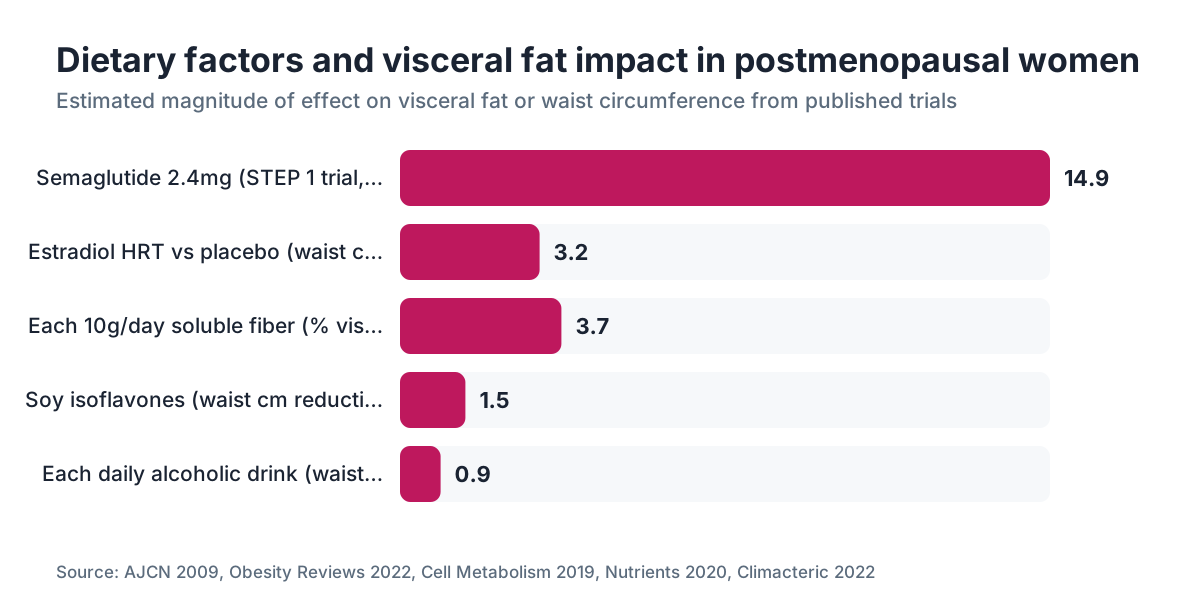
Here is the number worth quoting. A 2022 Obesity Reviews analysis found habitual alcohol intake was tied to a 0.93 cm larger waist per standard drink per day in women, with postmenopausal status amplifying the link [6]. Small per drink. Over years, it stacks.
Does sugar cause more belly fat after menopause than before?
Yes, and insulin resistance is why. Before menopause, estrogen keeps you insulin-sensitive. Your muscle cells answer insulin well and pull glucose out of the blood efficiently. As estrogen falls, sensitivity drops, so your pancreas pumps out more insulin to clear the same glucose. More insulin means more storage, and after menopause that storage lands in the abdomen.
This is why a woman can eat exactly what she always ate and still gain belly fat during the transition. The diet did not change. The body's response to it did.
The sugar-to-belly-fat pipeline runs through three routes after menopause. Fructose gets converted to visceral fat in the liver. The insulin spike from refined carbs and sugar directly blocks lipolysis (fat breakdown) in adipose tissue. And high sugar chronically suppresses adiponectin, a hormone from fat cells that normally promotes fat burning and insulin sensitivity. Low estrogen already dampens adiponectin, and sugar drags it lower [2].
So a postmenopausal woman eating 200 grams of added sugar a week will bank visceral fat faster than a premenopausal woman on the same diet. The fix is not zero sugar forever. Whole fruit carries fructose but also fiber, water, and polyphenols that slow absorption and add benefit. The targets are added sugars and refined carbs stripped of their fiber.
What role do ultra-processed foods play in menopausal weight gain?
Ultra-processed foods deserve their own line because the research on them is unusually clean. In a 2019 randomized crossover trial from the NIH (Hall et al., published in Cell Metabolism), participants ate either an ultra-processed or an unprocessed diet and could eat as much as they wanted. The ultra-processed group ate 508 more calories a day and gained 0.9 kg in two weeks. The unprocessed group lost 0.9 kg [7]. The diets were matched for offered calories, fiber, fat, and macros. Something about ultra-processing itself, likely the wrecked food matrix and blunted fullness signals, drove the overeating.
Two pieces of this hit menopausal women especially hard. UPFs usually lack the fiber your gut microbiome runs on. Estrogen gets partly metabolized and recycled in the gut through bacteria that make an enzyme called beta-glucuronidase. Low fiber disrupts that microbiome and may worsen the fallout from estrogen loss. The science here is still being sorted, but the direction holds: more fiber tracks with steadier hormones and less visceral fat in postmenopausal women.
Second, most UPFs are energy-dense without being filling, so they are easy to overeat while still feeling hungry. Fullness signaling already runs less efficiently after menopause as GLP-1 and leptin sensitivity shift. Eating foods that dull it further makes portion control much harder.
The takeaway is simple. Build meals from whole or barely processed foods and calorie intake tends to fall on its own, no counting required. That is one reason Mediterranean-style and DASH-style patterns keep showing benefit for postmenopausal women in clinical trials.
Are there specific drinks that make menopause belly fat worse?
Yes. Alcohol is covered above. Three more beverage categories earn attention.
Sugar-sweetened beverages (SSBs), including sodas, sweetened teas, energy drinks, fruit juices, and flavored coffees, are the most concentrated added-sugar source in the American diet. As noted, liquid calories and fructose from SSBs drive visceral fat in a way solid food often does not, because they slip past fullness signals.
Diet sodas and artificially sweetened drinks are murkier. The calories are basically nothing, so in theory no fat gain. But several cohort studies, including Women's Health Initiative data, found diet soda tied to a larger waist in postmenopausal women [10]. The mechanism is unsettled. Candidates include sweet taste triggering insulin without matching glucose (a contested finding), gut microbiome disruption from sweeteners, and confounding (people reach for diet soda because they are already eating more). No randomized trial has proven diet soda causes visceral fat. But the epidemiological signal is steady enough that swapping to plain water, sparkling water, or unsweetened tea is the smarter play.
Specialty coffee drinks are a stealth sugar bomb. A large flavored latte from a national chain can carry 50 to 80 grams of sugar, about a can of soda. If coffee is your ritual, black or with a splash of milk is fine. The syrups and whipped cream are the problem.
What foods help reduce menopause belly fat?
This piece is about what to skip, but the other side counts too, and they connect: swapping bad foods for good ones beats plain restriction, both for results and for staying sane.
Protein is the most important macronutrient for menopause body composition. It protects lean muscle (which tends to drop after menopause), keeps you full longer through peptide YY and GLP-1 signaling, and burns more calories in digestion than carbs or fat. Aim for 1.2 to 1.6 grams per kilogram of body weight a day. Good sources: eggs, fish, chicken, Greek yogurt, cottage cheese, legumes, edamame [2].
Fiber, especially soluble fiber from oats, beans, lentils, apples, and flaxseed, slows glucose absorption, feeds good gut bacteria, and cuts visceral fat directly. A meta-analysis in Obesity Reviews found each 10-gram-per-day increase in soluble fiber was tied to a 3.7 percent drop in visceral fat over 5 years, independent of calories [11].
Fermented foods (yogurt, kefir, kimchi, sauerkraut) support the gut microbiome in ways that may help hormonal balance through the transition. A 2021 Stanford trial found a high-fermented-food diet raised microbiome diversity and lowered inflammatory markers within 10 weeks, no calorie cut required.
Omega-3 rich foods (fatty fish, walnuts, chia, flaxseed) lower the systemic inflammation that rises after menopause and feeds visceral fat. They also nudge insulin sensitivity in the right direction.
Cruciferous vegetables (broccoli, kale, Brussels sprouts, cauliflower) carry indole-3-carbinol and diindolylmethane (DIM), compounds tied to healthier estrogen metabolism. The evidence is early, but the downside is zero and the nutritional upside is large.
For women fighting real menopause belly fat who see nothing from diet and exercise, options like hormone replacement therapy or GLP-1 receptor agonists can add meaningful ground. Providers at platforms like WomenRx work with perimenopausal and postmenopausal women on these. The dietary base still matters no matter what else you add.
Does cutting carbs work better than a low-fat diet for menopausal belly fat?
Probably yes for visceral fat specifically, though how much depends on the person and on sticking with it.
Several head-to-head trials pit low-carb against low-fat diets in postmenopausal women. One published in Menopause followed 45 postmenopausal women for 12 weeks and found the low-carb group lost more visceral fat and improved insulin sensitivity more than the low-fat group, at similar calorie deficits [5].
The mechanism fits menopause. Insulin parks visceral fat. Low-carb diets drop insulin harder than low-fat diets, which mostly just cut calories without touching insulin much. For women with real insulin resistance, cutting carbs can sometimes restart fat loss that had stalled dead even on a deficit.
Still, not all carbs are equal. The comparison that counts is refined carbs versus fiber-rich whole-food carbs. A Mediterranean diet, moderate in carbs from vegetables, legumes, and whole grains, beats both strict low-fat and strict low-carb in long-term outcomes for postmenopausal women, because it is easier to keep and delivers more fiber and phytonutrients.
Here is the practical version. Trade refined carbs (white bread, white rice, crackers, sugary foods) for non-starchy vegetables, legumes, and small servings of whole grains. Do not chase zero carbs. Quality and type beat total grams.
How much does diet change the picture versus hormones and exercise?
Diet is necessary but not sufficient for most women. That is honesty, not surrender.
The hormonal shift after menopause makes visceral fat the path of least resistance. Diet changes the inputs to that setting. It does not change the setting itself. That is why plenty of women who eat well and train regularly still gain belly fat through the transition, and that is not a personal failing.
Estrogen therapy hits the underlying mechanism head-on. A 2022 meta-analysis in Climacteric found hormone therapy, particularly estradiol, cut visceral fat and waist circumference in postmenopausal women versus placebo, independent of diet [12]. The effect was clinically meaningful. That does not mean everyone should take hormones, since that call rests on individual risk and benefit, but it does mean diet alone may be fighting uphill without hormonal help.
Exercise is the other big lever, resistance training paired with cardio above all. Muscle is metabolically active and improves insulin sensitivity. Postmenopausal women who lift twice a week carry less visceral fat than sedentary women on identical diets.
For women with heavy insulin resistance, or those who stalled on diet, exercise, and hormones, GLP-1 receptor agonists like semaglutide are increasingly in play. The STEP 1 trial (NEJM, Wilding et al., 2021) showed semaglutide 2.4 mg weekly produced average weight loss of 14.9 percent over 68 weeks, with an outsized cut in visceral fat [13]. Semaglutide for weight loss is not a first move, but for women with BMI over 30, or over 27 with weight-related conditions, it is a real tool. See semaglutide vs tirzepatide for how the current options compare.
Diet is the foundation. Hormones and exercise reshape the environment it works in. Medical options add support once the foundation is solid.
Are there foods that mimic estrogen and could help with belly fat?
Phytoestrogens are plant compounds that bind estrogen receptors, but far more weakly than estradiol. The main sources are soy isoflavones (tofu, edamame, tempeh, soy milk), flaxseed lignans, and to a smaller degree red clover. There is real interest in whether they offset some of the visceral fat that comes with falling estrogen.
The evidence is mixed but leans modestly positive for soy. A 2020 meta-analysis in Nutrients found soy isoflavone supplementation was tied to small reductions in waist circumference and body fat in postmenopausal women, averaging about 1.5 cm off the waist across trials [14]. The effect is real but small. It is no stand-in for estrogen therapy in women with heavy symptoms, but for women who cannot or will not take hormones, 25 to 50 mg of soy isoflavones a day from food (roughly one to two servings of whole soy) is a reasonable, low-risk move.
Flaxseed has decent support for lipids and gut health but thinner data for visceral fat specifically.
Wild yam cream and similar products sold as 'natural progesterone' have essentially no meaningful evidence for belly fat or hormones. The diosgenin in wild yam cannot be converted to progesterone in the human body. For the real story on progesterone in menopause, see our article on progesterone.
Bottom line on phytoestrogens: fold them into a good diet, but do not lean on them as your main plan for menopause belly fat.
Practical food swaps to start this week
The best dietary change is the one you keep. Here are the highest-impact swaps, side by side.
| Instead of | Choose | Primary benefit | |---|---|---| | Sugary breakfast cereal | Plain oats with berries and flaxseed | Lower glycemic load, more fiber | | Sweetened flavored yogurt | Plain Greek yogurt | Less added sugar, more protein | | Fruit juice | Whole fruit | Fiber intact, slower glucose rise | | White bread / white rice | Legumes or whole grain with visible seeds | Lower insulin response | | Flavored coffee drink | Black coffee or green tea | Cut 50-80g hidden sugar | | Alcohol (nightly glass of wine) | Sparkling water with citrus | Remove cortisol driver, better sleep | | Ultra-processed snack bars | Hard-boiled eggs or nuts | Protein and satiety vs empty calories | | Refined crackers | Raw vegetables with hummus | Fiber, fullness, no blood sugar spike | | Diet soda | Still or sparkling water | Remove sweetener exposure |
None of these needs calorie counting. Stacked together, based on the NIH ultra-processed foods trial [7] and the insulin mechanism research [2], they add up to a real cut in visceral fat over 3 to 6 months.
For women in perimenopause who want to see how food choices meet the hormonal changes already underway, the article on perimenopause age lays out the timeline. Knowing where you sit in the transition helps you judge how hard to push on the diet.
Frequently asked questions
What is the single worst food for menopause belly fat?
Sugar-sweetened beverages are probably the worst category. Liquid fructose skips fullness signals and converts straight to visceral fat in the liver. A 2009 American Journal of Clinical Nutrition trial showed fructose-sweetened drinks raised visceral fat over 10 weeks in overweight adults, while glucose-sweetened drinks did not. Alcohol is a close second: it raises cortisol, disrupts sleep, and pauses fat burning at the same time.
Can cutting out bread and pasta reduce menopause belly fat?
Yes, especially if they are made from refined white flour. Refined carbs spike insulin, and insulin resistance runs higher after menopause, so the fat-storage response is stronger. Swapping white bread and pasta for legumes, non-starchy vegetables, and small whole-grain portions usually cuts visceral fat over 2 to 3 months. Whole grain pasta in moderate portions is much better than white pasta.
Is alcohol really that bad for menopause belly fat?
For belly fat specifically, yes. Alcohol pauses fat burning in the liver, raises cortisol (a direct visceral fat driver), fragments deep sleep, and adds calories without fullness. A 2022 Obesity Reviews analysis found each additional standard drink per day was tied to nearly 1 cm more waist circumference in women, with postmenopausal status amplifying the effect. Even one drink a night stacks up over months and years.
Do artificial sweeteners cause belly fat in menopause?
Randomized trial evidence does not confirm that artificial sweeteners directly cause fat gain. But Women's Health Initiative cohort data linked diet soda to a larger waist in postmenopausal women. Proposed mechanisms include gut microbiome disruption. The safest move is replacing both sugary and artificially sweetened drinks with water, sparkling water, or unsweetened tea, rather than trading one for the other.
How much protein should I eat to reduce menopause belly fat?
The Endocrine Society suggests postmenopausal women target 1.2 to 1.6 grams of protein per kilogram of body weight per day to protect muscle and support fat loss. A 150-pound (68 kg) woman would aim for roughly 82 to 109 grams daily. Protein preserves lean muscle (which burns more at rest), cuts hunger through GLP-1 and peptide YY signaling, and burns more in digestion than other macronutrients.
Will eating soy foods actually help with menopause belly fat?
Modestly, yes. A 2020 Nutrients meta-analysis found soy isoflavone supplementation cut waist circumference by about 1.5 cm on average in postmenopausal women. Whole soy foods like tofu, edamame, and tempeh (providing 25 to 50 mg of isoflavones daily) are the best approach. The effect is real but small, and it belongs as one piece of a broader dietary plan, not a standalone fix.
Does menopause belly fat go away if I lose weight overall?
Partially. Overall weight loss does reduce visceral fat, and a calorie deficit is needed. But the hormonal shift after menopause makes visceral fat more stubborn than before. Women who lose the same total weight after menopause lose proportionally less of it from the abdomen. Estrogen therapy, better insulin sensitivity through diet quality, and resistance training all help the loss come more from visceral stores.
Are there specific foods that target visceral fat versus just overall body fat?
No food burns only visceral fat. But soluble fiber tracks with visceral fat reduction: an Obesity Reviews meta-analysis found each 10-gram daily increase in soluble fiber cut visceral fat by 3.7 percent over 5 years, independent of calories. The highest soluble fiber foods are oats, barley, beans, lentils, apples, and flaxseed. Omega-3s from fatty fish also lower the inflammation that feeds visceral fat.
How long does it take to see a reduction in menopause belly fat from dietary changes?
Most studies showing meaningful visceral fat loss from diet run 12 to 24 weeks. Early changes in bloating and fluid retention from cutting sodium and refined carbs can show within 2 weeks. Actual visceral fat loss, measured by waist circumference or imaging, usually takes 8 to 16 weeks of consistent change. Progress runs slower after menopause, which is why sustained changes beat short aggressive restrictions.
Should I avoid coffee during menopause to reduce belly fat?
Plain coffee is fine and may help a little. Caffeine slightly raises metabolic rate and fat burning. The problem is not coffee but what goes in it: flavored syrups, cream, and sugar can add 50 to 80 grams of sugar per drink. Black coffee, espresso, or coffee with a splash of plain milk has no meaningful negative effect on menopause belly fat and does not need to go.
Does intermittent fasting help with menopause belly fat?
Evidence is mixed for postmenopausal women. Some small trials show time-restricted eating (an 8-to-10 hour window) cuts visceral fat and improves insulin sensitivity. But for women who tend to undereat protein or run high on stress and cortisol, aggressive fasting can worsen hormonal disruption. If you try it, hit your protein targets inside the window. Skipping breakfast only to eat poorly later is no gain.
Can GLP-1 medications like semaglutide help if diet changes are not enough?
Yes. The STEP 1 trial showed semaglutide 2.4 mg weekly produced average weight loss of 14.9 percent over 68 weeks, with an outsized cut in visceral fat. GLP-1 medications are FDA-indicated for women with BMI over 30, or over 27 with weight-related conditions. They work best alongside a quality diet, not in place of it. See our articles on semaglutide and semaglutide vs tirzepatide for a full comparison.
Does gluten cause menopause belly fat?
Not directly, unless you have celiac disease or non-celiac gluten sensitivity. Gluten foods get blamed for bloating and belly fat in midlife because most of them are refined carbs (white bread, crackers, pasta) that drive insulin and fluid retention. Dropping gluten junk food helps because you remove refined carbs and ultra-processed foods, not because gluten is the culprit. Whole grain wheat in small portions is not a problem for most women.
What does a good eating pattern for menopause belly fat actually look like day to day?
A Mediterranean-style pattern has the strongest evidence for postmenopausal women: plenty of vegetables, legumes, fatty fish two to three times a week, olive oil as the main fat, moderate whole grains, limited red meat, and minimal added sugar and alcohol. This pattern consistently lowers visceral fat, cardiovascular risk, and inflammatory markers in trials. No calorie counting needed, just a steady shift toward whole, minimally processed foods.
Sources
- NIH National Institute on Aging, Menopause and Hormones
- Endocrine Society, Scientific Statement on Obesity and Menopause
- American Journal of Clinical Nutrition, Stanhope et al. 2009 (Vol 89 No 5)
- American Heart Association, Added Sugars
- Menopause (journal), Low-glycemic diet and visceral fat in postmenopausal women
- Obesity Reviews, Alcohol and waist circumference meta-analysis, 2022
- Cell Metabolism, Hall et al. NIH ultra-processed diet RCT, 2019
- FDA, Final Determination on Partially Hydrogenated Oils and Sodium Guidance
- Obesity (journal), Wake Forest University trans fat and visceral fat study
- American Journal of Clinical Nutrition, WHI diet soda and waist circumference analysis
- Obesity Reviews, Soluble fiber and visceral fat meta-analysis
- Climacteric (journal), 2022 meta-analysis of hormone therapy and visceral fat
- New England Journal of Medicine, STEP 1 Trial, Wilding et al. 2021
- Nutrients (journal), 2020 meta-analysis of soy isoflavones and waist circumference in postmenopausal women