Best foods for perimenopause: what to eat and what to skip
TL;DR: Falling estrogen in perimenopause reshapes metabolism, bone density, and heart risk. The foods with the strongest evidence: fatty fish, whole soy, calcium-rich dairy or fortified alternatives, leafy greens, and high-fiber whole grains. Cutting ultra-processed carbs and alcohol measurably reduces hot flashes, weight gain, and mood swings in clinical trials. Food comes first. It doesn't replace estrogen.
What actually happens to your body in perimenopause that changes how food affects you?
Perimenopause is the 4-to-10-year window before your final period, usually starting in the mid-to-late 40s, though for some women it begins in the late 30s. Estradiol swings wildly before trending down, progesterone drops more steadily, and the hormonal environment your metabolism was built around shifts under you. For more on timing, see perimenopause age.
Three changes directly rewire how food works in your body. Insulin sensitivity declines first. Estrogen normally helps muscle cells pull in glucose, so as it falls, blood sugar runs higher after meals and fat storage shifts toward the belly [1]. Bone resorption speeds up next. You can lose 1 to 3 percent of bone mineral density per year in early menopause, and that loss starts building in perimenopause [2]. Then your lipids drift the wrong way: LDL cholesterol and triglycerides climb while HDL falls, raising cardiovascular risk that estrogen used to blunt [3].
Food can't replace hormones. But the right choices soften all three of those changes, and the wrong ones (refined carbs, too little protein, not enough calcium) speed them up. That's the frame for everything below.
Which foods have the best evidence for reducing hot flashes?
Soy isoflavones are the most-studied food for hot flashes, and they work modestly. Isoflavones (mainly genistein and daidzein) bind weakly to estrogen receptors and appear to calm the thermoregulatory misfires behind a flash. A 2021 randomized trial in Menopause found women eating a low-fat, plant-based diet with half a cup of cooked soybeans daily cut moderate-to-severe hot flashes by 84 percent over 12 weeks, versus 14 percent in controls [4]. That number is dramatic and hasn't been replicated at that size, so treat it as the ceiling, not the average. Meta-analyses put the realistic effect at roughly 20 to 25 percent fewer flashes versus placebo.
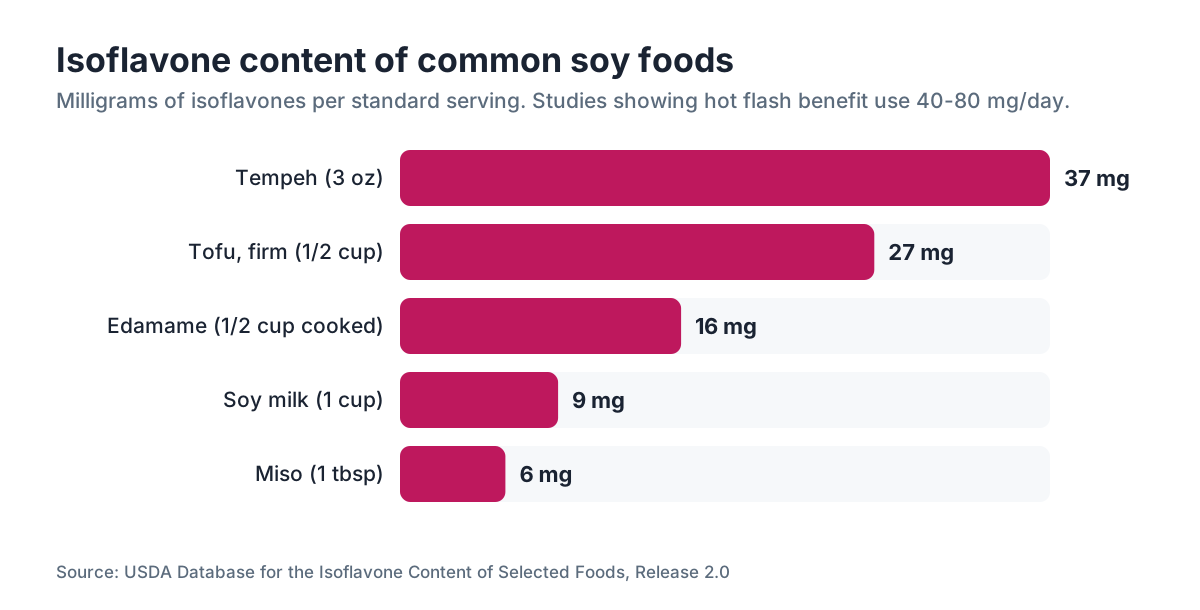
Here's where the isoflavones actually are:
| Food | Serving | Isoflavones (mg) | |---|---|---| | Edamame (cooked) | 1/2 cup | 16 mg | | Tempeh | 3 oz | 37 mg | | Tofu (firm) | 1/2 cup | 27 mg | | Soy milk | 1 cup | 6-11 mg | | Miso | 1 tbsp | 6 mg |
Trials showing benefit generally use 40 to 80 mg of isoflavones a day [4]. Two servings of whole soy hits that range with no supplement needed.
Flaxseed is the other food with real trial data. Its lignans also have weak estrogenic activity. A small randomized study found 40 grams of ground flaxseed daily cut hot flash frequency by about half. It was underpowered and poorly replicated, so don't bank on that figure, but flaxseed adds fiber and omega-3s and carries no downside. Easy call.
Spicy food, caffeine, and alcohol don't cause hot flashes. They trigger them. The evidence is mostly observational, but track your flashes for a week and your own pattern shows up fast.
How much protein do perimenopausal women actually need?
More than the label says. The official RDA is 0.8 grams per kilogram of body weight, but that number was set to prevent deficiency, not to hold onto muscle while estrogen falls. Most protein researchers now put the useful range for women over 40 at 1.2 to 1.6 grams per kilogram per day [5]. For a 150-pound woman, that's roughly 82 to 109 grams.
Here's why perimenopause changes the math. Estrogen normally drives muscle protein synthesis. As it drops, you need more dietary protein to compensate, or you lose lean mass and gain fat at the exact same calorie intake. Sarcopenia, the slow loss of muscle, starts in earnest in the late 40s for women who don't push back against it.
The best protein sources for this stage aren't the leanest. Fatty fish (salmon, sardines, mackerel) deliver protein plus omega-3s that lower inflammation and help the heart. Eggs supply leucine, the amino acid that flips the switch on muscle synthesis. Greek yogurt and cottage cheese bring protein and calcium together. Lentils, chickpeas, and black beans add fiber and magnesium alongside the protein.
Timing matters more than most people think. Spread protein across three meals instead of loading dinner, and older adults build more muscle from the same total. Aim for 25 to 40 grams per meal [5].
What foods protect bone density during perimenopause?
Calcium is the headline, but it does almost nothing alone. The National Osteoporosis Foundation recommends 1,000 mg of calcium daily for women under 50 and 1,200 mg for women 50 and older [2]. Perimenopause straddles that line, so a practical target is 1,200 mg from food, with a modest supplement only if you can't get there by eating.
Calcium needs vitamin D to work, which is why food sources beat pills. Dairy (milk, yogurt, hard cheese) delivers calcium your body absorbs well and often comes fortified with D. Canned sardines and canned salmon with bones are quietly excellent and mostly ignored: a 3-ounce serving of canned salmon with bones gives roughly 180 to 200 mg. Dark leafy greens (kale, bok choy, collards) add more. Spinach is the exception. Its oxalates block most of its own calcium, so despite the reputation, spinach is not a reliable source.
Vitamin K2 keeps coming up for bone health. The MK-7 form activates osteocalcin, a protein that steers calcium into bone instead of arteries. Natto (very high), hard cheeses, and egg yolks carry it. The research looks promising but isn't strong enough to call proven. Getting K2 from food costs you nothing, so include it.
If you haven't had a bone density test and you're in perimenopause, raise it with your doctor. See bone density test for what to expect.
Magnesium is the mineral women short-change most, and it's required for both calcium metabolism and vitamin D activation. The RDA is 310 to 320 mg for adult women. Surveys consistently show average intake stuck around 220 to 260 mg [6]. Pumpkin seeds, dark chocolate, almonds, black beans, and avocado close that gap without effort.
Which foods make perimenopausal weight gain worse?
Perimenopausal weight gain is real, and the SWAN cohort (Study of Women's Health Across the Nation) puts it at about 1.5 pounds per year across the transition. The cause isn't purely hormonal. Activity drops, calorie intake rarely adjusts down to match. But the hormone shift does change where fat lands (visceral, around the middle) and how sharply blood sugar spikes and crashes after a carb-heavy meal.
Ultra-processed food is the biggest problem. It's engineered to slip past your fullness signals, it spikes glucose in a body that's already getting insulin-resistant, and it crowds out foods that carry actual nutrients. A 2019 randomized crossover trial in Cell Metabolism found people ate an average of about 500 more calories a day on an ultra-processed diet than on a whole-food diet matched for macronutrients and fiber [7]. Same macros. Five hundred extra calories, without trying.
Refined carbs (white bread, white rice, sugary drinks, most breakfast cereal) push glucose and insulin up fast. In a body losing insulin sensitivity, that means more fat storage and hunger returning sooner. Swapping refined grains for oats, farro, barley, and whole-grain bread is one of the higher-payoff changes at this age.
Alcohol deserves a harder look than most women give it. It's calorie-dense (7 calories per gram), it wrecks sleep architecture and feeds night sweats, it raises cortisol, and it's tied to higher breast cancer risk at intakes as low as one drink a day [8]. One change that touches symptoms, sleep, weight, and cancer risk at once? Cutting back on alcohol is it.
Processed meats (bacon, sausage, deli meats) raise LDL cholesterol just as cardiovascular risk is already climbing. Trade them for olive oil, avocados, and fatty fish and your LDL moves the right way.
Do phytoestrogens in food actually help, or is that overhyped?
They help a little, and the cancer fear attached to them is largely misplaced for whole foods. Phytoestrogens are plant compounds that bind estrogen receptors far more weakly than estradiol does. The three main classes in food are isoflavones (soy, lentils), lignans (flaxseed, sesame, whole grains), and coumestans (alfalfa, clover sprouts).
The worry many women have heard, that phytoestrogens "feed" estrogen-sensitive cancers, doesn't hold up for whole food sources. The American Cancer Society and major oncology bodies do not tell breast cancer survivors to avoid whole soy foods. Observational data consistently shows soy food intake is linked to equal or better outcomes in survivors [9]. Supplements are a separate question, because their doses and bioavailability don't match food.
For symptom relief, the honest read is this: isoflavones from whole soy work modestly and are worth trying before anything stronger. They won't match hormone therapy for severe symptoms. But for mild-to-moderate hot flashes, 40 to 80 mg of isoflavones a day from food is a low-risk first step.
If you're weighing food against hormone therapy, that's a conversation for a clinician who knows your history. You can read what hormone replacement therapy actually involves if you're at that point.
What's the best diet pattern overall for perimenopause?
The Mediterranean diet, if you want the short answer. No single pattern has been tested head-to-head for perimenopause specifically, but the Mediterranean diet has the strongest stacked evidence for heart protection, blood sugar control, and lower inflammation, all of which matter more as estrogen falls [3]. The PREDIMED trial (7,447 participants, published in NEJM) found a Mediterranean diet cut cardiovascular events by roughly 30 percent versus a low-fat control [10].
What that looks like on a plate: olive oil as the main fat, fish two or more times a week, legumes several times a week, vegetables at most meals, moderate whole grains, limited red meat, and wine in moderation (or skipped, if you're protecting sleep and hot flashes).
A plant-forward approach with enough protein fits right inside this. The Menopause Society (formerly NAMS) notes that diets high in vegetables, fruit, and fiber track with a lower symptom load in perimenopause, while acknowledging the evidence for specific dietary interventions is still thin [11].
DASH is a strong second choice, especially if your blood pressure is already creeping up. It centers vegetables, fruit, whole grains, and low-fat dairy while cutting sodium and saturated fat. Blood pressure tends to rise across the menopausal transition independent of age.
You don't have to pick one. Mediterranean and DASH overlap so much that the shared rules cover you: lots of vegetables and fiber, quality protein, healthy fats, little ultra-processed food or refined carbs, and low alcohol.
Should perimenopausal women try intermittent fasting or calorie restriction?
Maybe, and gently. Intermittent fasting (IF) has drawn a lot of enthusiasm, and the data in perimenopausal women is thin but not discouraging. A 2020 study in Obesity found time-restricted eating (an 8-hour window) cut calorie intake and improved metabolic markers in middle-aged adults, though it wasn't built for perimenopause and didn't track symptoms [12].
The real concern for women is cortisol. Fasting raises it, and cortisol is already a problem in perimenopause because it competes with progesterone at receptor sites and shreds sleep. Some women find extended fasting worsens anxiety and insomnia. Others find it helps weight and blood sugar with no trouble at all. Individual response varies so much that a mild 12-to-14-hour overnight fast, plus paying attention to how you feel, tells you more than any published trial.
Aggressive calorie restriction is probably counterproductive for most perimenopausal women. It burns lean mass that's already at risk, it drives cortisol up, and the rebound is well-documented. The better move is fixing food quality and protein, which naturally trims calories without flipping your body into starvation mode.
For significant weight gain that won't budge with diet and lifestyle, semaglutide for weight loss is a studied option worth knowing about. GLP-1 receptor agonists have trial data in women with obesity and metabolic syndrome. WomenRx offers telehealth evaluation for GLP-1 therapy if you want to explore it.
What about gut health and the gut-estrogen connection in perimenopause?
There's a real, growing link between the gut microbiome and estrogen metabolism. A subset of gut bacteria, collectively called the estrobolome, make an enzyme called beta-glucuronidase that reactivates estrogens so they get reabsorbed instead of excreted. A diverse gut microbiome tracks with better estrogen handling. A disrupted one (from low fiber, antibiotics, ultra-processed food) tracks with estrogen dysregulation [13].
That's a mechanism established in research, not a proven treatment. Nobody can honestly promise "take this probiotic and your estrogen fixes itself." What holds up is that the diet supporting a healthy gut (high fiber, fermented foods, lots of different plants) overlaps almost entirely with the diet that helps perimenopause for every other reason.
Fermented foods worth eating: plain yogurt with live cultures, kefir, sauerkraut, kimchi, tempeh, miso. They add microbial diversity, and tempeh and miso throw in isoflavones too. Prebiotic fiber (garlic, onions, leeks, asparagus, unripe bananas, oats) feeds the bacteria you already have.
Repeated antibiotic courses and high sugar intake are the two diet-related things most consistently tied to gut dysbiosis. If you've had several rounds of antibiotics, which plenty of women this age have, rebuilding on purpose with fermented foods and high-fiber plants is worth the effort.
Are there specific nutrients that help with perimenopausal mood and sleep?
Mood and sleep trouble in perimenopause isn't only hormonal. It's partly nutritional. Three nutrients come up again and again.
Magnesium, already named for bone health, also acts as a natural NMDA receptor antagonist with calming effects. Low magnesium tracks with more anxiety, more depression, worse sleep. A 2017 systematic review in Nutrients found supplemental magnesium (200 to 400 mg) improved subjective sleep quality in adults with insomnia [6]. Food first: pumpkin seeds, dark chocolate, almonds, avocado, black beans. If you supplement, magnesium glycinate and magnesium threonate are the forms best studied for sleep.
Omega-3 fatty acids (EPA and DHA from fatty fish) have a decent evidence base for mood. A 2019 meta-analysis in JAMA Network Open found omega-3 supplementation reduced symptoms of major depressive disorder, with EPA-heavy formulas beating DHA-heavy ones. Whether that carries over to perimenopause-specific mood symptoms hasn't been well studied, but between the heart benefit, the anti-inflammatory effect, and the possible mood lift, eating fatty fish twice a week is a strong recommendation on its own.
Tryptophan-rich foods (turkey, eggs, cheese, pumpkin seeds, tofu) supply the raw material for serotonin and melatonin. Eaten in the evening with a little carbohydrate, tryptophan crosses into the brain more easily. It's no miracle, but for women with mild trouble falling asleep, a tryptophan-rich evening snack, steady sleep timing, and less alcohol is often enough.
B vitamins, especially B6 and folate, support neurotransmitter production. Low B6 in particular tracks with depressive symptoms. Chickpeas, salmon, potatoes, and bananas are good B6 sources.
What does a practical day of eating for perimenopause actually look like?
Here's a concrete day that hits the targets (1,200 mg calcium, 40 to 80 mg isoflavones, 1.2 g/kg protein for a 150-pound woman, high fiber, omega-3s) without being fussy.
Breakfast: plain Greek yogurt (150 mg calcium, 15 to 17 g protein) with ground flaxseed (lignans), berries, and a handful of walnuts. Coffee or tea is fine. Moderate caffeine doesn't clearly worsen hot flashes for most women, but watch your own pattern.
Lunch: a big salad with kale or mixed greens, canned salmon with bones (180 mg calcium, omega-3s, protein), avocado, chickpeas, olive oil and lemon. A slice of whole-grain bread alongside.
Afternoon snack: a small square of dark chocolate (magnesium) with a few pumpkin seeds, or a bowl of edamame (isoflavones, protein).
Dinner: baked salmon or sardines, roasted broccoli and bok choy (calcium, vitamin K), cooked lentils or farro, olive oil. A glass of water instead of wine if hot flashes are active.
Evening, if you need it: cottage cheese or a little tofu with berries. The slow-digesting casein in cottage cheese has mild evidence for overnight muscle synthesis.
This isn't restriction. It's prioritization. The women who struggle most with diet changes in perimenopause usually aren't changing food. They're changing habits: the evening wine, the afternoon chips, the skipped lunch that turns into a processed dinner. The food itself is simple.
When food isn't enough: what are the other options?
Be honest about the limits. Diet can cut hot flash frequency and severity modestly. It can slow bone loss when calcium and vitamin D are in place. It can improve metabolic markers, mood, and sleep with the right nutrients. It cannot copy the thermoregulatory and bone-protective effects of estrogen.
For moderate-to-severe hot flashes, real sleep disruption, active bone loss, or genitourinary symptoms, hormone therapy is the most effective treatment available, and it has a favorable safety profile for most women under 60 who are within 10 years of menopause. The North American Menopause Society (NAMS) states: "For women who are within 10 years of menopause onset or are younger than 60 years, the benefits of hormone therapy to treat bothersome menopausal symptoms outweigh the risks for most healthy women" [11]. That's direct from the NAMS position statement.
You can read more on specific options at hormone replacement therapy, estrogen patch, and progesterone.
For weight that genuinely won't respond to diet and lifestyle, GLP-1 medications have real data. The SURMOUNT-1 trial found tirzepatide produced 20.9 percent mean weight loss over 72 weeks in adults with obesity. WomenRx telehealth evaluates women for GLP-1 therapy and can help you sort out whether it fits your full picture, more than your weight.
Food first is the right principle. Food first doesn't mean food only, and there's no virtue in suffering through severe symptoms when treatments that work exist.
Frequently asked questions
What foods trigger hot flashes in perimenopause?
The most common dietary triggers are alcohol, spicy foods, hot beverages, and caffeine. These are triggers, not causes: they can set off a flash if you're already prone, but they don't create the underlying vasomotor instability. Alcohol is the strongest and most consistent, partly because it raises core body temperature and disrupts sleep. Keep a symptom diary for a week and your personal triggers become obvious fast.
Is soy actually safe for perimenopausal women who've had breast cancer?
Current evidence from major oncology bodies, including the American Cancer Society, does not support avoiding whole soy foods after breast cancer. Multiple observational cohort studies link soy food intake to equal or better survivor outcomes. Soy supplements at high doses are a separate category with less safety data. If you're on aromatase inhibitors or tamoxifen, discuss isoflavones with your oncologist; the interaction data is limited but worth reviewing.
How much calcium do you need per day in perimenopause?
The National Osteoporosis Foundation recommends 1,000 mg daily for women under 50 and 1,200 mg for women 50 and older. Since perimenopause straddles that line, aiming for 1,200 mg from food is practical. Dairy, canned fish with bones, fortified plant milks, and dark leafy greens (except spinach, whose oxalates block absorption) are the best food sources. Supplements can fill a gap, but food calcium absorbs better and isn't tied to the cardiovascular concerns high-dose supplements may carry.
Does eating more fiber help with perimenopausal symptoms?
Yes, in several ways. Soluble fiber (oats, beans, apples, psyllium) slows glucose absorption, which counters the worsening insulin sensitivity of perimenopause directly. High-fiber diets support the gut microbiome, including the estrobolome bacteria involved in estrogen metabolism. Large diet studies link fiber intake to lower cardiovascular risk and lower body weight. The target is 25 grams a day. Most American women average around 15.
What vitamins are most important to get from food in perimenopause?
Vitamin D (for calcium absorption and bone; aim for 1,000 to 2,000 IU from food plus sun, and supplement if blood levels are below 30 ng/mL), magnesium (mood, sleep, calcium metabolism; 310 to 320 mg daily), B6 (neurotransmitter synthesis; 1.3 mg daily), and vitamin K2 (bone calcification; fermented foods and egg yolks). Many women run low on all four without knowing it. A basic micronutrient panel shows where the gaps are.
Can diet help with perimenopausal weight gain around the belly?
Diet helps significantly, but it works best when protein is adequate (1.2 to 1.6 g/kg/day), refined carbs are reduced, and alcohol is minimized. Belly fat in perimenopause comes from both estrogen decline and insulin resistance, so foods that improve insulin sensitivity (whole grains, legumes, fiber, vinegar) matter here specifically. No diet erases visceral fat without an overall calorie deficit, but the quality of that deficit decides how much muscle you keep.
What are the best omega-3 foods for perimenopausal women?
Fatty fish are the most reliable source of EPA and DHA, the forms most active in the body. Salmon, mackerel, sardines, and herring lead. Two 3-ounce servings a week gives roughly 1,000 to 1,500 mg of combined EPA plus DHA. Walnuts and flaxseed supply ALA, a plant omega-3 that converts to EPA and DHA at low rates (under 10 percent), so treat them as a supplement to fatty fish, not a replacement.
Does a Mediterranean diet help with perimenopausal symptoms?
The Mediterranean diet has the best stacked evidence for the conditions that worsen in perimenopause: cardiovascular disease, insulin resistance, and inflammation. The PREDIMED trial showed a 30 percent reduction in cardiovascular events. Direct trials on symptoms are fewer, but the Menopause Society notes that plant-rich, high-fiber diets correlate with lower symptom burden. The Mediterranean approach also fits adequate protein, calcium, and phytoestrogen intake, which makes it the most practical overall framework.
Is intermittent fasting safe during perimenopause?
Mild time-restricted eating (a 12-to-14-hour overnight fast) is generally well tolerated and may help metabolic markers and calorie regulation without spiking cortisol much. More aggressive fasting (16:8 or 5:2) has a mixed record in women, because extended fasting raises cortisol and can worsen sleep and anxiety already stirred up by hormone changes. If you try IF, start conservatively and watch sleep and mood as closely as weight. Adequate protein in your window is essential to hold onto muscle.
What foods support better sleep during perimenopause?
Magnesium-rich foods (pumpkin seeds, almonds, dark chocolate, avocado) have the strongest food-based evidence for sleep. Tryptophan foods (turkey, eggs, cottage cheese, tofu) eaten in the evening with a little carbohydrate improve serotonin and melatonin precursor availability. Avoiding alcohol in the three hours before bed is the single most consistent dietary change that improves sleep architecture in perimenopausal women, given how reliably alcohol disrupts REM sleep.
How does gut health affect hormones during perimenopause?
The gut microbiome includes bacteria that make beta-glucuronidase, an enzyme that converts conjugated estrogens back to active forms for reabsorption. This community is the estrobolome. A diverse, fiber-fed microbiome supports better estrogen cycling; disrupted gut flora (from low fiber, antibiotics, ultra-processed diet) tracks with estrogen imbalance. The mechanism is established in research, but targeted probiotic treatments for specific symptoms aren't proven yet. High-fiber, fermented-food diets support both gut and hormone health.
When should I consider something beyond diet for perimenopause symptoms?
If hot flashes disrupt sleep or daily life several times a day, if mood changes are significant, if a DEXA scan shows bone density declining, or if vaginal dryness and urinary symptoms show up, diet alone is unlikely to be enough. Hormone therapy is the most effective evidence-based treatment for moderate-to-severe symptoms in women under 60 within 10 years of menopause. Talk to a clinician about the full range rather than waiting it out.
What foods should perimenopausal women avoid or minimize?
Ultra-processed foods (packaged snacks, fast food, most breakfast cereals) drive insulin resistance and crowd out nutrient-dense foods. Refined grains spike blood glucose in an already insulin-resistant body. Alcohol worsens hot flashes, disrupts sleep, raises breast cancer risk, and adds empty calories. Processed meats (sausage, deli meats) raise LDL just as cardiovascular risk is climbing. None of these need total elimination, but if you're symptomatic, these are the first categories to cut back.
How does perimenopause affect metabolism and calorie needs?
Resting metabolic rate declines modestly with age, and the loss of lean muscle (faster as estrogen falls) trims calorie needs further. Most estimates put the drop at 100 to 200 calories a day across the transition, with wide individual variation. Resistance training and adequate protein preserve more metabolic activity than any diet strategy alone. Women who gain weight in perimenopause without eating more are often experiencing this lean mass shift, not simple overeating.
Sources
- NIH National Institute on Aging, Biology of Aging
- National Osteoporosis Foundation (Bone Health & Osteoporosis Foundation), Calcium and Vitamin D
- American Heart Association, Menopause and Heart Disease
- Barnard ND et al., Menopause 2021 (WAVS soy and plant-based diet trial)
- Bauer J et al., Journal of the American Medical Directors Association 2013, PROT-AGE Study Group
- Abbasi B et al., Journal of Research in Medical Sciences 2012; Nutrients 2017 systematic review on magnesium and sleep
- Hall KD et al., Cell Metabolism 2019, ultra-processed diet randomized controlled trial
- National Cancer Institute, Alcohol and Cancer Risk
- American Cancer Society, Soy and Cancer Risk
- Estruch R et al., New England Journal of Medicine 2018, PREDIMED Trial
- The Menopause Society (NAMS), 2022 Hormone Therapy Position Statement
- Lowe DA et al., JAMA Internal Medicine 2020, time-restricted eating trial (TREAT)
- Kwa M et al., JNCI Journal of the National Cancer Institute 2016, The Intestinal Microbiome and Estrogen Receptor-Positive Female Breast Cancer