Does semaglutide make you tired? What the data actually says
TL;DR: Yes, semaglutide can cause fatigue, and clinical trial data shows it affects roughly 7 to 11% of people on the drug. The tiredness usually peaks in the first 4 to 8 weeks and fades as your body adjusts. Nausea, caloric restriction, and changes in blood sugar are the main drivers. Serious or persistent fatigue that doesn't improve warrants a call to your prescriber.
How common is fatigue on semaglutide?
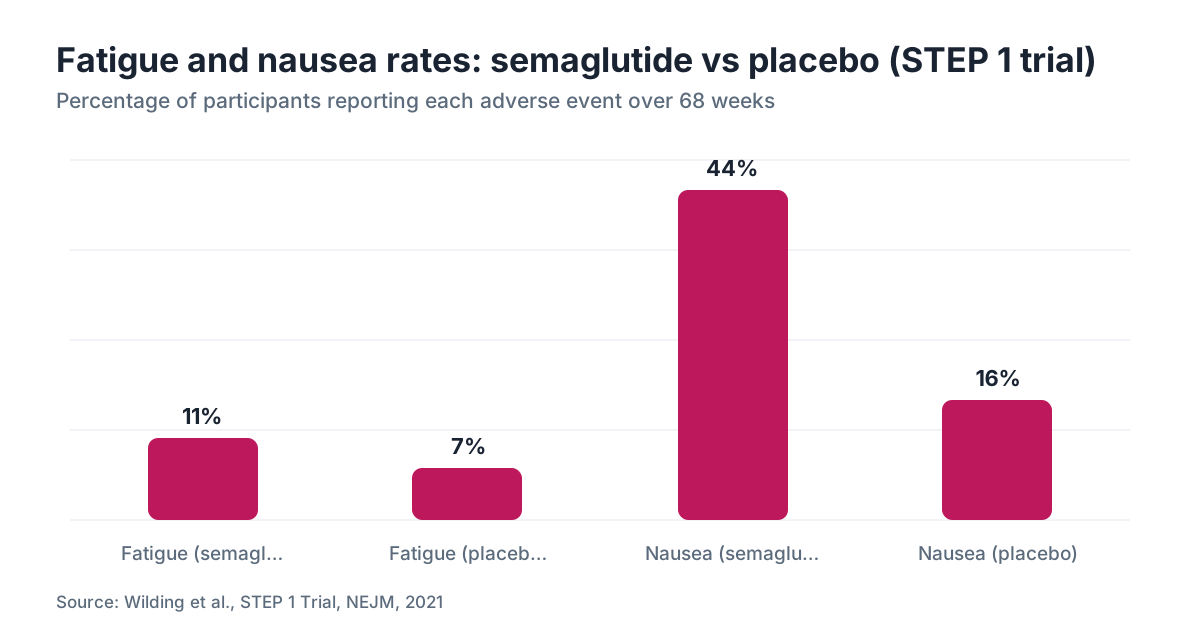
Fatigue is a real, documented side effect, not a rumor from social media. In the STEP 1 trial (the 68-week randomized controlled trial of 2.4 mg subcutaneous semaglutide for obesity that got Wegovy approved), fatigue showed up in roughly 11% of participants on semaglutide compared to about 7% on placebo [1]. That gap matters. It tells you the drug itself is contributing, more than the general grind of dieting.
The STEP 2 trial, which enrolled people with type 2 diabetes, showed similar patterns. Fatigue rates were lower overall in that population, but still higher in the semaglutide arm than in placebo [2].
Nausea is the most commonly reported side effect, hitting 44% of STEP 1 participants on semaglutide, and fatigue often rides along with it. If you're nauseated and eating almost nothing, of course you feel drained. The two symptoms tangle together in a way that makes them hard to separate in the trial data.
So if you're on semaglutide and feel unusually wiped out, especially in the first couple of months, you're in real company. It's common enough to sit in the FDA prescribing information for both Ozempic and Wegovy [3][9].
Why does semaglutide cause fatigue?
There's no single clean mechanism. Several things happen at once, and figuring out which one is hitting you tells you what to fix.
Your caloric intake drops fast. GLP-1 receptor agonists suppress appetite hard. Most people eat much less within days of starting or bumping the dose. Your body runs on fuel, and when fuel drops sharply, energy follows. This is the most straightforward explanation for early fatigue, and it's largely under your control with intentional eating.
Nausea steals energy. Feeling sick is exhausting. The GI side effects of semaglutide, especially nausea, vomiting, and diarrhea, cost your body resources. You feel the bill.
Blood sugar shifts. Semaglutide lowers blood glucose by stimulating insulin release and suppressing glucagon. In people without diabetes, blood sugar tends to run lower than they're used to, and low-normal glucose (not dangerous, but new) can read as fatigue. In people with type 2 diabetes, the effect is stronger. The FDA label for Ozempic flags fatigue as a symptom to watch for with hypoglycemia, particularly when the drug is combined with insulin or sulfonylureas [9].
Central GLP-1 receptor activity. This one is less understood in humans, but GLP-1 receptors sit in the brain, more than the gut. Animal studies suggest GLP-1 receptor agonists affect areas tied to arousal and reward. Whether that translates to meaningful fatigue in people is still being studied, but it may explain the dulled energy some users describe that eating less or feeling sick doesn't fully account for.
Dehydration. Nausea and reduced eating cut your fluid intake. Diarrhea and vomiting add losses on top. Mild dehydration reads as fatigue in most people. This one is fixable.
How long does fatigue from semaglutide last?
For most people, the worst of it is front-loaded. Semaglutide is dose-escalated over several months (starting at 0.25 mg weekly for Wegovy, stepping up every 4 weeks toward the target dose of 2.4 mg), and each increase can bring a fresh wave of side effects [3]. So you feel tired, stabilize, feel tired again at the next dose, stabilize again. The pattern repeats until you reach maintenance.
Once you're on a stable dose and your body has adapted, most GI side effects including fatigue ease off. The STEP trials tracked side effects over 68 weeks, and adverse event rates clustered in the early weeks and tapered [1].
A rough timeline that fits the clinical picture:
| Phase | Typical fatigue pattern | |---|---| | Weeks 1 to 4 (0.25 mg) | Mild fatigue, usually tied to nausea | | Weeks 5 to 8 (0.5 mg) | Can worsen with dose increase | | Weeks 9 to 16 (escalating to 1.0 to 1.7 mg) | Variable; many people improve | | Week 17+ (2.4 mg maintenance) | Most fatigue resolves; persistent cases need evaluation |
Still wiped out after 8 weeks on a stable dose? That's past the typical adaptation window and worth raising with your prescriber. At that point, ruling out other causes (thyroid, anemia, low iron, sleep apnea) becomes the priority.
Is semaglutide fatigue different for women in perimenopause or menopause?
Yes, and this clinical overlap gets nowhere near enough attention.
Fatigue is one of the most common symptoms of perimenopause and menopause. Estrogen fluctuations disrupt sleep architecture, and poor sleep is the fastest route to daytime exhaustion. Progesterone, which has a sedating, calming effect, drops during perimenopause and can drag down both sleep quality and mood. So a woman starting semaglutide during the menopause transition may be stacking drug-related fatigue on top of an already sunken baseline.
Then there's the thyroid angle. Thyroid dysfunction, especially subclinical hypothyroidism, is more common in women over 40, and hypothyroidism causes fatigue that looks identical to semaglutide tiredness. If you haven't had a thyroid panel recently, run one before you pin all the fatigue on the drug.
Hormone replacement therapy can meaningfully improve sleep quality and energy in women with symptomatic menopause, and the Endocrine Society and NAMS both support its use in appropriate candidates [4][5]. If you're on semaglutide, dragging, and also dealing with hot flashes, night sweats, or broken sleep, the fatigue may be driven more by estrogen deficiency than by the GLP-1 drug. Treat the underlying hormonal issue and the fatigue may lift while you stay on semaglutide.
WomenRx treats hormonal issues and GLP-1 weight loss together, which matters precisely because the two overlap this way.
One more thing. Iron deficiency without anemia is common in perimenopausal women still having irregular, sometimes heavy periods. It causes fatigue that a standard blood count misses unless you specifically check ferritin. Ask for ferritin, more than hemoglobin.
Can semaglutide cause fatigue from muscle loss?
This is a legitimate concern, not a fringe worry.
Weight loss drugs strip both fat and lean mass. In the STEP 1 trial, roughly 40% of the total weight lost was lean mass, which tracks with what caloric restriction does generally [1]. Muscle loss is metabolically costly and feeds into fatigue, weakness, and reduced functional capacity.
The clinical community is actively working on this. The Endocrine Society's clinical practice guidelines on obesity pharmacotherapy stress resistance training and adequate protein alongside GLP-1 therapy specifically to hold onto lean mass [4]. This isn't optional advice. If you're sedentary on semaglutide, you'll likely lose more muscle relative to fat, and the fatigue gets worse.
In practice, that means:
- Aim for 1.2 to 1.6 grams of protein per kilogram of body weight daily (most people on semaglutide eat far below this because appetite suppression makes protein-dense foods feel unappealing)
- Prioritize resistance training 2 to 3 times per week, even when energy is low
- Ask your doctor about creatine; the evidence for preserving lean mass during caloric restriction is reasonably strong, though the data specifically in GLP-1 users is thin
If you're weighing semaglutide for weight loss, muscle preservation is one of the first things to raise with your prescriber, not an afterthought.
When is semaglutide fatigue a warning sign?
Most fatigue on semaglutide is benign and time-limited. Some is not.
Call your prescriber promptly if your fatigue comes with any of these:
- Rapid heartbeat or palpitations
- Severe abdominal pain that radiates to the back (could signal pancreatitis, a rare but serious adverse event listed in the Ozempic and Wegovy FDA labels [3][9])
- Dark urine or yellowing of the skin (gallbladder disease is elevated on GLP-1 drugs)
- Confusion or trouble thinking clearly
- Signs of hypoglycemia: shakiness, sweating, hunger, lightheadedness, especially if you're also on insulin or a sulfonylurea
- Significant muscle weakness, more than tiredness
The FDA prescribing label for Wegovy specifically warns of pancreatitis and gallbladder disease as adverse reactions requiring monitoring [3]. Both can show up with fatigue alongside other symptoms.
Mild, garden-variety fatigue that's improving week by week is expected. Fatigue that's getting worse after 6 to 8 weeks on a stable dose, or that arrives with any of the symptoms above, is not.
Does tirzepatide cause more or less fatigue than semaglutide?
Tirzepatide (Mounjaro for diabetes, Zepbound for obesity) works on both GLP-1 and GIP receptors, while semaglutide is GLP-1 only. The SURMOUNT-1 trial of tirzepatide reported fatigue in roughly 8 to 9% of participants across dose groups [6]. That's in the same ballpark as semaglutide.
Head-to-head fatigue data between the two drugs is limited. The SURMOUNT-5 trial compared them directly on weight loss, but granular side effect breakdowns aren't yet published in a form that lets anyone say definitively one causes more fatigue than the other.
In practice, most clinicians report the GI side effects (and the secondary fatigue that follows) are broadly similar between the two. The semaglutide vs tirzepatide comparison matters more for weight loss efficacy than for fatigue management.
If you've tried one and found the fatigue intolerable, switching isn't guaranteed to fix it, though it's reasonable to try under a prescriber's guidance.
What helps with fatigue while on semaglutide?
The good news: most of what reduces semaglutide fatigue is stuff you can actually control.
Eat consistently, even when you're not hungry. The appetite suppression is doing its job, but skipping meals amplifies fatigue. Small, protein-rich meals through the day keep blood sugar steady and give your body fuel. Think eggs, Greek yogurt, cottage cheese, edamame. Protein without a huge volume.
Hydrate on purpose. Fatigue on semaglutide is often partly dehydration. Aim for at least 8 to 10 cups of fluid daily, more after nausea or GI losses. Electrolytes help if you've been vomiting or dealing with diarrhea.
Time your injection strategically. Some people inject Friday evening so peak side effects land over the weekend when they can rest. Others prefer midweek so they're not flattened by Monday. There's no universal right answer, but experimenting with timing often helps.
Don't cut your dose without talking to your doctor, but do tell them. If fatigue is severe, your prescriber may slow the escalation schedule. The FDA label leaves room to do this, and nothing requires rushing to maintenance. Many prescribers stretch each dose step to 8 weeks instead of 4 for patients who are struggling [3].
Treat sleep on its own track. If you're in perimenopause and hot flashes or night sweats are wrecking your sleep, an estrogen patch or other appropriate therapy may do more for your energy than any semaglutide tweak. Talk to a menopause-literate provider about whether hormone therapy fits you.
Move, even when tired. A 15-minute walk is not nothing. Light activity often lifts energy better than rest, counterintuitive as that sounds. It also helps hold onto the lean mass covered above.
Does semaglutide affect sleep quality?
Sleep and semaglutide have a two-sided relationship. On one hand, GLP-1 drugs can reduce sleep apnea severity, which should improve sleep. The SELECT trial (semaglutide 2.4 mg for cardiovascular outcomes) and related work found improvements in obstructive sleep apnea severity in obese patients losing weight, though the drug may have direct airway effects beyond weight loss alone [7].
On the other hand, nausea and GI discomfort can break up sleep, especially early on. Some people report vivid dreams on semaglutide, though this isn't documented in trial data and may be reporting bias.
The net effect for most people is neutral to positive over time, especially as weight drops and apnea eases. If your sleep is getting worse on semaglutide, look at whether GI symptoms at night are the culprit, and whether skipping large meals close to bedtime helps.
Can compounded semaglutide cause different fatigue patterns?
Compounded semaglutide was widely used during brand shortages, and the FDA has addressed its status directly. As of early 2025, the FDA declared the semaglutide shortage resolved and began restricting compounded versions, though ongoing legal and regulatory activity has kept the situation in flux [8].
On fatigue specifically: if you're on a compounded version, the same mechanisms apply. GLP-1 receptor agonism produces the same physiological effects regardless of who made it. But compounded formulations can differ in concentration, excipients, or actual drug content in ways branded products don't. Quality control is the real concern with compounding, not a different side effect profile.
If you're switching from compounded to branded semaglutide (or the reverse), know that dose equivalency isn't always straightforward. A mismatch in dosing can produce more or less fatigue than you expect. Work with your prescriber to confirm the conversion.
What labs should you check if fatigue persists on semaglutide?
If fatigue doesn't improve after 8 weeks on a stable semaglutide dose, a targeted workup makes sense. You're not chasing everything, just the common culprits that overlap with GLP-1 side effects.
| Lab | What it rules out | Notes | |---|---|---| | TSH (thyroid stimulating hormone) | Hypothyroidism | Most useful single test for women 35+ | | Ferritin | Iron deficiency without anemia | Often missed; ask specifically | | CBC | Anemia | Standard but can miss iron deficiency alone | | Fasting glucose / HbA1c | Blood sugar dysregulation | Especially if diabetic | | CMP (metabolic panel) | Kidney, liver, electrolyte issues | Pancreatitis follow-up if abdominal pain present | | Vitamin B12 | B12 deficiency (rare short-term but possible with appetite suppression) | Consider if diet is very restricted | | Estradiol, FSH | Perimenopause / menopause status | If hormonal symptoms co-occur |
A note on the thyroid: semaglutide's FDA label carries a boxed warning about thyroid C-cell tumors based on rodent studies [3]. That's specific to medullary thyroid carcinoma and multiple endocrine neoplasia syndrome type 2, which is different from the common autoimmune thyroid dysfunction that causes hypothyroidism. Either way, your thyroid belongs on your radar while you're on this drug.
If you're also in perimenopause and haven't had your hormones checked recently, an estradiol and FSH can clarify whether hormonal decline is feeding the fatigue. You can read more about when menopause starts and what the transition usually looks like.
Frequently asked questions
Does semaglutide fatigue get worse with higher doses?
Yes, typically. Each dose increase can bring a fresh wave of side effects including fatigue, because your body is responding to higher receptor activation and often more nausea. The 2.4 mg dose used in the STEP 1 trial was tied to higher fatigue rates than lower doses. Most people adapt within 2 to 4 weeks of each step. If fatigue is severe at a given dose, your prescriber can slow the escalation schedule.
Can semaglutide cause fatigue even if I'm not nauseated?
Yes. Nausea is the most common driver of secondary fatigue, but some people feel tired with no GI symptoms at all. Possible causes include reduced caloric intake, mild blood sugar shifts, and possibly direct central nervous system effects of GLP-1 receptor activation. Dehydration from reduced fluid intake is another underrated factor. If your fatigue isn't tied to nausea, reviewing your food and fluid intake is the best first step.
Is semaglutide fatigue a sign it's working?
Not exactly. Fatigue is a side effect, not a marker of efficacy. Weight loss on semaglutide correlates with dose and adherence, not with how tired you feel. Some people lose significant weight without notable fatigue. If you're fatigued, it means your body is adjusting to the drug, the reduced intake, or both. It's not reassurance that the drug is working any better than if you felt fine.
Does semaglutide cause brain fog?
Brain fog (trouble concentrating, mental slowness, word-finding problems) gets reported anecdotally by many semaglutide users, but it's not well-characterized in clinical trials as a distinct outcome. It likely overlaps with fatigue, caloric restriction, poor sleep, and in some women, menopausal cognitive changes. Persistent cognitive symptoms are worth raising with your doctor. Checking thyroid function and getting enough protein and calories are reasonable first steps.
How does Ozempic fatigue compare to Wegovy fatigue?
Ozempic (semaglutide up to 2 mg, for type 2 diabetes) and Wegovy (semaglutide up to 2.4 mg, for obesity) use the same molecule. Wegovy reaches a higher final dose, so side effects including fatigue may be somewhat more pronounced at maintenance. The FDA prescribing information for both drugs lists fatigue as an adverse reaction. The escalation schedules are similar, so the timing of side effects tends to line up too.
Should I stop semaglutide if I'm too tired?
Don't stop abruptly without talking to your prescriber. If fatigue is severe, they may slow the dose escalation rather than stop entirely. Stopping semaglutide usually leads to weight regain, so the decision means weighing the side effect against the benefit. If fatigue comes with serious symptoms like severe abdominal pain, palpitations, or jaundice, contact your prescriber immediately. Mild to moderate fatigue in the adjustment phase usually isn't a reason to stop.
Does semaglutide fatigue affect exercise capacity?
It can, particularly in the first 4 to 8 weeks. Fatigue and nausea reduce motivation and physical output. That matters because exercise, especially resistance training, protects lean mass during weight loss on GLP-1 drugs. Don't wait until you feel perfect. Even light activity kept up through the adjustment period guards muscle and tends to improve energy faster than rest alone. Adjust intensity, not frequency.
Can menopause make semaglutide fatigue worse?
Yes, and it's underappreciated. Menopause-related sleep disruption from hot flashes and night sweats, plus the direct effect of estrogen loss on energy metabolism, creates a baseline fatigue that semaglutide can push further. If you're in perimenopause or menopause, treating the hormonal root cause (with hormone replacement therapy, if it's right for you) may improve energy on semaglutide more than any drug adjustment. A menopause-literate provider can help you assess both sides.
Does semaglutide affect cortisol or adrenal function?
There's no established direct effect of semaglutide on cortisol or adrenal function in humans. That said, significant caloric restriction and the physiological stress of side effects can activate the HPA axis in ways that affect energy and mood. Adrenal insufficiency is a rare but real cause of fatigue that can coincide with GLP-1 use purely by timing. If fatigue is profound and comes with low blood pressure, salt craving, or skin changes, adrenal testing is warranted.
How much protein should I eat on semaglutide to prevent fatigue from muscle loss?
The Endocrine Society's obesity pharmacotherapy guidance recommends preserving lean mass with adequate protein during GLP-1 therapy. Most evidence supports 1.2 to 1.6 grams of protein per kilogram of body weight per day for people losing weight while trying to keep muscle. For a 180-pound (82 kg) woman, that's roughly 98 to 131 grams daily. Most people on semaglutide eat far below this because appetite suppression cuts overall intake. Put protein at every meal.
Can changing the day or time of my semaglutide injection reduce fatigue?
Yes, this is a common, practical strategy. Peak drug levels hit within 1 to 3 days after injection, so many people inject late Friday to have peak side effects (and peak fatigue) land on the weekend. Others prefer a midweek injection so they're not flattened on Monday. There's no pharmacological reason to prefer one timing over another, so experiment with what fits your schedule. Just keep injections 7 days apart.
Does semaglutide cause fatigue in people without diabetes or obesity?
Semaglutide is FDA-approved only for type 2 diabetes and obesity. Off-label use in people with lower BMIs is increasing, and side effect profiles in those populations aren't well-characterized by trial data. In general, people with less weight to lose may feel appetite suppression and caloric restriction more intensely, which can worsen fatigue. If you're using semaglutide at a lower starting weight, the energy management points here matter even more.
Is fatigue from semaglutide listed as a reason to discontinue in clinical guidelines?
No clinical guideline lists fatigue alone as a reason to discontinue semaglutide. The FDA prescribing information and clinical trial protocols allow dose reduction or slower escalation for tolerability. Discontinuation is usually reserved for serious adverse events like pancreatitis, severe allergic reactions, or suicidal ideation (which the FDA has flagged for monitoring across GLP-1 drugs). Fatigue alone is managed through dose timing, nutrition support, and watchful waiting.
Sources
- Wilding JPH et al., STEP 1 Trial, New England Journal of Medicine, 2021
- Davies M et al., STEP 2 Trial, Lancet, 2021
- FDA, Wegovy (semaglutide) Prescribing Information
- Endocrine Society, Clinical Practice Guideline: Pharmacological Management of Obesity
- NAMS (North American Menopause Society), Menopause Practice: A Clinician's Guide
- Jastreboff AM et al., SURMOUNT-1 Trial, New England Journal of Medicine, 2022
- Lincoff AM et al., SELECT Trial (Semaglutide and Cardiovascular Outcomes), New England Journal of Medicine, 2023
- FDA, Drug Shortages: Semaglutide
- FDA, Ozempic (semaglutide injection) Prescribing Information
- Rubino DM et al., STEP 4 Trial, JAMA, 2021