Benefits of semaglutide: what the evidence actually shows
TL;DR: Semaglutide is a GLP-1 receptor agonist that produces roughly 10-15% body weight loss in people without diabetes, lowers major cardiovascular events by 20%, improves blood sugar control, reduces liver fat, and appears to ease inflammation. For women in perimenopause and menopause, those benefits stack on top of hormonal changes that already raise metabolic risk.
What is semaglutide and how does it work?
Semaglutide is a synthetic version of glucagon-like peptide-1 (GLP-1), a hormone your gut releases after eating. It binds GLP-1 receptors in the pancreas, brain, and gut, which slows stomach emptying, dials down appetite signals in the hypothalamus, and prompts the pancreas to release insulin only when blood glucose is actually elevated [1]. The net effect: you feel full sooner, eat less, and your blood sugar stays steadier.
The FDA has approved two semaglutide products for different indications. Ozempic (0.5 mg, 1 mg, 2 mg weekly injection) is approved for type 2 diabetes and, since 2021, for reducing cardiovascular risk in people with established heart disease [2]. Wegovy (up to 2.4 mg weekly injection) is approved for chronic weight management in adults with a BMI of 30 or higher, or 27 or higher with at least one weight-related condition [2]. Rybelsus is an oral daily tablet approved only for type 2 diabetes.
One thing that surprises people: semaglutide works differently from older appetite suppressants. It does not stimulate the central nervous system like phentermine, and it does not block fat absorption like orlistat. It changes the hormonal signal your body gets about whether food is needed. That distinction matters for tolerability and for understanding which benefits are real and which are marketing spin.
For women specifically, GLP-1 receptors exist in tissues beyond the gut, including the ovaries, uterine lining, and brain regions involved in mood regulation, though the clinical relevance of those receptor sites is still being worked out [3]. What we know from the large trials applies to women too, since STEP 1 enrolled a population that was roughly 75% female [4].
How much weight does semaglutide actually cause you to lose?
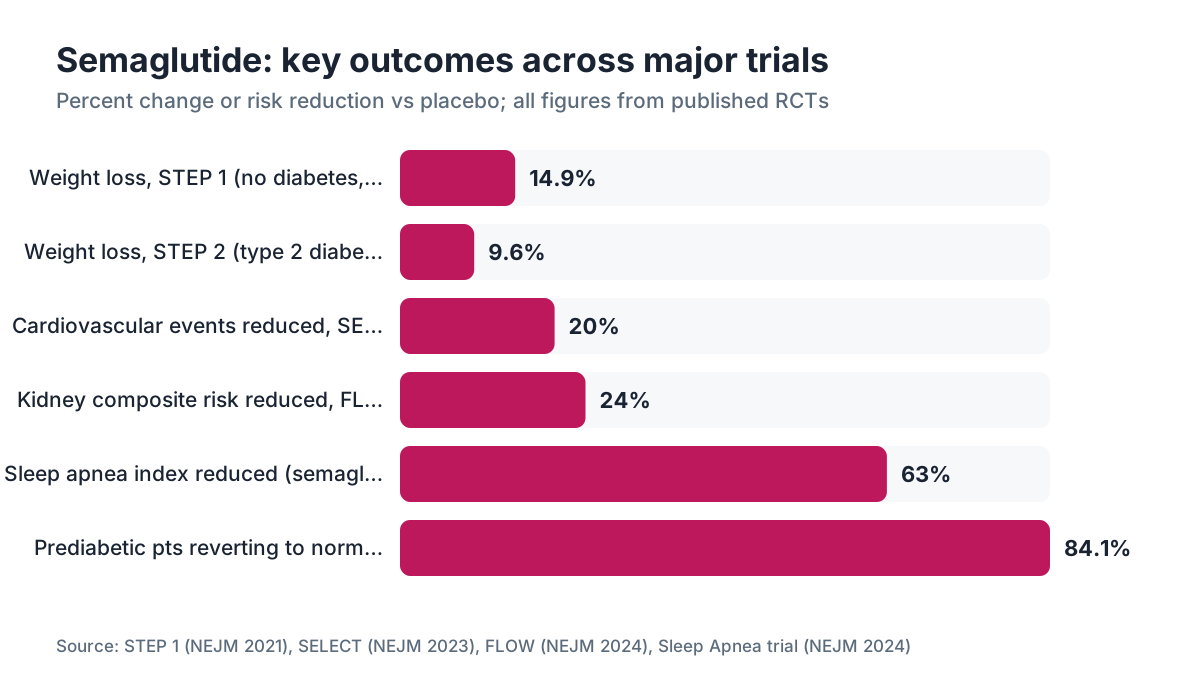
The STEP program (Semaglutide Treatment Effect in People with Obesity) is the trial series that set the weight-loss numbers most people cite. STEP 1, published in the New England Journal of Medicine in 2021, enrolled 1,961 adults without diabetes. After 68 weeks on 2.4 mg weekly semaglutide plus lifestyle intervention, the average weight loss was 14.9% of body weight versus 2.4% with placebo [4]. That is a roughly 15 kg (33 lb) average loss for someone starting at 105 kg.
STEP 2, focused on people with type 2 diabetes, showed a more modest but still meaningful 9.6% weight loss at 2.4 mg [5]. Blood sugar control tends to blunt GLP-1's appetite effects somewhat, which is why the weight numbers are lower in that population.
STEP 5 extended follow-up to two years and found that the weight loss was maintained, averaging 15.2%, as long as people stayed on the medication [5]. When semaglutide was stopped (the STEP 4 withdrawal study), participants regained about two-thirds of the lost weight within a year. That is not a character flaw. It reflects the underlying chronic nature of obesity as a condition that requires ongoing treatment, just like hypertension.
For women in perimenopause or menopause, the baseline metabolic picture is different from a 40-year-old man. Declining estrogen shifts fat storage toward the abdomen, raises insulin resistance, and slows resting metabolism. Semaglutide does not fix falling estrogen, but it addresses several of the metabolic downstream effects. Some clinicians pair it with hormone replacement therapy precisely because the two interventions target different mechanisms.
What are the cardiovascular benefits of semaglutide?
The SELECT trial (Semaglutide Effects on Heart Disease and Stroke in Patients with Overweight or Obesity) changed how cardiologists think about GLP-1 drugs. Published in the New England Journal of Medicine in November 2023, SELECT enrolled 17,604 adults with established cardiovascular disease but without diabetes, randomized to 2.4 mg semaglutide or placebo [6]. The primary outcome (a composite of cardiovascular death, nonfatal heart attack, or nonfatal stroke) was reduced by 20% in the semaglutide group over a median follow-up of 34 months.
The SELECT authors wrote that semaglutide produced "a significantly lower incidence of cardiovascular death, nonfatal myocardial infarction, or nonfatal stroke" compared with placebo [6]. That quote matters because the benefit appeared across subgroups, including women, and it appeared before participants lost much weight, suggesting the drug has direct vascular effects beyond what weight loss alone explains.
Blood pressure dropped modestly, averaging about 3-4 mmHg systolic in STEP 1 [4]. LDL cholesterol improvements were small, but triglycerides fell more meaningfully. C-reactive protein, a marker of systemic inflammation, dropped significantly in multiple trials, which may partly explain the cardiovascular findings.
For women over 45, cardiovascular disease risk rises sharply after menopause and eventually surpasses breast cancer as the leading cause of death in that age group, according to the American Heart Association [7]. A drug with a 20% reduction in major cardiovascular events is not a trivial benefit for that population.
Does semaglutide improve blood sugar and reduce diabetes risk?
For people who already have type 2 diabetes, semaglutide (as Ozempic) lowers HbA1c by roughly 1.5 to 2 percentage points at the 1 mg dose, one of the larger glucose-lowering effects available in a single drug [1]. It does this primarily by stimulating insulin secretion only when blood glucose is high, which means hypoglycemia is rare when it is used without insulin or sulfonylureas.
For people with prediabetes or insulin resistance but no diabetes diagnosis, the STEP 1 trial found that 84.1% of participants with prediabetes at baseline reverted to normal blood glucose after 68 weeks on semaglutide [4]. That is a prevention signal most diabetes medications never achieve, because they are not used before the diagnosis.
Insulin resistance is also a central feature of the hormonal shift in perimenopause. Estrogen normally sensitizes tissues to insulin; as estrogen falls, that sensitivity decreases. Women who were metabolically healthy at 35 sometimes develop prediabetes in their late 40s with no change in diet or exercise, purely because of hormonal changes. Semaglutide addresses the resulting insulin resistance directly, though it is not a substitute for treating the hormonal root cause if symptoms are present.
What does semaglutide do for liver health (MASLD/NAFLD)?
Metabolic dysfunction-associated steatotic liver disease (MASLD, formerly called NAFLD or nonalcoholic fatty liver disease) affects an estimated 25% of adults globally and is closely tied to insulin resistance and visceral fat [9]. Semaglutide has shown consistent reductions in liver fat in multiple trials.
A phase 2 trial published in the New England Journal of Medicine in 2021 tested daily subcutaneous semaglutide in adults with biopsy-proven NASH (the inflammatory form of fatty liver disease). At the highest dose tested (0.4 mg daily), 59% of participants had resolution of NASH without worsening fibrosis versus 17% of placebo patients [5]. The FDA approved a higher-dose version of semaglutide (Wegovy) for NASH-related fibrosis in 2024 based on this and related data.
Liver fat reduction appears to be partly independent of weight loss, which again suggests direct receptor-mediated effects in the liver. For women, MASLD prevalence rises sharply after menopause, tracking closely with visceral fat accumulation, so the liver benefit is particularly relevant in that group.
Are there benefits of semaglutide beyond weight and heart disease?
The short answer is yes, and the list is growing, though the evidence quality varies.
Kidney disease. The FLOW trial, reported in 2024, tested semaglutide 1 mg weekly in people with type 2 diabetes and chronic kidney disease. The drug reduced the composite of kidney failure, significant kidney function decline, or death from kidney or cardiovascular causes by 24% [6]. The FDA updated Ozempic's labeling to include kidney protection as a result.
Sleep apnea. A 2024 randomized trial of semaglutide 2.4 mg in adults with obesity and moderate-to-severe obstructive sleep apnea showed reductions in the apnea-hypopnea index of about 63-66% compared with 6-12% for placebo, with about 40% of participants in the drug group achieving resolution of symptoms [10]. For women, sleep apnea is underdiagnosed and worsens after menopause.
Osteoarthritis pain. The STEP 9 trial found significant improvements in knee pain scores in adults with obesity and knee osteoarthritis on semaglutide versus placebo, beyond what weight loss alone could explain [5].
Alcohol use disorder. Early data from an observational study and small randomized trials suggest GLP-1 drugs reduce alcohol cravings and consumption. The mechanism is probably related to the drug's effect on reward pathways in the brain. Nothing is FDA-approved for this yet, but it is an active research area.
Inflammation and polycystic ovary syndrome (PCOS). PCOS is driven partly by insulin resistance and elevated androgens, and small studies show semaglutide improves both. These are not yet confirmed in large randomized trials, but the mechanistic connection is plausible.
Nobody has good, large-scale data yet on whether semaglutide helps with menopause symptoms directly. The closest evidence is indirect: reducing visceral fat and improving insulin resistance can lower the frequency of hot flashes in some women, and some clinicians at practices like WomenRx that specialize in women's metabolic and hormonal health are tracking this in their patient populations.
How do the benefits of semaglutide compare to tirzepatide?
Tirzepatide (Mounjaro for diabetes, Zepbound for weight loss) activates both GLP-1 and GIP receptors, giving it a dual mechanism. Head-to-head trials are limited, but the SURMOUNT-1 trial of tirzepatide showed average weight loss of 20.9% at the highest dose (15 mg weekly) versus the roughly 15% seen with semaglutide at 2.4 mg [5].
Cardiovascular outcome data for tirzepatide is less mature. The SURPASS-CVOT trial is ongoing. SELECT (semaglutide) is currently the only published large cardiovascular outcomes trial in people with obesity but without diabetes.
For blood sugar control in type 2 diabetes, tirzepatide also edges out semaglutide in most comparative data, with HbA1c reductions of about 2-2.5 percentage points at the highest doses.
In practice, the choice between them depends on cost (similar list prices but insurance coverage varies), availability, individual response, and side effect tolerance. See a more detailed breakdown in the semaglutide vs tirzepatide comparison.
For women who have tried semaglutide and lost less than expected, tirzepatide is often the next step rather than a higher semaglutide dose, because the dual mechanism adds something genuinely different. The reverse is also reasonable: starting with semaglutide, which has the longer safety track record and more cardiovascular outcome data.
What are the real side effects, and how do they affect the benefit calculation?
GLP-1 drugs have a well-characterized side effect profile, and being honest about it is part of understanding whether the benefits outweigh the risks for you specifically.
Gastrointestinal effects (nausea, vomiting, diarrhea, constipation) are the most common. In STEP 1, about 44% of semaglutide participants reported nausea versus 16% on placebo; vomiting was about 25% versus 6% [4]. Most of this is dose-dependent and peaks during dose escalation, then improves. About 7% of participants in STEP 1 discontinued due to GI side effects.
Muscle loss is underappreciated. Roughly 25-40% of weight lost on GLP-1 drugs is lean mass, which is higher than in surgical weight loss programs that include intense protein and resistance training protocols [11]. This matters especially for women over 40, where muscle mass is already declining and preserving it protects against fracture risk and metabolic rate. Resistance training and adequate protein (at least 1.2 g per kg of body weight per day, some data suggest up to 1.6 g) substantially mitigate this.
Pancreatitis risk is real but small. The incidence is roughly 1 in 1,000 patients per year, not dramatically different from the general population with obesity, but semaglutide should be avoided in people with a personal or family history of medullary thyroid carcinoma or MEN2 because of rodent data on thyroid C-cell tumors [2].
Gallstones are more common with rapid weight loss in general and GLP-1 drugs in particular. About 1.6% of STEP 1 participants developed cholelithiasis versus 0.7% on placebo [4].
Bone density deserves attention for women, particularly those already past menopause. Weight loss from any source is associated with some bone loss. Getting a bone density test before starting and monitoring during treatment is a reasonable precaution for women over 50 or those with osteoporosis risk factors.
Who benefits most from semaglutide?
The people who get the most out of semaglutide are generally those with higher baseline BMI, established metabolic abnormalities (prediabetes, hypertriglyceridemia, high blood pressure, fatty liver), or existing cardiovascular disease. That is where the absolute risk reduction is largest.
Women going through menopause represent a group where semaglutide often makes intuitive sense: weight is accumulating despite no real change in behavior, insulin resistance is worsening because of falling estrogen, and cardiovascular risk is climbing. The drug addresses the metabolic piece. But it does not replace estrogen, and if hot flashes, sleep disruption, and mood changes are significant, addressing those with hormone replacement therapy is a separate and complementary question.
People with type 2 diabetes who need both glucose control and weight loss get two benefits from one drug, which is a strong argument for semaglutide over older agents in that group.
People who benefit least, or should not use it, include those with BMI under 27 (outside approved indications), active eating disorders (GLP-1 drugs can worsen restriction-focused patterns in some people), or personal/family history of MEN2 or medullary thyroid cancer. Active inflammatory bowel disease is also a relative caution given GI effects.
For women interested in semaglutide for weight loss specifically, the practical question is always: what is the actual number, and is it maintained? The STEP data give a realistic benchmark. Most women on 2.4 mg for 68 weeks lose 12-17% of starting weight. A small percentage are non-responders. Knowing that upfront helps calibrate expectations and plan next steps.
How long do you have to stay on semaglutide to keep the benefits?
STEP 4, the withdrawal trial, is the clearest answer we have. Participants who reached maintenance on 2.4 mg semaglutide were randomized to continue or switch to placebo. Those who switched to placebo regained about 6.9% of body weight at 20 weeks and continued gaining thereafter, while those who continued lost a further 7.9% [5]. By one year post-withdrawal, two-thirds of lost weight was regained on average [8].
This pattern matches what happens with other chronic condition treatments. Blood pressure goes back up when antihypertensives stop. This is not evidence of failure. It is evidence that obesity is a chronic disease requiring ongoing treatment.
The cardiovascular benefits also appear to require continued treatment. Blood pressure, CRP, and lipid improvements in SELECT tracked with medication exposure.
For women considering this as a long-term medication, cost and access become practical barriers. List price for Wegovy runs approximately $1,300-$1,350 per month without insurance as of 2024. Insurance coverage has improved but is still inconsistent. Compounded semaglutide was widely available during the shortage period but FDA has signaled that compounded semaglutide may face access restrictions as the shortage resolves.
The honest answer on duration: plan for indefinite use if you want to maintain benefits, the same way you'd plan for indefinite use of a blood pressure drug. If cost or access forces a stop, doing so with a gradual taper and a plan to hold onto lifestyle changes gives the best chance of partial benefit retention.
What should women know about semaglutide benefits specifically?
Most of the large semaglutide trials enrolled majority-female populations. STEP 1 was 74.1% women [4]. SELECT was 28% women, which is actually higher than many cardiovascular trials have historically included. So the data does apply to women, even if it is not always parsed that way in headlines.
A few female-specific considerations stand out. Muscle preservation is more urgent for women over 40. The hormonal context matters: semaglutide's appetite suppression stacks with the already reduced appetite that some perimenopausal women report, which makes nausea management more important. And the interaction with menstrual cycles has not been deeply studied, though anecdotal reports of cycle changes exist and may be related to rapid weight change and body fat redistribution rather than a direct drug effect [12].
Hair loss (telogen effluvium) occurs in a meaningful minority of women on semaglutide, probably due to rapid weight loss rather than the drug itself. It typically resolves within six months. Adequate protein and micronutrient intake (especially iron, zinc, and biotin) help.
For women using progesterone or an estrogen patch as part of menopausal hormone therapy, there are no known pharmacokinetic interactions with semaglutide. The drugs work through completely different pathways. Clinicians at women's health practices that prescribe both report no signal of problems, though formal drug-drug interaction studies in this specific combination have not been published.
If you are evaluating semaglutide as part of managing the metabolic changes that come with perimenopause or menopause, a telehealth practice like WomenRx that handles both hormone therapy and GLP-1s can look at the full picture rather than treating weight and hormones as separate problems. That integrated view matters because the two are not actually separate problems.
Frequently asked questions
How quickly do you see benefits from semaglutide?
Most people notice reduced appetite within the first week or two at low starting doses. Meaningful weight loss (2-5% of body weight) typically appears by weeks 8-12. Blood sugar improvements in people with type 2 diabetes show up faster, sometimes within days of starting. The full cardiovascular and metabolic benefits in the STEP trials emerged over 68 weeks. Expect a slow ramp, not a dramatic first-month change.
Does semaglutide help with belly fat specifically?
Yes. GLP-1 drugs preferentially reduce visceral (abdominal) fat over subcutaneous fat, which is one reason metabolic markers improve more than total weight loss would predict. MRI substudies from multiple trials confirm greater visceral fat loss than subcutaneous fat loss. For women after menopause, who accumulate fat centrally due to falling estrogen, this is a particularly relevant finding.
Can semaglutide improve cholesterol and blood pressure?
Semaglutide lowers triglycerides meaningfully (roughly 20-30% in some studies) and produces modest LDL and total cholesterol reductions. Systolic blood pressure drops average 3-4 mmHg in the STEP trials. These improvements are modest on their own but contribute to the cardiovascular risk reduction seen in SELECT. They are not a substitute for statins or antihypertensives in people who need them.
Is semaglutide safe for women over 50?
The STEP trials included women across age groups and did not show a safety signal specific to older women. The main added consideration for women over 50 is bone density: weight loss can reduce bone mass, and postmenopausal women are already at higher fracture risk. Getting a baseline DEXA scan and ensuring adequate calcium, vitamin D, and protein intake is prudent. Women with a history of medullary thyroid cancer or MEN2 should not use semaglutide.
Does semaglutide help with PCOS?
Small studies suggest it does. GLP-1 drugs reduce insulin resistance, which is a core driver of PCOS, and this in turn can lower elevated androgens, improve menstrual regularity, and support weight loss. However, large randomized trials in PCOS are not yet published, so the evidence is promising but not yet definitive. Most endocrinologists consider it a reasonable option for women with PCOS and obesity who have not responded to metformin.
What happens to semaglutide benefits if you stop taking it?
The STEP 4 withdrawal trial found that participants who stopped semaglutide regained about two-thirds of their lost weight within one year. Blood pressure, CRP, and blood sugar improvements also reversed toward baseline. This is why most guidelines now frame GLP-1 treatment as long-term rather than a short course. Gradual tapering with maintained lifestyle changes can slow but not prevent most of the regain.
Does semaglutide reduce inflammation?
Yes. C-reactive protein (CRP), a blood marker of systemic inflammation, falls significantly on semaglutide across multiple trials, including SELECT. Some researchers believe this anti-inflammatory effect is partly independent of weight loss and may explain cardiovascular benefits that appeared before much weight was lost. The mechanism likely involves both reduced adipose tissue inflammation and possible direct GLP-1 receptor effects on immune cells.
Can semaglutide be used with hormone replacement therapy?
There are no known pharmacokinetic interactions between semaglutide and standard hormone therapies including estrogen patches, oral estradiol, or progesterone. They work through different receptor systems. Clinically, combining them makes sense for women in menopause who have both metabolic and hormonal symptoms, since the drugs address different problems. No formal drug-drug interaction trial has been published in this combination as of mid-2026.
Does semaglutide help with sleep apnea?
A 2024 randomized trial published in the New England Journal of Medicine found semaglutide 2.4 mg reduced apnea-hypopnea index scores by about 63-66% compared with 6-12% for placebo in adults with obesity and moderate-to-severe obstructive sleep apnea. About 40% of drug-group participants achieved resolution of sleep apnea. This led to FDA approval of Wegovy for this indication in 2024. Sleep apnea worsens after menopause, making this benefit especially relevant for women over 45.
How does semaglutide help the kidneys?
The FLOW trial, completed in 2024, showed semaglutide 1 mg weekly reduced a composite of kidney failure, major kidney function decline, and cardiovascular death by 24% in people with type 2 diabetes and chronic kidney disease. The FDA updated Ozempic's labeling to include this indication. The mechanism appears to involve reduced inflammation and lower intraglomerular pressure from improved metabolic control, more than blood sugar reduction.
Is the weight loss from semaglutide permanent?
Only if you continue taking it. The STEP 4 trial showed most lost weight returns within a year of stopping. That mirrors how obesity medications have always worked and parallels other chronic disease medications. The more useful framing: semaglutide produces durable benefits as long as treatment continues. Planning for long-term use from the start, and having a strategy for managing costs and access, matters more than expecting a time-limited course.
What is the difference between semaglutide benefits for people with and without diabetes?
People with type 2 diabetes get blood sugar control on top of weight loss and cardiovascular benefit, though the weight loss is somewhat smaller (about 9-10% versus 15% in non-diabetic people). People without diabetes see larger weight loss, a strong cardiovascular benefit in SELECT, and, importantly, diabetes prevention: 84% of prediabetic STEP 1 participants reverted to normal glucose. The drug has value in both groups, but for different primary reasons.
Does semaglutide help with joint pain?
STEP 9, a dedicated trial in adults with obesity and knee osteoarthritis, found significant improvements in pain scores on semaglutide versus placebo, with effects exceeding what weight loss alone would predict in some analyses. The trial reported this in 2024. Reduced joint loading from weight loss explains some of the benefit, but anti-inflammatory effects may contribute as well. This is an emerging finding rather than an established FDA-approved indication.
What is a realistic weight loss expectation on semaglutide?
In the STEP 1 trial of 2.4 mg weekly semaglutide in adults without diabetes, average weight loss was 14.9% of body weight over 68 weeks. For someone starting at 200 pounds, that is roughly 30 pounds. About 32% of participants lost more than 20% of body weight; about 10-15% are relative non-responders who lose less than 5%. Real-world results from pharmacy data tend to run slightly lower than trial results, closer to 10-12%, possibly due to lower adherence and shorter treatment duration.
Sources
- FDA, Ozempic (semaglutide) prescribing information
- FDA, Drug Approvals and Databases
- Endocrine Society, Journal of Clinical Endocrinology and Metabolism
- Wilding JPH et al., STEP 1 Trial, New England Journal of Medicine 2021
- Rubino D et al. (STEP 4), Davies M et al. (STEP 2), Garvey WT et al. (STEP 5), Newsome PN et al. NASH trial, SURMOUNT-1 (tirzepatide) — New England Journal of Medicine / NEJM Evidence
- Lincoff AM et al. (SELECT Trial) and Perkovic V et al. (FLOW Trial), New England Journal of Medicine 2023-2024
- American Heart Association, Heart Disease and Stroke Statistics 2024 Update
- Wadden TA et al., STEP 3 trial; Wharton S et al., STEP 4 withdrawal — Obesity journal / NEJM Evidence
- National Institute of Diabetes and Digestive and Kidney Diseases (NIDDK), NAFLD/MASLD page
- Jastreboff AM et al., semaglutide sleep apnea trial, New England Journal of Medicine 2024
- Endocrine Society Clinical Practice Guidelines, Obesity Pharmacotherapy
- North American Menopause Society (NAMS), Menopause journal, position statements