Balanced diet for menopause: what to eat and what to skip
TL;DR: No single food cures menopause symptoms. But the evidence favors a diet high in calcium, protein, fiber, and phytoestrogens while limiting added sugar, alcohol, and ultra-processed foods. Women in perimenopause and postmenopause who shift toward a Mediterranean-style pattern show measurable improvements in hot flash frequency, bone density, and cardiovascular risk markers in controlled trials.
Why does diet actually matter during menopause?
Estrogen does a lot of quiet work in your body. It helps regulate insulin sensitivity, keeps bones from thinning too fast, supports the gut microbiome, and keeps LDL cholesterol from climbing. When estrogen drops, all of those systems wobble at once. Diet can't replace estrogen, but it can either soften that wobble or make it worse.
The numbers matter here. The average woman gains roughly 1.5 pounds per year in the years around menopause, and the fat preferentially deposits around the abdomen rather than the hips, which raises cardiovascular risk independently of total weight [1]. Bone loss speeds up too: women lose an average of 1 to 3 percent of bone mass per year in the first five years after their last period [2]. Both trends are meaningfully influenced by what you eat.
Then there are the acute symptoms: hot flashes, night sweats, sleep disruption, and mood shifts. Food choices don't control these the way hormone therapy does, but certain dietary patterns are consistently linked to fewer and milder vasomotor symptoms in observational and intervention data [3]. That's worth taking seriously, even if the effect is modest.
Menopause is a metabolic inflection point. Your nutritional needs genuinely change, and eating the same way you did at 35 often stops working around 45 or 50.
What are the most important nutrients for menopause?
A few nutrients move to the front of the line during and after menopause. Getting them right matters more than any superfood trend.
Calcium and vitamin D are the obvious ones for bone health. The National Academy of Medicine recommends 1,200 mg of calcium daily for women over 50, up from 1,000 mg for younger women, and 600 to 800 IU of vitamin D daily, though many clinicians now test and individualize the D target [2]. Dietary calcium from dairy, fortified plant milks, canned fish with bones, and leafy greens is absorbed more steadily than supplements, which is why food-first matters.
Protein is underrated in this conversation. Muscle mass declines with age and accelerates after menopause because of anabolic resistance, meaning muscle needs more dietary protein stimulus to rebuild than it did in your 30s. A 2021 analysis in the American Journal of Clinical Nutrition found that older women who ate 1.2 to 1.6 grams of protein per kilogram of body weight daily preserved more lean mass than those at the standard 0.8 g/kg RDA [4]. For a 150-pound woman, that's roughly 82 to 109 grams of protein a day.
Omega-3 fatty acids show consistent anti-inflammatory effects and modest cardiovascular benefit. Fatty fish (salmon, sardines, mackerel) two to three times per week is the most direct route. Flaxseed and walnuts give you the shorter-chain ALA form, which converts to EPA and DHA inefficiently, so they help but aren't a full substitute.
Magnesium often gets overlooked. It's involved in bone mineralization, sleep quality, and glucose metabolism, and many perimenopausal women run low. Good sources: pumpkin seeds, almonds, black beans, and dark chocolate.
Fiber deserves its own mention. Thirty grams per day is the target most guidelines set, but the average American woman eats about 15 grams [5]. Fiber feeds beneficial gut bacteria, slows glucose absorption, lowers LDL, and appears to modestly reduce circulating estrone by increasing fecal estrogen excretion, which matters more in postmenopause when estrone from fat tissue becomes the dominant estrogen source.
If you're unsure where you stand on bone density, a bone density test is worth asking your provider about, particularly if you're postmenopausal.
Which eating pattern is best for menopause symptoms?
The Mediterranean diet has the most consistent evidence behind it for menopausal women. It emphasizes vegetables, legumes, whole grains, fish, olive oil, and moderate dairy, with minimal red meat and ultra-processed food. A 2020 prospective study in Menopause found that women with higher Mediterranean diet adherence had significantly lower odds of severe hot flashes and night sweats after adjusting for BMI and other confounders [3].
Several dietary intervention studies in postmenopausal women also show that Mediterranean-pattern eating reduces markers of cardiovascular disease risk: LDL cholesterol, blood pressure, and fasting insulin [6]. Those outcomes matter because cardiovascular disease becomes the leading cause of death for women within a decade of menopause.
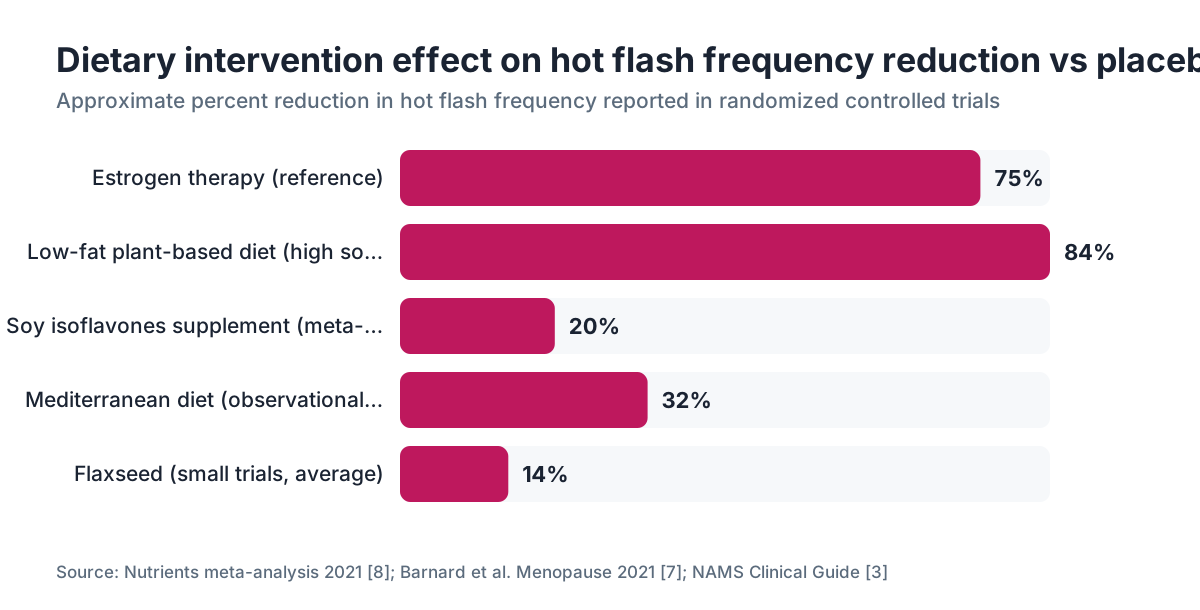
Plant-based diets also show promise, particularly if they're well-structured. The WAVS trial published in Menopause in 2021 found that postmenopausal women on a low-fat, plant-based diet rich in soybeans had an 84 percent reduction in moderate to severe hot flashes over 12 weeks, compared to a 43 percent reduction in the control group [7]. That's a striking number, though it came from a relatively small trial and the high soy intake (about 86 mg of isoflavones daily) may not be realistic for everyone.
Neither approach requires perfection. Getting 80 percent of your calories from whole, minimally processed foods matters more than which named diet you follow.
| Eating Pattern | Hot Flash Evidence | Bone Support | Cardiovascular Benefit | Ease of Adherence | |---|---|---|---|---| | Mediterranean | Moderate-strong [3] | Strong | Strong [6] | High | | Low-fat plant-based (high soy) | Strong in WAVS [7] | Moderate | Moderate | Moderate | | DASH | Limited for symptoms | Moderate | Strong | High | | Standard Western diet | No benefit | Poor | Poor | High (unfortunately) |
Do phytoestrogens actually help with hot flashes?
Phytoestrogens are plant compounds that bind weakly to estrogen receptors. The main classes are isoflavones (soy, chickpeas, lentils), lignans (flaxseed, sesame, whole grains), and coumestans (sprouts, clover). They're not estrogen, and they don't behave like pharmaceutical estrogen, but the receptor-binding is real and the clinical data is genuinely interesting.
A 2021 meta-analysis in the journal Nutrients pooled 23 randomized controlled trials and found that soy isoflavones reduced hot flash frequency by about 20 percent compared to placebo [8]. Real but modest. Compare that to the 70 to 80 percent reduction seen with estrogen therapy in most studies, and you understand why phytoestrogens work better as part of a whole diet strategy than as a stand-in for hormone therapy.
The WAVS trial used whole soy foods specifically (tofu, tempeh, edamame, soy milk), not supplements, which may partly explain its unusually strong result. Many supplement trials use highly purified isoflavone extracts that behave differently in the body.
Flaxseed, the richest dietary source of lignans, also shows modest benefit for hot flash frequency in small trials, though the evidence isn't as consistent as for soy. Two tablespoons of ground flaxseed daily (about 50 calories) is a low-effort, reasonable add for most women.
One nuance matters: women who are breast cancer survivors or who carry BRCA mutations are sometimes told to avoid soy. Current evidence from the American Cancer Society and major oncology groups does not support that restriction for whole soy foods, but discuss it specifically with your oncologist because the individual risk picture matters.
What foods make menopause symptoms worse?
Some foods reliably trigger or amplify hot flashes and night sweats. Spicy food, alcohol, and caffeine are the most commonly reported offenders in symptom diaries, and population-level data backs this up. A 2020 analysis in Menopause found that alcohol intake was associated with higher hot flash frequency even at moderate consumption levels [9].
Alcohol deserves extra attention because its harms during menopause reach past symptoms. It raises breast cancer risk (even one drink per day raises relative risk by about 7 to 10 percent according to the Million Women Study) [9], disrupts sleep architecture, worsens bone resorption, and adds empty calories that speed up the abdominal fat gain already driven by estrogen loss.
Added sugar and refined carbohydrates feed the insulin resistance that worsens after menopause. They also spike and then crash blood glucose, which can worsen mood, fatigue, and brain fog. Ultra-processed foods (packaged snacks, fast food, sweetened drinks) are linked to higher rates of both cardiovascular disease and metabolic syndrome in postmenopausal women across multiple large cohorts.
Salt is worth watching too. High sodium intake speeds up urinary calcium excretion, so your bones pay for your salty food habits. General guidance is under 2,300 mg of sodium per day; for women with elevated blood pressure, under 1,500 mg.
Practically, I'd cut alcohol before I'd stress about whether your coffee is a problem. The evidence against alcohol in this population is stronger, and for many women it's the single lever that moves the most symptoms at once.
How much protein do you need during menopause and perimenopause?
The current U.S. RDA of 0.8 grams of protein per kilogram of body weight was set for sedentary younger adults and is almost certainly too low for perimenopausal and postmenopausal women. Multiple research groups, including those publishing in the Journal of the Academy of Nutrition and Dietetics, now recommend 1.2 to 1.6 g/kg/day for women over 50 [4].
Timing matters almost as much as the total. Spreading protein across all three meals (rather than loading it at dinner) better supports muscle protein synthesis through the day. A useful rough target is 25 to 40 grams of protein per meal.
For a 160-pound (73 kg) woman, 1.2 g/kg comes out to about 88 grams of protein daily. Some concrete examples: a 3-ounce serving of salmon has about 22 grams; a cup of Greek yogurt has about 17 grams; half a cup of cooked lentils has about 9 grams; two large eggs have about 12 grams.
Animal proteins (fish, poultry, dairy, eggs) are generally more bioavailable and have higher leucine content, the amino acid that triggers muscle protein synthesis. But well-planned plant-based diets can hit the target if you combine a variety of sources and eat enough total calories. Where many plant-forward women fall short is simply total grams, not protein quality.
If you're exploring GLP-1 medications for weight management during menopause, this protein target matters even more, because GLP-1s cut appetite hard and it's easy to under-eat protein when your hunger signals are quiet. Programs like WomenRx build protein planning into care for women on these medications.
What should you eat to protect bone density during menopause?
Bone loss during menopause is driven mostly by the withdrawal of estrogen's braking effect on osteoclasts (the cells that break bone down). Diet can slow the rate of loss but won't reverse established osteoporosis without medical treatment. That said, the dietary levers are significant.
Calcium is the most discussed, and the target of 1,200 mg daily for women over 50 is well-supported by the National Osteoporosis Foundation [2]. The best dietary sources are dairy (about 300 mg per cup of milk or yogurt), fortified plant milks, canned sardines and salmon with bones, firm tofu made with calcium sulfate, and cooked leafy greens like bok choy and kale. Note that spinach, despite its reputation, carries a lot of oxalate that binds calcium and cuts absorption.
Vitamin D is essential for calcium absorption. Without enough D, you can eat all the calcium you want and still not absorb it well. The safe upper limit set by the National Academy of Medicine is 4,000 IU/day for adults; most women in midlife land in the 600 to 2,000 IU/day range depending on sun exposure and baseline blood levels [2].
Vitamin K2 is increasingly recognized for directing calcium to bones rather than arteries. Fermented foods like natto, some aged cheeses, and certain supplements contain MK-7, the most bioavailable form. The K2 data on bone outcomes is promising but not yet as settled as calcium and D.
Heavy caffeine and very high sodium both increase urinary calcium loss. Alcohol directly inhibits bone-forming osteoblasts. Smoking speeds bone loss sharply. These are the modifiable factors that matter most beyond the pro-bone nutrients.
If you're postmenopausal and haven't had a bone density test, the U.S. Preventive Services Task Force recommends screening for all women 65 and older, and earlier for women with risk factors.
Can diet help with menopause weight gain?
Menopause-related weight gain is real, but it's partly misunderstood. Total calorie needs drop modestly with age and the metabolic shifts from estrogen loss, while appetite regulation gets less efficient. The abdominal fat redistribution that shows up even in women who don't gain total weight is driven mostly by estrogen decline, not diet alone.
Still, diet is the main lever for preventing or reversing the weight that does accumulate. The evidence favors moderately low-carbohydrate or Mediterranean-style diets over very low-fat approaches here, likely because protein and fat improve satiety in women who are already dealing with changing hunger signals.
A consistent finding across postmenopausal weight management trials: caloric restriction alone, without resistance training, causes meaningful loss of lean mass. Women in this age group who diet without strength training can end up lighter but with worse body composition. The muscle-protective effect of higher protein intake (1.2 to 1.6 g/kg/day) is exactly why protein targets matter so much.
For women who haven't been able to manage weight through diet alone, GLP-1 medications like semaglutide or tirzepatide have substantial evidence in postmenopausal women. The STEP 1 trial (semaglutide 2.4 mg weekly) showed an average weight loss of 14.9 percent over 68 weeks in adults with obesity or overweight with a comorbidity [10]. The SURMOUNT-1 trial for tirzepatide showed up to 20.9 percent average weight loss in a similar population [11]. Neither trial was menopause-specific, but most participants in both were women in this age range.
For a side-by-side, our semaglutide vs tirzepatide article covers the differences in mechanism, side effects, and real-world weight outcomes.
Hormone therapy also appears to reduce abdominal fat gain and slightly improve metabolic rate when started close to menopause. There's more on this in our hormone replacement therapy overview.
How does alcohol affect menopause symptoms and health?
Alcohol earns its own section because its effects on menopausal women are both broader and more negative than most women realize.
On symptoms: alcohol dilates blood vessels, which can directly trigger hot flashes. It also disrupts the deep sleep stages that are already fragile during perimenopause and menopause, so even one evening drink tends to worsen night sweats and cut total sleep quality. The North American Menopause Society lists alcohol as a top dietary trigger for vasomotor symptoms [3].
On cancer: the International Agency for Research on Cancer classifies alcohol as a Group 1 carcinogen. For breast cancer specifically, data from the Million Women Study of over 1.2 million women found that each additional drink per day raised relative breast cancer risk by about 7 to 10 percent [9].
On bones: chronic alcohol use suppresses osteoblast activity and cuts calcium absorption. Even moderate drinking (more than one drink per day) is linked to lower bone density in postmenopausal women.
The honest answer: there's no safe floor of alcohol for menopausal women from a pure risk-minimization standpoint. If you enjoy it, some women find that cutting to occasional drinks (fewer than 3 per week) meaningfully improves sleep and hot flash frequency without full abstinence. Full abstinence gives you the most benefit. That's not a moral position. It's just what the data shows.
What does a realistic one-day menopause diet look like?
Instead of vague guidance, here's what a day of eating that hits the major targets actually looks like. Rough totals for this sample day: around 1,800 to 1,900 calories, 100 to 110 grams of protein, 30 to 35 grams of fiber, and close to 1,200 mg of calcium.
Breakfast: Two eggs scrambled with spinach and feta, one slice of whole grain toast, one cup of plain Greek yogurt with a tablespoon of ground flaxseed and a handful of blueberries. Coffee or tea is fine. This meal alone gives you about 35 grams of protein and 350 to 400 mg of calcium.
Lunch: Large salad with canned salmon (about 4 ounces), cherry tomatoes, cucumber, olives, white beans, and olive oil with lemon dressing. One cup of fortified plant milk or low-fat milk on the side. About 40 grams of protein, high omega-3 content, 300 to 350 mg of calcium.
Snack: A small handful of almonds and an orange, or edamame (half a cup, which brings about 8 grams of protein and some isoflavones).
Dinner: Stir-fried tofu (firm, calcium-set) with broccoli, bok choy, and sesame seeds over brown rice, seasoned with low-sodium soy sauce and ginger. About 25 to 30 grams of protein, 400 to 450 mg of calcium from the tofu and greens.
This pattern isn't restrictive. It doesn't need exotic ingredients. It does need a little planning. Batch-cooking grains and proteins a couple of times per week is the practical move that makes this sustainable rather than aspirational.
One more thing: total calories matter, but obsessive calorie counting isn't necessary and can worsen the disordered eating patterns that become more common in perimenopause. Portion awareness and protein-first at each meal gets most women most of the way there without tracking every bite.
Should you take supplements during menopause?
The honest answer: some, targeted ones, and only where your diet genuinely falls short or your blood work shows a deficit.
The ones with the clearest evidence for menopausal women are vitamin D (most women in northern climates or those who avoid sun are low, and a simple 25-OH vitamin D blood test tells you your actual level), calcium (only to close the gap between dietary intake and 1,200 mg, not as a food substitute), and magnesium glycinate or citrate (200 to 400 mg at night improves sleep in many women and the downside risk is small).
Omega-3 supplements (1 to 2 grams of EPA plus DHA daily) are reasonable for women who don't eat fatty fish regularly. The cardiovascular evidence in this population is consistent, though modest.
Collagen peptide supplements are popular and the data is mixed but trending positive for skin elasticity and joint comfort. The effect is small. If you're already eating enough protein, collagen adds little for muscle. If you're protein deficient, it's a reasonable convenient source, though it lacks tryptophan and isn't a complete protein.
What I'd skip: most branded menopause supplement blends. They usually contain low doses of many ingredients, several with thin evidence (black cohosh, red clover, evening primrose oil), and cost far more than the individual supplements with actual evidence. Black cohosh specifically has some trial data for hot flashes, but the effect is inconsistent across studies and it carries a rare but real hepatotoxicity risk at high doses.
The FDA does not regulate supplements with the same rigor as medications [12]. Look for products with third-party testing (USP, NSF International, or Informed Sport certification) if you do use them.
For deeper context on how perimenopause age shapes which nutrients to prioritize and when, that timeline matters for your supplement strategy.
How does gut health connect to menopause?
The gut microbiome and menopause have a two-way relationship that's getting more research attention. Estrogen affects gut motility and the makeup of bacterial populations in the gut; in turn, certain gut bacteria (collectively called the estrobolome) metabolize and recirculate estrogen through a process called enterohepatic recirculation [13]. When estrogen drops and the estrobolome shrinks, estrogen recycling decreases.
What this means in practice: a fiber-poor, low-diversity diet may worsen the hormonal picture during menopause by reducing estrobolome activity. A diet rich in diverse plant foods (30 or more different plant foods per week is a target used in some microbiome research) appears to support a more diverse microbiome and healthier estrobolome function.
Fermented foods, specifically yogurt, kefir, sauerkraut, kimchi, and miso, introduce live bacteria and increased microbiome diversity more effectively than a high-fiber diet alone in a 2021 randomized trial published in Cell [13]. The menopause-specific data is limited, but the general microbiome benefit is real.
Practically: eat more plants, eat fermented foods regularly, and don't fear carbohydrates from whole food sources like legumes, whole grains, and vegetables. Fear of carbs often pushes women toward diets so low in fiber that their gut microbiome suffers, which has downstream effects on mood (the gut-brain axis), immune function, and metabolic health.
Frequently asked questions
What is the best diet for menopause weight gain?
A moderately higher-protein diet (1.2 to 1.6 grams per kilogram of body weight daily) combined with a Mediterranean-style eating pattern has the strongest evidence for managing menopause-related weight gain. Cutting ultra-processed foods and alcohol makes the biggest practical difference for most women. Resistance training alongside dietary changes is essential to preserve muscle mass while losing fat.
Can what you eat reduce hot flashes?
Yes, modestly. Soy-rich diets with roughly 40 to 80 mg of isoflavones daily are linked to a 20 percent reduction in hot flash frequency in meta-analyses of randomized trials. Avoiding alcohol, spicy food, and caffeine cuts trigger-related flashes. A Mediterranean diet is associated with lower odds of severe vasomotor symptoms in prospective cohort studies. These effects are real but smaller than hormone therapy.
How much calcium do menopausal women need per day?
The National Academy of Medicine recommends 1,200 mg of calcium daily for women over 50, up from 1,000 mg for younger women. Getting this from food (dairy, fortified plant milks, canned fish with bones, leafy greens) beats supplements. Calcium supplements above 500 mg at a single dose are poorly absorbed, and some data suggests they may raise cardiovascular risk.
Is soy safe to eat during menopause?
Yes, for most women. Whole soy foods like tofu, edamame, tempeh, and soy milk are safe and likely beneficial during menopause based on current evidence. The old concerns about soy and breast cancer risk came largely from animal studies using concentrated isoflavone compounds at very high doses. Current evidence from the American Cancer Society does not restrict whole soy foods even in breast cancer survivors, though you should confirm with your oncologist.
What foods should I avoid during menopause?
Alcohol, spicy foods, and caffeine are the most consistent hot flash triggers. Added sugar and refined carbohydrates worsen insulin resistance. Ultra-processed foods raise cardiovascular and metabolic risk. High-sodium foods speed calcium loss from bones. Cutting these doesn't require perfection: reducing alcohol to fewer than three drinks per week and dropping daily ultra-processed snacks moves the needle for most women.
Does the Mediterranean diet help with menopause symptoms?
Yes. A 2020 prospective study in the journal Menopause found that higher Mediterranean diet adherence was significantly associated with lower odds of severe hot flashes and night sweats. The Mediterranean diet also has strong evidence for reducing cardiovascular risk markers, which matters because cardiovascular disease risk rises after menopause. It's the eating pattern with the broadest evidence base across menopause-relevant outcomes.
How much protein should a woman eat during menopause?
Research supports 1.2 to 1.6 grams of protein per kilogram of body weight daily for women over 50, compared to the standard RDA of 0.8 g/kg. For a 150-pound woman that's roughly 82 to 109 grams per day. Spread across three meals (25 to 40 grams per meal) rather than concentrated at dinner, protein better supports muscle synthesis throughout the day.
Can diet affect bone density during menopause?
Diet significantly affects the rate of bone loss during menopause even though it can't restore bone lost before. Adequate calcium (1,200 mg/day for women over 50), vitamin D (600 to 800 IU/day minimum), and vitamin K2 support bone maintenance. Alcohol, high sodium, and smoking speed bone loss. Diet works best alongside weight-bearing exercise and, for women with significant osteoporosis risk, appropriate medication.
What should I eat to sleep better during menopause?
Avoid alcohol in the evening, since even one drink disrupts deep sleep stages and worsens night sweats. Magnesium (200 to 400 mg of glycinate or citrate before bed) improves sleep quality in many perimenopausal women. A light carbohydrate and protein snack before bed (like Greek yogurt with a few crackers) may help stabilize blood sugar overnight and reduce middle-of-the-night waking.
Do I need to take supplements during menopause?
Targeted supplements make sense where diet falls short. Vitamin D is warranted for most women in northern climates (test your level first). Calcium supplementation fills the gap between dietary intake and 1,200 mg daily. Magnesium glycinate improves sleep and bone health. Most branded menopause supplement blends have limited evidence and cost more than the individual supplements with real data. The FDA does not regulate supplements as rigorously as medications.
How does alcohol affect hot flashes and menopause health?
Alcohol is one of the most consistent dietary triggers for hot flashes and directly disrupts sleep, which is already fragile during menopause. It also raises breast cancer risk (each daily drink increases relative risk by 7 to 10 percent per Million Women Study data), reduces bone density, and adds empty calories. Reducing alcohol to occasional use produces measurable improvement in sleep and hot flash frequency for many women.
Is a plant-based diet good for menopause?
A well-structured plant-based diet can support menopause health well, particularly if it includes ample legumes (for protein and isoflavones), varied vegetables, whole grains, and fortified plant milks for calcium and D. The WAVS trial found an 84 percent reduction in moderate-to-severe hot flashes on a low-fat plant-based diet high in soy. The main risk with plant-based eating is under-eating total protein, so tracking protein matters more in this pattern.
What role does fiber play in menopause?
Fiber supports gut health, lowers LDL cholesterol (important as cardiovascular risk rises postmenopause), improves insulin sensitivity, and feeds gut bacteria involved in estrogen metabolism. Women during menopause need about 25 to 30 grams daily; most eat about 15. Beans, lentils, oats, flaxseed, vegetables, and fruit are the highest-value sources. Increasing fiber gradually over two to three weeks prevents the bloating that comes from a sudden large increase.
When should perimenopause dietary changes start?
Dietary changes ideally begin in perimenopause, the years before the final menstrual period when symptoms begin but hormones still fluctuate. That's typically the mid-40s for most women, though it varies. Starting calcium, protein, and fiber optimization early means you're not playing catch-up once estrogen has fully declined. Read more about typical onset timing in our overview of perimenopause age.
Sources
- NIH National Institute on Aging, Menopause overview
- National Academy of Medicine (formerly IOM), Dietary Reference Intakes for Calcium and Vitamin D
- The North American Menopause Society (NAMS), Menopause Practice: A Clinician's Guide
- American Journal of Clinical Nutrition, Protein intake and muscle preservation in older women (2021)
- PREDIMED Study, New England Journal of Medicine, primary Mediterranean diet trial in cardiovascular disease prevention
- Barnard ND et al., Menopause, 2021: WAVS randomized controlled trial, plant-based diet and hot flashes
- Nutrients, 2021 meta-analysis, soy isoflavones and hot flash frequency in 23 RCTs
- Million Women Study, Lancet: alcohol and breast cancer risk
- Wilding JPH et al., STEP 1 trial, New England Journal of Medicine, 2021: semaglutide 2.4 mg for weight management
- Jastreboff AM et al., SURMOUNT-1 trial, New England Journal of Medicine, 2022: tirzepatide for weight management
- FDA, Dietary Supplements: What You Need to Know
- Sonnenburg Lab, Cell, 2021: fermented food diet increases microbiome diversity